A visit to the DMZ has a way of changing your brain. This tour runs with retired military officers who explain what you’re seeing in plain language, then gets you a hard dose of the Korean War’s real geography and distance from Seoul. I especially liked how they decide your observatory stop based on the day’s weather and live CCTV rather than hoping for a clear sky.
What I liked most, though, is the way the day stays focused. You hit major DMZ landmarks, walk the Third Tunnel, and get guided context at every checkpoint—guides like SJ (special forces background), Eddie (infiltration-tunnel specialist), and others such as Julie, Dylan, and Jay are known for strong Q&A and personal frontline stories. One consideration: it’s marketed as half-day, but the total time on the clock is about 6–7 hours, and the schedule is strict—plus there’s no included lunch.
In This Review
- Key things I’d circle before you book
- Retired-officer DMZ touring: why the human element matters
- Odusan or Dora: how they pick the clearer view into North Korea
- Odusan Unification Observation Deck
- Dora Observatory
- A real DMZ day: checkpoints, bus time, and what to expect in 6–7 hours
- What I’d bring and wear
- Expect a strict schedule
- Entering the DMZ: the early landmarks that set the stage
- Mangbaedan altar: why it hits differently
- The Third Tunnel: the stop that turns history into a physical experience
- Why the tunnel matters (and what your guide should help you notice)
- Observatory time: turning distance into something you can see
- Dora Observatory: a wide-angle lesson
- Odusan: closer feeling, direct sightlines
- The smaller stops: locomotive at Jangdan Station, Bridge of Freedom, and war symbols
- Price and value: what $45 really buys you in real time
- Best fit: who should go, and who should plan differently
- Should you book this PLK Travel DMZ tour from Seoul?
- FAQ
- How long is the DMZ tour?
- Is lunch included?
- What does the tour include for admission and entry?
- Which observatory will I visit: Odusan or Dora?
- Do I need a passport?
- Is the tour private?
- Is there pickup from Seoul?
- What if weather is poor or visibility is bad?
- Is there a minimum number of travelers?
Key things I’d circle before you book
- Retired-officer guides with real frontline context (examples include SJ, Tiger, and Eddie in the agency’s guide lineup)
- Best-view observatory selection using live visibility checks (Odusan or Dora)
- Third Tunnel on foot with a close-up, physical sense of what “infiltration” meant
- Compact sightseeing with no shopping stops and short time windows at each site
- DMZ day rhythm from Seoul: bus time, ID checks, and multiple checkpoints with clear guidance
Retired-officer DMZ touring: why the human element matters
You’ve seen DMZ photos. You’ve watched documentaries. Still, the feeling is different when your guide talks like someone who’s had to make decisions under pressure.
This tour is led by retired military officers, and the agency puts real emphasis on that. Names and backgrounds get shared as part of the experience style—SJ is described as a Special Forces Major and an Iraq war veteran (707 Battalion). Tiger is described as a former artillery commander with 20+ years on the front line. Eddie is described as an infiltration tunnel expert. In practice, what you want is exactly what these guides are built to deliver: context you can repeat later, not just dates you’ll forget.
I like that the guides tend to answer questions without shutting the conversation down. One common theme from guide-led experiences is how they go beyond “what” and explain “why,” including details that turn a fence-line into a real strategic story. You may even get personal anecdotes—some guides have shared war-era or DMZ-related moments that make the distance and tension feel immediate instead of abstract.
You can also read our reviews of more tours and experiences in Seoul


Odusan or Dora: how they pick the clearer view into North Korea
The biggest swing factor on a DMZ day is visibility. And this is where this tour earns its keep.
Each morning, they assess weather, visibility, and live CCTV to decide whether you’ll go to Odusan Unification Observation Deck or Dora Observatory. That means you’re not just following a fixed route and praying the sky cooperates. If smog or haze is heavy, they can shift to the spot that gives the clearest line of sight that day.
Here’s the practical value: on a clear day, both observatories can help you understand the geography. On a bad visibility day, the difference between “trying” and “choosing” is huge. You don’t want to spend your limited time staring at a gray blur and wondering if your money went to waste.
Odusan Unification Observation Deck
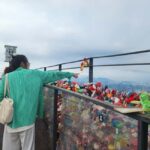
Odusan is described as being about 2 km from North Korea, and it’s typically the closer, more direct-feeling viewing point. The guide will point out what you can realistically make out from where you’re standing. If you’re the type who hates vague sightseeing and wants concrete sightlines, Odusan is often the stop that feels most satisfying.
Dora Observatory
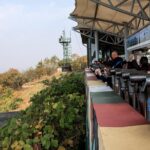
Dora is the northern-most point of the western front and is set up to give a wide view. The tour describes it as letting you see the Gaeseong Industrial Complex and Songhaksan Mountain in a single view. If conditions are good, it can be the more cinematic option. Either way, the key is that your guide doesn’t just announce locations—they connect them back to the war logic and the present-day division.
A real DMZ day: checkpoints, bus time, and what to expect in 6–7 hours
This one catches people who plan too tightly. It’s called a half-day tour, but the total duration is listed as about 6 to 7 hours including traffic. That’s not a deal-breaker; it’s just information you should respect when scheduling the rest of your Seoul day.
You’ll start with a roundtrip transfer from Seoul (and for larger groups of 10+, the agency notes free hotel pick-up). The day includes an ID check before entering the DMZ area. That means you should plan to be ready to move quickly when the group reaches security.



What I’d bring and wear
The tour data asks for moderate physical fitness, and one stop is a tunnel walk. That’s your clue: wear comfortable shoes with good grip. Dress in layers; weather can change quickly and you’ll spend time outdoors for viewpoints and brief landmark stops.
And bring the important document: you need a current valid passport on the day of travel. No passport, no DMZ access.
Expect a strict schedule
The schedule can change due to military training schedule changes and weather. You’re also dealing with a border zone where plans can be adjusted. The good news is the tour is built as a compact, no-fluff experience—short windows at each stop, with the guide keeping the story moving.
Entering the DMZ: the early landmarks that set the stage
Before you get to the big-ticket DMZ sites, you do a guided lead-in. The tour describes a sequence that includes the Bridge of Freedom and the Mangbaedan Altar area, both connected to Korean War history.
This is not just “walk past a statue” time. It’s your orientation. Your guide uses these early stops to frame what you’re about to see: a physical border system that isn’t just political; it’s built into landscapes, movement routes, and memorial spaces.
You’ll also do an ID check before entering the DMZ area. The checkpoints themselves feel like part of the lesson. It’s one of those “you can’t experience this from a screen” moments—because the process makes the border’s reality tangible.
Mangbaedan altar: why it hits differently
Mangbaedan is described as a symbolic altar in Paju where separated families pay tribute to ancestors facing north across the DMZ. Even if you’re not emotional on day one, it tends to land. It’s a reminder that division is not only a military topic; it’s a family topic.
The tour includes Mangbaedan again later in the day as well, with short time windows for reflection and photos.
The Third Tunnel: the stop that turns history into a physical experience
If you want one moment from the day that feels real in your body, it’s the Third Tunnel.
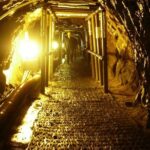
The tour takes you on a walking course into the tunnel, described as one of the most thrilling tunnel experiences and noted as being close to 1.95 meters high and 2.1 meters wide. That height detail matters. You’re not wandering around a museum corridor—you’re moving through a space that forces you to respect scale.
Why the tunnel matters (and what your guide should help you notice)
In many DMZ tours, tunnel time can feel like a quick photo stop. Here, the tunnel is a core part of the “why.” With Eddie-style guides (or any officer with tunnel expertise), you should expect explanation about infiltration tactics, logistics, and what it meant to try to change the map with engineering.
This isn’t scary-horror pacing. It’s more like a guided dose of military engineering reality. You’ll feel how tight the space is, and then your guide gives you the missing context: how such a project fits into the broader conflict and defense logic.
Practical tip: move slowly in the tunnel, watch your step, and be ready for a slightly cramped feel. If you don’t love enclosed spaces, you may want to take that into account, but the tour time here is managed and guided.
Observatory time: turning distance into something you can see
The observatories are where you cash out the “DMZ from Seoul” promise.
Dora Observatory: a wide-angle lesson
At Dora, the tour describes the northern-most point of the western front and a view that may include Gaeseong Industrial Complex and Songhaksan Mountain. The value isn’t just that you might see North Korea territory—it’s that you learn how to interpret what you’re seeing. Your guide helps connect the view to the strategic lines behind it.
If visibility is limited, your guide will still help you understand what’s plausible to make out rather than leaving you with guesswork.
Odusan: closer feeling, direct sightlines
At Odusan, it’s described as the closest point from Seoul where you can clearly view North Korea with your own eyes. Even when conditions are only fair, the closer vantage point can make explanations stick better. Your guide should give you reference points and help you understand how far things are and why the border is positioned where it is.
In both observatories, your time is finite. This is why the “choose the better view” approach is such a big deal—your one job is to look, and the guide’s job is to help you look correctly.
The smaller stops: locomotive at Jangdan Station, Bridge of Freedom, and war symbols
Not every stop is a dramatic headline, but the “in-between” landmarks can deepen the story.
One included stop is the Steam Locomotive at Jangdan Station of the Gyeongui Line. It’s described as destroyed by U.S. forces in 1950 to block the Chinese advance while transporting UN supplies northward. The locomotive is now a lasting symbol of war and division, and it’s a reminder that conflict didn’t only happen in battlefields—it disrupted transport and supply routes too.
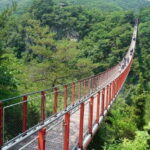
Then you also get stops tied to the Bridge of Freedom. Like Mangbaedan, Bridge of Freedom is symbolic. It’s the kind of place where you can photograph the structure, but you really need your guide’s explanation to understand what it represented and why it remains emotionally charged.
These short stops can feel quick, but they help fill in the “human why” behind the military map.
Price and value: what $45 really buys you in real time
At $45 per person, this isn’t a bargain tour where you get rushed and forgotten. The value comes from the specific mix:
- Licensed professional guide with retired military leadership
- Roundtrip transfer from Seoul
- Admission fees to the DMZ sites included
- At least one observatory selected for the day’s conditions (Odusan or Dora)
Also, the description says it skips fluff and shopping stops. That matters because many “DMZ lite” days burn time where you get nothing you can’t read later on your phone.
Yes, there’s no lunch included. That’s the tradeoff. You’ll either bring snacks when allowed or plan your meal timing around the strict schedule. If you need a proper sit-down lunch, you may have to solve that on your own schedule before or after the tour.
Best fit: who should go, and who should plan differently
This is a great match if you:
- Want officer-led context instead of generic DMZ facts
- Like structured sightseeing that still allows solid Q&A
- Can handle a full half-day frame that actually runs 6–7 hours
- Are comfortable with a tunnel walk and moderate activity
You might plan differently if you:
- Are traveling on a very tight schedule and can’t spare the bus time
- Have strong discomfort with enclosed spaces (the Third Tunnel involves close quarters)
- Get easily stressed by checkpoints and strict timing
Guides like SJ, Eddie, Julie, Dylan, and Jay have been described as funny, engaging, and good at answering questions. That’s exactly what helps this kind of tour feel human instead of heavy.
Should you book this PLK Travel DMZ tour from Seoul?
Yes, if your priority is a DMZ day with real officer storytelling and the best chance at a clear view through an observatory choice made on the spot. The tunnel stop and the way they structure time make it feel efficient, not cheap.
I’d book it especially if you’re the type who wants to understand what you’re looking at—because your guide’s job here is to connect the view, the memorials, and the tunnel into one coherent story. Just go in ready for the full 6–7 hours, bring your passport, wear sturdy shoes, and plan to handle food yourself since lunch isn’t included.
FAQ
How long is the DMZ tour?
The total duration is listed as about 6 to 7 hours, including traffic time on the bus.
Is lunch included?
No. Lunch is not included.
What does the tour include for admission and entry?
Admission fees to the DMZ are included, and the tour includes ID check before entering the DMZ area.
Which observatory will I visit: Odusan or Dora?
You’ll visit one observatory based on the day’s best visibility: Odusan Unification Observation Deck or Dora Observatory.
Do I need a passport?
Yes. A current valid passport is required on the day of travel.
Is the tour private?
Yes. The experience is described as private, meaning only your group participates.
Is there pickup from Seoul?
There is roundtrip transfer from Seoul. For groups of 10+, free hotel pick-up is included.
What if weather is poor or visibility is bad?
The experience requires good weather, and if it’s canceled due to poor weather, you’ll be offered a different date or a full refund. The tour also notes that schedule and details can change due to weather and training schedules.
Is there a minimum number of travelers?
Yes. The tour requires a minimum number of guests to proceed, and if it doesn’t meet that minimum it will be offered on a different date/experience or refunded.