REVIEW · SEOUL
DMZ Tour: 3rd Tunnel, Option(Suspension Bridge, Boat) from Seoul
Book on Viator →Operated by PLK TRAVEL · Bookable on Viator
A border day with real history. This DMZ tour strings together Bridge of Freedom, Mangbaedan Altar, the 3rd Tunnel, and Dora Observatory, with an easy rhythm and plenty of time to look. I like the licensed guide style here (clear storytelling, lots of answering), and I also like the simple value: round-trip transfers from Seoul with DMZ admission bundled in. One drawback to flag: the Third Tunnel walk and its stairs can be tough if you have limited stamina or trouble with steep, enclosed spaces.
Your day starts with ID checks and war-era landmarks, then shifts from dramatic viewing points to something more physical. You’ll see North Korea from the Dora Observatory viewpoint, then get a rare human slice of the border area at Unification Village (Tongilchon-gil). After that, you choose your finish: a suspension bridge walk near Mt. Gamaksan or Lake Majang, or a slower Imjin River boat ride.
Before you go, sort your passport and expect schedule shifts. A valid passport is required, and Mondays swap the tunnel stop to the 2nd Tunnel instead of the 3rd. If weather or military training schedules change, the timing can adjust too, so pack your patience along with your warm layers.
In This Review
- Key highlights
- Getting from Seoul to the DMZ: private bus, mobile ticket, and a long day
- War markers first: Bridge of Freedom and Mangbaedan Altar
- The star stop: walking into the 3rd Tunnel (then climbing back out)
- Dora Observatory and Tongilchon-gil: North views plus everyday border life
- Your choice of scenic finish: Gamaksan Chulleong suspension bridge hike
- Lake Majang Bridge or the Imjin River boat ride: two calmer ways to end
- Lake Majang Bridge
- Imjin River boat ride
- Peace Park and getting back to Seoul: what stays with you
- Price and value at $35: what’s included and what you must plan
- Should you book this DMZ tour with the 3rd Tunnel option?
- FAQ
- What’s the duration of the DMZ tour?
- Where do I meet the guide in Seoul?
- Is a passport required?
- What’s included in the tour price?
- Which options are available after the main DMZ stops?
- What happens on Mondays?
- What if weather is poor or the schedule changes?
Key highlights
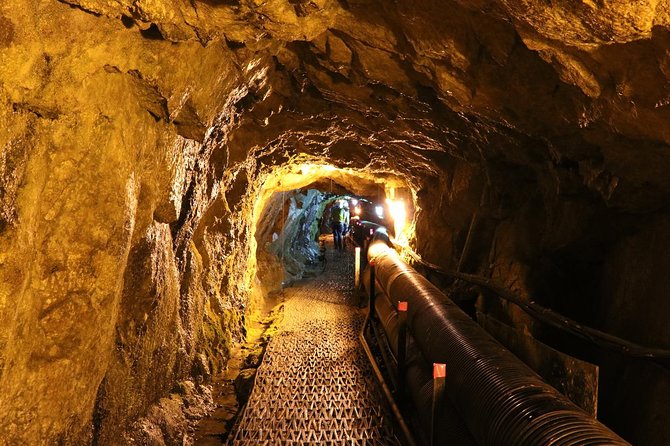
- 3rd Tunnel walking access with specific low-ceiling conditions and a real effort climb back out
- Round-trip transfers from Seoul plus a private air-conditioned bus for the long haul
- Dora Observatory for panoramic views into the North’s direction, including Gaeseong Industrial Complex and Songhaksan Mountain
- Choose your add-on: Gamaksan Chulleong Bridge hike, Lake Majang Bridge, or an Imjin River boat ride
- No forced shopping stops and plenty of guided commentary to make the DMZ make sense
Getting from Seoul to the DMZ: private bus, mobile ticket, and a long day
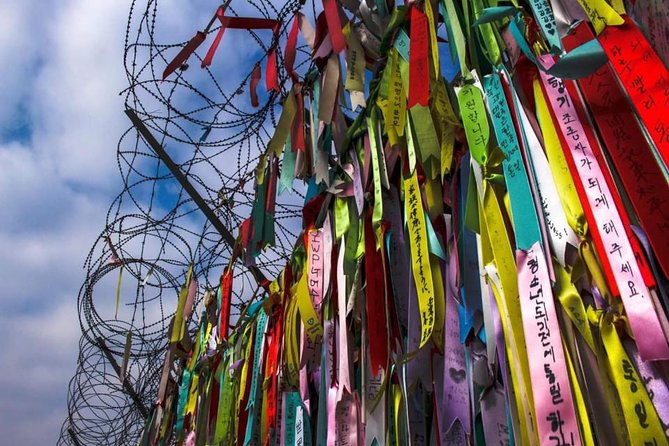
This tour runs about 6 to 9 hours, which is a big chunk of your day, but it’s structured. You start by making your own way to one of three designated meeting points in Seoul, then the day is paced with guide-led stops and bus time.
The comfort factor is solid: round-trip transfers are included, and you ride in a private, air-conditioned bus. The group size is capped at 43 travelers, so it usually feels more controlled than the huge-departure chaos you sometimes see on big day trips. And yes, it uses a mobile ticket, so you’re not digging through paper for QR codes.
Do note one timing reality: this is a security-and-schedule type of experience. Traffic, weather, and military training schedule changes can affect the day, so it’s smart to keep your later plans flexible.
You can also read our reviews of more boat tours in Seoul

War markers first: Bridge of Freedom and Mangbaedan Altar
Right when you arrive, you’ll do ID check before you move deeper into the DMZ area. Then the tour builds its story from the outside edges, starting with two key sites: the Bridge of Freedom and the Mangbaedan Altar.
This opening matters because it frames what you’re about to see later. The DMZ can feel like a line on a map until someone explains the Korean War narrative behind the landmarks. Here, the guide gives that context before you get to the more intense stops, including the tunnel walk and the North-facing viewpoint.
Expect this segment to be fairly quick—about 20 minutes—but it’s not just photo time. You’re learning why these spots are treated like symbolic anchors of the conflict.
The star stop: walking into the 3rd Tunnel (then climbing back out)
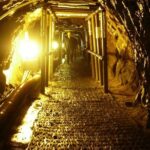
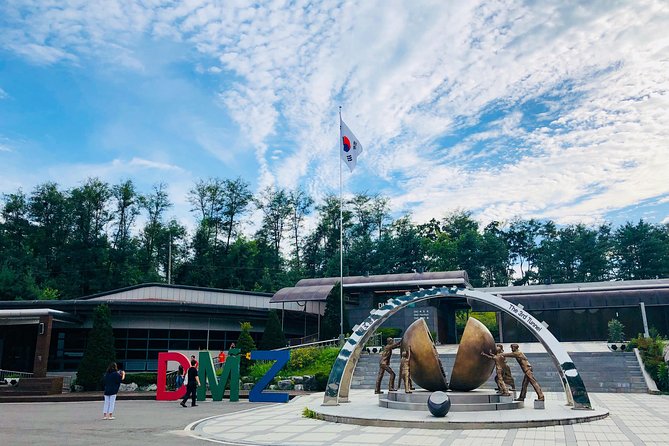
If you only care about one part, make it the Third Tunnel. This is described as the 3rd invasion tunnel, and it’s a walking course where you step into the tunnel itself.
Here’s the practical part you need to respect: it’s around 1.95 meters high and about 2.1 meters wide, and the tunnel is about 1,635 meters (distance is stated, though your time inside will be shorter). That means a low ceiling and a cramped feeling. Even if you’re not claustrophobic, you’ll notice you can’t fully stand upright and you’ll need to keep your head and shoulders in mind.
The other practical note—based on what people struggle with—is the climb back out after. You’ll want moderate physical fitness, not just the ability to walk on flat ground. If you have balance issues, back pain, or get winded climbing, I’d think carefully before choosing the tunnel option.
Still, this is the point where the DMZ turns from theory into body-in-the-space reality. The tunnel gives you a sense of scale and intention that you can’t get from a viewpoint.
Dora Observatory and Tongilchon-gil: North views plus everyday border life
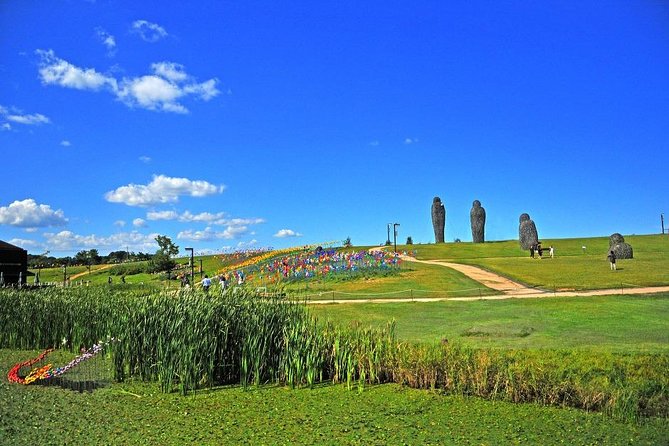
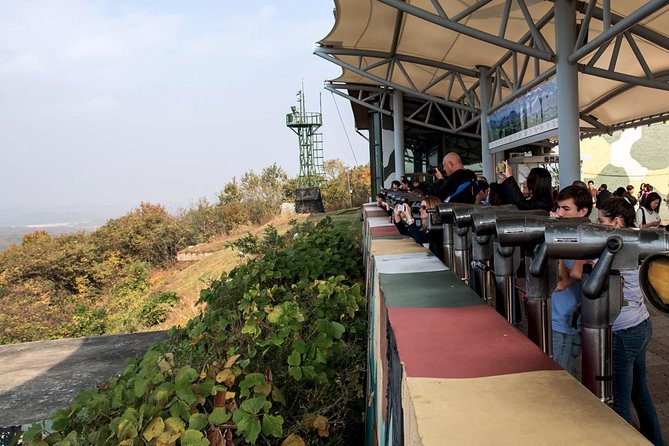
After the tunnel, the tour shifts to a classic DMZ viewing stop: Dora Observatory. This is the northern-most point of the western front, and it gives you panoramic views in the North’s direction.
The most interesting part here is what you can try to spot from one place: the Gaeseong Industrial Complex and Songhaksan Mountain are specifically mentioned as part of the view. It’s not about watching TV footage; it’s about aligning the geography with the stories your guide is telling. Even on a cloudy day, you’ll usually get enough to understand where things sit.
Then you move to Tongilchon-gil (Unification Village), a farming community near the DMZ where South Korean civilians live under special regulations. The stop is about 20 minutes, and it offers something most visitors don’t get: a sense of how normal life continues in a place that’s anything but normal.
Your choice of scenic finish: Gamaksan Chulleong suspension bridge hike
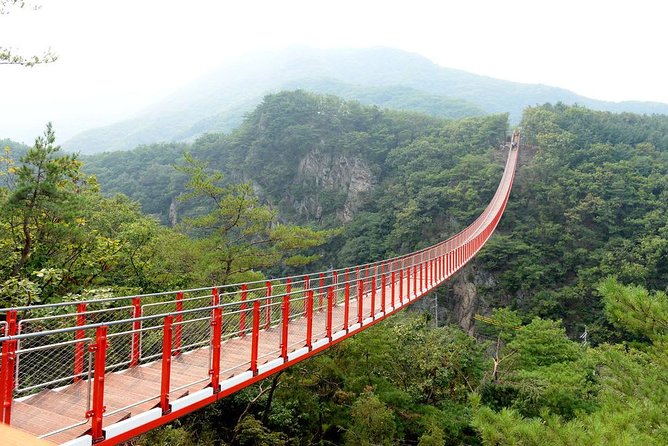
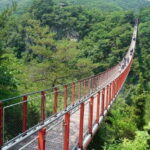
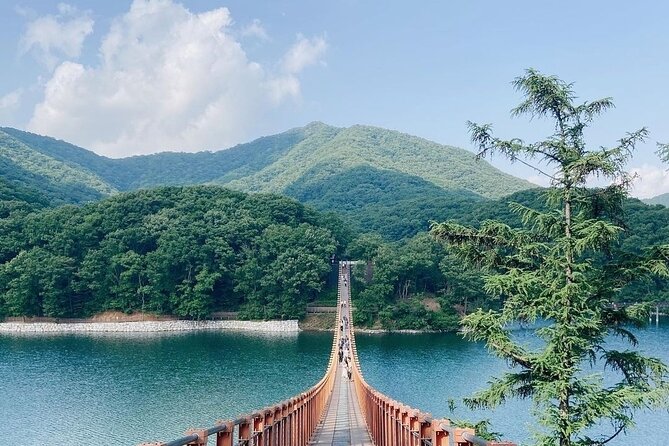
If you want a bit of motion and a scenic reward, pick the Gamaksan Chulleong Suspension Bridge option. This includes a short hiking course with roughly 15 minutes of walking up before you reach the bridge area.
The bridge itself is noted as about 150 meters (500 feet) long. It’s also described as historically significant and used as a fierce battle field in the Korean War era, so the walk isn’t just about views. Your guide’s commentary helps you connect the physical route to the historical references.
Plan for cold or wind if you go in cooler months. Suspension bridges can feel exposed, and the walking-up portion adds a little extra work after the earlier DMZ stops. If you already know you’re tight on stamina, this option may feel easier than the tunnel, but it’s not a true stroll.


Lake Majang Bridge or the Imjin River boat ride: two calmer ways to end
Not everyone wants another hike after the day’s physical demands. Two alternatives let you shift gears.
Lake Majang Bridge
The Lake Majang Bridge option focuses on a historical battle location tied to the Korean War. It’s described as a place where allied forces fought, and many soldiers sacrificed their lives there. You’ll spend about 1 hour, so you get time to slow down, take in the area, and soak up the story behind the scenery.
Imjin River boat ride
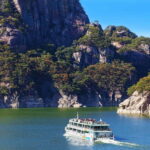
If you’d rather be on water than on foot, choose the Imjin River boat ride. The tour frames this river option as something that was forbidden to access for about the last 50 years after the Korean War, which adds a strong “this is different” feeling to the ride.
This segment is about 40 minutes. It’s a nice counterweight to the tunnel: same theme (the border), different pace (relaxing on a boat). If your legs are tired, this can be the most comfortable way to finish the day.
Peace Park and getting back to Seoul: what stays with you
Toward the end, you’ll return to Seoul, with a final stop at a park constructed for wishing reunification and peace. Even though the DMZ is heavy, this final moment gives the experience a gentler wrap-up.
By the time you’re heading back, the day usually feels like a sequence of emotions: symbolism at the start, intensity in the middle, and then a return to views and human scale. That’s why I like this tour’s structure—it doesn’t dump you into the most intense site right away. It builds up, so you can actually understand what you’re seeing.
If you’re hoping to keep your travel day smooth, it helps that the bus ride can be managed for onward travel, since some passengers are doing quick transfers after the tour. If that’s your plan, it’s worth telling your guide so everyone stays coordinated.
Price and value at $35: what’s included and what you must plan
At $35 per person, this tour can feel like one of the better-priced ways to do the DMZ with real structure. A big part of the value is that DMZ admission fees are included in all options, and you get a licensed professional tour guide plus round-trip transfers from Seoul.
You’re also getting comfort for the journey: private, air-conditioned bus service. And there aren’t forced shopping stops, so you aren’t paying in time for things you didn’t come for.
What’s not included is the simple stuff: lunch. So budget for at least one paid meal during the day, and consider carrying a snack if you tend to get hungry between long segments.
You’ll also want to treat this like a security-day. Bring a current valid passport and expect an ID check early in the process. If you forget it, you’re stuck. That’s non-negotiable here.
Should you book this DMZ tour with the 3rd Tunnel option?
Book it if you want a DMZ day that balances meaning with logistics. The mix of Bridge of Freedom, Mangbaedan Altar, the 3rd Tunnel, and Dora Observatory gives you both story and perspective, and the optional add-ons (bridge hikes or a boat ride) let you match the day to your energy level.
Be careful before booking if you know you struggle with steep climbing, tight enclosed spaces, or you’re limited in mobility. The tunnel conditions—low ceiling height and the physical effort of getting through and then out—are the main thing that can turn a great day into a painful one.
If you’re a history-minded traveler, or you want your first DMZ tour to feel organized and guided rather than rushed, this is a strong choice. It’s not just a drive-by. It’s a guided route through the Korean War geography, ending with a quieter reminder of peace and reunification.
FAQ
What’s the duration of the DMZ tour?
The tour runs about 6 to 9 hours.
Where do I meet the guide in Seoul?
You’ll need to make your own way to one of the three designated meeting points in Seoul to meet your guide.
Is a passport required?
Yes, you need a current valid passport on the day of travel.
What’s included in the tour price?
The tour includes a licensed professional tour guide, round-trip transfers from Seoul, DMZ admission fees, and the DMZ admission fees are included across all options.
Which options are available after the main DMZ stops?
You can choose an added stop for the extension: the Gamaksan Chulleong suspension bridge walk, the Lake Majang bridge, or a boat ride along the Imjin River.
What happens on Mondays?
On Mondays, this tour visits the 2nd Tunnel instead of the 3rd Tunnel.
What if weather is poor or the schedule changes?
The experience requires good weather. If it’s canceled due to poor weather, you’ll be offered a different date or a full refund. Schedules can also change due to unexpected situations including military training schedule changes and traffic.