REVIEW · SEOUL
Gangnam Walking Tour on Youth and Society in Seoul Korea
Book on Viator →Operated by SeoulDude's Walking tours · Bookable on Viator
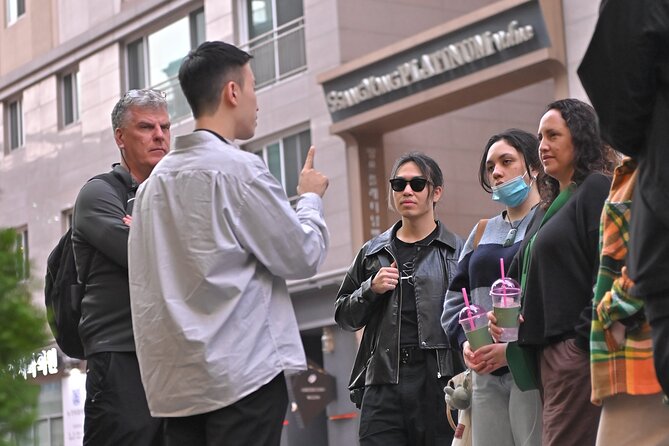
Gangnam can feel like a glossy magazine, until you hear the real stories. This 2.5-hour walking tour uses everyday spots in Gangnam to explain how young South Koreans handle big societal pressure. You get a local-style route, small group energy, and real-world topics most sightseeing glosses over.
I love the small-group cap (15 max). It keeps the pace walkable and makes the Q-and-A part actually useful, not awkward. I also like that the route stays practical: you move from major landmarks like Gangnam Station area straight into the neighborhood textures behind beauty, education, and dating culture.
One thing to consider: this tour talks about heavier themes like suicide and social pressure. If you only want classic postcard Seoul, this may feel too serious for your mood, even though the guide keeps it engaging.
In This Review
- Key highlights worth your time
- Gangnam’s youth pressure story, told on foot
- Price and logistics: what $31.98 gets you
- Meeting point to finish: your route and timing
- Stop 1: 강남역사거리 and the housing-development tension
- Stop 2: 호텔시애틀 and the love-hotel reality
- Stop 3: Gangnam Daeseong Cram School and exam pressure
- Stop 4: Sinsa-dong and the plastic-surgery culture
- Stop 5: Hangang Park Playground and development vs. despair
- Guides matter: Jessica and June’s storytelling style
- How much walking is involved, and how to prepare
- Who should book this Gangnam Youth & Society walk
- Should you book this tour?
- FAQ
- How long is the Gangnam Walking Tour on Youth and Society?
- What does the tour cost and is it free at the stops?
- How big is the group?
- Do I need to pay for transportation during the tour?
- Where do I meet and where does it end?
- Is the tour weather dependent?
Key highlights worth your time
- Small group (15 max): You can ask questions and keep your bearings as the story builds.
- A youth-and-society focus: Beauty industry, cram schools, dating/love-motel culture, and more.
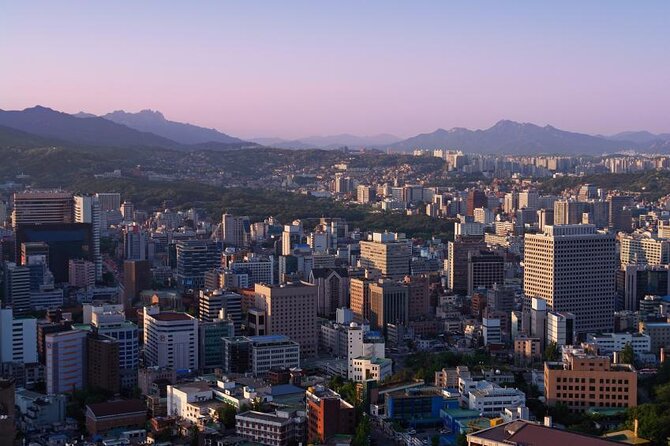
- Real Gangnam stops, not just landmarks: You’ll walk through the areas tied to the topics.
- Five themed segments with free on-site time: Each stop has a clear connection to what you’re learning.
- Guides like Jessica or June bring the context: English-friendly storytelling that links modern life to Seoul’s development.
- Ends at Han River Park (near Apgujeong Station): A clear finish line with a scenic decompression moment.
Gangnam’s youth pressure story, told on foot

Gangnam is the Seoul you’ve seen in dramas and music videos. But this tour treats it like a map of social pressures, not a photo set.
You start with the idea that economic success comes with rules: score well in school, manage your appearance, navigate dating, and think about housing and future stability. Then the guide shows you how those rules show up in the street-level reality around you.
This is the kind of tour where the walking matters. You’re not just hearing facts in a classroom; you’re watching how the city is built to support certain ambitions—and how it can also crush people.
You can also read our reviews of more walking tours in Seoul


Price and logistics: what $31.98 gets you
At $31.98 per person for about 2 hours 30 minutes, this sits in the “good value” zone for a guided, theme-based walking experience in Seoul. The big reason: you’re paying for explanation and context, not museum entry fees. Most stops are free to visit as you’re there with the guide.
A second value point: the group size is capped at 15. For short city walks, that cap changes everything. You’re less likely to get lost in a crowd, and you’re more likely to get your question answered.
Budget note: transportation isn’t included. You’ll use the subway once, and that costs 1,800 won. Plan on one transit payment during the tour and you’ll be fine.
Meeting point to finish: your route and timing
Start time is 10:30 am. You meet at 820-10 Yeoksam-dong, Gangnam District. The tour finishes near Apgujeong Station Exit 4, with the walk ending at Han River Park.
The itinerary is built as a sequence of short stops, usually around 10–20 minutes each. That means you’re constantly adjusting—listening while you walk, then pausing to connect what you’re seeing to the theme of youth and society.
Because it ends at the Han River, you also get a clean mental reset. After topics like education pressure and mental health, having open space at the end is a nice counterweight.
Stop 1: 강남역사거리 and the housing-development tension
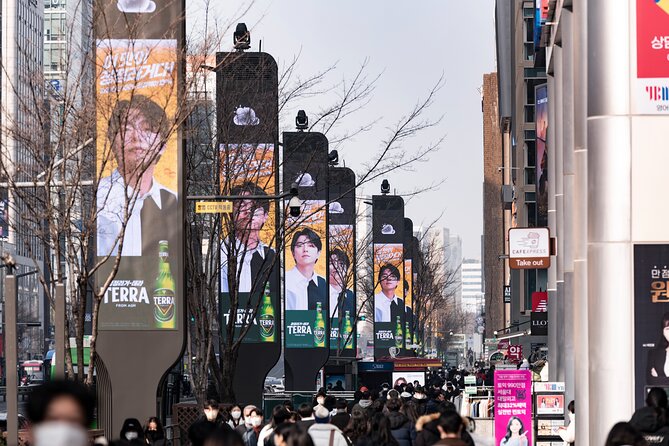
Your first stop is 강남역사거리 (Gangnam Station area). This is the kind of place that feels like Seoul’s engine: intense development, high value real estate, and lots of movement.
The guide frames Gangnam as an example of how the country’s economic achievements reshaped daily life. From here, the story turns toward housing problems and development history, linking prosperity to stress—especially for younger people trying to plan a future.
What makes this stop useful is the groundwork. If you understand how the area grew and why it became so desirable, the later topics (education, appearance, dating) land with more meaning.
A practical drawback: because this area is a major hub, it can feel busy. If you’re sensitive to crowds, wear comfortable shoes and be ready to focus on the guide’s pace.
Stop 2: 호텔시애틀 and the love-hotel reality
Next up is 호텔시애틀, described as a love hotel district. This is where the tour shifts from development to relationship culture.
Instead of treating love motels as a novelty, the guide uses the location to talk about how dating, privacy, and social expectations can collide. It’s a more realistic look than you’ll get from typical Seoul entertainment spots.
This stop is also important because it shows the tour’s tone: the guide isn’t only telling you what exists. She’s explaining the social pressures underneath it—how young people navigate romance in a culture with strong norms.
If you’re uncomfortable with sexual-health-adjacent or relationship-content topics, flag that for yourself in advance. You don’t have to tune everything out, but you should know the tour goes there.


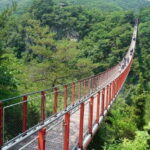


Stop 3: Gangnam Daeseong Cram School and exam pressure
The tour heads to Gangnam Daeseong Cram School, one of the famous private education institutes referenced in the route. Here, the guide connects the idea of cram schools to education culture and birthrate-related pressures.
This stop works because it ties the school system to long-term life decisions. When education is treated like the main ladder, it affects everything else: money, stress levels, and even how people think about marriage and children.
You’ll also get a sense of how Gangnam’s identity as a success district feeds the competition. The guide tends to explain the logic behind the pressure, not just label it.
One thing to keep in mind: this is not a “how to study in Korea” tour. It’s about what the system does to young people.
Stop 4: Sinsa-dong and the plastic-surgery culture

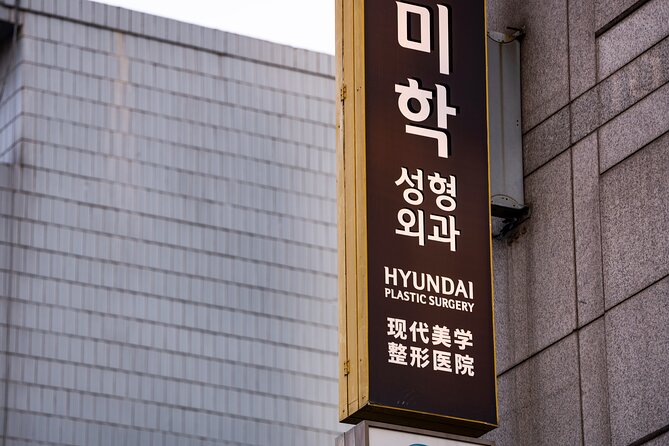
At Sinsa-dong (Gangnam-gu), the focus turns to plastic surgery and appearance culture. This area is described as a top region for plastic surgeries, and the guide uses it to discuss beauty industry pressures and lookism (judging people by how they look).
If you’re a fan of Korean pop culture, you’ll probably recognize the themes. The difference here is the framing: you’re not only watching the result. You’re hearing what pushes people toward the result—and how society treats appearance as a kind of social currency.
This stop can be emotionally intense, but it’s also one of the most “understand-the-country” parts of the walk. It puts visuals from the media into a social context that explains why the obsession exists.
Quick tip for your comfort: if you already know you’re sensitive to body-image topics, pace yourself. You can still enjoy the explanation, but don’t let it stack up with everything else.
Stop 5: Hangang Park Playground and development vs. despair
The last stop is Hangang Park Playground by the Han River. The tour frames the area as representing development and suicide, and the guide shares histories and social context connected to that theme.
This is the tour’s emotional close. After walking through education competition and appearance pressure, the story turns toward what can happen when stress becomes unbearable.
You may feel the contrast here: water, open space, and everyday life around a topic that is hard to talk about. That contrast is part of the tour’s point—modern Seoul can look shiny while carrying serious human struggles.
If you’re visiting with anyone who prefers light topics only, this ending might be the moment where you decide together whether to continue listening or simply take in the river air for a minute.
Guides matter: Jessica and June’s storytelling style
Two guide names come up again and again: Jessica and June. Whoever you get, the core style seems consistent—lots of structure, clear explanations, and a willingness to handle tough questions.
From what you’re told on the walk, the guides connect themes across stops. For example, the education story doesn’t stay in school. It links to birth rates and future planning. The beauty story doesn’t stay on clinics. It connects to dating, social judgment, and identity.
A major praise point is how the guide makes room for questions. That matters because youth culture is full of assumptions from outside Korea. When you ask directly, you get context instead of stereotypes.
Another practical plus: the tour can adapt if the weather turns. One account describes rainy conditions and the guide modifying the walk while keeping the key information. So if Seoul weather is doing Seoul weather things, you’re likely not stuck in a disaster schedule.
How much walking is involved, and how to prepare
This is a walking tour with multiple short stops. Expect steady walking between areas and time spent standing and listening at each location.
For comfort:
- wear shoes you can trust for a 2.5-hour walk
- bring a light layer (Seoul weather swings)
- if rain looks likely, pack a compact umbrella
Also, mentally prepare for tone. The tour is not shy about serious topics. If you want a “read on history” kind of experience, you’ll probably love it. If you want only scenic photos and gentle facts, you might feel the heaviness.
Who should book this Gangnam Youth & Society walk
This is a great fit if you:
- want more than tourist Seoul and like learning how systems shape daily life
- enjoy neighborhood-based stories tied to specific places
- care about understanding modern Korea through youth pressure topics like education, beauty culture, dating, and mental health
It’s also a good choice if you like small-group tours and hate being rushed through with 40 people.
You may want to skip it if:
- you only want classical attractions and signature sights
- you’re not comfortable with discussions that include suicide or intense body-image pressure
- you expect “unique sights” as the main show. The emphasis here is explanation tied to ordinary streets and specific venues.
Should you book this tour?
If your goal is to understand Korea beyond the highlights, I think this tour is worth serious consideration. The $31.98 price feels fair for a 2.5-hour guided explanation with a small group, and the route through Gangnam supports the themes better than a lecture ever could.
Book it if you want the honest side of Seoul with a local perspective, guided by Jessica or June, and you like the idea of ending at Han River Park with a clearer picture of what young people are carrying.
Skip it if you want a light, glossy Seoul day. This one has shadows in the story—and that’s exactly why it works.
FAQ
How long is the Gangnam Walking Tour on Youth and Society?
The tour is listed at about 2 hours 30 minutes.
What does the tour cost and is it free at the stops?
The price is $31.98 per person. Each stop on the route notes free admission ticket time.
How big is the group?
The tour has a maximum group size of 15 travelers.
Do I need to pay for transportation during the tour?
Yes. The tour notes a 1,800 won subway cost for one time during the experience.
Where do I meet and where does it end?
Meet at 820-10 Yeoksam-dong, Gangnam District, Seoul. The tour ends near Apgujeong Station Exit 4, finishing at Han River Park.
Is the tour weather dependent?
Yes. It requires good weather, and if it’s canceled due to poor weather, you’ll be offered a different date or a full refund.