REVIEW · SEOUL
Seoul: DMZ Tour with Optional Suspension Bridge
Book on GetYourGuide →Operated by I LOVE SEOUL TOUR Co., Ltd. · Bookable on GetYourGuide
History feels close at the DMZ. This Seoul-area day trip takes you to the border buffer zone, the sights around Imjingak, and the view from Mount Dora, where you can see into the Korean peninsula from the most controlled distance possible.
I really like two parts of this tour. First, the 3rd Infiltration Tunnel makes the Korean War feel physical, not just theoretical. Second, Dora Observatory is all about the payoff: wide sightlines, border villages in the distance, and a clear sense of scale across the DMZ’s 4-kilometer buffer.
One consideration: this is a full, structured day with rules and walking. The tunnel involves steep sections and time on foot, and you should also plan for weather shifts and possible military-related changes that can affect what you see.
In This Review
- Key things that make this DMZ trip worth your time
- DMZ Day Trip From Seoul: what this tour really delivers
- Imjingak Park and the Bridge of Freedom: where the day turns emotional
- DMZ Theater and Exhibition Hall: learning the story before you go underground
- The 3rd Infiltration Tunnel: the walk that makes history feel real
- Dora Observatory on Mount Dora: the view that explains the buffer zone
- Unification Village: the peace-and-reconciliation stop with real shopping time
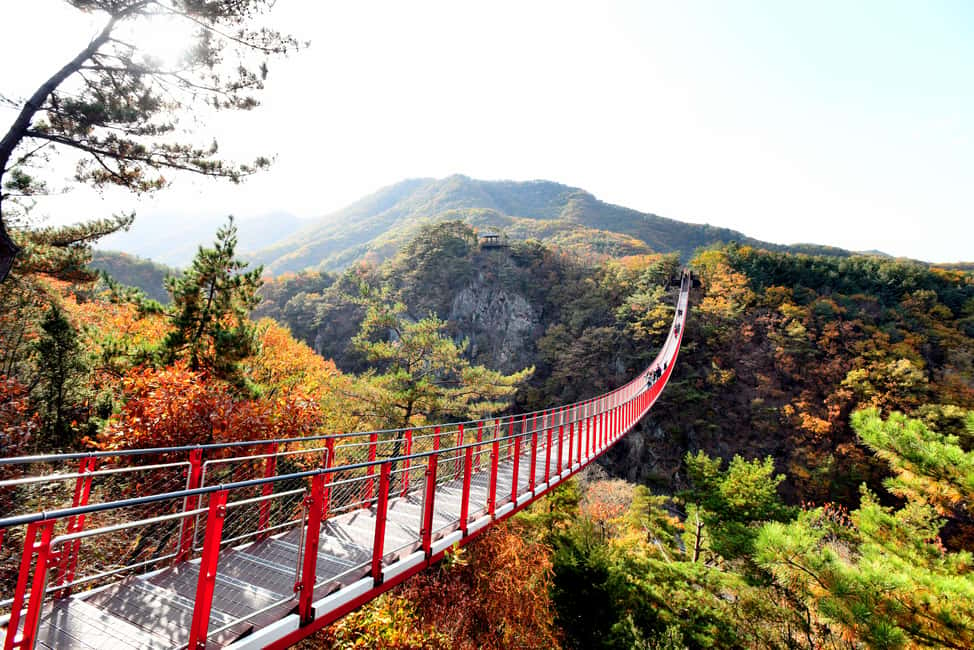
- Optional Gamaksan Suspension Bridge: the hike that adds photo angles
- Where the day runs on time: buses, checkpoints, and pacing
- Price and value: does $45 make sense for what you see
- Who should book this DMZ tour (and who should skip it)
- Quick packing and rule reminders for a smooth, stress-free day
- Should you book the Seoul DMZ tour with optional suspension bridge?
- FAQ
- What passport do I need for the DMZ tour?
- Does this tour include the JSA (Panmunjom)?
- How long is the DMZ tour from Seoul?
- What days does the DMZ portion run?
- Is food included in the price?
- How difficult is the 3rd tunnel, especially for kids or seniors?
Key things that make this DMZ trip worth your time
- Imjingak Park and Bridge of Freedom: a calm, emotional start built around family separation and reunification hopes.
- English-led, licensed guiding: you’ll get clear context through the conflict, not just stop-and-snap explanations.
- 3rd Tunnel of Aggression: a rare chance to experience the route North Korea dug underground.
- Dora Observatory views: a controlled, high vantage point over the DMZ and key border areas.
- Unification Village shopping: small, human-scale moments focused on peace and reconciliation.
- Optional Gamaksan Suspension Bridge: add a hike and get photo angles you can’t get anywhere else.
DMZ Day Trip From Seoul: what this tour really delivers
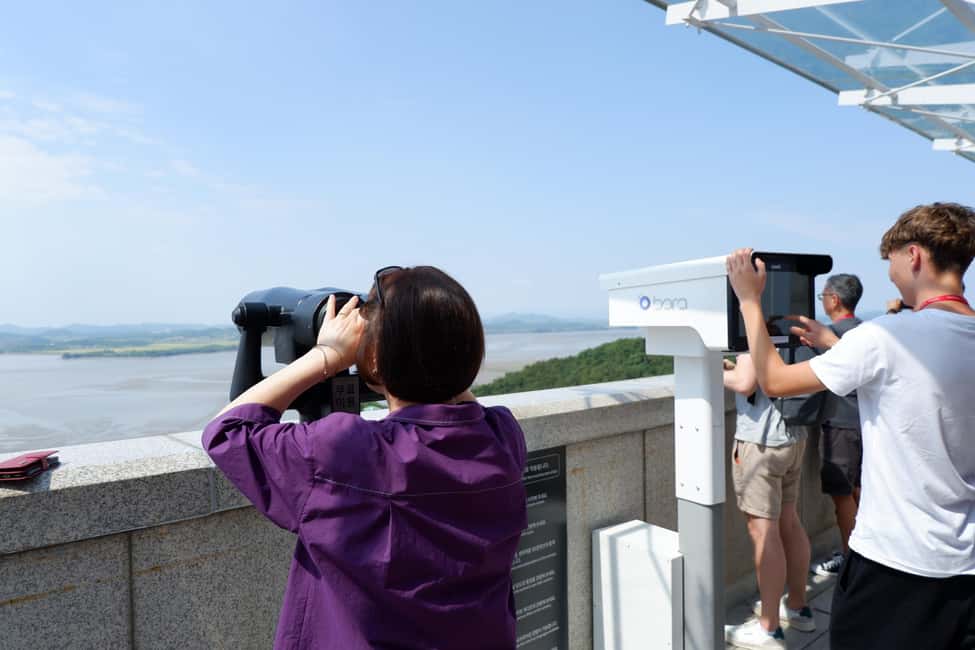
A good DMZ tour does two jobs at once. It gives you the big-picture story (the Korean War armistice and why the peninsula stayed divided), and it gives you real-world geography—what that separation looks like when you stand near it.
This one is built around exactly that. You move from memorial sites at Imjingak, to the DMZ exhibition storytelling, to the 3rd infiltration tunnel, and then up to Dora Observatory for the best permitted views. If you choose the suspension bridge option, you add Gamaksan Suspension Bridge for extra scenery and a little physical effort.
The tone is also important. Your guide is licensed and provides English commentary, and many guides bring in personal family stories and humor to keep the day human, not robotic. Names that show up often in English-speaking groups include Winnie, Kenny, Henry, Sophie, Grace, and Sue, and the common thread is that instructions are clear and pacing stays organized.
You can also read our reviews of more tours and experiences in Seoul.
Imjingak Park and the Bridge of Freedom: where the day turns emotional
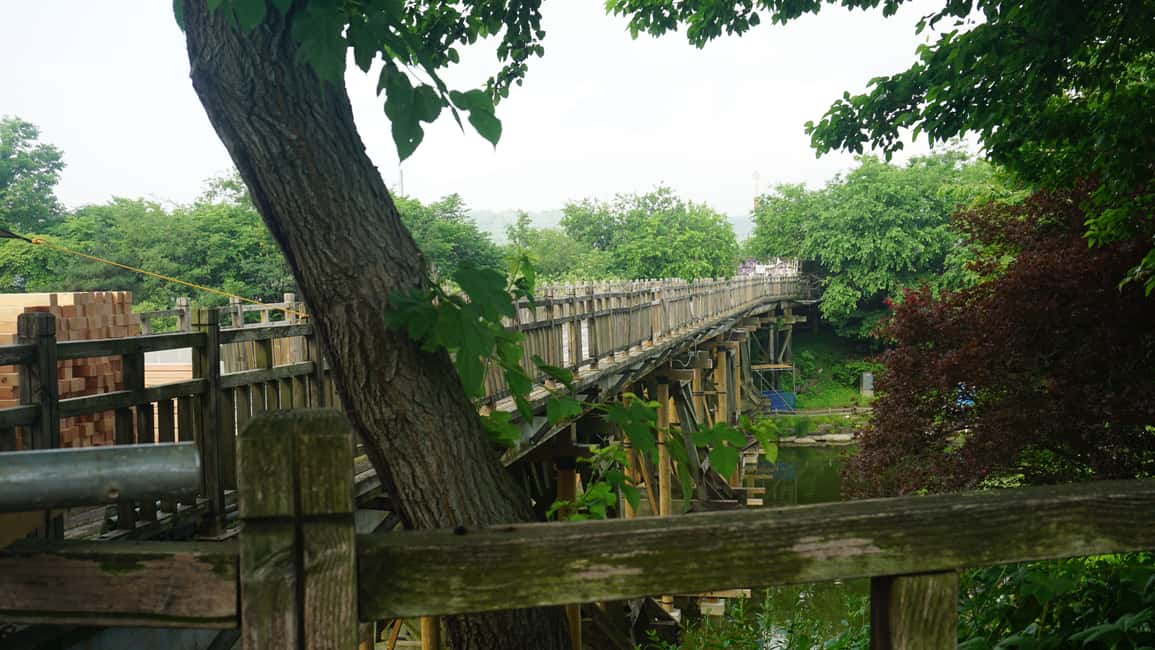
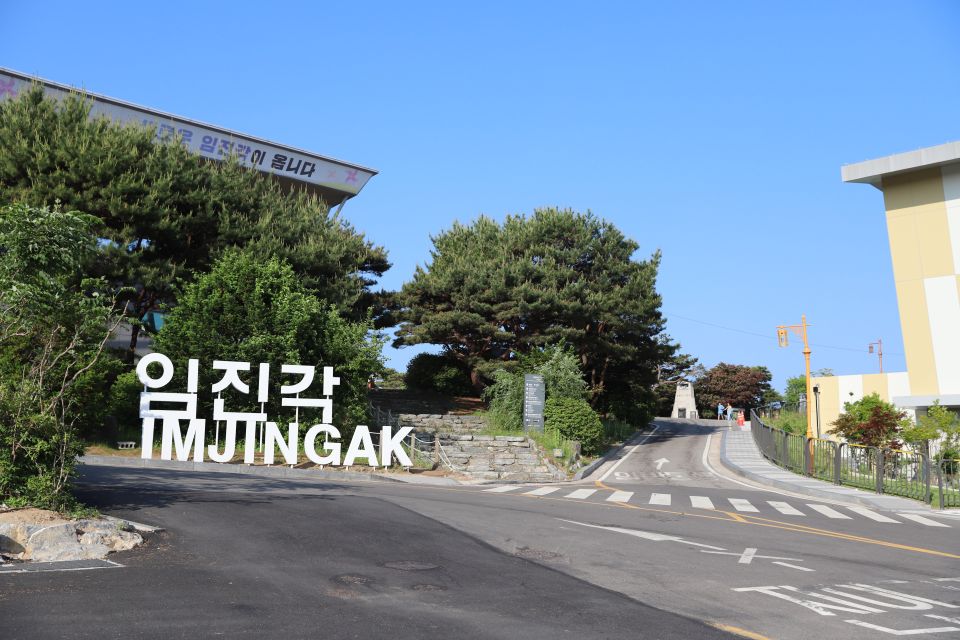
You start at Imjingak Park, a place that fits in your head in a hurry. It’s not only about the DMZ as a military line—it’s about families who were separated and the long wish for reunification.
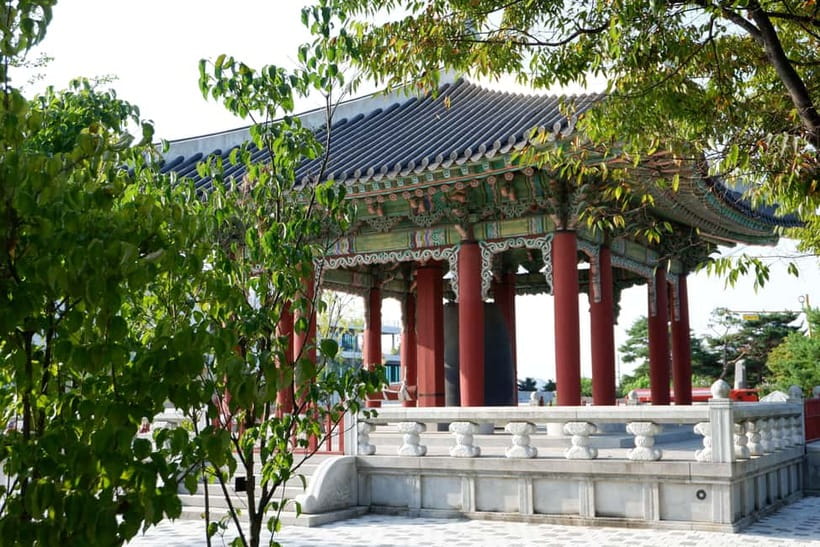
From there you visit the Bridge of Freedom, guided for about 30 minutes. The point of the stop is symbolism: it represents hope for separated families and the long-running desire to reunite. Even if you know the basics already, this stop helps you understand why the DMZ is more than a tourist attraction.
The practical note: you’ll be on your feet early in the day, and you’ll want comfortable shoes from the start. If you come in wearing flip-flops or heels, the tour recommends you skip that choice.
DMZ Theater and Exhibition Hall: learning the story before you go underground
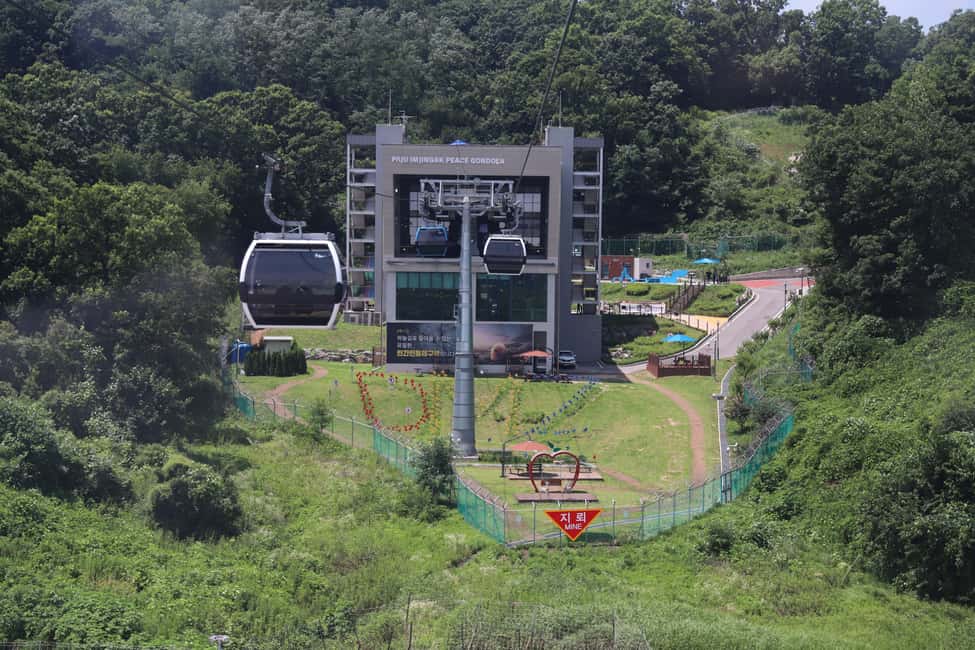
After Imjingak and the Freedom Bridge, the tour shifts into explanation mode. You’ll head to the DMZ Theater for a short video presentation and then to the DMZ Exhibition Hall for deeper context about the Korean conflict and ongoing tensions.
This part matters because the tunnel and observatory can otherwise feel like just “cool sights.” The theater and hall help you connect what you see to why the DMZ is arranged the way it is—buffer zones, restricted access, and the logic of infiltration routes.
The exhibition hall also gives you context for what happens next: the controlled descent into the 3rd infiltration tunnel. If you’re the type who likes clear timelines and cause-and-effect, this is where the day starts clicking.
The 3rd Infiltration Tunnel: the walk that makes history feel real
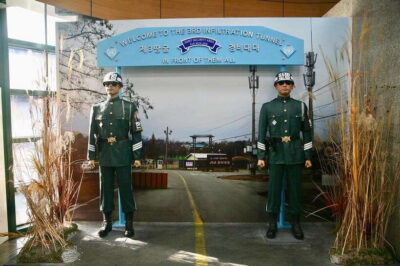
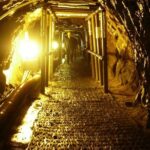
The highlight for many people is the descent into the 3rd Infiltration Tunnel, also referred to as the Tunnel of Aggression. North Korea dug this covert underground passage, and it’s now open to public viewing under strict management.
Plan for a steep, real-foot walking experience. The tunnel visit includes a guided component, and the information provided says the tunnel involves a steep slope and 30–40 minutes for a round trip on foot. If you’re traveling with kids or if you have limited mobility, you may be able to wait in front of the tunnel, rather than doing the full round-trip walk.
Here’s the practical value: being underground changes how you understand scale and intent. The tunnel forces you to imagine supply lines, logistics, and movement in a way photos can’t. That’s why this stop keeps showing up as the most talked-about moment in groups.
Also, bring a calm mindset. You’ll get told where to go and what to do, and there are multiple checkpoints in the broader DMZ process. The best results come from following instructions without rushing.
Dora Observatory on Mount Dora: the view that explains the buffer zone
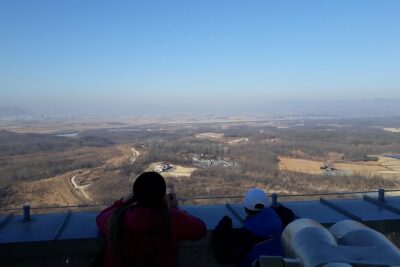
Next comes the Dora Observatory at Mount Dora, where the DMZ shifts from “story” to “geography.” From this vantage point, you get sweeping views across the Demilitarized Zone and can spot glimpses of North Korean territory and border villages from the permitted areas.
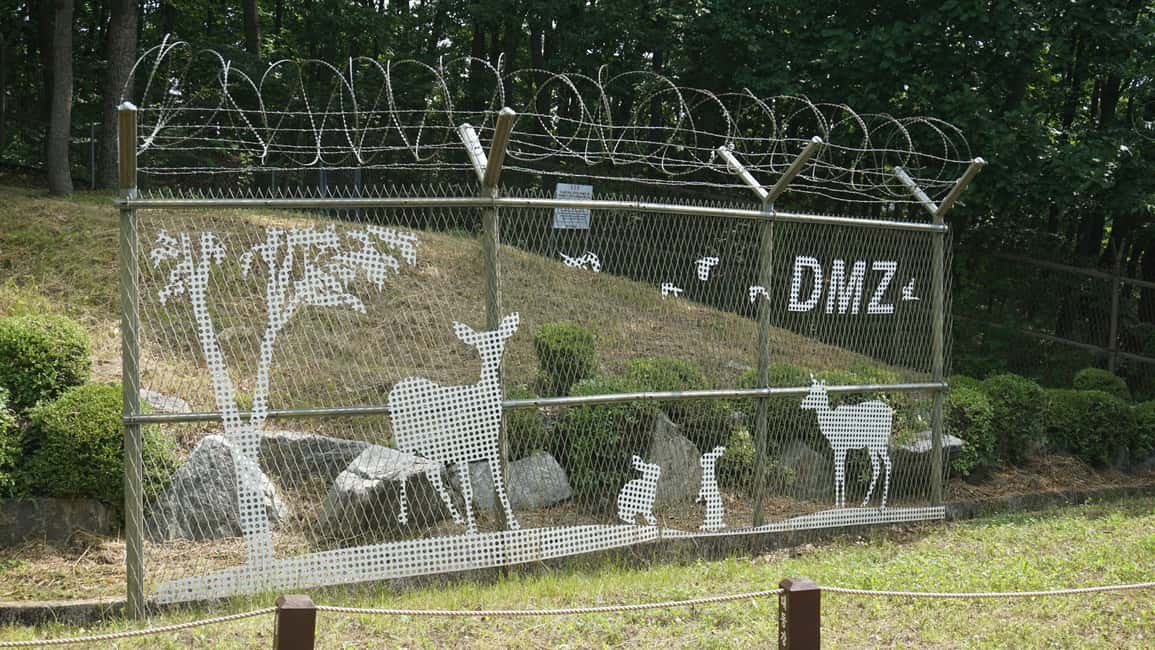
The tour guide explains what you’re seeing as you stand there, including the fact that the DMZ is a 4-kilometer-wide buffer zone created after the 1953 armistice. That detail is more than trivia. When you see the separation visually, it stops being an abstract line on a map.
Your guided time here is about an hour. If weather is foggy or rainy, visibility can be limited, so consider this your reminder to dress for changing conditions. When the day is clear, your photos tend to look better and the whole observatory stop feels more meaningful.

Unification Village: the peace-and-reconciliation stop with real shopping time
After the big view, you go to Unification Village, a nearby farming community close to the border area. This stop is lighter in tone, but it’s not random.
The idea here is practical and symbolic at the same time. You can shop for locally made products, pick up symbolic souvenirs, and in some cases you might even find North Korean goods, reflecting themes of peace and reconciliation.
The guided time is about 30 minutes. That’s enough to browse without making it feel like a shopping-only detour. I like this stop because it reminds you the DMZ is made of people’s lives, not only soldiers and borders.
Optional Gamaksan Suspension Bridge: the hike that adds photo angles
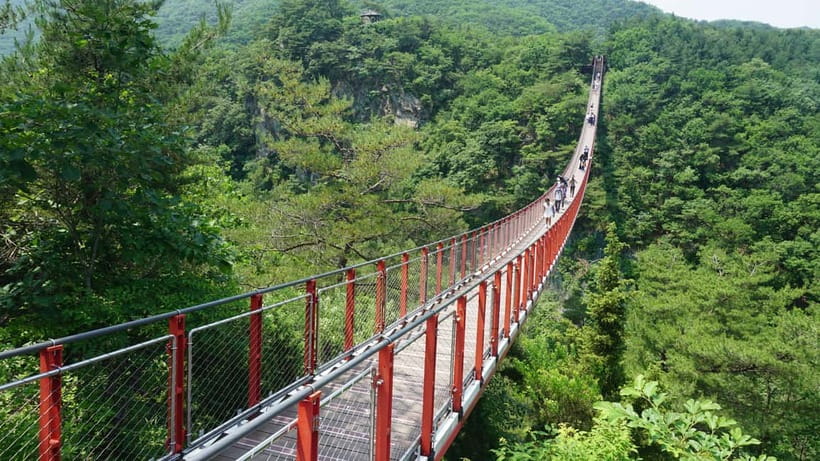
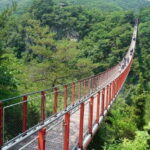
If you pick the option with the suspension bridge, you add Gamaksan Suspension Bridge after the Unification Village portion. The tour frames it as connected to a Korean War site tied to a courageous battle involving British troops.
There’s more movement here than people expect. The information says the suspension bridge on Gamak Mountain involves a 40-minute hike, and the guided tour time listed for the bridge stop is about 45 minutes. Wear comfortable shoes and take it steady.
What you’re buying with the extra effort is a different kind of reward. Dora gives you the “through-the-windows” feeling of a controlled view. Gamaksan adds a scenic, open-air angle where your photos aren’t limited to looking out from a single structure.
If you’re sensitive to steep sections or have endurance limits, this is the part to think about. Your safest plan is to choose the non-bridge option if you want to minimize walking.
Where the day runs on time: buses, checkpoints, and pacing
This is a 7–9 hour outing, and most of that is real travel and guided time at stops. You’ll take a bus or coach (about 1 hour each way), plus multiple guided segments throughout the day.
A key detail: arrival times in Seoul can vary due to traffic and the group size. Also, the DMZ is operated by the military, so the trip may be canceled without prior notice. If that happens, the information says there may be no refund, and the itinerary can shift to alternatives such as Imjingak, Art Space BEAT 131, Odusan Unification Observatory, and the War Memorial of Korea.
That sounds heavy, but it’s the reality of visiting a controlled zone. I’d treat this as a day of education and flexibility. If the primary route is altered, you still get meaningful context around division, reunification, and war memory.
One more practical point: transfer to the DMZ shuttle bus is required if there are fewer than 30 people in the vehicle, based on government policy. Translation: don’t plan on skipping segments or treating it like a private car-only day.
Price and value: does $45 make sense for what you see
At around $45 per person, this tour is priced like a budget day trip, but it’s not “light” on effort. You’re paying for licensed guiding, admission/entrance fees, and roundtrip shared transfer by air-conditioned bus or minivan, plus hotel pickup if you choose a centrally located pickup area.
For DMZ trips, the biggest value isn’t just getting to the border area. It’s having someone explain the conflict, point out what matters at each site, and keep you moving through a system with multiple security steps. That’s why many people rave about guides like Winnie and Kenny for clear English, organization, and storytelling that connects the stops.
Also consider what you’re not paying for. Food and drinks aren’t included, and you won’t be going to the JSA / Panmunjom. So your $45 value is really about the DMZ-area route you’re allowed to do, with a guide and transportation that make it workable from Seoul.
Who should book this DMZ tour (and who should skip it)
This tour is a fit for many people because the stops are guided and time is controlled. English commentary helps, and guides often include personal stories that make the day feel connected to real lives.
It’s also family-friendly in the sense that it’s not a hardcore adventure itinerary. Still, it’s not effortless. The 3rd tunnel involves steep walking and 30–40 minutes of on-foot time, and the Gamaksan suspension bridge option adds a 40-minute hike.
It’s not suitable for people with heart problems, and it isn’t suitable for wheelchair users. If you fall into either category, this tour probably won’t work safely.
If you’re traveling solo, the structure helps. In many groups, guides are patient and helpful with photos, which makes the day easier to enjoy even if you’re not traveling with a partner.
Quick packing and rule reminders for a smooth, stress-free day
Bring your passport. That’s explicitly required for entry into the DMZ area.
Dress for walking and for potential weather changes. The tour strongly advises against flip-flops, slippers, or shoes with heels, especially if you’re doing the tunnel and the optional bridge hike.
A few rules matter for the flow of the day: intoxication isn’t allowed, smoking in the vehicle isn’t allowed, and alcohol and drugs aren’t allowed. Unaccompanied minors aren’t allowed either. If you’re trying to keep things simple, just treat it like a formal day of instruction and follow the guide without testing boundaries.
For comfort: since food isn’t included, plan a way to handle meals before and after the tour. And since you’ll get dropped off at two locations in Seoul (Myeong-dong and Jung-gu), have a plan for the ride back to wherever you’re staying.
Should you book the Seoul DMZ tour with optional suspension bridge?
Yes—if you want a guided DMZ day that balances emotional sites, concrete history, and strong views. The combination of Imjingak, the 3rd infiltration tunnel, and Dora Observatory gives you three different ways to understand the DMZ: memory, underground reality, and visual geography.
Choose the suspension bridge option if you like scenic walks and you want extra photo time beyond observatories. Choose the standard DMZ route if you’d rather minimize hiking and keep the day more comfortable.
Book this tour if you value English commentary and a structured route with licensed guiding. Skip it if you can’t handle steep walking in the tunnel, have heart issues, or need wheelchair access.
FAQ
What passport do I need for the DMZ tour?
You need a passport. The tour information specifically says to bring your passport.
Does this tour include the JSA (Panmunjom)?
No. The tour does not include a visit to the JSA / Panmunjom.
How long is the DMZ tour from Seoul?
The duration is listed as 7–9 hours.
What days does the DMZ portion run?
The DMZ tour runs Tuesday to Sunday, including the option that adds the Gamaksan Suspension Bridge.
Is food included in the price?
No. Food and drinks are not included.
How difficult is the 3rd tunnel, especially for kids or seniors?
The 3rd tunnel has a steep slope and takes about 30–40 minutes for a round trip on foot. It can be challenging for children and the elderly, and it’s possible to wait in front of the tunnel instead.
If you tell me your travel dates and whether you’re thinking of the bridge option, I can help you decide which version fits your comfort level and photo priorities.