REVIEW · SEOUL
Seoul: 4-Hour Guided Tour to Palace, Bukchon, Jogyesa Temple
Book on GetYourGuide →Operated by Paul Koo · Bookable on GetYourGuide
Seoul can feel overwhelming fast, so this tour slows it down. You get Gyeongbokgung’s architecture explained as part of Korea’s Confucian worldview, then you see how that same spirit shows up again in neighborhoods and temples.
What I like most is the way Gyeongbokgung turns from a pretty palace into something you understand, and the way guide Paul Koo makes the details click without turning the tour into a lecture. You’ll also appreciate the Bukchon Hanok Village viewpoints, where classic hanoks sit with modern Seoul skyline elements in the background.
One heads-up: entry fees for places like the palace (and N Seoul Tower, if you choose to go up) are not included, and you’ll be moving between multiple stops in just four hours. If you want to linger at every doorway and museum display for a long time, you may wish you had extra hours.
In This Review
- Key highlights worth your attention
- Confucianism first: the mental key that makes Seoul click
- Gyeongbokgung Palace: Joseon’s main palace, explained like you’re right there
- What to watch for at Gyeongbokgung
- National Folk Museum: daily life history you can actually picture
- A useful mindset for this museum stop
- Bukchon Hanok Village: the old neighborhood you can frame in one shot
- How to enjoy Bukchon in your time window
- Jogyesa Temple and Seoul’s Buddhist side: small in size, big in role
- How this fits with the day’s bigger theme
- Insadong time: a breather between major sights
- Price and logistics: what you’re paying for, and what you still need to budget
- Who should book this tour
- Should you book this Seoul 4-hour private tour?
- FAQ
- FAQ
- How long is the tour?
- What is the price?
- Is this tour private?
- What language is the guide?
- What’s included in the price?
- What is not included?
- Where does the tour start, and can I meet elsewhere?
Key highlights worth your attention
- Confucianism as the story line: palace layout and traditional architecture make more sense when you know the Joseon-era values behind them
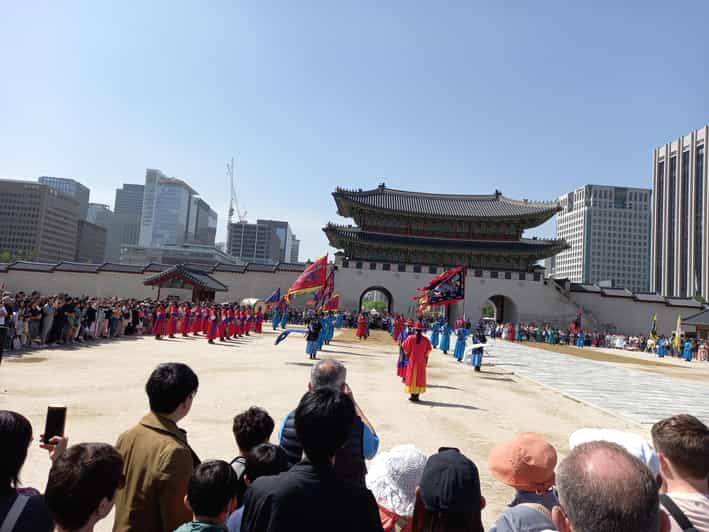
- Gyeongbokgung with context, not just photos: built in 1395 as the main Joseon palace and designed around authentic Confucian structure
- National Folk Museum, life-sized history: exhibitions trace common people’s milestones from birth through adulthood, illness, treatment, and aging
- Bukchon views that mix eras: about 1,000 hanoks with skyscrapers and N Seoul Tower in the distance
- Buddhist headquarters stop: Jogyesa (built in 1926 in Insadong) is tied to the Korean Buddhist organization
- Photo-friendly guidance: the guide points out strong angles so you capture more than just monuments
Confucianism first: the mental key that makes Seoul click
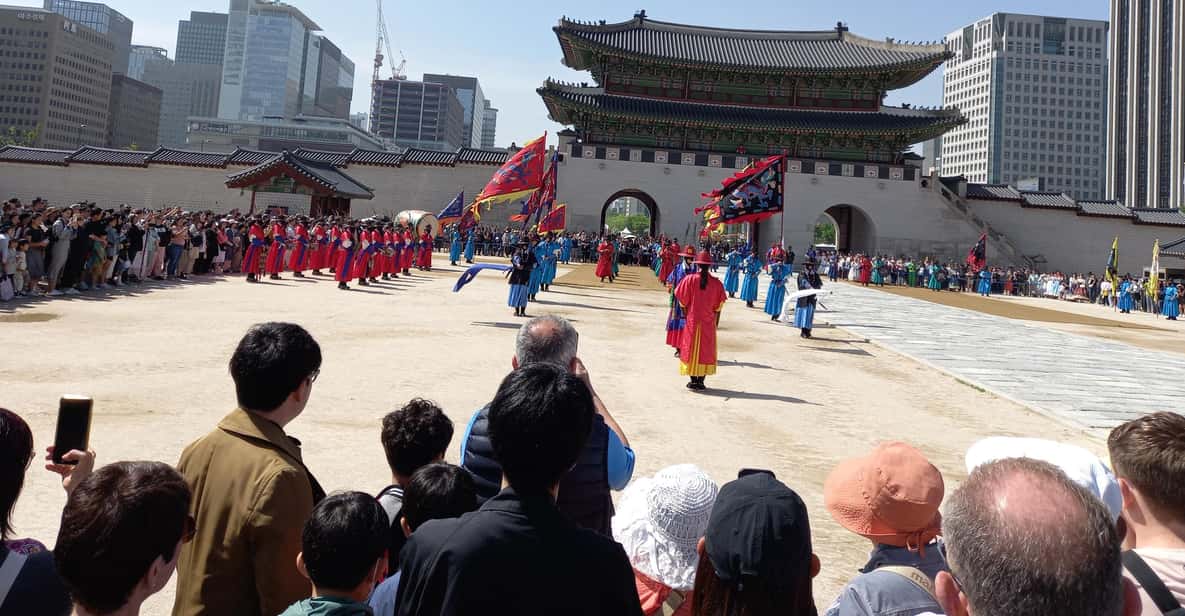
Most Seoul sightseeing is heavy on landmarks and light on meaning. This tour flips that. Instead of treating palaces, houses, and temples as random stops, you’re shown how Korea’s Joseon Dynasty Confucian values shaped the built world.
I really like this approach because it changes what you notice. When you understand why certain spaces were designed the way they were, you start reading the city. You notice hierarchy in layouts, symbolism in forms, and why certain architecture looks the way it does. It’s the same idea as realizing why medieval European churches feel powerful once you know the era’s worldview, not just the building’s shape.
And Paul Koo’s teaching style makes that worldview feel practical. His explanations are clear and thought-through, and the tour stays engaging rather than turning into a textbook. In the end, you’re not just taking pictures—you’re building a set of mental bookmarks for what you’re seeing.
You can also read our reviews of more guided tours in Seoul

Gyeongbokgung Palace: Joseon’s main palace, explained like you’re right there
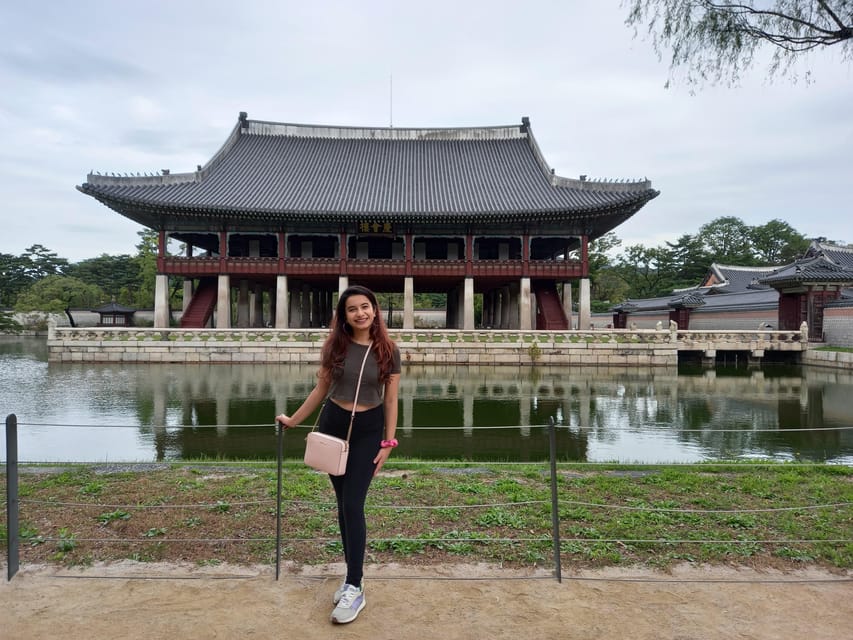
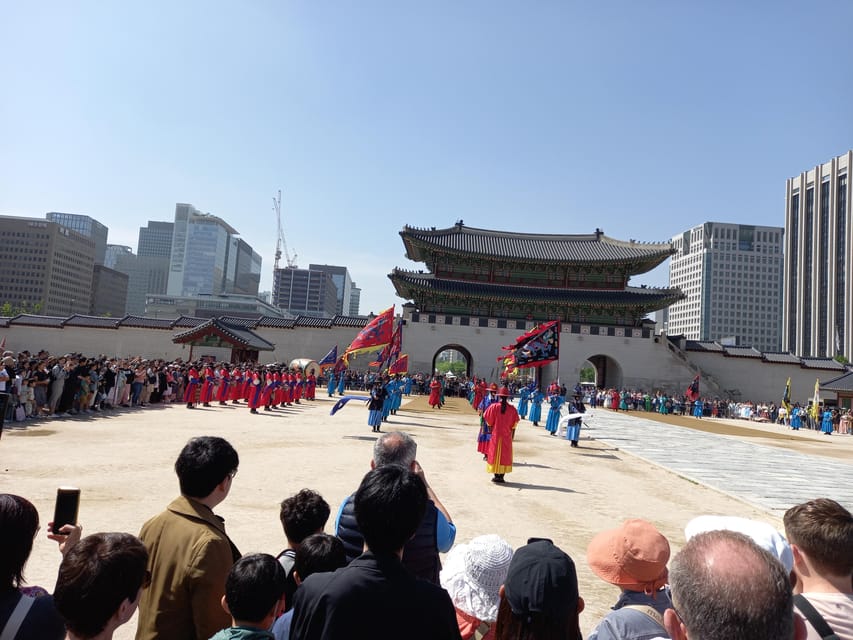
Gyeongbokgung is the centerpiece, and it deserves it. This palace was built in 1395 as the main palace of the Joseon Dynasty, and it’s often described as the most beautiful and monumental example of that era’s Confucian identity.
Here’s what that means when you’re walking the grounds. With the guide’s framing, the palace stops feeling like a single big sight and starts feeling like an intentional system of spaces. You’ll hear about how it’s the largest and most magnificent palace of the dynasty, and also that it’s the only palace built on flat land while following an authentic Confucian palace structure.
That last point is a big deal for your experience, because it helps you read the site. Flat-land planning changes how you move through the compound and how sight lines work. Even if you never study architecture formally, the site begins to make sense as a carefully ordered environment.
One practical benefit: you spend a guided chunk of time here (a little over two hours). That pacing helps you get out of the common rhythm of snapping photos, moving on, and forgetting what you saw five minutes later.
What to watch for at Gyeongbokgung
Because you’re learning while you walk, you’ll want to keep your questions ready. If you’re the type who asks why something is arranged a certain way, this is the moment. And if you’re prone to rushing, follow the guide’s tempo—you’ll get more out of it than you might expect.
Also, palace admission isn’t included in the tour price. Plan on budgeting for tickets so the day doesn’t get snagged at the gate.
National Folk Museum: daily life history you can actually picture
After the palace, the tour shifts from state-level ideology to what regular people experienced. The National Folk Museum of Korea focuses on common lives and seasonal rhythms, not just elite power.
The museum exhibitions trace the full arc: life processes from birth and growth, through marriage, aging, illness and treatment, and even up to death. It’s a way of seeing Joseon-era culture as something lived—rituals and commemorations included, but rooted in everyday steps.
I like this stop because it balances the day. Palaces can make you think history only belongs to rulers and ceremonies. This museum reminds you that culture is also household routines, rites, and the ways communities handled major life stages.
You’ll have a shorter guided time here (around 30 minutes), so it’s not built for museum marathon energy. Instead, it’s more like a guided selection: enough time to grasp the big themes and leave with a clear mental picture of how people lived.
A useful mindset for this museum stop
Treat it like a guided orientation. Don’t try to read every label. Let the guide’s points anchor the overall story, then you can spend a little extra time on anything that grabs you if time allows.

Bukchon Hanok Village: the old neighborhood you can frame in one shot
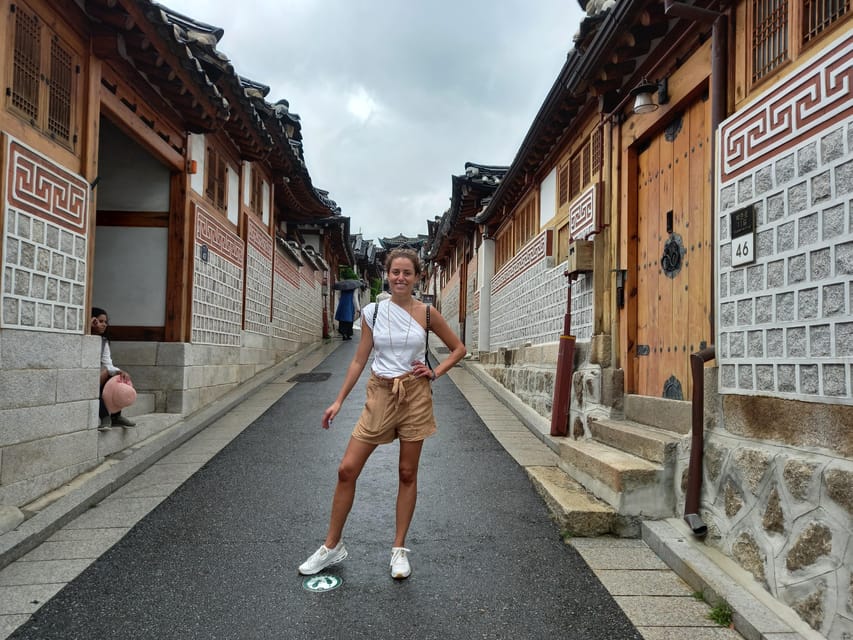
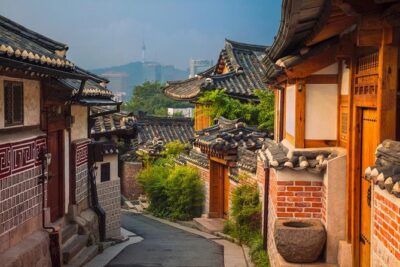
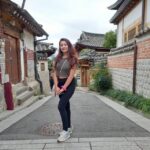
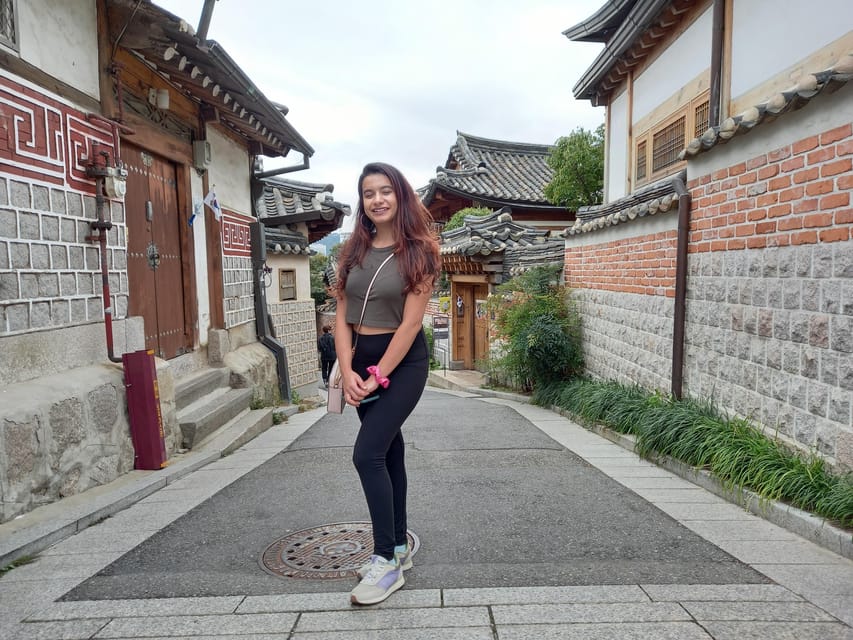
Bukchon Hanok Village is one of those places where the scenery makes you pause even if you’re not a photography person. You’re walking through an area known for about 1,000 hanoks, traditional Korean houses clustered together.
The real magic here is the contrast. Bukchon’s traditional structures sit with metropolitan elements in the background—skyscrapers and N Seoul Tower can appear in the distance. That blend is the entire point: Seoul isn’t replacing the old; it’s building around it, sometimes in surprisingly visible ways.
A good guide matters a lot in Bukchon. Paul Koo’s style includes steering you toward strong photo angles, so your pictures come out with more meaning. It’s not just monument shots; it’s composition—where the old roofs sit against modern lines, and where you can frame the neighborhood without turning everything into a messy backdrop.
How to enjoy Bukchon in your time window
Because you only have about 40 minutes guided here, think of it as a taste with structure. You’ll get enough time to see the core views and take a few strong photos, but you won’t have time to wander randomly for hours. If you’re the type who wants to explore doorways, side alleys, and small viewpoints, you might want to plan extra independent time after the tour.
Jogyesa Temple and Seoul’s Buddhist side: small in size, big in role
Buddhism in Seoul is not only about dramatic temple grounds. This tour also includes Jogyesa Temple, described as the headquarter temple of Korean Buddhism.
Jogyesa is smaller in physical scale than some other famous temples, but its importance is clear: it was built in 1926 and is located in Insadong. The timing and positioning matter. Because it sits near Gyeongbokgung, you can feel the shift from Confucian state space to a religious center space without changing cities or geography much.
If you’ve never looked at Korean Buddhism from the inside, this kind of stop is valuable. You don’t just see structures—you start sensing how religion supports community life and how temples can function as organized centers, not just places for quiet sightseeing.
How this fits with the day’s bigger theme
By this point in the tour, you’ve already seen palace ideology and museum life stages. Jogyesa adds another layer: Korea’s cultural identity isn’t one single thread. It includes Confucian values and also the influence of Buddhism, each showing up in different architectural rhythms and purpose.
Insadong time: a breather between major sights
You finish with guided time in Insadong (about 30 minutes). Insadong is useful in a tour like this because it sits right where multiple layers of the city overlap.
Think of this as the wind-down stop. You can take what you learned from Gyeongbokgung, shift it into a more street-level perspective, and let the area help you connect the cultural dots. This isn’t a long sightseeing day in one neighborhood, so you’ll want to use the time efficiently.
If you want something practical: use this stop to reset your energy, grab a drink if you need one (food and beverages are not included), and take a few photos you might have missed earlier.
Price and logistics: what you’re paying for, and what you still need to budget
The tour costs $152 per group up to 2 people and includes the guide fee for four hours. That’s the core value: a live, English-speaking guide who can explain what you’re seeing, not just walk you between gates.
What’s not included is important:
- admission fees for the palace (and any plans around N Seoul Tower)
- transportation to and between places
- food and beverages
- insurance
So how does this work out as value? If you’re traveling as a pair, the pricing model can be efficient because you’re splitting the guide cost across two people. And because the itinerary is built around architecture and cultural context, the guide is the product. You’re not just paying for access—you’re paying for interpretation.
Where the logistics can affect you is simple: four hours is not a full-day pace. You’ll want to arrive ready. If you’re hoping for long museum reading time or a slow sit-down lunch, you’ll probably feel time pressure.
Also, meeting point flexibility helps. The tour starts at Gwanghwamun Square, but meeting place and time can be chosen after booking, and you can even meet at your hotel if that’s part of the arrangement. That small detail matters because Seoul’s transit and walking can eat time when you’re not local.
Who should book this tour
This is a great fit if you want more than a photo checklist. If you care about why buildings look the way they do and how Confucian values shaped Joseon-era spaces, you’ll feel the difference immediately.
It also suits you if:
- you want a guided introduction that connects palace architecture to cultural identity
- you enjoy museums that explain everyday life, not only royal stories
- you like structured time in several iconic areas within a short window
- you prefer a private group format so questions don’t get lost in crowd noise
If you’re the type who wants to linger for hours without guidance, or you already know Joseon architecture well, the short guided windows might feel tight. But for most first-timers, this pacing is exactly right.
Should you book this Seoul 4-hour private tour?
I’d book it if you want Seoul’s traditions explained in a way that makes the sights make sense. With Paul Koo as the guide, the tour is built around architecture as cultural identity, and the day stays engaging instead of turning into a rushed lineup.
I’d think twice if you hate paying separate admission fees, or if you need slow, unstructured time at every stop. Four hours is a focused sampler, not a full immersion day.
FAQ
FAQ
How long is the tour?
It’s a 4-hour guided tour.
What is the price?
The price is $152 per group up to 2 people.
Is this tour private?
Yes, it’s a private group tour.
What language is the guide?
The live tour guide speaks English.
What’s included in the price?
The tour includes the guide fee for 4 hours with guide information.
What is not included?
Admission fees for the palace (and N Seoul Tower), transportation, food and beverage, and insurance are not included.
Where does the tour start, and can I meet elsewhere?
The meeting point is Gwanghwamun Square, but meeting place and time can be chosen after booking, including meeting at your hotel.