REVIEW · SEOUL
DMZ tour south Korea from Seoul (NK experience hall, defector)
Book on Viator →Operated by SEOUL CITY TOUR CO. LTD. · Bookable on Viator
The DMZ reads differently at 9 a.m. This half-day to full-day trip from Seoul takes you through the real geography of the Korean divide, with stops like Dora Observatory and a North Korea defector session that turns facts into something you can feel.
I love the way the day moves: a tight sequence of sites that explain how the conflict shows up on the ground, not just in textbooks. I also like the practical tour style, especially the guides who keep everyone on schedule and even help you avoid wrong-bus stress with clear check-ins.
One thing to plan for: there’s moderate walking, including a steep, narrow tunnel section where conditions can feel hot and tight. If you’re expecting a leisurely stroll, this is more hands-on and physical than it looks on a map.
In This Review
- Quick hits you’ll care about
- The DMZ tour from Seoul, minus the mystery and max meaning
- Price and time: what you’re really paying for
- Starting at City Hall: meeting point, passport, and day-of reality
- From Seoul to Imjingak Park: war artifacts that ground the story
- Freedom Bridge: POW exchanges, symbolism, and the weight of movement
- DMZ Theater & Exhibition Hall: where the defector session lands hardest
- The 3rd Infiltration Tunnel: the most physical stop
- Dora Observatory: binoculars, Kijongdong, and learning to look
- Tongilchon-gil and Unification Village: farming life and manufactured normal
- Gamaksan Chulleong Bridge and Majang Lake: suspension bridge time (if you upgrade)
- What to wear and how to prepare for the tour day
- Who this DMZ tour suits best
- The bottom line: should you book
- FAQ
- Do I need a passport for the DMZ tour?
- How long is the DMZ tour from Seoul?
- Where does the tour start and end?
- Is hotel pickup included?
- What’s included in the ticket price?
- Are meals included?
- Is there much walking?
- What happens if the tour is canceled due to military conditions?
- Is JSA included?
Quick hits you’ll care about
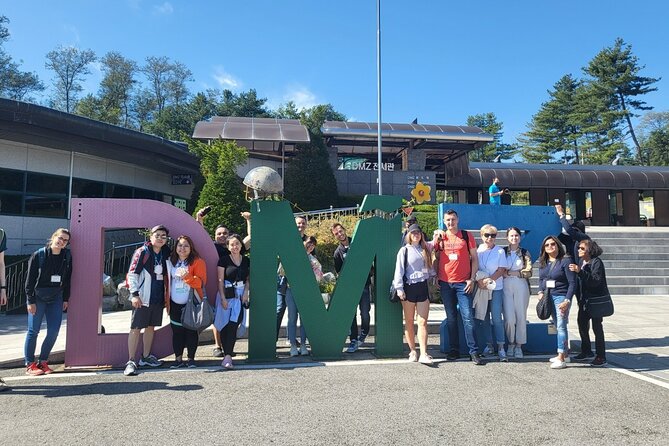
- Defector session at the DMZ Theater & Exhibition Hall time slot adds real-world perspective
- Dora Observatory binoculars help you make sense of what you’re seeing across the river
- 3rd Infiltration Tunnel is the hardest part physically, with a steep return route
- Coach comfort + timed stops keep the long day from dragging
- Optional suspension-bridge upgrades turn a half-day into a longer full-day outing
The DMZ tour from Seoul, minus the mystery and max meaning
A DMZ trip from Seoul has a way of doing two things at once. It’s historical, yes, but it’s also current, because you’re standing in a place built to control movement, fear, and signaling. That’s why this route works: you’re not only looking at big monuments. You’re watching how the story gets told from site to site.
What makes this particular tour stand out is the mix of locations and tone. You’ll start with war relics at Imjingak Park, move through border-era landmarks like Freedom Bridge, then shift into “look across the line” mode at Dora Observatory. The day also includes an NK experience hall / defector session, which many people treat as the emotional anchor of the tour.
This isn’t a casual sightseeing loop. It’s structured to help you connect the dots, quickly.
You can also read our reviews of more tours and experiences in Seoul.
Price and time: what you’re really paying for
At about $26.04 per person for a roughly 7-hour experience, the value is mainly about transportation and access. You’re getting a coach ride that saves you from the hardest part of DMZ logistics: getting there on your own, on the right schedule, through checkpoints and timed admissions.
You’ll also benefit from the “guided context” you can’t replicate easily. Standing at places like the 3rd Infiltration Tunnel or viewing North Korea from Dora Observatory means little unless you know what you’re looking at and why it matters.
A heads-up on timing: this tour comes in a half-day format and a longer full-day format. The half-day typically ends back around Seoul City Hall, while the full-day adds suspension bridge stops like Majang Lake and possibly the Late (Red) Suspension Bridge option.
Starting at City Hall: meeting point, passport, and day-of reality
The tour starts and finishes at City Hall in Seoul. That’s helpful because you’re not spending your morning hunting down a hotel lobby pickup. Still, you’ll want to follow the operator’s instructions for the exact pickup timing on the day of travel, since pickup coordination can vary.
A current passport is required for travel that day. No passport copy is needed, but don’t rely on a photo or scan. Bring the real document.
Also note the day can be affected by unexpected military conditions or local circumstances. If parts of the itinerary get canceled for those reasons, there’s no refund for that disruption. The good news is that the operator may provide an alternative course related to the DMZ, so your time isn’t always lost.
From Seoul to Imjingak Park: war artifacts that ground the story
After meeting at City Hall, you’ll transfer about an hour north by air-conditioned coach. Early on, the tour gives you a “before we cross the line” context.
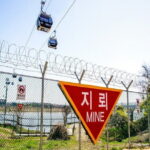
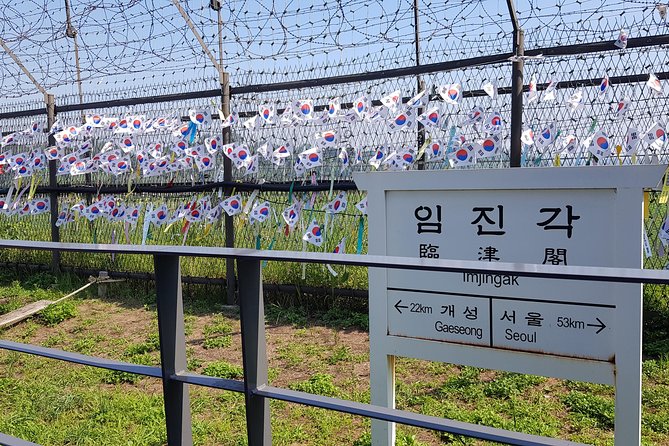
Imjingak Park sits along the Imjin River and functions like a museum you can walk through. You’ll see war artifacts and artillery connected to the Korean conflict, and it sets the emotional baseline before you reach the more symbolic landmarks.
This stop also helps you understand why the DMZ is not just a boundary on paper. It’s a scar on daily geography. Even if you’ve read about the Korean War before, standing near these objects makes the conflict feel immediate, not distant.
Practical tip: if you’re sensitive to heat or humidity, keep water handy. Even early stops can feel warm depending on the season.
Freedom Bridge: POW exchanges, symbolism, and the weight of movement
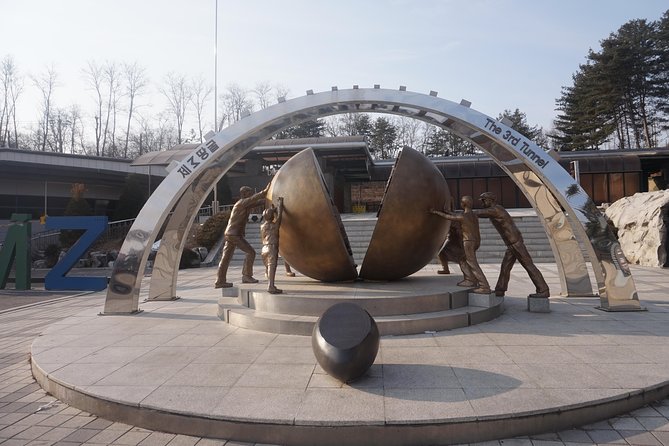
Next comes Freedom Bridge, the place you’ll hear described in terms of POW exchanges at the end of the war. It’s one of those stops where the “what happened” is easier than the “what it meant.”
What you’ll get from a guided stop here is pacing. Your guide connects the landmark to the broader border story, so you don’t just take photos and move on. This is a moment where good narration matters more than binoculars.
If you’re the type who likes to understand what you’re seeing, you’ll likely enjoy the way the tour frames the bridge as a hinge point in the history of the peninsula.

DMZ Theater & Exhibition Hall: where the defector session lands hardest

The day’s emotional turning point often happens around the DMZ Theater & Exhibition Hall time slot. This is where the tour includes the defector live chat / Q&A element tied to the NK experience.
This part is praised because it adds a human layer to the political facts. When someone who lived under that system explains daily life and the stakes of crossing—or not crossing—you stop thinking in slogans and start thinking in consequences.
It’s also an opportunity to ask questions. Guides tend to set expectations clearly at each stop, so you’re not left wondering how to participate.
One more reason this works: the tour balances somber content with clear structure. You’re not just hit with heavy material and then rushed away. You’re given time to process it in the flow of the itinerary.
The 3rd Infiltration Tunnel: the most physical stop
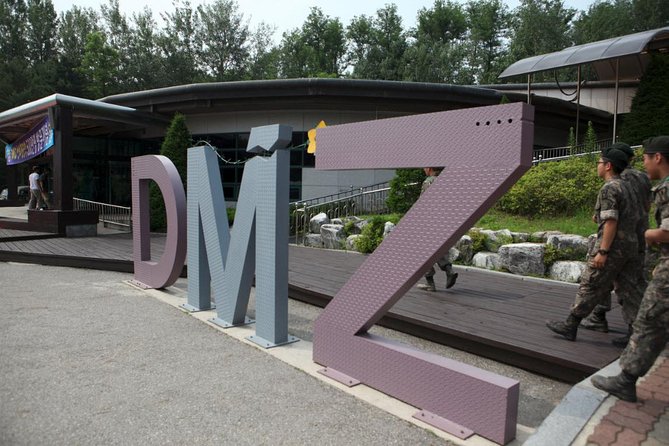
Then you hit the part of the tour that most people remember in their legs, not just their cameras: the 3rd Infiltration Tunnel.
You’ll reboard the coach and head to the tunnel under the border area. The stop centers on how it was built for an invasion attempt, discovered in 1978, and then blocked by South Koreans at the military demarcation line. That history is important because it explains why the tunnel is part of the broader DMZ defense story.
Two practical considerations:
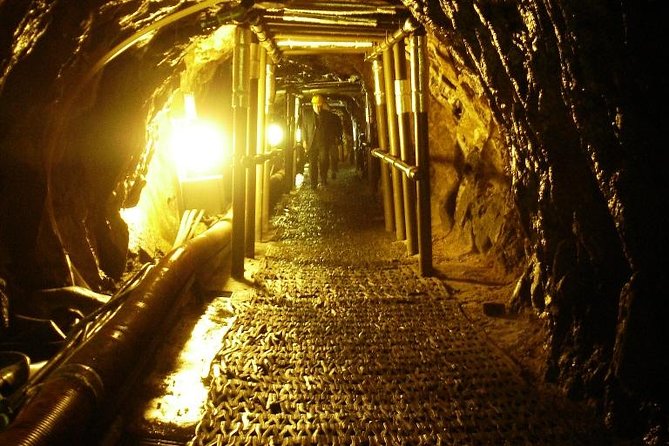
- There’s moderate walking and a steep, narrow tunnel section.
- The return route can feel hot and steep, and you’ll want to plan for tight footing.
In at least one helpful tip from a guide-run day, the advice was clear: leave coats in the locker when going down the tunnel. The return is steep and conditions can feel uncomfortable. If you’re traveling in layers, bring something light you can keep easy.
Even if you don’t love “hard” activities, this stop is worth it because it’s a rare way to experience the border conflict with your body—slowly and directly.
Dora Observatory: binoculars, Kijongdong, and learning to look
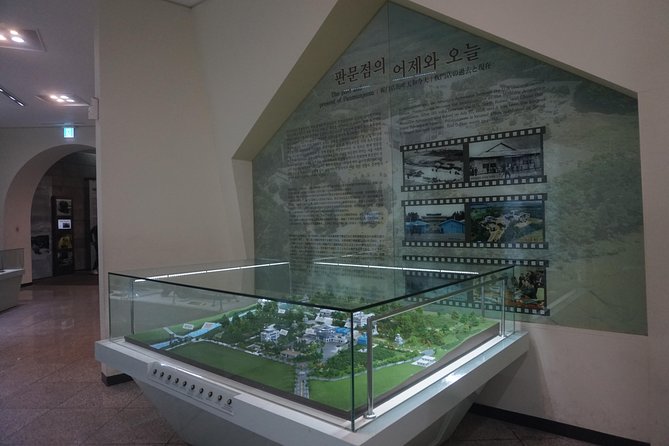
After the tunnel, you’ll go to Dora Observatory—the best place on this route for “across-the-river” viewing.
Binoculars are provided, and the tour uses that equipment with a purpose. Your guide points out what you’re looking at and explains the backstory of the North Korean model village called Kijongdong, so the scene isn’t just a blank horizon.
A clear day can change everything here. On good visibility, it becomes easier to pick out movement and details. In at least one past run, people reported seeing actual North Koreans in view when the weather cooperated.
This is also where the tour helps you connect everyday life to the political setup. Kijongdong is surreal on the surface, but the storytelling makes it click: it’s propaganda, but it’s also a window into how people are managed at the border.
Practical tip: bring sun protection. Observatory time isn’t usually long, but you’ll feel the brightness.
Tongilchon-gil and Unification Village: farming life and manufactured normal
Next, the itinerary brings you to an area focused on daily life themes, including Tongilchon-gil. The tour frames it around the idea of unification through what South Korean farming communities produce and how they live.
You may also pass or stop by Unification Village, described as a small farming community that models everyday routines, with details like soybean milk, traditional soy sauce, and corn goods mentioned as part of that experience.
This part can feel less dramatic than the tunnel, but it matters. The DMZ is full of symbols. Unification Village is a symbol too, just one that leans on “what ordinary life could look like.”
If you tend to prefer human-scale topics over military landmarks, you’ll probably enjoy this segment.
Gamaksan Chulleong Bridge and Majang Lake: suspension bridge time (if you upgrade)
If you choose the longer format, the tour adds suspension bridge stops. You’ll hear about Gamaksan Chulleong Bridge as a “DMZ + Red Suspension Bridge” option, and Majang Lake Suspension Bridge if you continue on that full-day route.
These add time, and the tour keeps them functional rather than scenic-for-scenic-sake. Think of them as a way to stretch the day, add variety, and give you a different angle on the DMZ geography and its surroundings.
If your priority is the tightest schedule and the most direct DMZ “must-sees,” the half-day route is likely enough. If you want extra viewing time and don’t mind a longer day, the suspension bridge upgrades can make the trip feel more complete.
What to wear and how to prepare for the tour day
This is not a “pack light and you’re done” outing. Here’s what matters most based on the day’s structure:
- Comfortable shoes with traction for uneven ground and tunnel steps
- Layers, because tunnel sections can feel hot while outdoor areas swing with weather
- Water and a small snack plan for your energy
Meals are not included. Breakfast and lunch are listed as not part of the tour. The half-day version may include a brief ginseng center stop en route, but that’s not the same as a real lunch break. Plan food timing so you’re not running on fumes during the harder tunnel segment.
Also, bring your patience for schedule control. The route is tightly timed, and the operator relies on everyone being back on time for the coach.
Who this DMZ tour suits best
This tour is a strong fit if you want:
- A structured DMZ overview with clear stops, not a self-guided scramble
- A guide who can connect border history to what you’re seeing in real time
- The defector session / Q&A segment for a human perspective that goes beyond politics
- A mix of symbolic sites (Freedom Bridge, Dorasan station references) and hands-on experiences (the tunnel)
It may be less ideal if you want:
- Minimal walking or purely scenic viewpoints
- Full access to restricted areas like JSA, which is not presented as part of the standard itinerary and can be affected by closures
The bottom line: should you book
Yes, I’d book it if you’re visiting Seoul and you want one DMZ day that actually teaches you what you’re looking at. The value is strong for the price when you factor in coach transport, multiple admissions, and the defector session component.
Choose the half-day version if you want the essential sites without extending your day. Choose the full-day option if you’d like extra time and you’re okay with more stops like the suspension bridges.
If you’re traveling with limited mobility or you dislike enclosed spaces, take extra care with the tunnel portion. This is the main physical challenge of the day, and it drives the experience.
FAQ
Do I need a passport for the DMZ tour?
Yes. A current valid passport is required on the day of travel.
How long is the DMZ tour from Seoul?
The tour duration is listed as about 7 hours. You can also choose half-day or full-day options, with the full-day version adding suspension bridge stops.
Where does the tour start and end?
It starts at City Hall, Seoul and ends at City Hall, Seoul.
Is hotel pickup included?
Hotel pickup/drop-off is listed as not included. The tour notes indicate you’ll meet at City Hall, and you should contact the local operator for exact pickup time details.
What’s included in the ticket price?
The tour includes a knowledgeable guide, comfortable air-conditioned coach transport, and admission fees.
Are meals included?
No. Breakfast and lunch are not included.
Is there much walking?
There is a moderate amount of walking, including a steep and narrow tunnel. Comfortable shoes and clothes are recommended.
What happens if the tour is canceled due to military conditions?
If the itinerary is canceled due to unexpected military conditions or local circumstances, there will be no refund. The operator may provide an alternative course related to the DMZ.
Is JSA included?
The itinerary provided does not list the JSA area as a stop. Access to certain areas like JSA can be affected by closures.

![Andong Hahoe Village [UNESCO site] Premium Private Tour from Seoul - Stop 1: Andong Hahoe Folk Village village walk that feels real](https://m.discoveringseoul.com/wp-content/uploads/andong-hahoe-village-unesco-site-premium-private-tour-from-seoul-400x267.jpg)