REVIEW · SEOUL
Signature DMZ Tour: Exclusive Defector Talk & Suspension Bridge
Book on Viator →Operated by Cosmojin Agency · Bookable on Viator
Defector stories make the DMZ day hit. This 7–9 hour Seoul outing strings together the biggest DMZ-side sights, with an English Defector Talk and time at Dora Observatory and the Third Tunnel that lets you see why this part of the world is so tightly controlled. I like that the day stays focused on the core places, not random shopping stops right away. I also like the practical pacing: an air-conditioned vehicle, clear on-site guidance, and free admission at the included stops so you can spend your attention on what you’re actually seeing.
The main drawback: the Third Tunnel involves a demanding, tight walk—steep sections and cramped spaces—so comfortable shoes and a calm head for stairs matter.
In This Review
- Key things to know before you go
- DMZ Tour From Seoul: Your long, structured day starts at 7:30
- Getting Set for DMZ Entry: Passport, shoes, and photo restrictions
- Imjingak Pyeonghoa-Nuri Park and Freedom Bridge: Reunification dreams in plain sight
- Entering the DMZ corridor: What the 40-minute stop is really for
- Third Tunnel (435 meters): The hardest walk is also the most memorable
- Dora Observatory: The closest view of North Korea you can legally get
- Gamaksan Chulleong Suspension Bridge option: A scenic bonus with conditions
- Myeongdong and timing shifts: When the afternoon feels tight
- Defector Talk: What you learn from a real escape story
- Price and value: Is $27 a smart DMZ deal?
- Should you book this DMZ day trip?
Key things to know before you go
- Defector Talk (English): You’ll hear a first-person escape story and get a Q&A, which is the emotional center of the day.
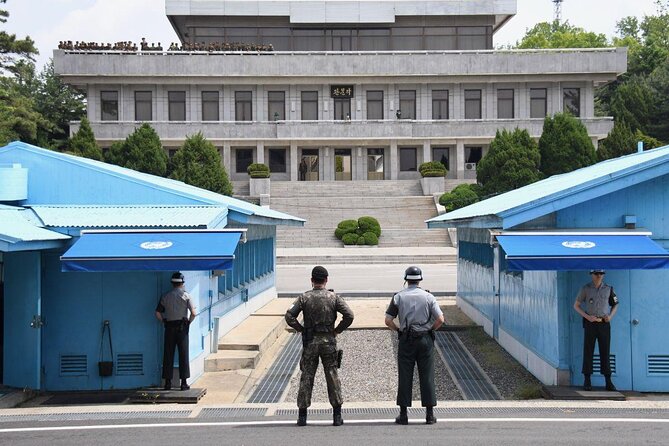
- DMZ sights, not just photo ops: You’ll visit the observatory for the North Korea view and also go underground at the Third Tunnel.
- Imjingak area sets the tone: Freedom Bridge and the nearby barbed-wire history make the later DMZ visit feel much more grounded.
- Suspension bridge is an add-on with limits: The Gamaksan Chulleong Bridge option depends on minimum participants and can be closed for weather.
- Passport is non-negotiable: You need the original, current passport on travel day for DMZ access.
- No fast walking plan: Expect limited time at sites and a physically tougher segment inside the tunnel.
DMZ Tour From Seoul: Your long, structured day starts at 7:30
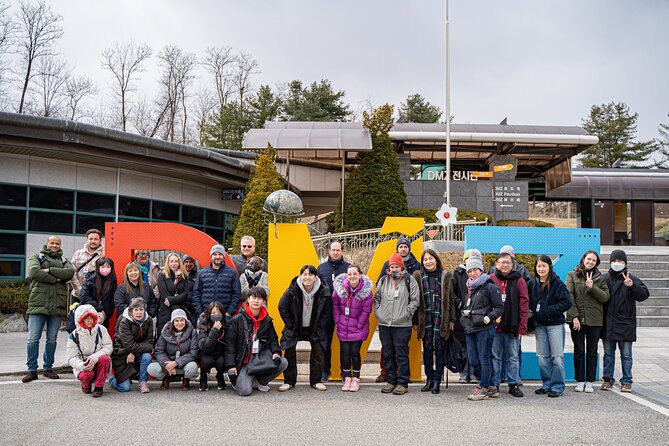
You meet at 92 Sejong-daero in Jung District at 7:30am, then head out by coach to the DMZ area. This is a full-day commitment—plan for about 7 to 9 hours total, with the tour ending back at the meeting point.
The format is simple: you don’t bounce around Seoul all day, and you’re not stuck waiting for long transitions between “must-see” zones. The day is built like a checklist for the DMZ core points, with the defector interview scheduled to hit before you go into the most restricted areas. The group size caps at 90 travelers, and the ride is in an air-conditioned vehicle—small comfort, but on a long morning it counts.
You can also read our reviews of more tours and experiences in Seoul.
Getting Set for DMZ Entry: Passport, shoes, and photo restrictions
Before you even think about cameras, think about entry requirements. You must bring a current valid passport (original, no copies). DMZ access is controlled and can be closed with little warning, so don’t show up with anything less than the real document.
Wear comfortable shoes. The Third Tunnel portion is physically demanding, with tight, steep walking. One of the practical benefits of good footwear here is that it lets you focus on understanding what you’re seeing rather than fighting your footing.
Photo rules are strict in controlled zones. You should expect you won’t be allowed to take photos on the tunnel portion and at the observation deck areas. That’s not a “fun police” thing—it’s standard for a military setting, and it keeps the day moving without awkward stopping.
Imjingak Pyeonghoa-Nuri Park and Freedom Bridge: Reunification dreams in plain sight
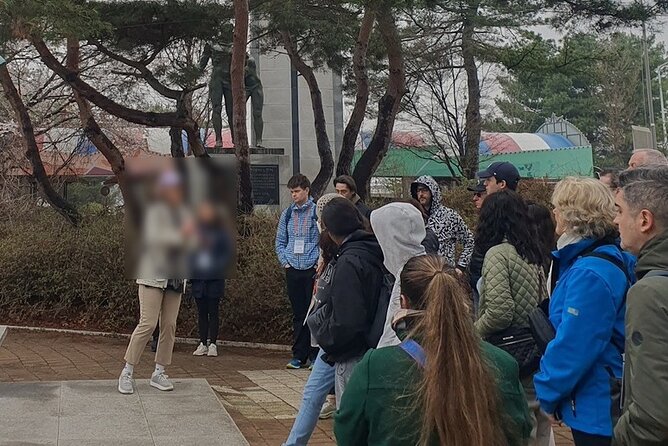
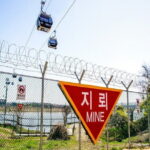
Imjingak Pyeonghoa-Nuri Park is where the DMZ story starts feeling personal. It’s described as a symbol of Korean reunification desire, and the setting uses barbed-wire fences as a stark backdrop. Even if you’ve read about the peninsula for years, seeing it as a park—right next to the DMZ corridor—makes the whole idea feel less abstract.
Two landmark elements matter here. First is the Freedom Bridge, which is tied to the escape of 13,000 POWs in 1953. Second is the bridge on the Imjingang River, also linked to those POW crossings. The point of this stop isn’t entertainment. It’s to show you how the “division” of the peninsula has moved real people—hope and fear both.
If you’re the kind of traveler who likes context before the big sites, you’ll appreciate Imjingak as a tone-setter. If you only want wide views and photo-friendly monuments, you might wish this stop lasted less—but it usually makes the later DMZ sections land harder.
Entering the DMZ corridor: What the 40-minute stop is really for
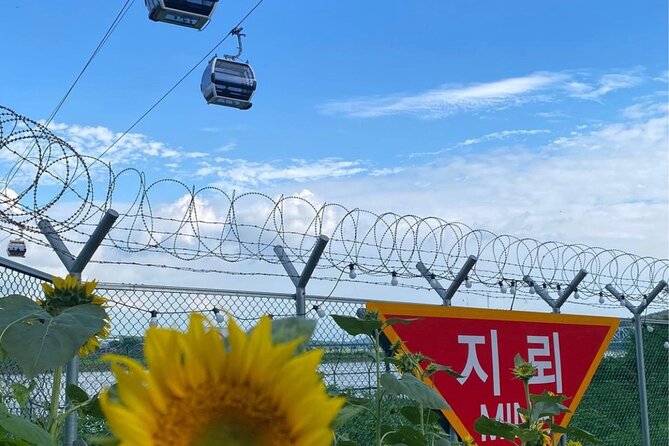
The DMZ stop is listed as about 40 minutes with admission included. On paper, that looks short. In practice, this is how DMZ tours work: time is the currency, and access is the limiter.
This part of the day is about understanding the rules of the place—what is prohibited, what you’re allowed to observe from a controlled vantage, and why the border line matters even when you can’t see the dramatic “wall” most people imagine. A DMZ tour from Seoul is basically an explanation session with real geography as the supporting cast.
The tight timing also explains the “feel” of this tour. You’re not wandering. You’re moving with a guide, absorbing key points, and then transitioning to the one truly physical experience: the tunnel.
Third Tunnel (435 meters): The hardest walk is also the most memorable
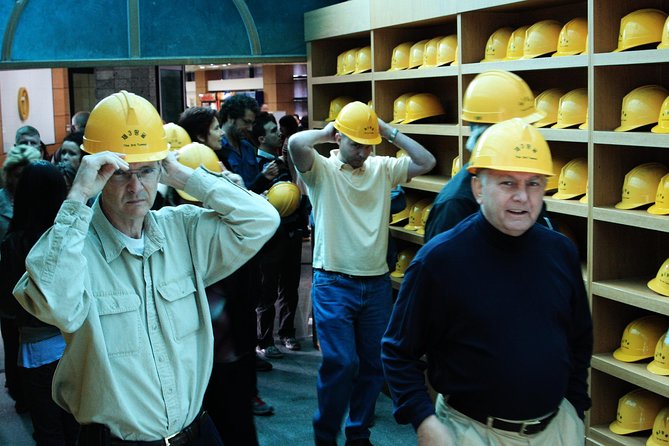
The Third Tunnel is the signature physical segment. It’s described as reaching 435 meters into South Korea, and you’ll tour the underground space with time for a documentary and site viewing. This is one of those places where “history” doesn’t just mean dates—it means engineering, secrecy, and how threat planning can reach deep underground.
The practical caution is the walk itself. Comfortable shoes are required, and you should expect a physically demanding, tight path. Think: steady pace, short breaths, and no heroics if you’re even slightly uncomfortable with confined spaces. If you have heart conditions or serious medical issues, the tour notes that visiting the tunnel isn’t recommended.
A small-but-important detail: you shouldn’t expect photos here. The tunnel rules keep the focus on the guide’s explanations and what’s in front of you rather than a thousand camera checks.

Dora Observatory: The closest view of North Korea you can legally get
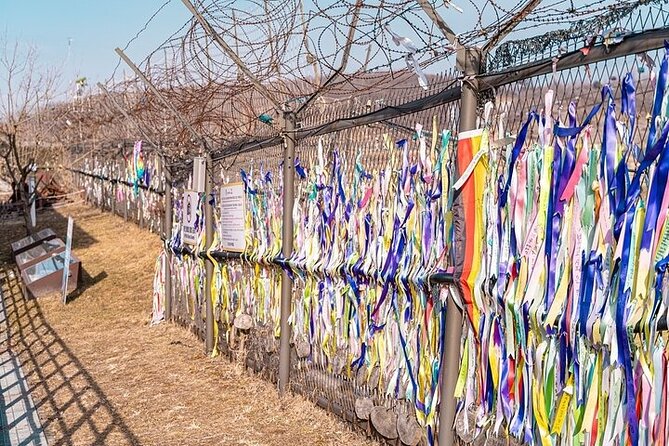
After the tunnel, Dora Observatory gives you the payoff view: you look toward Gaeseong City and the Gaeseong Industrial Complex area. The tour also includes a look at a fake North Korean border village called “Propaganda Village,” which is used to show how information is staged.
One of the best things about Dora is that it converts the DMZ from a concept into a visible direction on the map. Even when you can’t see details at street level, the act of looking across the boundary is the point. It’s also why the photo restrictions matter—you’re there to observe through the allowed lens and follow the guide’s framing.
If the tunnel is for body and engineering, Dora is for perspective—how the peninsula looks from the South side, and what tourists are permitted to witness.
Gamaksan Chulleong Suspension Bridge option: A scenic bonus with conditions
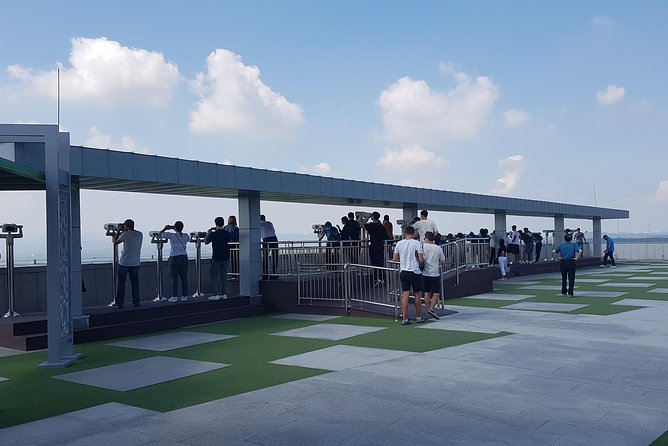
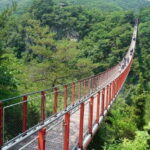
This tour can include the Gamaksan Chulleong Bridge as an option. It’s once described as Korea’s longest suspension bridge at 220 meters, opened in 2016, and it offers views over Silmari Valley. In other words, this is your “reward” segment: a bit of open air after tunnels and controlled zones.
But it comes with two real-world conditions:
- It runs only if a minimum number of participants is met.
- It can be closed due to weather, so you may not get the bridge on every date.
So if you book this mainly for the suspension bridge, plan your expectations like a grown-up: the DMZ schedule and outdoor closures can change what you do.
If you’re healthy and you enjoy views, the bridge is worth taking seriously. If you’re already worn out by a long morning and a tunnel walk, treat it as optional energy, not the main goal.
Myeongdong and timing shifts: When the afternoon feels tight
The tour includes a stop in Myeongdong, and the overall duration can change based on site conditions and traffic. That means the last hours can feel compressed—especially if you had trouble with the tunnel walk or if the group needs extra time at a site.
Also keep in mind the tour may swap in an alternative itinerary if access is affected. If there’s an unannounced military training or official event in the DMZ, the tour may be replaced with a different combo that includes places like Tomorrow’s Whistle-Bunker, Beat 131, Odusan Unification Tower, and the War memorial of Korea. Separately, the DMZ itself can close suddenly without notice, and in that case an alternative tour is provided.
This is the key practical mindset for any DMZ day trip: the peninsula doesn’t care about your schedule. Your best move is to stay flexible and let your guide steer the day.
Defector Talk: What you learn from a real escape story
The defector interview is where this tour earns its “exclusive” label. The tour includes an interview with a North Korean defector, and in past guide-led formats you may hear the story from people like Ms Cho or Mrs Lee (names vary by session). What stays consistent is the structure: you hear the background of the escape, and then you get Q&A time.
I like this part because it turns “politics” into lived reality. You stop thinking in slogans and start thinking in consequences—what people risk, what they lose, and how they rebuild their lives after crossing into freedom.
It can be heavy. That’s normal. If you go in expecting only flags and borders, the defector talk will feel like a left turn. If you go in ready to listen, it becomes the most human moment of the day.
Price and value: Is $27 a smart DMZ deal?
At $27 per person, this tour is priced like a value play compared with typical guided DMZ pricing. The big reason is what’s included:
- An English guide with a DMZ license
- The defector interview component
- Air-conditioned transportation
- Admission for the included sights (like the DMZ stop, the Third Tunnel, and Dora Observatory)
- All fees and taxes
What’s not included is also clear: lunch and personal expenses. That’s the one part you’ll want to plan for before you’re hungry. There can also be time built into the day that doesn’t center on food, shopping, or entertainment. That’s not a flaw—it’s part of how a DMZ day stays possible with strict access limits.
If your goal is to hit the DMZ’s major on-the-ground checkpoints from Seoul in one day, and you’re comfortable with a demanding tunnel segment, $27 can be a strong value. If you mainly want slow sightseeing, long lunch breaks, and plenty of free time to roam, you may feel the schedule more than you expected.
Should you book this DMZ day trip?
Book it if you want an efficient Seoul DMZ tour with the emotional weight of a defector talk, plus the hard-to-replicate experience of the Third Tunnel and the view from Dora Observatory. It’s especially a good fit if you like guided structure and you want context before and after each restricted site.
Skip or reconsider if:
- you’re not comfortable with tight, steep walking in the tunnel,
- you’re photo-dependent and will feel frustrated by restrictions,
- you’re traveling with someone who needs extra medical caution,
- or you’re booking primarily for the suspension bridge add-on and can’t tolerate the possibility it may be unavailable due to weather or minimum-participant rules.
One final practical tip: pack patience for a controlled environment. DMZ access is the star, not your itinerary. If you treat the day like a guided lesson with real constraints, you’ll get a lot more out of it than the checklist alone.