REVIEW · SEOUL
DMZ Past and Present: Korean Demilitarized Zone Tour from Seoul
Book on Viator →Operated by KOREA TOUR (DMZ TOUR) · Bookable on Viator
North Korea feels close when you stand near the DMZ. This guided tour from Seoul pairs front-line sites with the one place you can legally look into North Korea’s everyday world. You leave with a clearer sense of how the Korean War never really ended, and what that means today.
Two things I really like: you get access to places you can’t reach on your own, and the day is guided with enough context to make the scenes actually mean something. The guide’s explanations also help you understand what you’re seeing through the binoculars rather than just staring at a distant ridge.
One consideration: the day includes walking on steep gradients and a narrow tunnel section. If you’re short, tall, or easily uncomfortable in tight spaces, plan carefully with the tunnel rules in mind.
In This Review
- Key highlights worth your attention
- DMZ tour from Seoul: what you really get for the day
- Getting to the DMZ: coach comfort and the practical timing
- Passport requirement: one checklist item that saves headaches
- Imjingak Park (Imjingak Pyeonghoa-Nuri Park): war artifacts that set the tone
- Freedom Bridge: why one structure matters so much
- The 3rd Infiltration Tunnel: the steep, narrow part you should prepare for
- DMZ Museum: photos and artifacts that connect the timeline
- Dora Observatory: binocular views into Kijongdong and North Korea
- Price and value: is $37 a fair deal for DMZ access?
- Pace, group size, and why the schedule feels manageable
- What to wear and bring for the DMZ day
- Who this DMZ Past and Present tour is best for
- Should you book this DMZ tour from Seoul?
- FAQ
- How long is the DMZ Past and Present tour from Seoul?
- What is included in the ticket price?
- Is hotel pickup included?
- Do I need a passport for this tour?
- Do I need to send a copy of my passport in advance?
- Is there a lot of walking?
- Is the tunnel walk difficult for everyone?
- Can I use binoculars to see North Korea?
- Is lunch included?
- What is the maximum group size?
- Can I cancel for a full refund?
Key highlights worth your attention
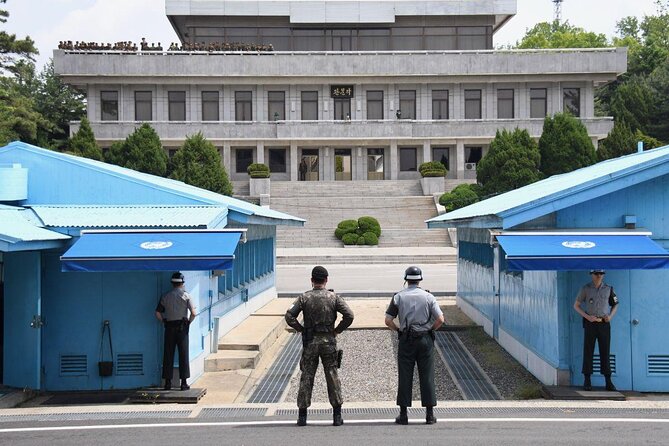
- Imjingak Park artifacts: war machinery and relics that anchor the story in the Korean War
- Freedom Bridge: a powerful stop tied to POW movement and the idea of return
- 3rd Infiltration Tunnel walk: about 400 meters of steep, narrow passage you can’t replicate independently
- DMZ Museum: photo and artifact displays that connect the dots before you look north
- Dora Observatory binoculars: a legal, guided way to observe North Korea’s side from the south
- Small-group feel (max 40): enough structure to keep the pace without feeling rushed all the time
DMZ tour from Seoul: what you really get for the day
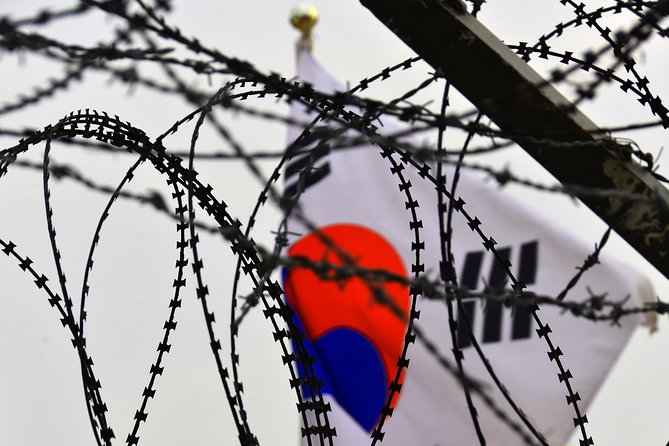
This DMZ Past and Present tour is built for one thing: making the border feel real. From Imjingak Park to the Freedom Bridge, you start with physical evidence of conflict. Then you move underground to the 3rd Infiltration Tunnel. Finally, you end with a view through binoculars from the Dora Observatory.
That “past and present” mix is the key value. A lot of border tours either stay in museum mode or stay in view mode. Here, you walk the sites that explain why the border is so protected, then you finish by looking north to see what that separation looks like in daily life.
You can also read our reviews of more tours and experiences in Seoul.

Getting to the DMZ: coach comfort and the practical timing
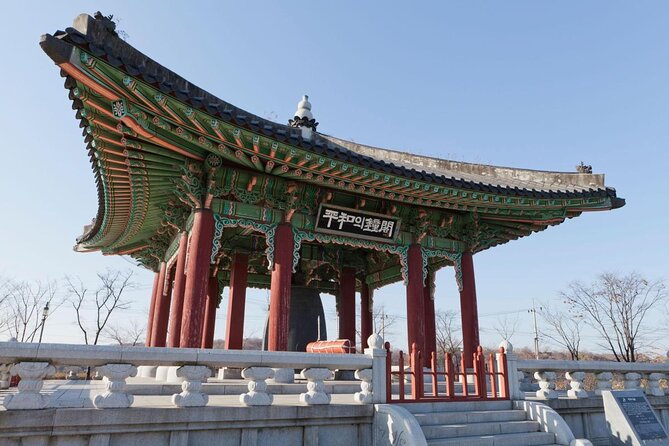
The tour runs about 6 hours 30 minutes. You’ll depart from downtown Seoul via air-conditioned coach after a pickup, and you return to central Seoul afterward. That alone is a big deal, because DMZ logistics are not something you want to puzzle out on your own.
The schedule is also designed to give you time at each stop. For example, you spend only about 15 minutes at Imjingak, then you move to the tunnel area for a longer block, and then you reach Dora Observatory with a short but focused visit. In a day like this, that rhythm matters: too little time and you miss context, too much time and your energy drops before the most important view.
A detail I appreciate is that it’s a guided experience with an expert commentary, not just a bus ride with a map. You’re not left alone to figure out what you’re looking at. That reduces the chance of the day feeling like a blur of checkpoints and fences.
Passport requirement: one checklist item that saves headaches
Bring a current valid passport for the day of travel. You don’t need to send a copy ahead of time, but you do need the real thing in hand on tour day.
If you’re traveling with other documents already, double-check that your passport has enough validity. Border-area tours can be strict, and this one is clear about the requirement. Think of it as your one must-do item before you even get close to the DMZ gates.
Imjingak Park (Imjingak Pyeonghoa-Nuri Park): war artifacts that set the tone
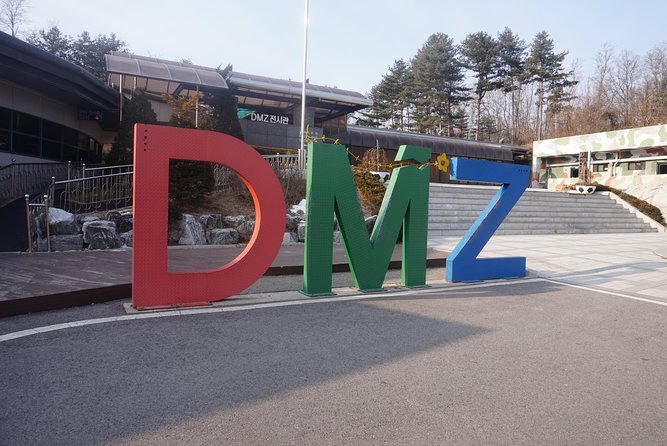
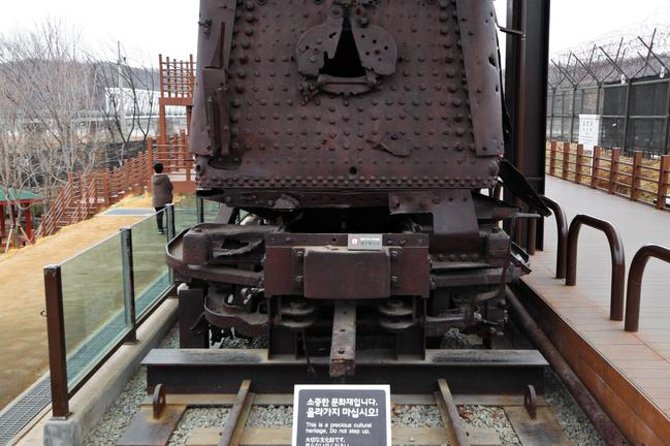
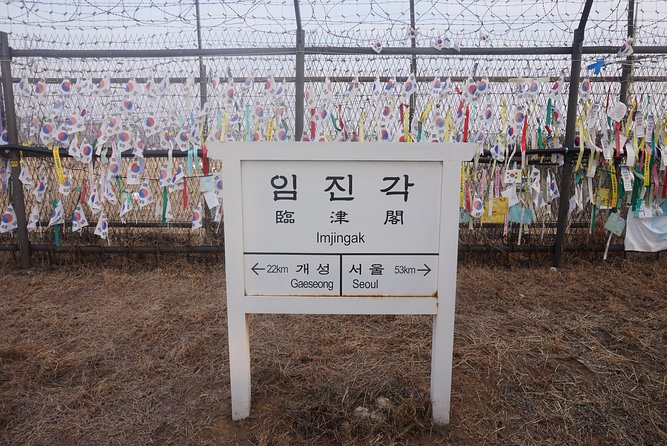
Your first major stop is Imjingak Pyeonghoa-Nuri Park, located by the Imjin River. This is where the tour anchors you in the Korean conflict with visible leftovers: artillery and war artifacts used during the Korean War.
This stop can feel surprisingly emotional, even if you’re not a history nerd. Why? Because it’s not an abstract story. The artifacts make the conflict concrete, and your guide’s narration helps you connect the equipment to the real purpose of the DMZ as a heavily guarded front line.
Practical tip: wear shoes you can stand in. Even if your time here is relatively short, it’s outdoors and you’ll want to move comfortably without rushing.
Freedom Bridge: why one structure matters so much
Next up is the Freedom Bridge, a key symbol tied to return and survival. The tour focuses on the nearly 13,000 POWs who crossed it on their path to freedom in South Korea.
This is where the tour shifts from hardware and battle memories into human outcomes. The bridge isn’t just a photo stop. With a guide, you get a sense of why the bridge became a lasting sign of hope and return, not just a piece of infrastructure.
If you like meaning in your travel, this stop is worth leaning into. Take your time with the story, then look around and notice how the surrounding area still reads as a border landscape—built to control movement, not celebrate it.


The 3rd Infiltration Tunnel: the steep, narrow part you should prepare for
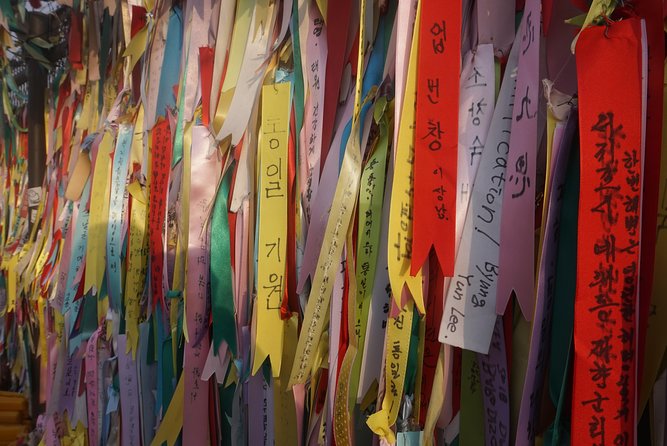
The most physically demanding moment comes at the 3rd Infiltration Tunnel. This section is beneath the North and South Korea border, and the tour explains the role of the tunnels as part of the broader border strategy.
Here’s the practical reality: you’ll do a moderate amount of walking through a steep and narrow tunnel. The distance is about 400 meters (around 1,300 feet) at an 11-degree gradient.
That means you should think about comfort, not just curiosity. Wear comfortable clothes and shoes, and pace yourself. If you’re tall, you may find the tunnel clearance tight, so keep your expectations realistic. If you’re someone who gets anxious in cramped spaces, mentally prepare for a longer, darker walk.
Also, treat this section like a safety-first moment. Move as instructed, keep an even pace, and don’t try to speed through just to get photos. The tunnel is one of the few ways this tour gives you access that you simply can’t recreate independently.
DMZ Museum: photos and artifacts that connect the timeline
After the tunnel, you’ll spend time at the DMZ Museum, looking at photographs and war artifacts on display.
This stop works like a reset button. By now, you’ve already encountered physical remnants and walked part of the underground border story. The museum helps you interpret it without overwhelming you with too much at once.
If you’re the type who learns best by seeing patterns, this museum time is useful. You can connect the tunnel and border tension to the broader story the guide is building throughout the day.
Dora Observatory: binocular views into Kijongdong and North Korea
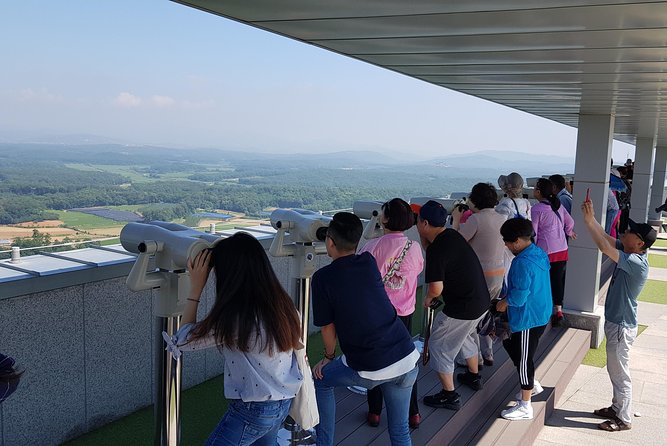
The finale is Dora Observatory, where you can use binoculars to observe North Korea. The tour guide explains the lifestyle across the river and gives you guidance on what to watch for.
A standout detail here is the village of Kijongdong. With the guide’s framing, it becomes easier to notice what matters instead of just scanning for shapes. You’re not getting a close-up visit, and you shouldn’t expect that. But the views from Dora Observatory are still one of the most unforgettable parts of any Seoul DMZ tour because they feel like watching a world separated by policy and politics.
Practical tip: bring a bit of patience for visibility and distance effects. Sometimes the view is clearer than you expect, and sometimes it’s hazier. Either way, the guide’s explanation helps you make sense of what you can and cannot see.
Price and value: is $37 a fair deal for DMZ access?
At $37 per person, this tour is priced like a value-first option. The reason it can feel fair is that you’re paying for more than sightseeing: you’re paying for DMZ access you can’t do independently, plus an expert guide, plus transportation by air-conditioned coach, plus admission fees.
What’s not included is the most obvious cost you might budget for: lunch. You’ll want to plan a meal on your own before or after. And since you’re on a structured timetable, eating wherever you find it might be less convenient than you’d like.
In plain terms: for the amount of access you get in one day—Imjingak artifacts, Freedom Bridge context, a tunnel walk, and binocular observation—the price stacks up well.
Pace, group size, and why the schedule feels manageable
The tour has a maximum of 40 travelers. That matters because it helps the day stay organized without turning into a chaotic line-jumping situation.
The pacing is also built to protect your energy. You’re not just sprinting between stops. You have short but defined time blocks at each location, which helps you stay focused at the parts that need attention most, especially the tunnel and the observatory.
The guide’s role is big here. In the strongest versions of this tour, guides keep the information clear and the timing practical. Names that come up often for this kind of experience include Spring Kim, Felicity, AJ, Katie, Grace, Chloe, Erica Kim, Sadie, and Yeoni. People describe their tours as organized, engaging, and paced well, with a special emphasis on using the binoculars effectively at Dora Observatory.
What to wear and bring for the DMZ day
The biggest advice is simple: dress for movement and tight spaces.
- Comfortable walking shoes are a must.
- Bring comfortable clothing for a tunnel walk through a steep, narrow passage.
- Plan to walk about 400 meters underground at an 11-degree gradient.
- Use the guide’s instructions closely during the tunnel section.
If you hate early mornings, check your pickup time and choose the option that matches your energy level. This tour is available with different pickup times, which is a smart choice if you’re trying to avoid a very early start.
Who this DMZ Past and Present tour is best for
This is a great fit if you want:
- A guided DMZ day that connects the border’s story from war artifacts to observatory views
- Real access to key sites you can’t easily visit alone
- Enough structure to learn what you’re seeing without getting overwhelmed
It may not be the best fit if:
- You’re uncomfortable with narrow, steep, physically demanding walking
- You want a super relaxed day with lots of lingering time at each stop
- You’re traveling with tight mobility needs (because the tunnel section requires a moderate level of walking)
This tour shines for history-minded travelers, but it also works for curious first-timers who just want a meaningful look at one of the world’s most protected borders.
Should you book this DMZ tour from Seoul?
I’d book it if your goal is to see the DMZ in a way that’s both structured and human. The combination of Imjingak Park, Freedom Bridge, the 3rd Infiltration Tunnel, and the Dora Observatory binocular view gives you a full story arc in one day.
Skip it—or plan carefully—if you know you’re not comfortable with cramped, steep walking. That tunnel is the defining physical element of the experience, and it’s not a gentle stroll.
If you’re on a budget and you want guided access to the DMZ’s most talked-about stops, this one is hard to beat at the price.
FAQ
How long is the DMZ Past and Present tour from Seoul?
It lasts about 6 hours 30 minutes.
What is included in the ticket price?
The tour includes an expert guide, transport by air-conditioned coach, and admission fees at the stops.
Is hotel pickup included?
A convenient hotel pickup is included, and drop-off is in central Seoul.
Do I need a passport for this tour?
Yes. A current valid passport is required on the day of travel.
Do I need to send a copy of my passport in advance?
No. You do not need to send a copy.
Is there a lot of walking?
There is a moderate amount of walking, including a tunnel walk of about 400 meters (1,300 feet) at an 11-degree gradient.
Is the tunnel walk difficult for everyone?
It can be challenging because the tunnel is steep and narrow. Comfortable clothes and shoes are recommended.
Can I use binoculars to see North Korea?
Yes. At Dora Observatory, you can use binoculars to observe North Korea.
Is lunch included?
No. Lunch is not included.
What is the maximum group size?
The tour has a maximum of 40 travelers.
Can I cancel for a full refund?
Yes, you can cancel for a full refund up to 24 hours in advance of the experience start time.