REVIEW · SEOUL
Learn and Craft Makgeolli in a Traditional Brewery
Book on GetYourGuide →Operated by Baekusaeng Makgeolli · Bookable on GetYourGuide
Korean rice wine has a way of making you pay attention. In this Makgeolli class, you’ll learn the traditional method from Joe Kim, then craft your own batch while comparing craft and commercial makgeolli. The session is packed into 2 hours, so it can feel a bit crowded if you prefer a slower pace.
I really like that this isn’t a showroom “demo.” You work through ingredients, tools, and the making process, and you also get guided tastings (including blind tastings) that sharpen your palate fast. One thing to consider: it’s a tasting-heavy experience, so you’ll want to plan for drinking and stick to public transportation.
You’ll meet at Baekusaeng Makgeolli inside Ahyeon Market, so the class doubles as a hands-on look at how Seoul neighborhoods actually function. You leave with your own fermenting kit, roughly enough for about 1.5 liters, which is a great souvenir you can drink later.
In This Review
- Key things that make this class worth your time
- Price and value: what $80 buys you in 2 hours
- Finding Baekusaeng Makgeolli in Ahyeon Market (without stress)
- Meet Joe Kim: who’s teaching, and why that matters
- The 2-hour flow: from tasting craft makgeolli to making your own
- 1) Getting oriented with craft vs commercial
- 2) Theory and history while you taste
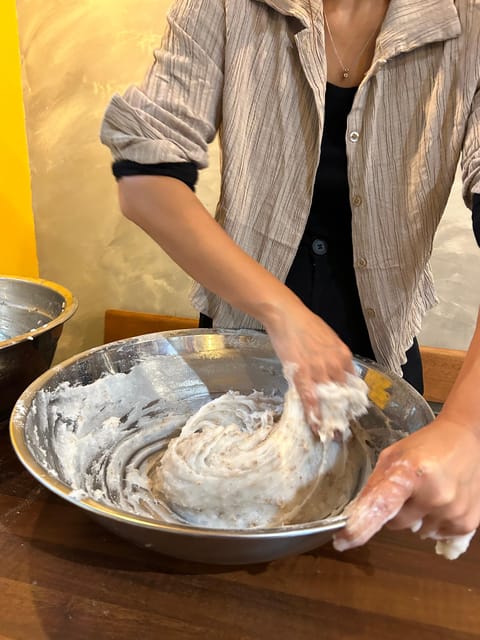
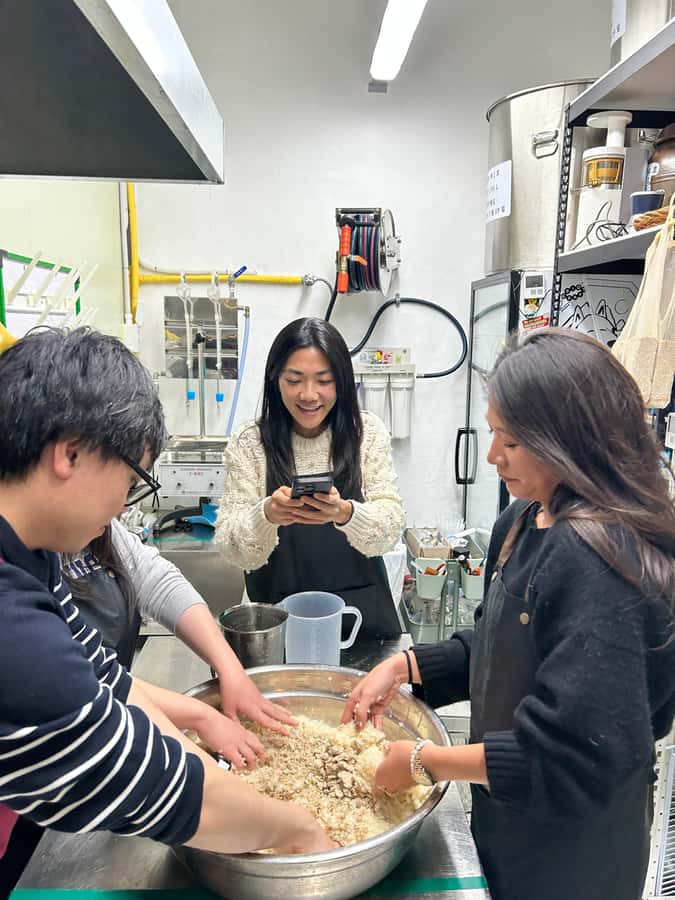
- 3) Hands-on brewing: ingredients and tools first
- 4) Blind tastings to train your senses
- What you’ll sample: craft makgeolli, commercial types, and soju
- Your take-home makgeolli kit: the best souvenir you can ferment
- Logistics that affect your comfort level
- Who this class is perfect for (and who should skip)
- Should you book this makgeolli class?
- FAQ
- How long is the Makgeolli class?
- Where is the class located?
- What’s included in the price?
- Do I need to bring anything?
- Can I get a finished bottle instead of a fermentation kit?
- What’s the age requirement?
- What languages is the class taught in?
Key things that make this class worth your time
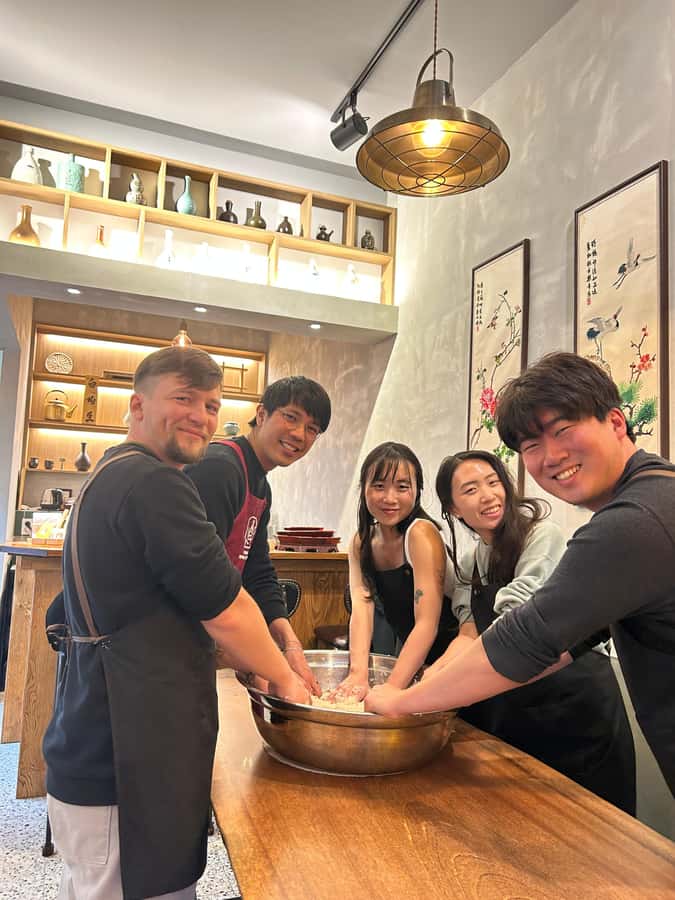
- Joe Kim teaches it: Korean Alcohol Sommelier, brewery owner, and author of the first complete English guide to home brewing Korean rice wine
- Craft vs commercial tastings: you’ll sample and compare differences before and during the class
- Blind tastings and soju sampling: you’ll practice noticing flavors, not just sipping blindly
- Hands-on brewing: you learn ingredient choices, tool selection, and the steps to make your own makgeolli
- Small group size (max 10): easier to ask questions and get help as you work
- Take-home fermenting kit: about 1.5 liters ready to ferment at home (or you can get a finished bottle if needed)
Price and value: what $80 buys you in 2 hours
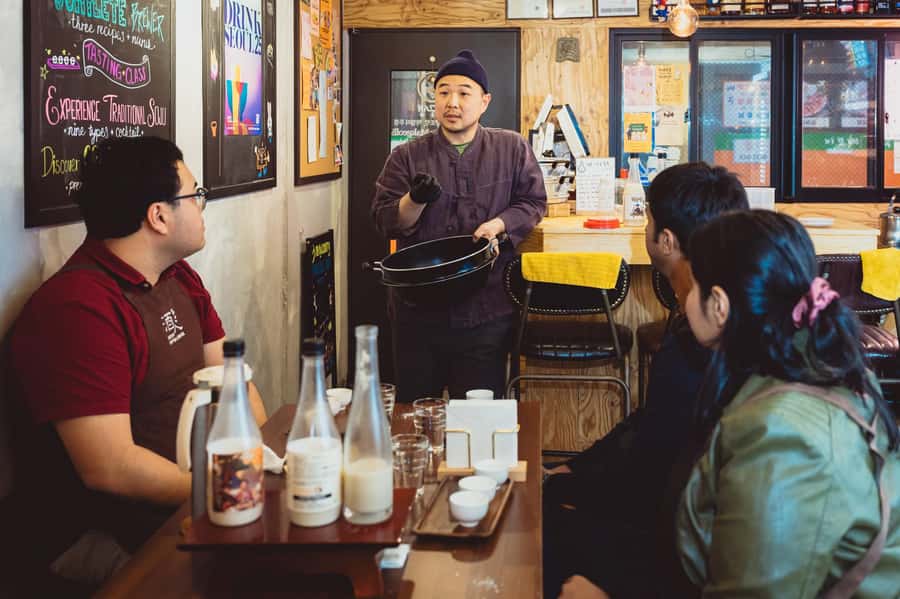
At $80 per person for 2 hours, this class isn’t “cheap,” but it also isn’t just a ticket to taste a few small pours. You’re paying for four things that add up fast: guided theory and history, serious tasting (including blind tastings), hands-on brewing guidance, and a take-home fermenting kit.
A lot of food-and-drink experiences in Seoul give you one of those pieces. This one stacks them. You learn how the drink is made, you train your ability to taste differences (craft vs commercial), and you leave with a real fermentation project you can do at home.
If you enjoy learning by doing, the value is strong. If you only want a quick sip tour, you might feel the time pressure. The class is designed to move, and the pace reflects that you’ll be tasting throughout.
You can also read our reviews of more drinking tours in Seoul



Finding Baekusaeng Makgeolli in Ahyeon Market (without stress)
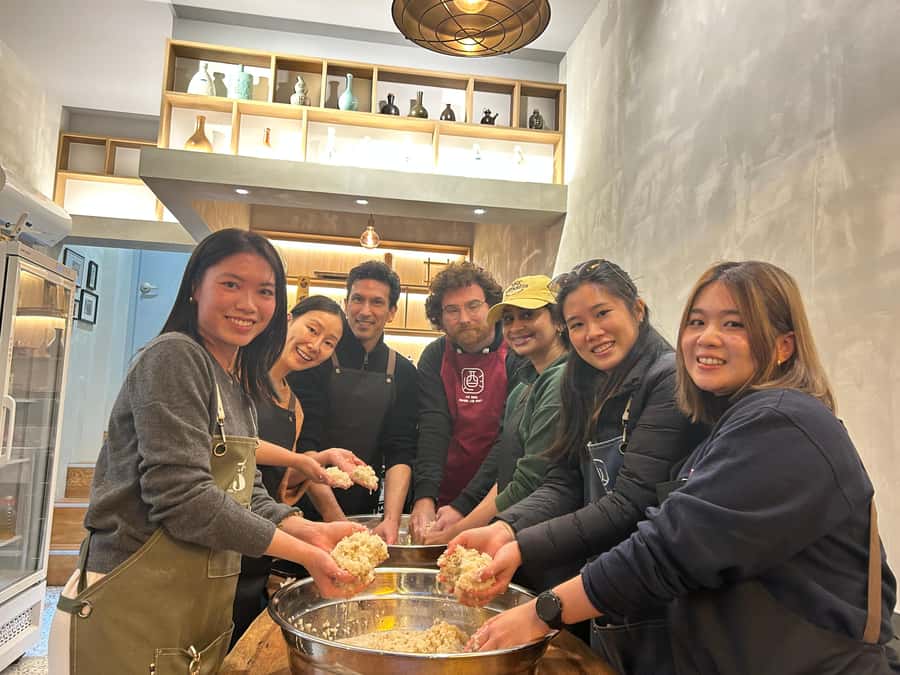
The meeting point is very specific: Baekusaeng Makgeolli, located inside Ahyeon Market, Mapo-gu, Ahyeon-dong 346-35 (백구생 / Baekusaeng Makgeolli).
If you’re using the subway, aim for Ahyeon Station (Line 2), Exit 4. From there, the directions are straightforward: walk straight until you see Mega Coffee, turn left, keep walking until you reach the market entrance on the left, and look for the shop logo.
There’s no pickup from the station, so build in a little time to locate the market entry calmly. The good news: once you’re in the market, the setting makes sense. You’re learning Korean alcohol-making in a space that feels like everyday Seoul, not a staged “tour” corner.
For bus or taxi, you’ll get dropped at 웨딩타운버스정류장 (Wedding Town bus stop) and then make your way to the market from there.
Meet Joe Kim: who’s teaching, and why that matters
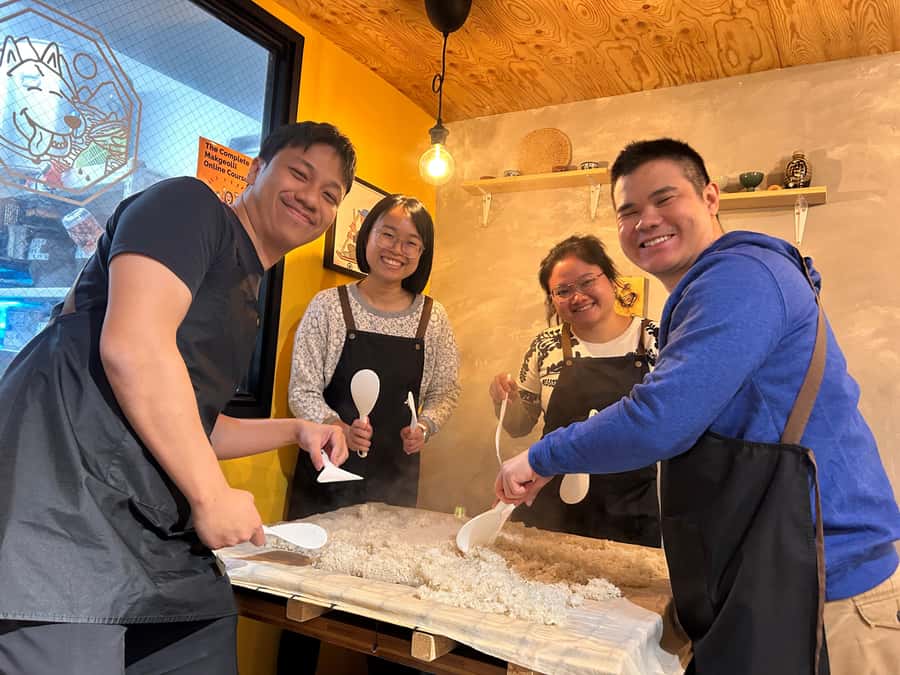
This class is taught by Joe Kim—a Korean Alcohol Sommelier and Makgeolli brewery owner. He’s also the author of the first complete English guide to home brewing Korean rice wine, which is a strong signal of depth rather than casual enthusiasm.
Why does that matter for your experience? Because this isn’t only about drinking. You’ll get instruction on:
- choosing ingredients
- selecting the right tools
- the theory and history behind makgeolli
- how to understand what you’re tasting
The reviews you’ll see for this class emphasize that he’s engaging and that the session feels educational, not performative. If you ask questions, it’s the kind of class where those questions actually fit the teaching.
Also worth noting: the instructor team supports multiple languages—Korean, Spanish, and English—so you can expect explanations that don’t require you to guess what’s going on.
The 2-hour flow: from tasting craft makgeolli to making your own
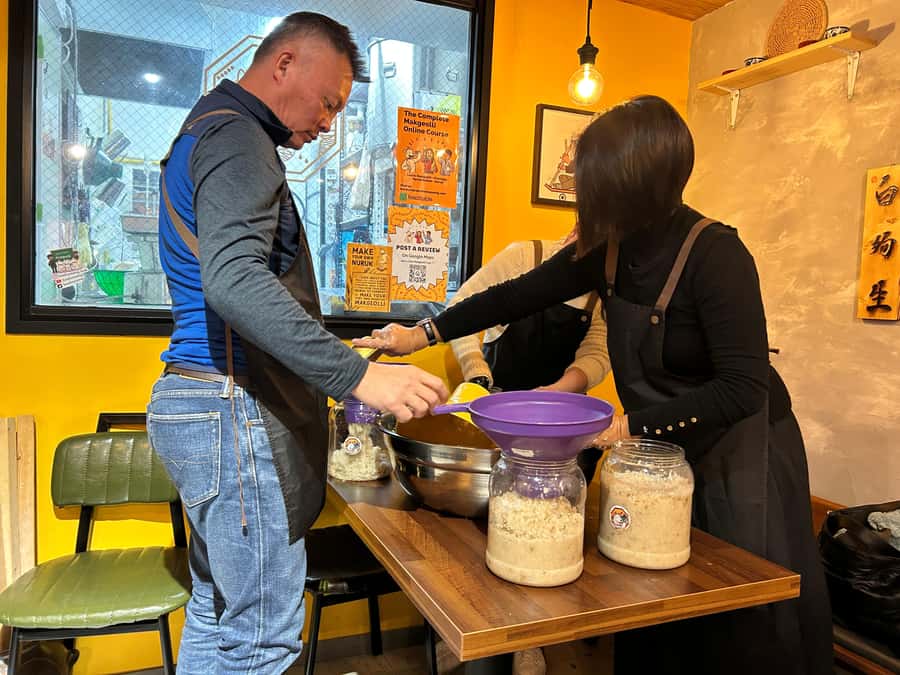
The structure is built to teach you through contrast and practice. You’ll start with tasting and comparisons, then move toward hands-on brewing so the theory lands in your hands, not just in your head.
1) Getting oriented with craft vs commercial
You’ll learn the differences between craft makgeolli and commercial makgeolli, and you’ll taste them. This matters because makgeolli isn’t one single flavor. What you learn here is that production choices affect taste, aroma, and how the drink feels in your mouth.
It’s a great setup for what comes next: once you’ve tasted the “why,” your own brewing choices make more sense. You’re not building something blindly; you’re connecting the steps to how the final product tastes.
You can also read our reviews of more tours and experiences in Seoul

2) Theory and history while you taste
You’ll also get in-depth theory and history during the session, plus sampling of soju. The soju tasting acts like a reference point. Even though soju is different, it helps you understand the broader Korean alcohol world so makgeolli doesn’t feel isolated.
If you’re the kind of person who likes context, this is where you’ll enjoy the class most. You’ll understand that fermentation and ingredient decisions are what shape the drink, not just tradition as a buzzword.
3) Hands-on brewing: ingredients and tools first
Then it’s your turn to craft your own makgeolli. You’ll learn:
- how to choose ingredients
- how to select the right tools
- how the process works step-by-step (as taught in class)
The key detail is that the class treats brewing as a skill. You’re not just pouring and hoping. You’ll be guided, and the small group size helps you get real help if something isn’t clear.
4) Blind tastings to train your senses
One of the most useful parts is the blind tasting. This is where you stop relying on labels and start reading the drink itself—flavor, balance, and what stands out. It’s also where the “2 hours” can feel short, because your brain is working the whole time.
So yes, it’s sensory. But it’s also skill-building.
What you’ll sample: craft makgeolli, commercial types, and soju
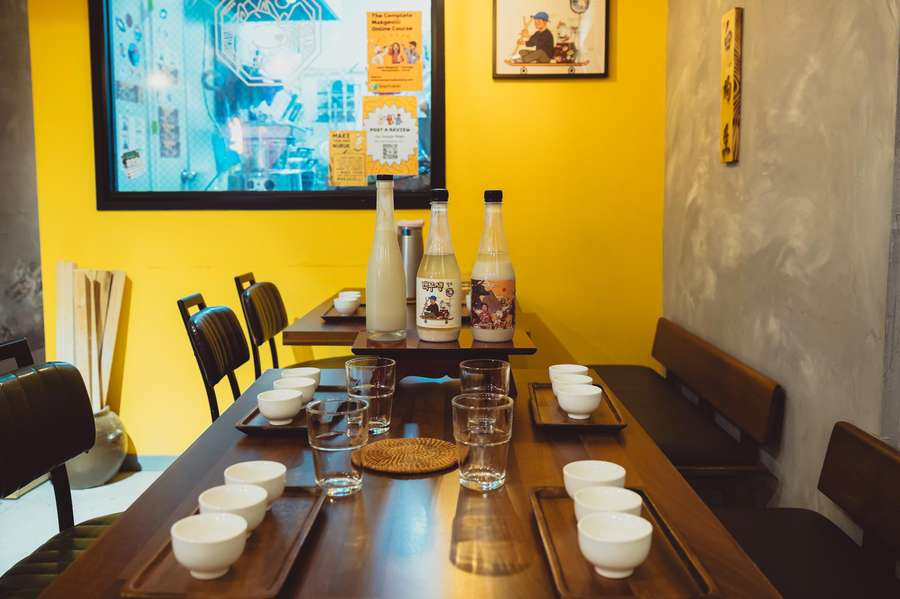
This class includes a guided tasting of craft makgeolli, plus exposure to commercial/premium makgeolli varieties. You’ll also do blind tastings and sample soju.
Here’s how to use that portion to get real value: go slow with your thinking. Instead of chasing the “best” flavor right away, ask yourself what you notice first—sweetness, aroma, acidity, or texture. Blind tasting is built for practice, not judgment. If you treat it like a game, you’ll actually learn faster.
Also: come prepared to drink and sample many types. They recommend you avoid driving. If you’re trying to squeeze this into a tight Seoul schedule, keep it simple—public transportation is the smart move.
Light snacks are included, which helps, but don’t plan to “eat it off” later. Better to treat this as an alcohol-focused workshop.
Your take-home makgeolli kit: the best souvenir you can ferment
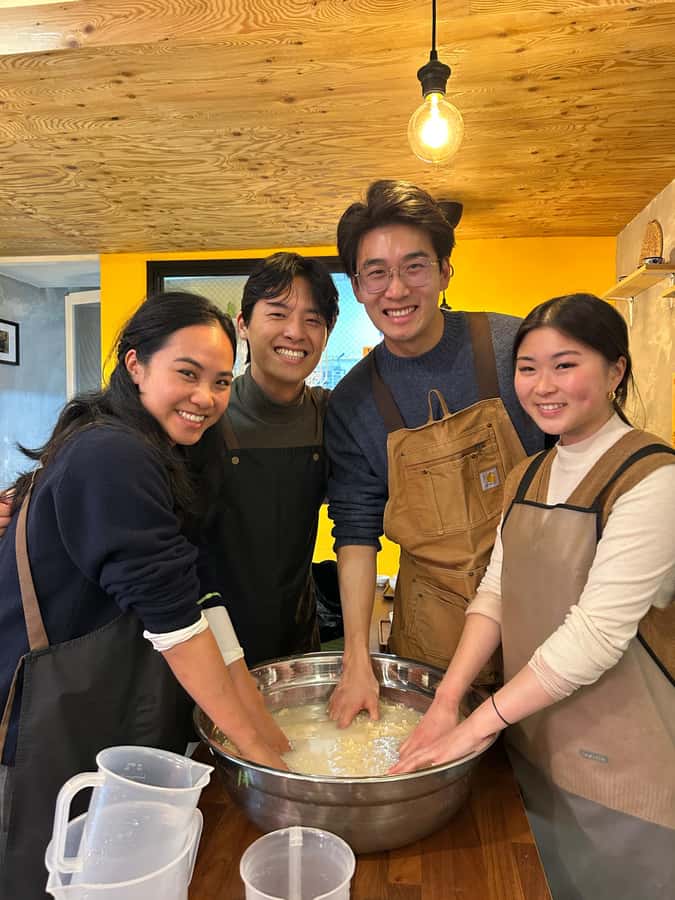
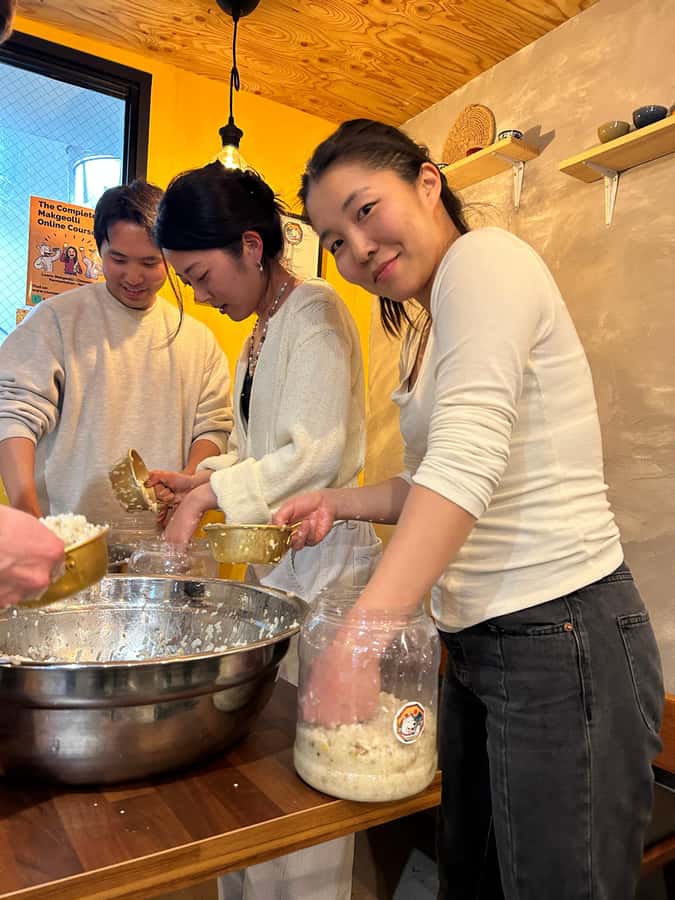
You’ll leave with your own makgeolli kit to ferment at home, which will yield about 1.5 liters. That’s a meaningful amount, not just a token sample.
If you can’t take the kit with you, the class can offer a finished bottle instead. That flexibility helps if you’re traveling light or worried about carrying glass/liquids.
There’s one small practical requirement: bring a reusable bag to take your Makgeolli vessel with you. The class is in a market area, so you’ll likely be walking through streets and crowds, and a dedicated bag makes that part smoother.
This is also where the class earns points for staying power. You don’t just taste makgeolli once in Seoul—you get a project you can repeat. It turns the experience from a two-hour event into something you can connect to later when you taste your own fermentation results.
Logistics that affect your comfort level
A few factors can change how the experience feels.
Small group (max 10): This is a strong plus. It keeps the instruction interactive and helps you get answers while you’re learning the process.
2 hours and a busy pace: The session is packed. If you’re someone who wants lots of quiet time or slow walking, you might feel squeezed. The upside is that you’ll cover a lot: theory, multiple tastings, then brewing.
Not suitable for certain groups: It’s not suitable for pregnant women and people under 21. Also, no smoking indoors and no alcohol/drug behavior beyond the tasting context.
No subway pickup: You’re going to locate the market yourself. The directions are clear, but build a few minutes buffer so you don’t arrive rushed.
And one more comfort tip: since you’ll be tasting and sampling, don’t schedule this right before a long airport journey or an early morning “must be alert” activity.
Who this class is perfect for (and who should skip)
This is a great fit if:
- you want a hands-on food and drink workshop, not a lecture
- you enjoy comparing similar products (craft vs commercial)
- you like guided tastings and skill-building like blind tasting
- you’re curious about Korean fermentation culture beyond stereotypes
- you want a take-home project and not just photos
It might be less ideal if:
- you prefer non-drinking experiences (this is tasting-focused)
- you want a slow, relaxed class format
- you can’t handle carrying the kit and need a totally no-carry souvenir
- you’re sensitive to the fact it’s taught in multiple languages and explained at workshop speed
If you’re traveling with a group, the small size can also be a plus. You get the experience without it turning into a factory line.
Should you book this makgeolli class?
I’d book it if you want an authentic Seoul experience that teaches real craft skills. The big reasons: Joe Kim’s expertise, the mix of theory + hands-on brewing, and the tasting structure that includes craft vs commercial comparisons and blind tastings. On top of that, you don’t just leave with a story—you leave with a fermenting kit for about 1.5 liters.
Skip it if you want a light, low-alcohol “wander and sip” style activity. This one is built for people who enjoy tasting, learning, and making something you’ll actually follow through on at home.
If that sounds like you, this class is one of the best ways to spend a couple hours in Seoul while learning a Korean tradition that still feels practical, not just ceremonial.
FAQ
How long is the Makgeolli class?
The class lasts 2 hours. You’ll need to check availability to see the starting times.
Where is the class located?
It’s held at Baekusaeng Makgeolli inside Ahyeon Market in Mapo-gu, Ahyeon-dong 346-35 (백구생 / Baekusaeng Makgeolli).
What’s included in the price?
The class includes ingredient and tool explanations, crafting your own makgeolli, tastings of craft makgeolli, blind tastings, sampling soju, light snacks, and a take-home makgeolli fermentation kit (about 1.5 liters).
Do I need to bring anything?
You should bring a reusable bag to take your makgeolli vessel home.
Can I get a finished bottle instead of a fermentation kit?
Yes. If you can’t take the kit with you, they can provide a finished bottle instead.
What’s the age requirement?
It’s not suitable for people under 21.
What languages is the class taught in?
The instructor supports Korean, Spanish, and English.