REVIEW · SEOUL
Seoul History Tour: Dark Past & Market Street Flavors
Book on Viator →Operated by TRIPPER KOREA · Bookable on Viator
Seoul has a darker side worth seeing. This 4-hour Seoul History Tour ties together Seodaemun Prison, a royal palace, and one of the city’s best street-food zones so the story of Korea’s independence and everyday life isn’t just separate stops. You’re walking through major chapters of the 20th century, then finishing with the kind of meal locals actually crave.
I like that you get guided context from an English-speaking expert on Korean history, not just time in front of exhibits. I also like the pacing of the day: serious history first, then a shift to Deoksugung’s mix of architectural styles, and finally Namdaemun Market tastings to bring the day back down to real-life Seoul.
One consideration: it’s a walk-heavy route, and the tour is listed for moderate physical fitness. If you’re the type who hates crowd flow or gets annoyed when plans feel fast, you’ll want to go in with realistic expectations.
In This Review
- Quick hits before you go
- Seodaemun Prison History Hall: Seoul’s hard chapter, explained for real understanding
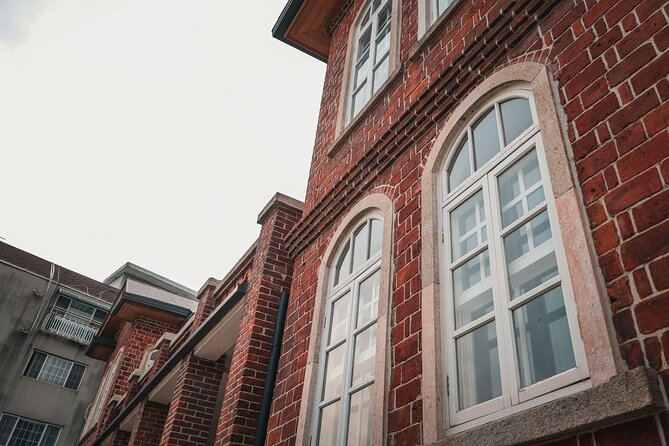
- Dilkusha (Albert W. Taylor House): the independence story includes international allies
- Deoksugung Palace: royal grounds, plus Western-era influences in one view
- Sungnyemun Gate and Seoul City Hall: watching history change shape outside the museum
- Namdaemun Market street-food hour: the day ends with Seoul you can taste
- Pace, timing, and what the 4-hour route actually feels like
- Price and value: is $65 worth it for this mix?
- Who should book this Seoul History Tour, and who might not love it
- Should you book it? My straight answer
- FAQ
- FAQ
- How long is the tour?
- What does it cost, and what’s included?
- Where does the tour start and end?
- What time does the tour start?
- Do I need a printed ticket?
- Does the tour operate in rain or snow?
- How large is the group?
Quick hits before you go
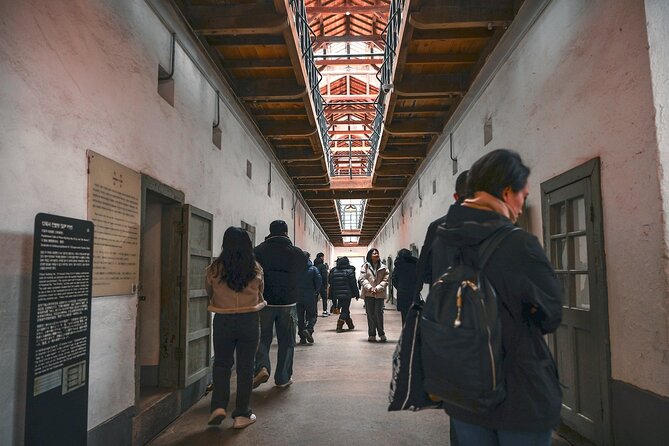
- Seodaemun Prison focus: You spend 50 minutes at Seodaemun Prison History Hall, built for understanding hardship under colonial rule.
- A name with meaning: Dilkusha, the Albert W. Taylor House, connects Korean independence to international support.
- Deoksugung’s mix of styles: You’ll see a palace scene shaped by both Korean and Western architectural influences.
- Old city lines, new meaning: Sungnyemun Gate and the area around Seoul City Hall give you a visible reminder of how Seoul changed after its dark chapter.
- Namdaemun Market food tastings: Food tastings are included, plus a stop tied to Kalguksu Alley.
- Group size capped at 99: Still manageable, but it’s not a private tour.
Seodaemun Prison History Hall: Seoul’s hard chapter, explained for real understanding
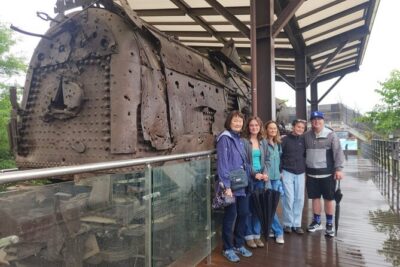
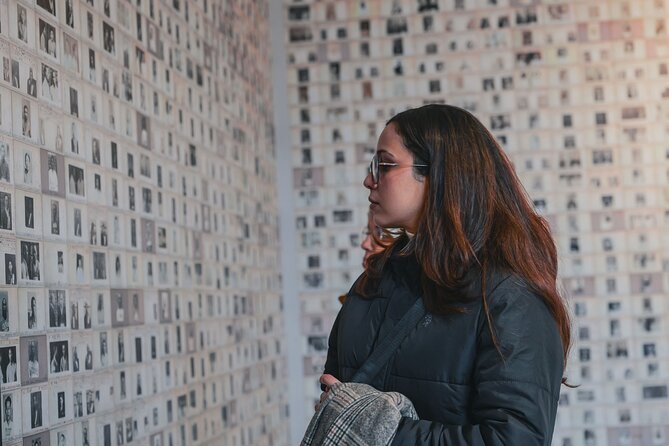
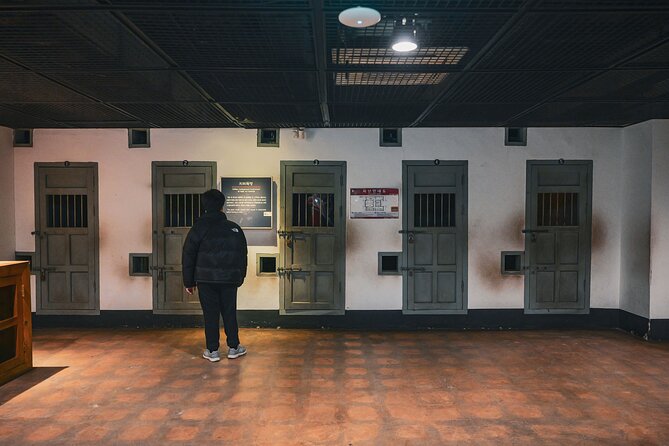
Start with Seodaemun, and you’ll quickly feel why this place is a must even if it’s heavy. The tour includes 50 minutes at the Seodaemun Prison History Hall, where the exhibits cover the Japanese colonial period and the experience of Korean independence fighters. This isn’t presented as vague sadness. It’s built as a timeline you can follow, with stories that help you understand what resistance cost.
What I like about putting Seodaemun first is that it changes how you read everything that comes after. After you’ve walked through the somber halls, the rest of the route feels less like sightseeing and more like a “then and now” lesson. You’re also not just looking at artifacts from far away. You’re standing in a space tied to confinement and endurance, so the historical message has weight.
The Seodaemun stop is paired with the Seodaemun Museum of Natural History area, which can be useful if you want your brain to shift gears slightly before you take in the emotional parts of the prison history. Plan for mixed emotions: this is one of those tours where you’ll probably want a slower moment to catch your breath.
Practical tip: wear shoes you trust. You’re on a schedule, and the route is designed for walking from one historic site to the next. If you get sore easily, bring a light layer for when the weather turns.
You can also read our reviews of more historical tours in Seoul
Dilkusha (Albert W. Taylor House): the independence story includes international allies
Then comes Dilkusha, the Albert W. Taylor House, with about 30 minutes there. This stop feels like a pressure valve after Seodaemun because it turns the spotlight to support and solidarity beyond Korea’s borders. Dilkusha is described as the historic house of Albert Taylor, an American journalist who supported Korea’s independence.
The name Dilkusha matters too. You’ll learn that it means Heart’s Delight, a small detail that helps the history feel human instead of only political. The takeaway is that independence wasn’t only driven by people inside Korea—global attention and support also played a role, and that connection is what makes this stop different from typical palace-and-prison sightseeing.
If you like history that connects dots—how one movement can gain international allies—this is a great moment in the tour. It also gives you a change of scenery with a different tone than the prison exhibits. Instead of punishment and suffering, you get a story about advocacy and belief.
If you’re the kind of traveler who worries a tour will run too fast, Dilkusha is one of the better-balanced stops. At 30 minutes, it’s long enough to absorb the key points without draining you.
Deoksugung Palace: royal grounds, plus Western-era influences in one view
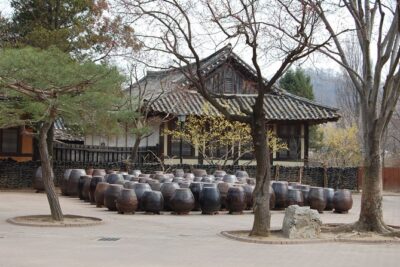
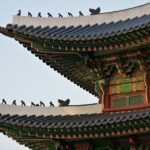
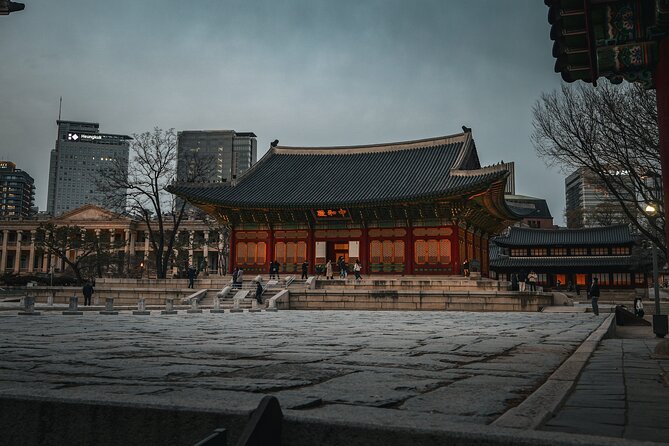
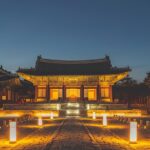
Next is Deoksugung Palace, about 40 minutes, and this is where you see Korea managing change in a very visible way. The tour calls out Deoksugung’s blend of traditional Korean and Western architectural styles, which is exactly the kind of detail that helps modern Seoul make sense. It’s not just about old buildings—it’s about what happens when a society adapts while political pressures are still in motion.
Deoksugung also gives you a visual contrast after Seodaemun. You’re moving from a place defined by confinement into a palace environment that feels open and designed for authority and public memory. The architecture is the star here. Even if you’ve visited other palaces in Seoul, Deoksugung’s mix of styles often feels distinctive because it reflects more than one era at once.
This is also the part of the tour where your guide’s storytelling really matters. In the best versions of this experience, you’ll hear clear explanations that link palace spaces to broader themes like modernization and political turbulence. That kind of framing makes the palace buildings more than just pretty photos.
Practical tip: bring a light layer even in mild weather. Palaces can mean open spaces, and the temperature can swing depending on wind and time of day.
Sungnyemun Gate and Seoul City Hall: watching history change shape outside the museum
After Deoksugung, you’ll head toward Sungnyemun Gate, with about 20 minutes at the area around Seoul City Hall and Sungnyemun. This section is framed as a transition point—passing by Seoul City Hall as a symbol of Korea’s transformation from colonial past toward democracy, and then seeing Sungnyemun (Namdaemun) as the historic city gate presence.
This stop is short, but it has a smart job: it ties your emotional learning (Seodaemun), your “international connections” chapter (Dilkusha), and your “adaptation and modernization” snapshot (Deoksugung) into the street view. The city becomes part of the lesson. You’re not stuck inside one exhibit hall after another.
If you’re someone who likes to understand how a place evolved, this quick city-block moment is useful. It’s also a good photo stop, since the gate area is built for that classic Seoul landmark look.
Timing note: because this is a passing stop, you’ll want to keep your expectations realistic. Use the time you’re given. Take your photos. Then move on—this route is built like a sequence, and skipping your attention here will make the transition feel weaker.
Namdaemun Market street-food hour: the day ends with Seoul you can taste
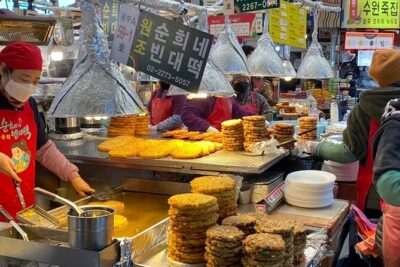
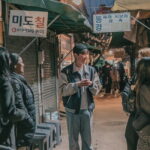
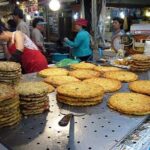
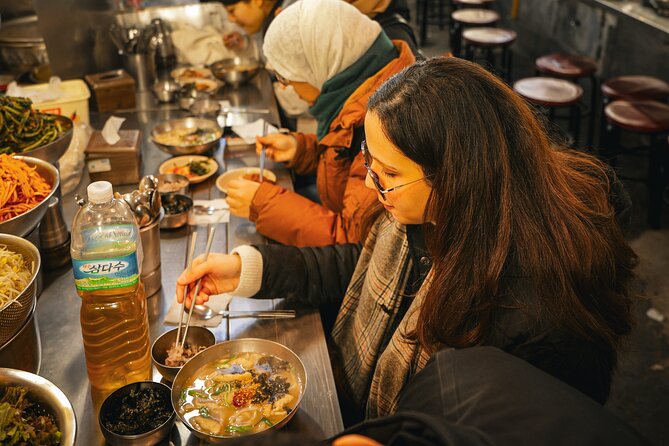
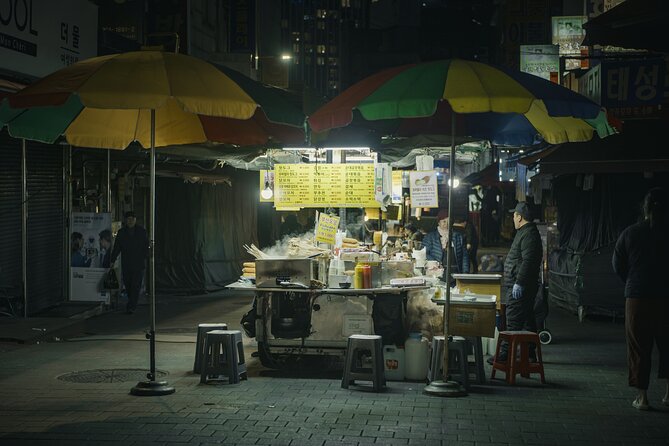
Finally, you reach Namdaemun Market for about 1 hour. This is where the tour shifts from political history into daily life. Namdaemun is described as Korea’s largest and oldest traditional market, with vendors selling goods for over 600 years. That matters because it means you’re eating in a place that has survived long enough to carry multiple eras in its rhythms.
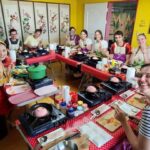
The tour includes food tastings, and it specifically mentions Kalguksu Alley as a famous area to eat. I like how this ending works: after learning about suffering, resistance, and modernization, you get back to the kind of comfort food that keeps a city moving.
Here’s how to make the most of the market time:
- Go hungry enough to enjoy the tastings, but don’t assume this will be a huge sit-down meal.
- If something smells amazing, ask what it is. A good guide can help you choose without turning it into a guessing game.
- Pace yourself. Market time is fun, but it moves fast in a crowd.
Namdaemun Market also tends to be a great place to pick up small snacks for later, especially if your evening plans include walking around more of downtown Seoul. And because your tour ends here, it’s an easy way to keep the day going without needing transportation back to a hotel right away.
You can also read our reviews of more shopping tours in Seoul

Pace, timing, and what the 4-hour route actually feels like
This is a 4-hour tour starting at 2:30 pm. It begins at 95-10 Hyeonjeo-dong, Seodaemun-gu, and ends at Namdaemun Market (21 Namdaemunsijang 4-gil, Jung District). The tour uses a mobile ticket, which means you’ll want your phone charged and ready for check-in.
Group size is capped at 99 travelers, so you’re not dealing with a tiny class, but it’s also not a giant open crowd. What that means for you: you’ll have some time to look around, yet the day still runs on a schedule. The combination of museum time, palace time, and market time is designed to fit the whole story into a single afternoon.
The tour is listed as operating even in rain or snow. That’s helpful, because history doesn’t stop, and you don’t want your vacation calendar to hinge on the weather. The “but” is that it requires good weather, and you may only get contact if it becomes completely impossible to continue. Translation: bring a compact rain layer, and expect to walk outdoors at multiple points.
Finally, communication happens in a very practical way. One day before the tour date, you’ll get detailed information and the guide’s contact via WhatsApp (as long as you provide a phone number that’s available on WhatsApp). If you don’t use WhatsApp, the info goes by email, so it’s worth checking your inbox the day before. This matters because you want to find your group fast, not spend your first 10 minutes hunting.
Price and value: is $65 worth it for this mix?
At $65 per person, this tour is priced like a “history plus feeding you” city experience. What you’re paying for isn’t only transportation; it’s the English-speaking guide plus entrance fees and market food tastings.
Here’s why that feels like good value if you’re the type who wants context:
- You’re paying for guidance through Seodaemun Prison History Hall, which can be intense to navigate without explanation.
- You’re also getting access included to Deoksugung, where architectural details are easier to understand when someone points out what to notice.
- You’re not ending the day with empty hands. Food tastings at Namdaemun Market are included, so the final hour isn’t purely a time sink.
If you were to visit Seodaemun Prison, Deoksugung, and Namdaemun Market on your own, you’d still spend time coordinating transit and figuring out what’s worth your attention. The guided structure is the real convenience. You save decision fatigue, and you leave with a clearer “why this matters” narrative instead of a list of places.
Who should book this Seoul History Tour, and who might not love it
I’d put this tour on the “yes” list if you want:
- A guided understanding of Korea’s independence movement and the colonial period using real sites
- A route that connects serious history to the everyday Seoul experience at Namdaemun
- A moderate-length afternoon plan that doesn’t eat your whole day
I’d think twice if you:
- Have very low tolerance for walking or mixed indoor/outdoor time (it’s listed for moderate physical fitness)
- Prefer slow, unstructured museum pacing and hate when a schedule feels tight
- Are extremely sensitive to emotionally difficult historical topics
One more note: a guide named Kim shows up in feedback as an example of someone who explains well and supports people. That kind of human factor matters on a tour like this, where clear narration can change your emotional experience from heavy to meaningful.
Should you book it? My straight answer
Book it if you want a single afternoon that gives you both the story and the texture of Seoul. The strongest parts—Seodaemun Prison and Deoksugung—work because they’re not separated from the rest of the day. Ending at Namdaemun Market is more than a reward. It’s part of the lesson: history doesn’t live in a vacuum.
Skip it or consider a lighter alternative if you know you’re not ready for colonial-era prison content, or if walking and schedule pacing will stress you out. This tour is powerful, and it moves.
FAQ
FAQ
How long is the tour?
The tour is approximately 4 hours.
What does it cost, and what’s included?
It costs $65.00 per person. Included are an English-speaking professional guide, transportation cost, all entrance fees, and food tastings at Namdaemun Market.
Where does the tour start and end?
It starts at 95-10 Hyeonjeo-dong, Seodaemun-gu, Seoul, South Korea and ends at Namdaemun Market, 21 Namdaemunsijang 4-gil, Jung District, Seoul.
What time does the tour start?
The start time is 2:30 pm.
Do I need a printed ticket?
No. The tour uses a mobile ticket.
Does the tour operate in rain or snow?
It operates as scheduled even in case of rain or snow. You will be contacted separately only if the weather makes it completely impossible to proceed.
How large is the group?
The maximum group size is 99 travelers.