REVIEW · SEOUL
Half-Day South Korea DMZ Small-Group Tour from Seoul
Book on Viator →Operated by Etourism Co.Ltd · Bookable on Viator
DMZ is not a postcard. It’s the real edge of the Korean divide, and this small-group half-day trip is built to show you the symbols, the tunnels, and the view—without wasting your whole day. You’ll ride out from Seoul, stop at war-memory sites, walk through a DMZ tunnel, and end with a quick cultural stop back in town.
I especially like the way this tour balances emotion and logistics. You get time at Imjingak Pyeonghoa-Nuri Park (war statues and monuments), then you move on to concrete, physical history with the 3rd Tunnel and Dora Observatory. Second, the format is easy: an English-speaking guide with commentary, all transport included, and a tight schedule that keeps you from feeling lost in the process.
One drawback to plan for: DMZ access depends on the rules and conditions of the day. You need an original passport (no copy, no photo), tickets are limited and handled first come, first served, and last-minute booking isn’t guaranteed.
In This Review
- Key things that make this DMZ tour worth your time
- DMZ in a half day: what you actually see (and feel)
- Passport and DMZ ticket rules: the part you can’t wing
- Seoul City Hall morning start: small group pace and smooth transport
- Imjingak Pyeonghoa-Nuri Park: war monuments built for unification
- Paju Freedom Bridge: a name that signals return
- The 3rd Tunnel (45 minutes): walking through engineered history
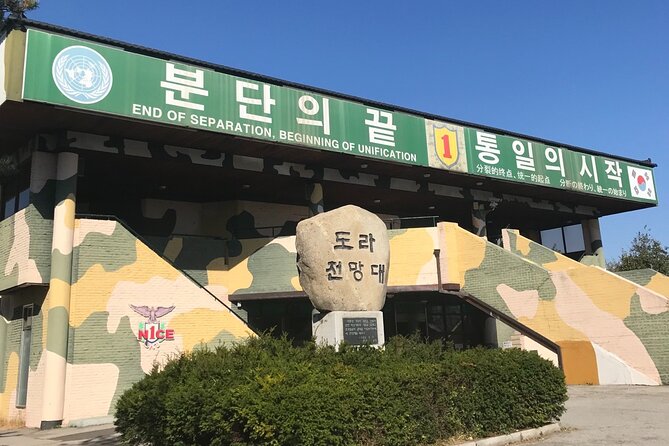
- Dora Observatory: the official view over North Korea
- Ginseng Museum and duty-free time: a lighter landing back in Seoul
- Price and value: why $500 per group can work
- Guide experience: the difference between information and real understanding
- Who should book this DMZ small-group tour?
- Make the day work: practical tips for a smoother DMZ morning
- Should you book this DMZ tour?
- FAQ
- How long is the Half-Day South Korea DMZ tour?
- Where do I meet the tour, and where does it end?
- What time does the tour depart?
- Is an original passport required for DMZ entry?
- How much does the tour cost?
- Is lunch included?
Key things that make this DMZ tour worth your time
- Original passport required for DMZ entry, no substitutes.
- Tunnel + observatory combo: walk through the 3rd Tunnel and then look over North Korea from Dora Observatory.
- Small groups (up to 10) help you ask questions and stay on schedule.
- Imjingak Pyeonghoa-Nuri Park ties war memories to the unification idea (built in 1972).
- Time-efficient stops in Paju including Freedom Bridge and the nearby tunnel area.
- Optionality based on access: some things may not be available depending on conditions.
DMZ in a half day: what you actually see (and feel)
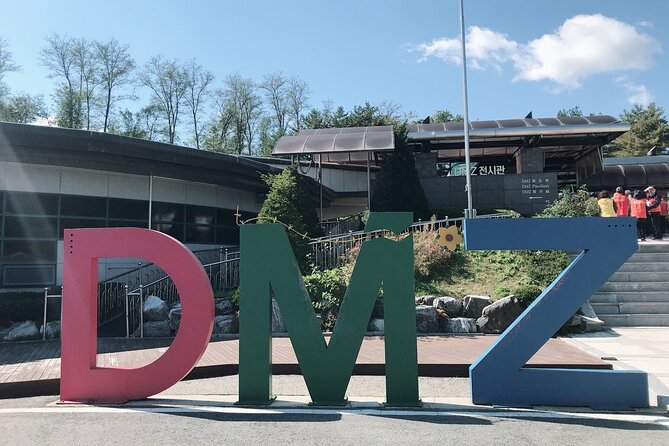
This is one of those tours where the “half-day” label is correct, but the impact isn’t. In about 6 hours 30 minutes, you cover the southern side of the DMZ story: memorials, bridges linked to return routes, the tunnel system, and a viewpoint designed for seeing across the border line.
The biggest value is that it isn’t only look-and-photo. You’ll spend real time at places that explain separation in physical terms. The 3rd Tunnel gives you the feeling of narrow, enclosed space tied to a specific discovery year and measurements. Then Dora Observatory shifts the mood from “inside the earth” to “across the distance,” with an official view over North Korea and named locations in the distance.
This trip also works because it respects attention spans. The stops are long enough to absorb meaning, but short enough that you’re not spending your whole day staring out a bus window. If you’ve got limited time in Seoul, this is a smart way to get DMZ context without turning it into a marathon.
You can also read our reviews of more tours and experiences in Seoul


Passport and DMZ ticket rules: the part you can’t wing
Here’s the practical reality: for DMZ entry, your original passport is mandatory. No copy. No photo. That’s a deal-breaker if you show up without the real document, so double-check before you leave your room.
Also, DMZ tickets are handled like a limited daily allowance. The tour notes that tickets are sold first come, first served, and there’s a limited number available per day. If you’re trying to lock in a specific date, the suggested approach is to book about one month before. Last-minute bookings exist, but they’re only offered at random.
Translation: plan like a grown-up. If DMZ access is the whole point of your trip, don’t treat it as a “maybe.” If you’re flexible with dates and you like the thrill of waiting for the schedule to line up, you might still catch something. But I wouldn’t count on a last-minute slot on the exact day you want.
Finally, the tour is described as requiring good weather. If conditions aren’t right, you’ll be offered a different date or a full refund. That’s good news—just keep in mind that the DMZ day can’t be forced through bad conditions.
Seoul City Hall morning start: small group pace and smooth transport
You meet at Seoul City Hall at 8:00 am (City Hall, Sub. Line 1, 110 Sejong-daero, Jung District). The tour ends back in the same area, so you’re not dragging yourself across Seoul at the end of an already intense day.
The group size is maximum 10 travelers, which matters more than it sounds. With smaller groups, your guide can actually manage timing and questions without everyone getting stretched thin. It also helps with the flow when you’re moving between memorial areas, bridge viewpoints, and border-related sites.
Transportation is included. That means less mental load: you don’t have to rent a car, find parking, or piece together buses that may not run on a day you’re trying to be on time. You also get an English-speaking guide with commentary and all transportations, plus fees and taxes.
One more small point: it uses a mobile ticket. That’s convenient, but make sure your phone battery is healthy before you head out in the morning.
Imjingak Pyeonghoa-Nuri Park: war monuments built for unification
The first stop sets the emotional tone. Imjingak Pyeonghoa-Nuri Park sits about 7 km from the military demarcation line, and it’s loaded with statues and monuments connected to the Korean War. The park was built in 1972, specifically with hope that unification might happen someday.
This isn’t only about watching. It’s about reading the “why” behind the DMZ. When you stand near war-era memorials, you understand that this border isn’t just a line on a map. It’s a living consequence—one that continues to shape daily life, identity, and national planning.
You’ll have about 45 minutes here, and admission is included. That timing is usually enough to take in the main memorials without feeling rushed, especially at the start when your energy is still high.
If you like context—dates, names, and the meaning behind places—this is the stop that pays the most dividends later when you’re in tunnel and observatory territory.
Paju Freedom Bridge: a name that signals return
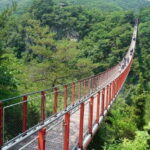
In Paju, you’ll pause at the Freedom Bridge. It’s not about the architecture. The tour notes it was built for temporary use, so it’s not a “wow, look at that building” stop.
Instead, the point is the symbolism in the naming. The bridge is called Freedom Bridge because South Koreans came back to South Korea through this route. That theme of return fits the larger DMZ message of separation and the longing for change.
Time-wise, it’s a shorter stop—about 20 minutes—and admission is free. Think of it as a quick reset between bigger, heavier sites. You get a moment to step out, orient your mind, and connect the story before the tunnel.


The 3rd Tunnel (45 minutes): walking through engineered history
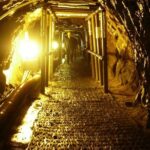
The most physical stop is the 3rd Tunnel. It was discovered in 1978 by South Korean forces, and it’s long—over 1,635 meters—with very tight internal dimensions listed as about 2 meters wide and 2 meters high.
Those numbers matter. They’re not trivia. They help you understand how practical and constrained the tunnel system was, and they make the scale more real than if you only saw a photo.
This is also where the trip switches from viewing to experiencing. You’ll have about 45 minutes at the tunnel area, and admission is free.
The tour description includes an estimate that about 30,000 soldiers were involved in the plan. Even if you treat that as an estimate rather than a precise count, it gives you a sense of intent and seriousness—why the tunnel discovery matters so much in the DMZ narrative.
A consideration: tunnels ask something from your body. If you’re uncomfortable in enclosed spaces or with uneven footing, go slowly. And if you’re tall or claustrophobic, be honest with yourself before you enter. You’re there to understand the history, not to white-knuckle it.
Dora Observatory: the official view over North Korea
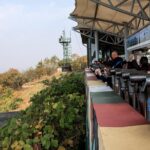
Next up is Dora Observatory, located near the 3rd Tunnel. The observatory first opened to the public in 1987, and it’s designed for one job: letting you look across and understand what “distance” means in real geography.
You’ll spend about 45 minutes here, and admission is included. The view is described as including areas such as Gaeseong and Songaksan, and it also references locations associated with Kim Il-Sung in the distance.
This stop can hit in two ways. First, it’s practical: you learn what you can identify from an official vantage point. Second, it’s emotional: you’re looking at separation with an actual line of sight. It’s one thing to read about the DMZ. It’s another thing to face the horizon and know what sits beyond.
Keep an eye on how the day is run. Border-adjacent sites can be sensitive to conditions, so you might find the experience shaped by what’s permitted and what’s visible. Still, Dora Observatory is usually the best “big picture” moment of the day.
Ginseng Museum and duty-free time: a lighter landing back in Seoul
After the DMZ stops, the tour shifts tone. Back in Seoul, you’ll get a 30-minute stop at a Ginseng Museum. You’ll learn about different types of ginseng and the exhibition describes positive effects.
Then there’s a duty free shop stop—free time included, with a chance to buy luxury high-fashion boutiques (as described in the tour outline). This isn’t a must-do for everyone, but it makes the ending feel less abrupt. It also helps you get something tangible from the day that isn’t only war memory.
If you’re sensitive to “factory store” fatigue, treat this as optional browsing time rather than a serious mission. In many tours like this, the duty-free part is where people either find a deal or decide to move on and just relax.
Price and value: why $500 per group can work
The price is $500.00 per group, with a group size of up to 4. That means your real cost depends on whether you travel solo, as a couple, or with friends.
If you book with others in your party, it can feel like a bargain for what you get: guided DMZ access, English commentary, all transportation, and entrance tickets at key stops. You’re paying for time, permissions, and routing more than for “stuff to see.” And those are exactly the things that make DMZ trips complicated on your own.
If you’re traveling alone, the value is still decent if DMZ is top priority. But you should think of it as paying for convenience and guidance rather than squeezing budget. A solo DMZ day is rarely cheap because the logistics are heavy.
I’d summarize the value this way: this isn’t a deal designed to beat every price comparison. It’s a priced-for-comfort way to hit the DMZ highlights in one go.
Guide experience: the difference between information and real understanding
The tour leans on an English-speaking guide with commentary, and that’s the right tool here. DMZ sites can feel like a list of names unless someone explains how they connect.
In past experiences with guides like Henry Park, the vibe is attentive and structured. Henry is described as professional, warm, and strong on answering questions with cultural context. Timing is also a repeated theme—helpful when you’ve got strict site windows and a day that moves fast.
One practical benefit: good guiding helps you read what you see. With the memorials, tunnel measurements, and the observatory view, the “what” is printed. The “so what” comes from explanation. A guide who manages both makes the day make sense.
Who should book this DMZ small-group tour?
Book this if:
- You want a DMZ experience without spending an entire day in transit.
- You like historical context that mixes memorials with physical sites.
- You prefer a small group where questions are actually possible.
- You’re okay with an emotional topic and you want to face it directly rather than treat it like background scenery.
Consider skipping or adjusting expectations if:
- You don’t have access to your original passport.
- You’re counting on a specific date and your schedule is rigid (tickets are limited and first come rules apply).
- You’re very uncomfortable in enclosed spaces like tunnels.
This is a strong fit for first-timers in Korea who want one “serious day” that still feels well-managed.
Make the day work: practical tips for a smoother DMZ morning
Since the tour starts at 8:00 am, set yourself up for success the night before. Know where you’re meeting at Seoul City Hall and keep your mobile ticket ready. If your phone is your ticket, bring a charged battery.
For the DMZ part, remember the unglamorous rule: original passport. Keep it secure and easy to access when asked.
Because the tour requires good weather, bring layers. Even if you don’t know the forecast perfectly, a light coat or something you can adjust will help you stay comfortable at outdoor memorial and observatory stops.
And keep your expectations realistic. When access is affected by conditions, the exact “viewing” experience can vary. A flexible mindset turns a potentially frustrating day into an honest one.
Should you book this DMZ tour?
If DMZ is on your must-do list, I think this is the kind of tour that earns its price. The mix of Imjingak, Freedom Bridge, the 3rd Tunnel, and Dora Observatory is efficient, and the small group size plus included transport reduces the stress of doing something complicated.
The decision mostly comes down to risk and timing. If you can book ahead and you have your original passport ready, you’re setting yourself up well. If you’re trying to squeeze DMZ into a last-minute date, you may end up disappointed.
My advice: treat it like a priority booking. If you can lock it in, you’ll get a focused, guided look at the border’s story in a single morning-to-midday block—exactly what a first Korea trip often needs.
FAQ
How long is the Half-Day South Korea DMZ tour?
The tour runs for about 6 hours 30 minutes.
Where do I meet the tour, and where does it end?
You start at Seoul City Hall (Subway Line 1) at 110 Sejong-daero, Jung District, Seoul. The tour ends back at Seoul City Hall.
What time does the tour depart?
The start time is 8:00 am.
Is an original passport required for DMZ entry?
Yes. An original passport is mandatory to enter the DMZ. No copy and no photo are accepted.
How much does the tour cost?
It’s $500.00 per group, with a group size of up to 4.
Is lunch included?
No. Lunch is not included.