REVIEW · SEOUL
Imjingak DMZ Private Tour for Incheon Airport and Cruise Guests
Book on Viator →Operated by Kplustrave · Bookable on Viator
A fighter-pilot DMZ briefing changes the day. This private Seoul tour mixes Korean War–era sites with today’s national security story, led by a retired air force fighter pilot with 20+ years of service. You’ll stand at the DMZ memorials and viewpoints, then wrap with another landmark stop for a slower finish.
I really like two parts of this experience: first, seeing major DMZ highlights in one organized run, including the Third Infiltration Tunnel visit and the wide sightlines from Dora Observatory. Second, you’re not just reading plaques—you’re getting a guide who can explain what the north-south conflict means from an air defense perspective, not a generic lecture.
One consideration: this is a good-weather activity, so if conditions are poor, you may need a different date or a refund.
In This Review
- Key things to know before you go
- What makes this DMZ tour different
- The guide and the story you’re really paying for
- Stop 1: Imjingak Park, tunnel, Dora Observatory, and Unification Village
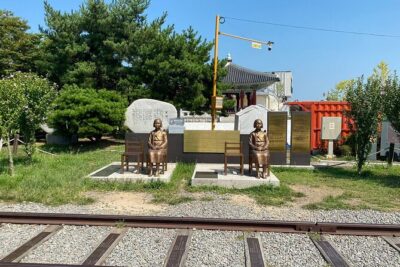
- Imjingak Park: start with remembrance
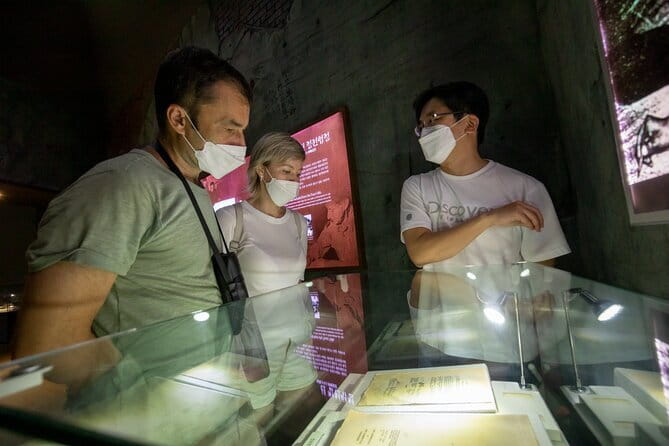
- Third Infiltration Tunnel: history you can physically see
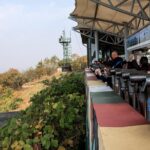
- Dora Observatory: binocular time with a clear purpose
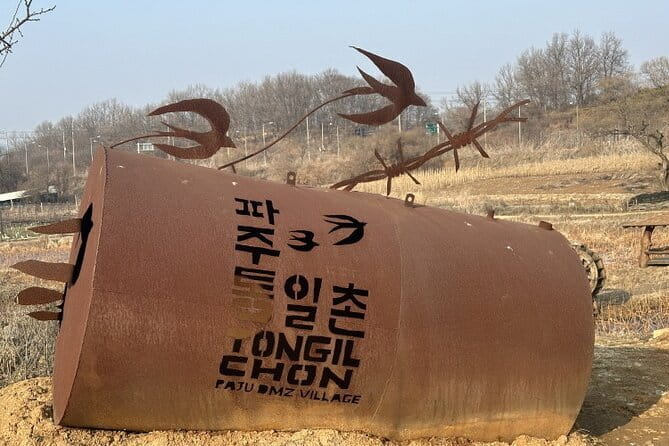
- Unification Village (Tongilchon): the idea of reunification
- Stop 2: Gamaksan Chulleong Bridge for a calmer finish
- How the day runs (and how to plan around it)
- Price and value: $450 per group (up to 3)
- Best fit: who will enjoy this tour the most
- Weather matters more than you think
- FAQ
- FAQ
- What’s the price for this tour?
- How long is the DMZ portion and the whole tour?
- What time does the tour start?
- Is pickup included?
- Do I need to pay for admissions during the tour?
- Are bottled water and snacks included?
- Do I get a ticket on my phone?
- Is this a private tour?
- What happens if the weather is bad?
- Can I cancel for a refund?
- Should you book this DMZ tour?
Key things to know before you go
- Retired air force fighter pilot guide: expect real mission-focused context about national security and air power history.
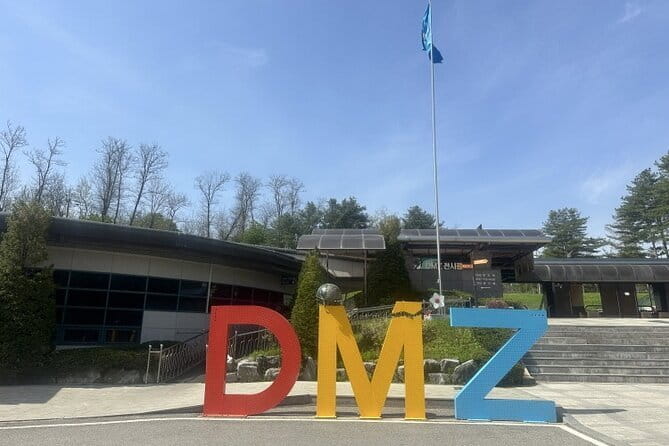
- Imjingak Park memorial setting: monuments and exhibits that make the DMZ feel personal, not abstract.
- Third Infiltration Tunnel stop: a concrete, physical reminder of infiltration fears tied to the Korean War era.
- Dora Observatory viewpoints: you’ll use binoculars to look toward North Korea from a designated observation deck.
- A short break at Gamaksan Chulleong Bridge: a suspension bridge stop that breaks up the intensity of the DMZ.
- Private group of up to 3 with pickup: air-conditioned transport keeps the day comfortable, especially early in the morning.
What makes this DMZ tour different
This is not a cookie-cutter DMZ photo circuit. The big difference is the guide: the operator is a retired air force fighter pilot with over 20 years in service, and the tour centers on what he calls modern history—Korean War impacts, national security, and how South Korea grew economically under pressure.
That focus matters for how the day feels. DMZ tours can turn into a checklist—see the tunnel, see the view, take the photos. Here, the story is built around why these places exist in the first place, and why the boundary still shapes daily life. If you’re into military history (especially air force and fighter operations), this format fits your interests better than a general sightseeing guide.
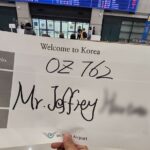
Also, it’s designed for people who need an efficient day. It’s marketed for Incheon airport and cruise guests, and pickup is included. That usually means less time hunting for meeting points and more time actually using daylight.
The tradeoff? It’s still a long day: about 7 to 8 hours, starting at 7:00 am, with a structured schedule that doesn’t leave room for random detours.
You can also read our reviews of more boat tours in Seoul

The guide and the story you’re really paying for
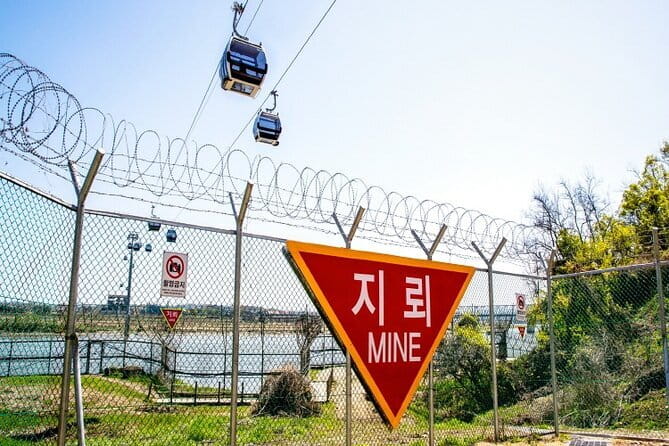
A private guide changes the DMZ. You can ask questions, and you can steer the conversation toward what you care about—air defense, border tension, or how economic recovery happened alongside security demands.
Here, the guide background is the headline. He spent decades in an air force role defending the country, so the tour’s explanation of North Korea’s actions and the resulting South Korean security mindset comes from lived experience rather than only historical research.
In one set of feedback, a guide named April was specifically praised for being accommodating with pictures and responsive with practical help like transport and food recommendations. If you’re paired with April, that’s a good sign you’ll get a smoother day with fewer small stresses.
Even if you’re not a military-history person, you’ll still get value from how the tour ties history to the present. DMZ places can feel like museum props. This tour tries to keep them connected to real stakes.
Stop 1: Imjingak Park, tunnel, Dora Observatory, and Unification Village
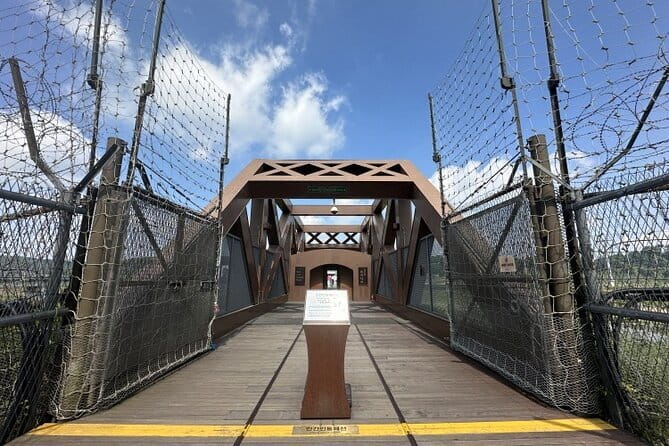
This is the heart of the tour, running about 5 hours at DMZ-related sites.
Imjingak Park: start with remembrance
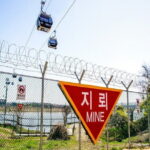
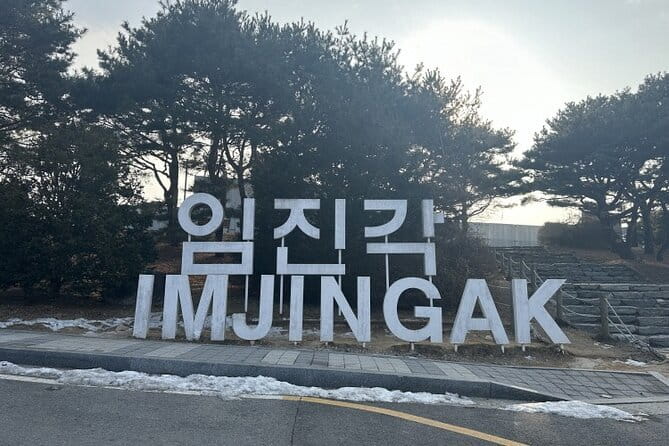
You begin at Imjingak Park, a memorial area tied to the Korean War. The exhibits and monuments give you a baseline: who was affected, what the conflict meant, and how the DMZ became the world’s most tense “pause button.”
Why I like this start: it keeps you from walking into the tunnel and the observatory cold. Even if you already know the headlines, the memorial setting helps you understand why people still care about these sites.
Third Infiltration Tunnel: history you can physically see
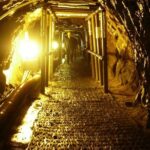
Next is the Third Infiltration Tunnel, discovered in 1978 and believed to have been dug by North Korea for potential infiltration into the South. Visiting a tunnel like this is different from reading about it. You’re looking at the scale of planning and secrecy—something you can’t fully grasp from a map.
A practical note: tunnels and similar structures can feel warmer and tighter than you expect. Wear clothes that can handle a bit of humidity, and keep your camera ready without needing to fumble with gear for too long.
You can also read our reviews of more private tours in Seoul



Dora Observatory: binocular time with a clear purpose
Then you’ll head to Dora Observatory, an observation deck built for DMZ viewing. You can see the DMZ region with binoculars, which makes the experience feel more like controlled observation than generic “look at the border” tourism.
If you’re going for photos, temper expectations. What you’re seeing is distance and atmosphere. The value is the controlled viewpoints and the way your guide connects what you’re looking at to the security reality behind the line.
Unification Village (Tongilchon): the idea of reunification
Finally, the Unification Village area, also called Tongilchon, is part of the DMZ experience. This stop is more about the human side of the border—what reunification means as an idea, not just what the border blocks.
The balance here is important. The tunnel is hard and technical. Dora Observatory adds distance and perspective. Tongilchon shifts the day toward hope and policy conversations. Together, they help the story move from fear to future-thinking.
Stop 2: Gamaksan Chulleong Bridge for a calmer finish
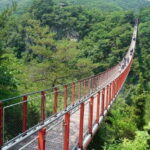
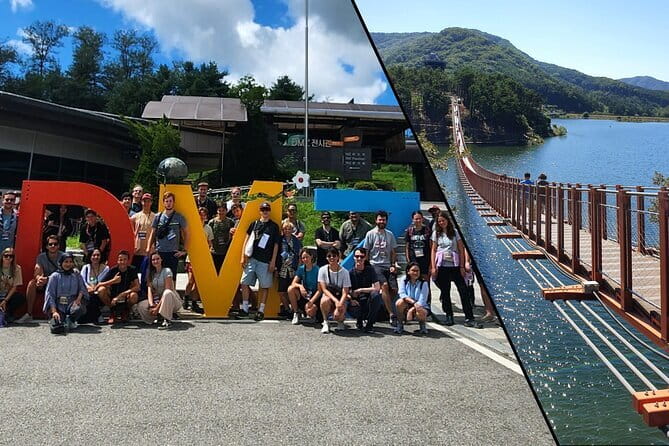
After the DMZ portion, the schedule shifts to Gamaksan Chulleong Bridge. You’ll have about 2 hours here, with entry included.
This is a suspension bridge, and that alone changes your mindset. The DMZ makes you think in terms of borders and military tension. A bridge makes you think in terms of connection and crossing—whether or not you’re actually near a border crossing point.
It’s also a nice pacing tool. You’ve spent the morning in serious settings. This stop gives you breathing room to stretch, take photos from different angles, and move your body after sitting in the vehicle for hours.
If you’re the kind of person who needs variety in a day trip, this is a smart pairing. If you only want DMZ sites and nothing else, you might find this portion less central—but it does help make the full 7–8 hours feel manageable.
How the day runs (and how to plan around it)
The tour starts at 7:00 am. That early start is a big deal in Seoul, because it helps you beat heat and traffic and gives you enough time to hit multiple DMZ stops without rushing like crazy.
You’ll travel in an air-conditioned vehicle, and the guide/driver is licensed. All fees and taxes are included, which matters because DMZ days often come with extra admissions or local add-ons.
What you should bring is simple:
- Water and snacks are not included, so plan for them.
- Comfortable shoes for walking inside memorial and observation areas.
- A way to stay cool and dry, since the tour requires good weather.
Because you’re going to be out for most of the day, treat this as a full outing rather than a quick excursion.
Price and value: $450 per group (up to 3)
The price is $450 per group, up to 3 people. That means your effective cost per person depends on whether you’re traveling with friends or family.
Here’s why I think the price can make sense:
- You’re paying for a private format, not a bus full of strangers.
- The major value is the guide’s background as a retired fighter pilot, which is the kind of specialized expertise that’s hard to find in standard DMZ tours.
- You also get pickup and an air-conditioned vehicle, plus admissions/taxes are covered.
It might not be the best bargain if you’re a solo traveler shopping for the cheapest DMZ option. If you can split the cost with two others, the math improves fast, and you’ll also appreciate the private pace—less waiting, more direct answers.
You’ll also want to book early. On average, this tour is booked about 24 days in advance, which suggests it’s a popular choice for people with limited days in the city.
Best fit: who will enjoy this tour the most
This tour is built for people who like military and air force angles, especially if you want context behind the DMZ beyond the usual “this is where it happened” explanation.
You’ll likely enjoy it if you:
- care about Korean War history and modern security
- want to ask questions in a private setting
- prefer a guide with real operational experience
- are traveling through Incheon or as a cruise passenger and want pickup-supported logistics
You might not love it as much if you:
- only want relaxed sightseeing with no heavier security framing
- hate structured schedules and early starts
- want a stop-by-stop flexibility to improvise on the fly
Weather matters more than you think
This experience needs good weather. That’s not just a vague warning. DMZ days depend on visibility and safe access at observation areas, so conditions affect what you can do.
The good news: if the tour can’t run due to poor weather, you’ll be offered another date or a full refund. Either way, don’t plan this for the exact last hour of your trip. Build in at least a small buffer day if you can.
FAQ
FAQ
What’s the price for this tour?
It costs $450 per group, for up to 3 people.
How long is the DMZ portion and the whole tour?
The DMZ-related stop is about 5 hours, and the entire tour runs about 7 to 8 hours.
What time does the tour start?
The start time is 7:00 am.
Is pickup included?
Yes. Pickup is offered.
Do I need to pay for admissions during the tour?
Admission tickets are included for the main stops listed, and all fees and taxes are included overall.
Are bottled water and snacks included?
No. Bottled water and snacks are not included, so you’ll want to bring or buy them yourself.
Do I get a ticket on my phone?
Yes. Mobile ticket is included.
Is this a private tour?
Yes. It’s private, and only your group participates.
What happens if the weather is bad?
The tour requires good weather. If it’s canceled due to poor weather, you’ll be offered a different date or a full refund.
Can I cancel for a refund?
Yes. Free cancellation is available up to 24 hours in advance for a full refund.
Should you book this DMZ tour?
If you like military history with a real air force perspective, this is one of the more focused DMZ formats around. The guide background, the organized DMZ circuit (including the tunnel and Dora Observatory), and the private group size make it a strong fit—especially for small groups who can share the cost.
Book it when you want meaning, not just landmarks. Skip it if you’re chasing the easiest, cheapest, no-pressure DMZ day and you don’t want the security-and-history framing.