REVIEW · SEOUL
Seoul: Half-Day DMZ Tour Led by a Retired Military Officer
Book on GetYourGuide →Operated by PLK Travel Inc. · Bookable on GetYourGuide
History feels different with soldiers leading. This Seoul DMZ tour is run by retired military officers who can answer your real questions, not just recite timelines. I especially like the way the guides turn the DMZ into something you can understand and the fact you actually walk the 3rd Infiltration Tunnel. The main drawback: the tunnel walk is physically demanding (tight, uneven, crouch-heavy), and the experience isn’t a good fit for mobility limitations.
Even before you reach the checkpoints, the tour focuses on what matters on the day. They check conditions to aim for the clearest view of North Korea from either Odusan or Dorasan, then you spend the rest of your morning/afternoon seeing the landmarks that symbolize division—and the small hopes that come with it.
In This Review
- Key highlights to know before you go
- Retired officer guides: the DMZ’s best translator
- Price and value: what $57 buys you in real terms
- Seoul to the DMZ: timing, bus rides, and the real pace
- Odusan or Dorasan: chasing the clearest view of North Korea
- Inside the DMZ experience: landmarks with meaning, not just scenery
- The 3rd Infiltration Tunnel: history you walk through
- Imjingak Park, Mangbaedan, and Freedom Bridge: where waiting becomes visible
- Unification Village stop: seeing division at human scale
- Who should book this tour—and who should skip it
- Small practical tips that make a big difference
- Should you book this Seoul DMZ half-day tour with retired officers?
- FAQ
- How long is the Seoul half-day DMZ tour?
- Where do I meet the guide?
- Is pickup from Seoul included?
- What do I need to bring for the DMZ?
- Can I bring luggage or large bags?
- Do we visit Odusan Observatory or Dorasan Observatory?
- What sites are included after the DMZ?
- Is the War Memorial of Korea included?
Key highlights to know before you go
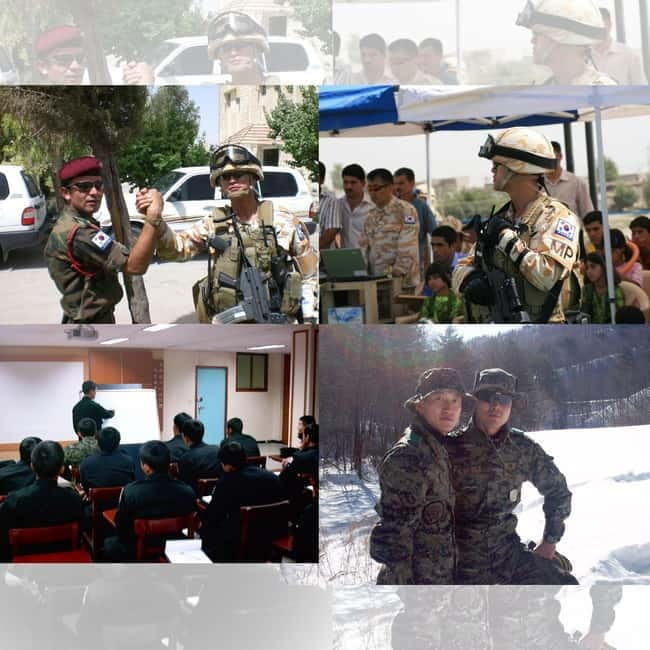
- Real ex-military English guides who can explain what life on the DMZ front line felt like
- Odusan vs Dorasan viewing chosen by day-of conditions for the clearest sightlines
- Enter the 3rd Infiltration Tunnel with a guided walk that’s part history lesson, part workout
- Imjingak Park classics like the Bridge of Freedom and Steam Locomotive area
- Mangbaedan altar stop plus guided storytelling tying landmarks to real people
- Private option adds War Memorial of Korea in Yongsan in the afternoon
Retired officer guides: the DMZ’s best translator

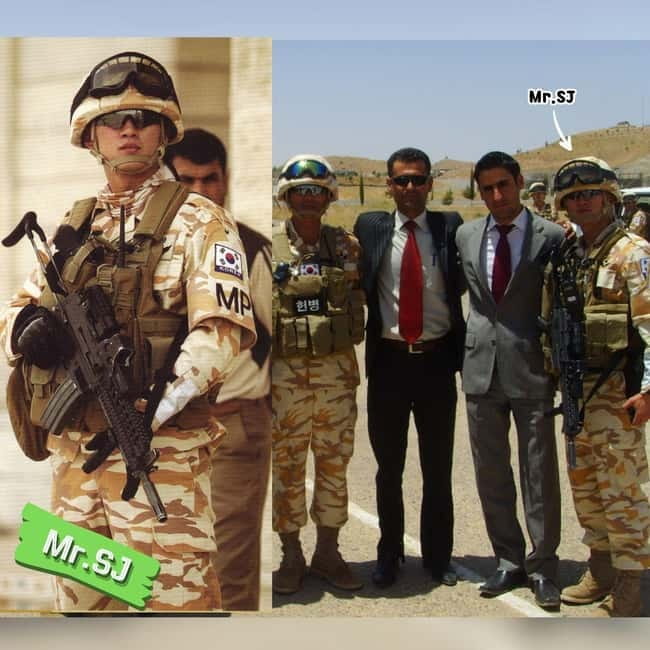
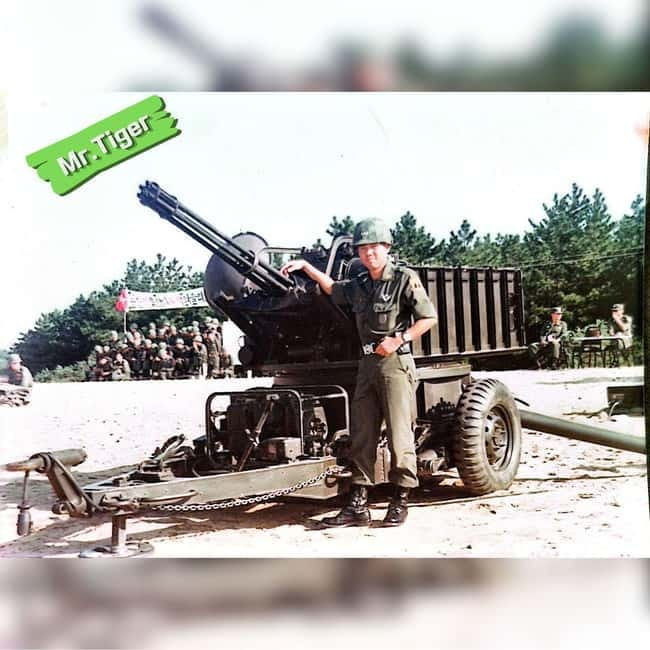
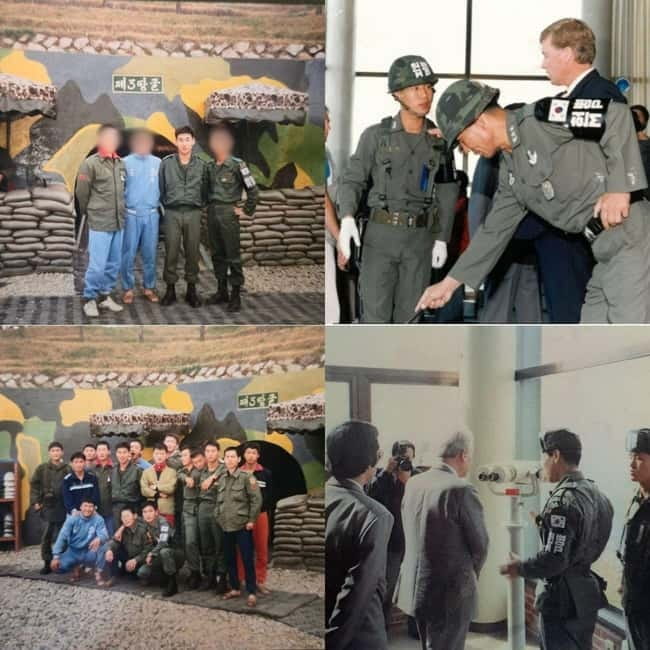
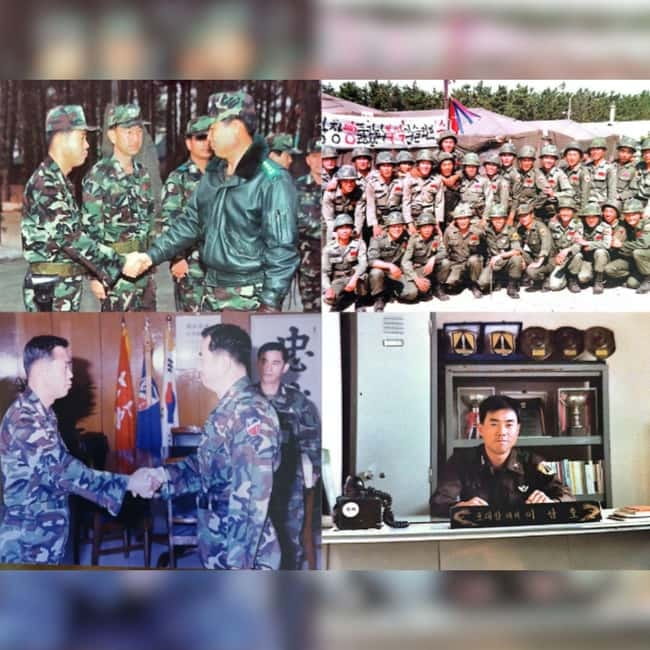
If you’ve ever felt that DMZ tours are mostly posters and speeches, this is the fix. The tour is led by men who served in the systems they’re explaining. Names you may hear include Agent SJ (Special Forces Major, Iraq veteran), Agent Tiger (former artillery battalion commander), Agent Eddie (infiltration tunnel expert), and Agent Jason (31-year ROK intelligence veteran). On top of that, the experience is run as an English guided tour with strong presentation skills—often friendly, sometimes funny, always focused on clarity.
Here’s what you’ll feel when it works: the DMZ stops being abstract. You’re not just learning why the border exists. You’re hearing how soldiers thought, watched, and reacted in daily routines—then comparing that with how visitors today try to interpret the same places. That’s why the questions you’ve wondered about for years are actively invited. The guides aren’t offended by curiosity. They’re built for it.
And yes, you’ll still get historical context—but the emphasis is on lived experience. You’ll hear stories about tension, hope, and peace from the kind of people who can explain the emotions without turning it into a lecture.
You can also read our reviews of more tours and experiences in Seoul


Price and value: what $57 buys you in real terms

At about $57 per person for a 6-hour half-day, the value comes from what’s included and how efficient the day is. Your ticket covers the guide, roundtrip transfer from Seoul, DMZ admission fees, and guided walking inside the 3rd Infiltration Tunnel. You also get a structured route that packs the major DMZ-adjacent landmarks into one flow, so you’re not spending your day figuring out logistics.
What’s not included is lunch, so plan on eating before you go or during the short breaks you’ll likely have. Also, keep in mind you’ll be moving at military speed—so arriving on time is not optional. This isn’t a “wander whenever you want” kind of outing.
Compared with what you’d spend renting transport, paying admissions separately, and piecing together a self-guided route, the pricing starts to look like the right kind of bargain: you’re paying to spend less effort and more attention.
Seoul to the DMZ: timing, bus rides, and the real pace
The day runs on a bus/coach format. You’ll spend about 1 hour on the road before your first big stop. The schedule then alternates between observatory time and guided site time, with the heaviest focus on the DMZ and the tunnel.
A useful way to think about pacing:
- Observatories give you “see it” time—views, explanation, and direction for what to look for.
- The DMZ segment is longer and is where you’ll get most of the story.
- The tunnel is the physical centerpiece, so your energy matters more than you think.
One practical note that keeps coming up for people: dress for the cold and wear shoes you trust. Even if you’re in great shape, stairs and uneven surfaces can surprise you. And once you’re in the tunnel, you’ll want stable footing more than fashion.
Odusan or Dorasan: chasing the clearest view of North Korea
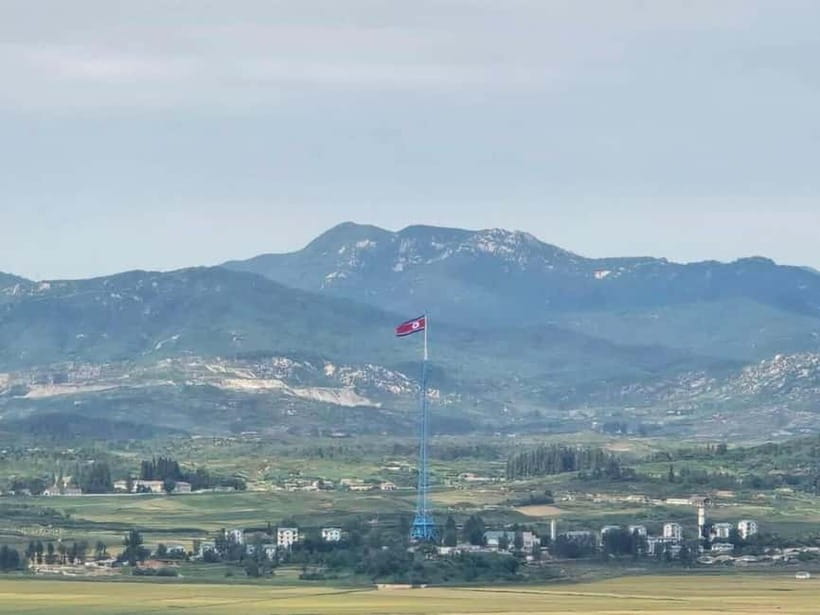
You’ll connect with the day’s conditions early. On the tour, they determine which observatory—Odusan or Dorasan—offers the clearest view by doing real-time checks using security camera feeds and local observatory staff.
That matters because in this part of the world, visibility can change fast. A clear day can turn the view into the highlight. A hazy day can shrink details into silhouettes. So the tour’s smart move is treating the view as a variable—not a guarantee.
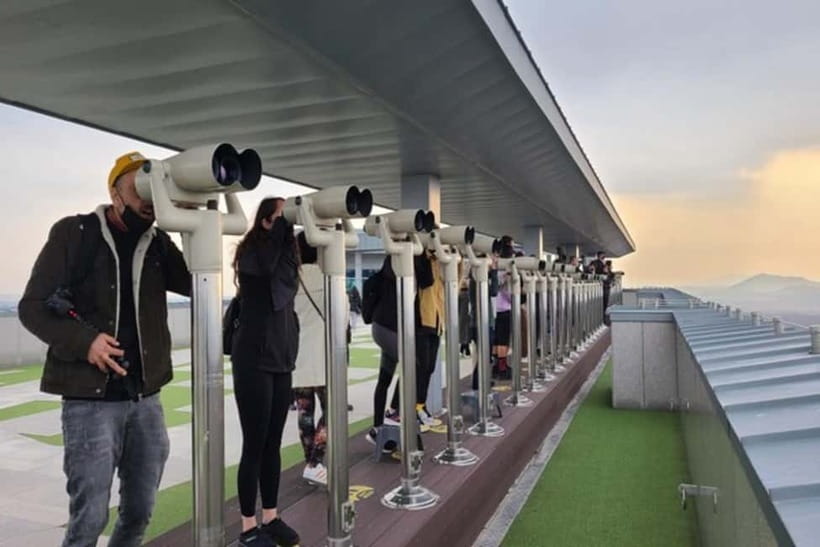
In practice, you’ll spend time at observatories with guided explanation. You may also have moments where you can look more closely (the observatories are designed for viewing), and the guide will point out what you should pay attention to from that specific spot.
How to enjoy this portion:
- Bring your patience. You’re not just taking photos; you’re calibrating your understanding.
- Ask questions about what you’re seeing and why different vantage points matter.
- Be ready for wind and temperature swings.
Meeting points can vary. Depending on your booked option, you may meet at Odusan Observatory or Dorasan (Dorasan) Observatory, then connect onward. The goal is always the same: get you to the view with a guide who knows how to interpret it.
Inside the DMZ experience: landmarks with meaning, not just scenery
The DMZ portion is the emotional center of the day. You’ll have about 2.5 hours with a guided tour in the Demilitarized Zone area. This is where the guides link the geography to the human reality—how a line on a map becomes routines, restrictions, and constant awareness.
You’ll also hear how the DMZ works as a living boundary—symbolic, strategic, and emotionally heavy. This isn’t presented as a simple “good vs bad” story. The best parts are the balanced explanations: how both sides justify actions, how misunderstandings build tension, and how the idea of peace keeps showing up anyway.
What makes this tour feel different from a standard border stop is the “soldier’s-eye” framing. When you ask what looked normal from the inside, the guides can answer with specific examples from their own service. That’s where your understanding gets sharp.
Also, the tour includes time for you to walk and look—so it isn’t all coach narration. You get enough structure to stay oriented, without feeling trapped.



The 3rd Infiltration Tunnel: history you walk through
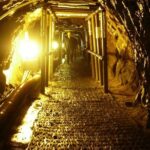
If you only remember one thing from this tour, make it this: the 3rd Infiltration Tunnel visit. You enter it with a walking tour, and the experience is guided—so it’s not just a tourist crawl.
Expect it to be physically challenging. People often describe it as steep and tiring, with sections where you’ll need to crouch for much of the walk. Comfortable footwear is not optional. If you have knee issues or you know you struggle in tight spaces, think hard before booking.
Why it’s worth it anyway: you’re not learning about infiltration in theory. You’re seeing what it looks like from the perspective of the designers and guards. The guide can explain what it was used for, how it was discovered, and why it became a symbol of aggression and survival planning.
When the tour is paced well, the tunnel becomes the moment you connect the map to the human intention behind it. It’s tense in a way that facts alone can’t replicate.
Imjingak Park, Mangbaedan, and Freedom Bridge: where waiting becomes visible
After the DMZ segment and tunnel, the day shifts toward public sites of remembrance and reunion attempts. You’ll head to Imjingak Park, where you can connect the border’s consequences to a broader human story.
Imjingak includes several landmark stops guided along the way, including:
- Bridge of Freedom
- The Steam Locomotive area
- The Mangbaedan altar and related memorial spaces
The guides tie these sites to the themes of division and hope—how people longed to reconnect, and how the border still shapes lives even away from the fences. This portion is where you’ll likely feel the emotional tone of the tour most strongly, especially when you hear firsthand reflections about separated families and ongoing tension.
In your photos, these places can look like classic memorial tourism. In your brain, they’ll start feeling more specific: not just symbolism, but a record of how long people have been waiting for something to change.
Unification Village stop: seeing division at human scale
The tour also references a Unification Village visit as part of this DMZ-adjacent area experience. That’s the key: you see how the border isn’t only “out there.” It affects communities nearby and shapes daily life in the regions that live beside the line.
The value here is how the guide uses the stop to ground big geopolitical terms. Instead of “strategic ambiguity,” you get something closer to lived consequence: the realities of separation, the emotional weight of reunion programs, and the gap between hopes and what’s possible.
Who should book this tour—and who should skip it
This tour is best for you if:
- You want an English DMZ experience led by retired military officers who can handle tough questions.
- You’re comfortable with a schedule that moves efficiently and stays focused.
- You’re interested in the Third Tunnel as a physical, story-driven experience—not just a photo stop.
- You like listening to personal service stories tied to the sites you’re seeing.
It may not be right for you if:
- You need a low-impact walk. The tunnel is the big red flag, and the tour isn’t described as suitable for mobility impairments.
- You’re hoping for a relaxed, casual outing. This is a structured military-area day.
If you’re traveling with teens, it can work well. Several visitors describe strong interest from younger passengers when the stories are explained clearly and not talked down to.
Small practical tips that make a big difference
Here’s how to make the day smoother:
- Bring your passport. Access rules depend on it, and forgetting it can disrupt everything.
- Wear comfortable, grippy shoes. You’ll thank yourself in the tunnel and on uneven surfaces.
- Pack light. Large bags and luggage are not allowed.
- Go on a clear day if you can. Visibility affects how satisfying the North Korea views are.
- Arrive early and stay on time. The schedule is tight because military permission and weather realities can change plans.
And if you’re the type who hates feeling talked over: this tour tends to be the opposite. The guides invite questions, including the ones that feel awkward to ask on “normal” tours.
Should you book this Seoul DMZ half-day tour with retired officers?
I think you should book this tour if you’re serious about understanding the DMZ as a real boundary—not a theme-park version of conflict. The biggest reason is the guide lineup: people like Agent SJ, Agent Tiger, Agent Eddie, and Agent Jason bring you explanations with lived detail. Add the walk into the 3rd Infiltration Tunnel, and you get an experience that’s both educational and physically memorable.
Skip it if mobility is an issue or if you want low-effort sightseeing. The tunnel makes this one inherently active, and the tour is not marketed as mobility-friendly.
If you’re deciding between “DMZ as facts” and “DMZ as lived context,” this one leans hard into the second option—and that’s exactly why it earns such high ratings.
FAQ
How long is the Seoul half-day DMZ tour?
The tour lasts about 6 hours.
Where do I meet the guide?
Your meeting point can vary depending on the option you choose, including meeting at Odusan Observatory or Dorasan (Dorasan) Observatory, or at Imjingak Park.
Is pickup from Seoul included?
Pickup is optional, and free hotel pick-up is included for groups of 10+. Otherwise, you’ll meet at the designated meeting point.
What do I need to bring for the DMZ?
You’ll need a valid passport to access the DMZ, plus comfortable shoes.
Can I bring luggage or large bags?
No. Luggage or large bags are not allowed.
Do we visit Odusan Observatory or Dorasan Observatory?
The tour checks conditions to choose the best Odusan or Dorasan observatory for the clearest view, based on real-time research through security camera and local observatory staff.
What sites are included after the DMZ?
After the DMZ area, the tour includes the 3rd Infiltration Tunnel, then Imjingak Park, and visits tied to landmarks like the Mangbaedan altar and Freedom Bridge.
Is the War Memorial of Korea included?
It’s included only for the private option, where you can also visit the War Memorial of Korea in Yongsan in the afternoon.