REVIEW · SEOUL
Seoul: DMZ The 3rd Tunnel and Suspension Bridge Tour
Book on GetYourGuide →Operated by I LOVE SEOUL TOUR Co., Ltd. · Bookable on GetYourGuide
A border day with real stakes. This Seoul DMZ tour takes you to the Demilitarized Zone and the 3rd Infiltration Tunnel, with enough time at each stop to actually absorb what you’re seeing. You’ll also get a rare, guided look toward North Korea from Dora Observatory.
I like two things a lot about this day. First, the story comes with the scenery—your English guide ties the Korean War to what’s still visible today. Second, the day is built for real viewing and photos, from the suspension bridge area to the observation deck at Dora.
One heads-up: there’s walking, and it isn’t casual. The 3rd tunnel includes a steep slope and the Gamak Mountain suspension bridge hike can take about 40 minutes, so plan for effort and wear proper shoes.
In This Review
- Quick hits you’ll feel on this tour
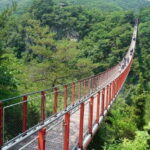
- Gamak Mountain suspension bridge: war stories with photo angles
- Imjingak Park and the Bridge of Freedom: where war memory becomes “place”
- Entering the DMZ: short time, serious meaning
- The 3rd Infiltration Tunnel: narrow, steep, and hard to forget
- Dora Observatory: the rare view toward North Korea
- Why the English guide makes or breaks the day
- Walking, shoes, and what to bring for this 9-hour border day
- Price and value: is $65 a fair deal from Seoul?
- If the DMZ visit changes: what you may still see
- Should you book the Seoul DMZ tour with the 3rd Tunnel and Dora Observatory?
- FAQ
- Do I need a passport for this DMZ tour?
- How long is the tour from start to finish?
- Is JSA / Panmunjom included?
- What food is provided?
- What happens if the DMZ trip is canceled or altered?
- Is this tour suitable for everyone with mobility issues?
- What should I wear or avoid for the walking parts?
Quick hits you’ll feel on this tour
- Dora Observatory views toward North Korea on clear days, with key sites laid out for you
- 3rd Infiltration Tunnel walk through a narrow passage that makes strategy feel physical
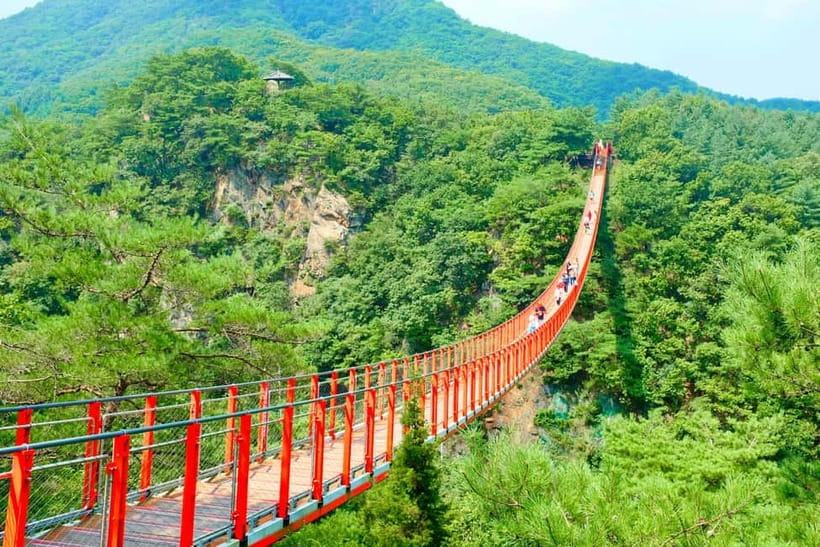
- Gamak Mountain Red Suspension Bridge stop tied to the Battle of Solma-ri and British forces
- Imjingak Park landmarks like Mangbaedan Altar and the Bridge of Freedom for war-memory context
- A tight 9-hour plan with timed guidance so you’re not waiting around all day
Gamak Mountain suspension bridge: war stories with photo angles
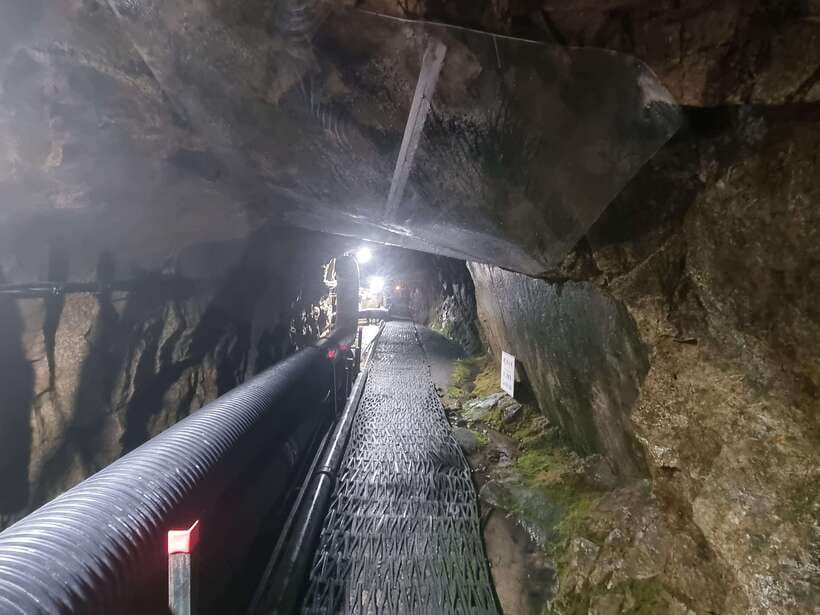
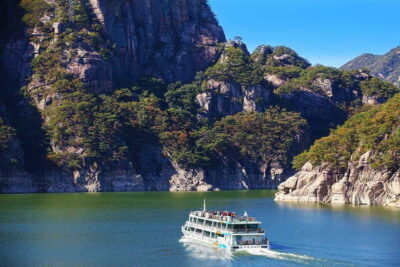
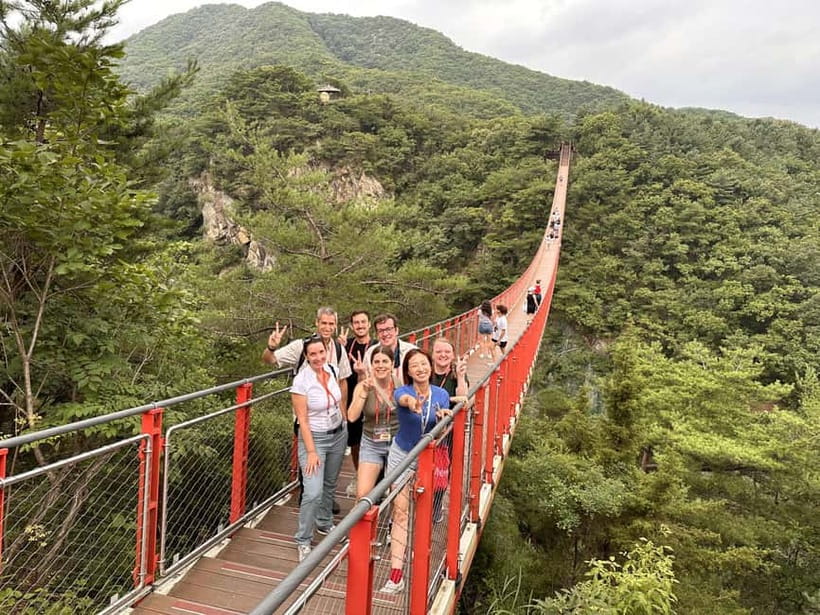
You start with a drive out of Seoul and straight into the heavier history. The first major stop is the Gamsaksan/Gamak Mountain suspension bridge area, where you’ll spend about an hour with your guide. This is where the tour adds one of its best “you can see it” moments: the suspension bridge stop isn’t just scenic. It’s tied to the Korean War, specifically the Battle of Solma-ri, involving British troops.
The practical angle matters here. The suspension bridge is associated with a hike—plan for around 40 minutes of walking to reach and move around the viewpoint area. That means good shoes aren’t a suggestion. Sturdy, comfortable footwear helps you keep a steady pace, take photos without rushing, and not end the day with sore legs when you still have the tunnel and observatory ahead.
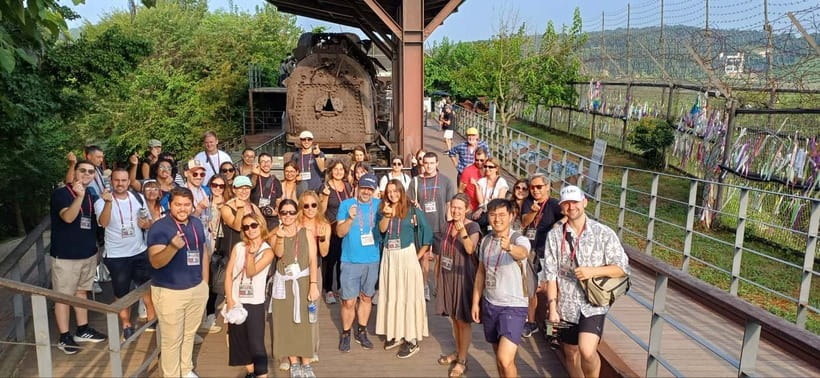
Also, don’t expect a quiet photo shoot. This is a group tour, and the whole point is a shared, scheduled experience. Still, you get multiple moments to frame the views, and your guide will point out what’s meaningful about the location so your photos don’t feel like random shots.
Best for you if: you like history that comes with a tangible setting, and you’re okay doing a moderate walk early in the day.
You can also read our reviews of more tours and experiences in Seoul.
Imjingak Park and the Bridge of Freedom: where war memory becomes “place”
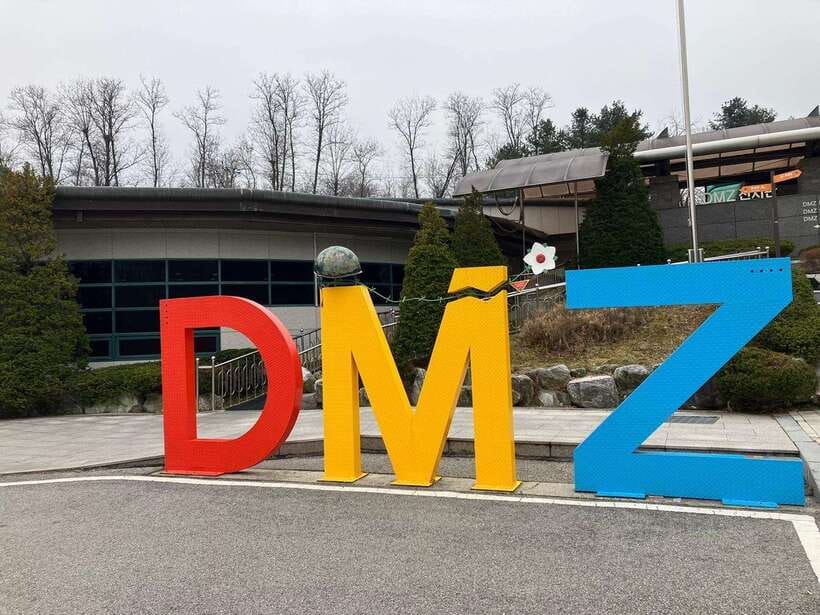
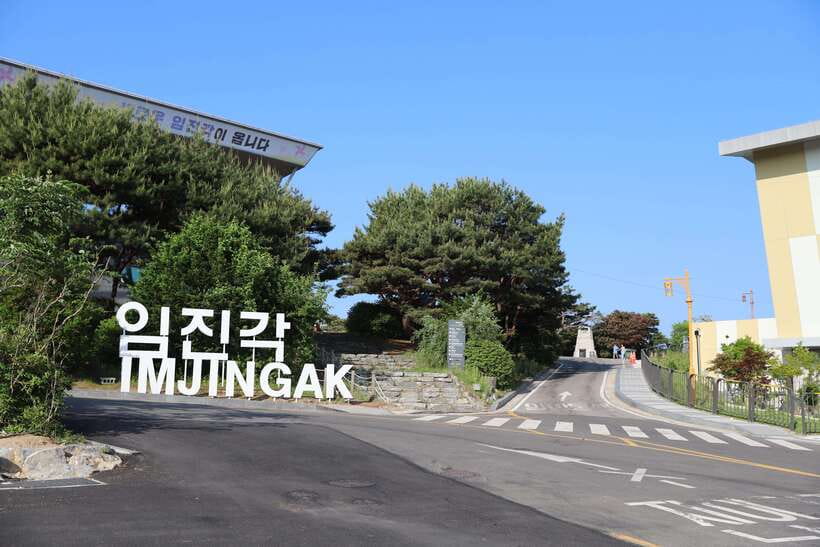
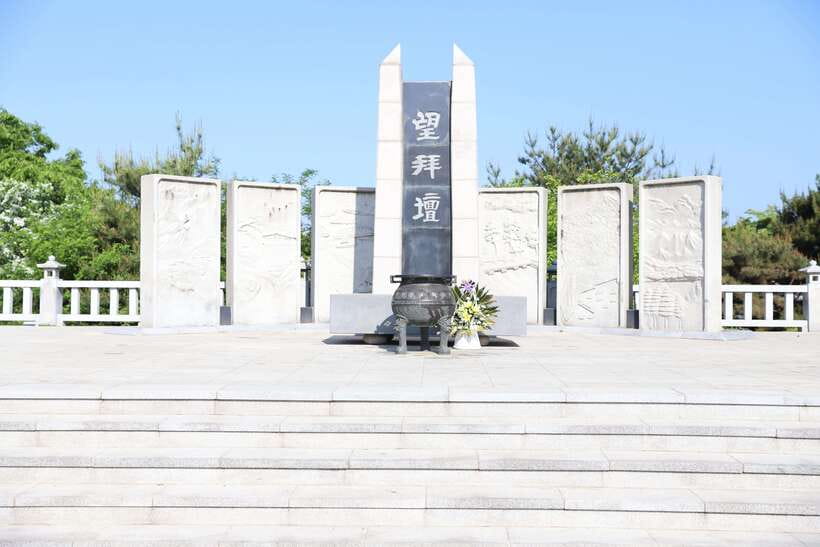
After the bridge, you head to Imjingak Park for about an hour. This area sits about 7 kilometers from the Military Demarcation Line, so it’s close enough to feel connected to what comes next, even before you enter the stricter zones.
Imjingak Park is built for remembrance and education, not thrill-seeking. Two landmarks are especially worth your attention:
- Mangbaedan Altar, tied to Korean War-era commemoration
- Bridge of Freedom, a name that hits harder once you hear the story behind it
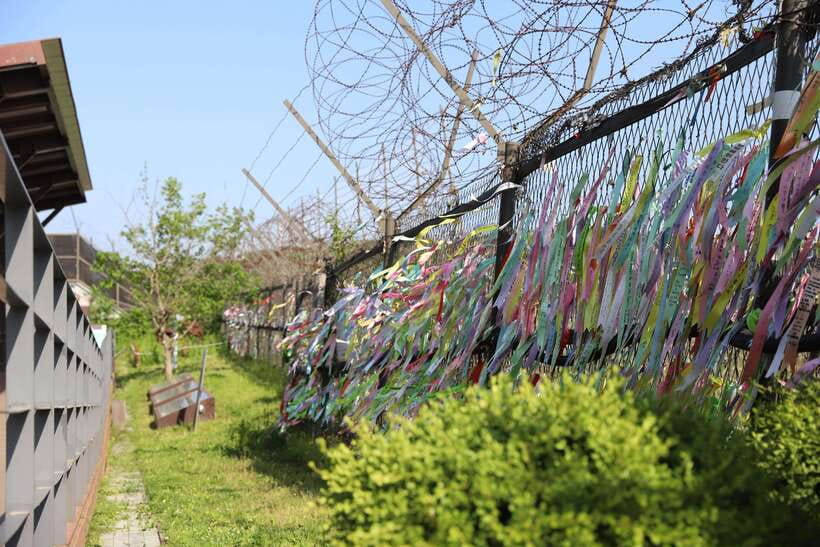
You’ll also have a chance to visit Dokgae Bridge, which was destroyed during the war and later reconstructed. That detail matters. It’s not only “this happened,” but “this was rebuilt,” which gives the day more weight. War isn’t just dates in a book—it’s physical interruption and then effort to restore something broken.
Here’s the vibe I’d expect you to feel at Imjingak: reflective but guided. You’re given enough time to step away from the bus, look around, and let the guide’s context land before you move on.
Possible drawback: if you’re the kind of traveler who wants long free time at each stop, this day keeps momentum. Imjingak is not rushed, but it’s paced to fit everything.
Entering the DMZ: short time, serious meaning
Next up is a Korean Demilitarized Zone guided visit (about 30 minutes). This part of the trip works best when you treat it like a lesson, not a checklist. You’re not wandering freely for hours. You’re seeing a controlled slice of the border area and getting the political and human context that makes the sight of separation feel real.
Your guide’s commentary is the difference-maker here. The DMZ is easy to misunderstand if you only look at it as “a sightseeing area.” On this tour, you’ll hear the Korean War stories on the drive in, and you’ll keep hearing how those stories connect to the present-day landscape you’re standing on.
This is also where you’ll get that “how can this be so close?” feeling. The region’s boundaries and restrictions turn a normally public space into something tense and guarded. Even if you’re not into military history, the fact that the DMZ is still actively managed by military authorities gives it a special gravity.
Best for you if: you want the DMZ experience without taking a full day with complicated planning.
The 3rd Infiltration Tunnel: narrow, steep, and hard to forget
The tour’s signature moment for many people is the 3rd Infiltration Tunnel visit (about 1 hour total at the site, with walking time built in). The tunnel stretches 1,635 meters, and the passage is tiny by modern standards—around 2 meters in width and height. That size detail doesn’t stay abstract. Once you’re inside or approaching the entrance, you feel how cramped movement would be.
Before you go in, your guide should give you strategic context. On tours like this, that context is what turns a walk through a dark tunnel into something meaningful: you understand what was planned, what it cost, and why the structure is remembered the way it is.
One practical note you absolutely can’t ignore: the 3rd tunnel has a steep slope, and it can take 30–40 minutes round trip on foot. The tour also notes it can be challenging for children and the elderly. If you don’t want to push your limits, it’s possible to wait in front of the tunnel, depending on how the day is running.
If you’re fit but get motion discomfort easily, consider this too: you’ll spend time moving on inclines and inside a constricted space. It’s not a “fear” thing, but it’s physical.
Bring your mindset: treat the tunnel as a “sober experience,” not a casual photo stop.
Dora Observatory: the rare view toward North Korea
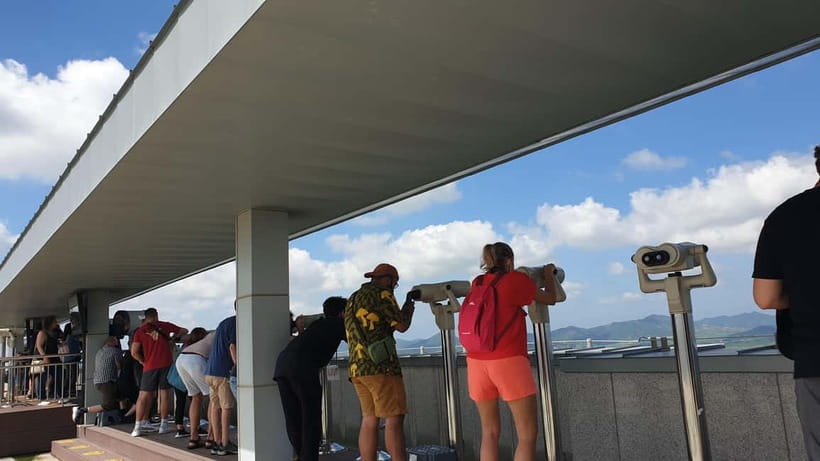
After the tunnel, you’ll reach Dora Observatory for about 1 hour. This is where the tour gives you a rare visual connection to North Korea without crossing any border.
From the observatory, you can enjoy panoramic views of North Korea and other key locations. The big promise here is weather-dependent: on clear days, you may even catch glimpses of North Korean residents going about daily life. Even if visibility isn’t perfect, the guide’s job is to help you interpret what you’re seeing—aiming your attention at the meaningful spots rather than letting you stare at distant hills and guess.
You’ll also likely get practical viewing guidance: where to look, how to think about distances, and how the DMZ geography relates to what’s on the other side. When this stops is led well, you leave feeling like the day connected to a living reality, not just a historical lesson.
If it’s cloudy: lower your expectations for long-distance detail, but still plan to spend the full time. The value is in the guided interpretation and the panoramic “at-a-glance” understanding of the border area.

Why the English guide makes or breaks the day
This tour is designed around a licensed DMZ guide with English commentary. In practice, the biggest “worth it” factor is not just translations. It’s how the guide handles sensitive topics with clarity and keeps you engaged while moving at the pace the day requires.
I noticed a strong pattern in the guide talent across recent departures: names like Winnie, Sophie, Kenny, Grace, and Lucky show up. People often highlight that the guides combine a strong grasp of war and politics with a personality that keeps the group listening. That matters because the DMZ day can turn heavy fast. The right guide helps you process what you’re hearing without turning it into a dull lecture.
You can also expect the guide to help you move efficiently between stops—especially important for the tunnel and suspension bridge portions, where walking time is real and schedules are tight.
Walking, shoes, and what to bring for this 9-hour border day
Let’s talk practical prep so you don’t fight the day.
What to bring
- Passport (required)
Footwear matters
- The tour strongly advises against flip-flops, slippers, or shoes with heels.
- The suspension bridge area involves hiking, and the tunnel route includes a steep slope.
Body considerations
- It’s not suitable for wheelchair users, and it may be an issue for people with heart problems.
- If you’re traveling with kids, choose shoes and expect some uphill walking. The tunnel access is where you’ll likely feel the most strain.
Behavior rules you should know
- No smoking in the vehicle
- No alcohol and no drugs
- Intoxication means you won’t be allowed to join, and there’s no refund if you’re turned away.
- Unaccompanied minors aren’t allowed.
Timing reality
You’ll be on the road a lot. There’s an 80-minute bus/coach ride early, another 40-minute transfer, and another 80 minutes back. That’s part of the DMZ experience, but it means your body needs hydration and breaks in your own rhythm—without expecting long stops or late-afternoon delays.
Price and value: is $65 a fair deal from Seoul?
For $65 per person and a 9-hour day, the math looks good if you care about guidance and access. This price typically includes:
- Roundtrip shared transfer
- Air-conditioned bus or minivan
- Entrance fees
- A licensed professional DMZ tour guide
- Optional pickup from central Seoul areas (like Gangnam, Myeongdong, Gwanghwamun, Itaewon, Dongdaemun)
What’s not included:
- Food and drinks
- Travel insurance
- JSA / Panmunjom visit (this tour does not include it)
That last point is important. If Panmunjom is your must-do, you’ll need a different option. But if your goal is to see the DMZ through key accessible sites—Imjingak, the tunnel, and Dora—this hits the core experiences in one organized day.
Also, the transportation setup helps. Many people rate the transport highly, which matters because the day is long. When the logistics run smoothly, you spend more energy on the places themselves.
If the DMZ visit changes: what you may still see
This region is run by the military, so the tour may be canceled or adjusted without prior notice. When that happens, the plan can shift to other sites, such as:
- Art Space BEAT 131
- Odusan Unification Observatory
- War Memorial of Korea
(with Imjingak still included)
So if you book this day, I’d mentally prepare for “history sites, adapted to conditions.” That mindset keeps you from feeling disappointed if weather or military conditions tighten the schedule.
Should you book the Seoul DMZ tour with the 3rd Tunnel and Dora Observatory?
Book it if you want a structured DMZ day that balances emotion with context. This tour is especially strong if you care about:
- seeing the 3rd tunnel as more than a photo stop,
- getting guided views from Dora,
- and understanding the Korean War threads that connect Imjingak, Freedom Bridge, and the DMZ.
I’d skip or rethink if:
- you can’t do inclines or the tunnel walk,
- you have heart-related concerns,
- you need wheelchair access,
- or you’re specifically chasing JSA/Panmunjom, which isn’t included here.
If you’re on the fence, here’s the decision shortcut: if you’re willing to wear the right shoes and sit through a full day of history explanations in English, this is a solid way to turn a long trip day into something that actually sticks.
FAQ
Do I need a passport for this DMZ tour?
Yes. You’re required to bring your passport for the tour.
How long is the tour from start to finish?
The total duration is 9 hours.
Is JSA / Panmunjom included?
No. JSA (Panmunjom) is not included on this tour.
What food is provided?
Food and drinks are not included, so plan to purchase meals separately.
What happens if the DMZ trip is canceled or altered?
Since the DMZ is operated by the military, the trip may be canceled without prior notice. If the itinerary changes, you may visit other sites such as Art Space BEAT 131, Odusan Unification Observatory, and War Memorial of Korea (instead of parts of the DMZ route).
Is this tour suitable for everyone with mobility issues?
No. It’s not suitable for wheelchair users, and it may not work for people with heart problems.
What should I wear or avoid for the walking parts?
Wear comfortable shoes. The tour strongly recommends you avoid flip-flops, slippers, and shoes with heels, especially because the tunnel involves a steep slope and the Gamak Mountain suspension bridge area involves hiking.