REVIEW · SEOUL
Best DMZ Tour Korea from Seoul (Red Suspension Bridge Optional)
Book on Viator →Operated by VIP TRAVEL Co.Ltd · Bookable on Viator
A DMZ day has real gravity. This guided half-day route from Seoul strings together the big hitters like Bridge of Freedom, the Third Tunnel, and Dora Observatory in one 7.5-hour plan.
I especially liked the smooth pickup-and-transport setup, which keeps you from wrestling with buses and transfers when timing matters. I also love that it skips the usual tourist traps: there is no forced shopping, and major sites include admission (so you are not constantly paying add-on fees).
One thing to plan around: DMZ access can change due to military issues, and you will need a passport (or an ARC/Military ID card) on tour day.
In This Review
- Key points worth your attention
- From Seoul to the DMZ in a way that doesn’t feel frantic
- Imjingak Pyeonghwa-Nuri Park: where the Korean War stays visible
- DMZ Theater and Exhibition Hall: the context you need before the hard stuff
- The Bridge of Freedom: one bridge, one number, one feeling
- The Third Tunnel of Aggression: a short walk that feels long
- Dora Observatory: binoculars over North Korea
- Optional Red Suspension Bridge: a fun reward for making it through the tunnel
- Other add-ons: Majang Lake Bridge, the JSA museum, and strawberry picking
- Guides and pacing: why the day feels worth it
- Price and value: what you are really paying for
- Tips for your day: passport, timing changes, and staying comfortable
- Should you book the DMZ tour from Seoul with the Red Suspension Bridge?
- FAQ
- How long is the DMZ tour from Seoul?
- Does the tour include pickup?
- What is included in the price?
- Is lunch included?
- Do I need a passport for the tour?
- Are there optional stops like the Red Suspension Bridge?
- What DMZ stops are included on the basic route?
- Can the schedule change during the tour?
- What is the maximum group size?
Key points worth your attention
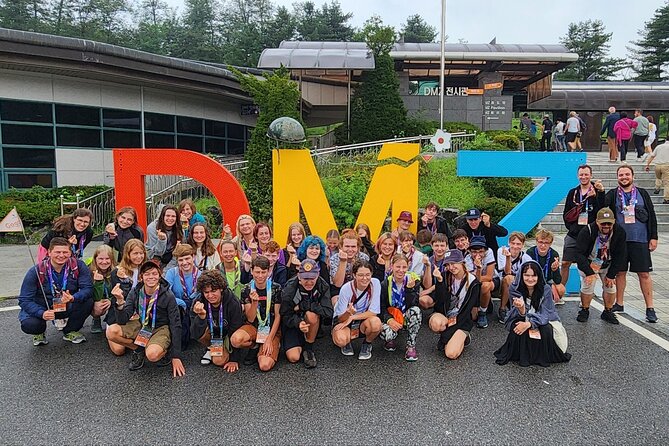
- Hotel or subway-area pickup keeps the morning calm and gets you onto the road without guesswork
- Museum and major-site admissions are included, so the day feels organized and fair
- The Third Tunnel has physical weight and is a standout stop for many people
- Dora Observatory is the big-view moment, with binoculars aimed at North Korea
- Optional Red Suspension Bridge adds a fun stretch to an otherwise serious route
- Tour timing can shift if DMZ operations change
From Seoul to the DMZ in a way that doesn’t feel frantic
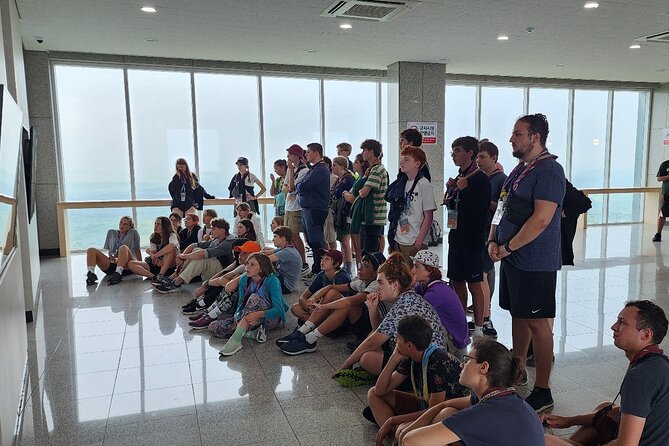
The whole point of this kind of tour is to make a complicated place feel doable. You get round-trip transportation with pickup from a main subway station near your hotel area or a downtown hotel, so your start time is built into the day rather than improvised.
The day runs about 7 hours 30 minutes, and the stops are timed so you spend actual time at each site instead of feeling like you are just hopping off a bus for 5 photos and back on. With a maximum group size of 200, it can still feel crowded at peak moments, but the schedule keeps it moving in a controlled way.
If you hate being shoved into souvenir stops, this route is designed to avoid forced shopping. That matters here because the DMZ is already intense enough without turning the day into a sales pitch.
You can also read our reviews of more tours and experiences in Seoul.
Imjingak Pyeonghwa-Nuri Park: where the Korean War stays visible
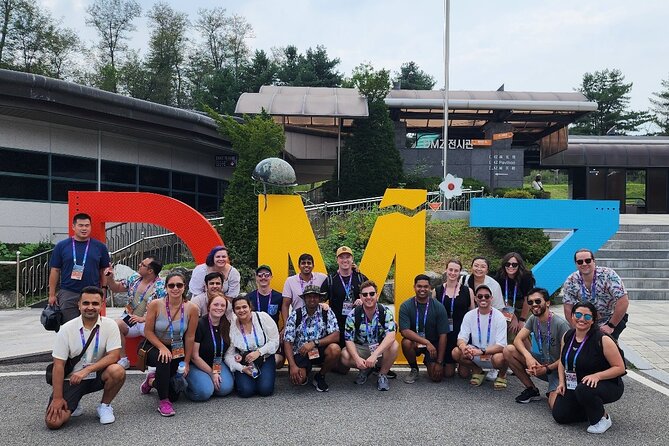
You begin at Imjingak Pyeonghwa-Nuri Park, a memorial space built to console Korean War refugees. It sets the emotional tone early, and it is not just a pretty stop before the main attractions.
One detail I think helps visitors understand the place: the Iron Horse train. It stands as a symbol of the railway severed between North and South Korea, which makes the division feel physical rather than abstract. The stop is about 30 minutes and admission is free, so it is a manageable start before you go into the more structured DMZ sites.
Practical note: even in mild weather, this area can feel exposed. If you are visiting in winter, plan for cold before you are layered for tunnel time.
DMZ Theater and Exhibition Hall: the context you need before the hard stuff
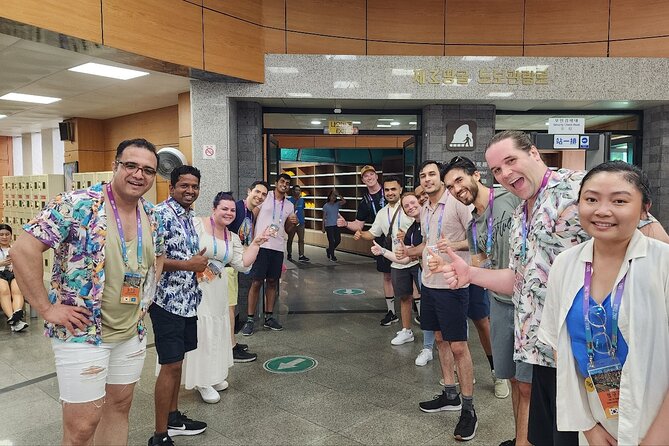
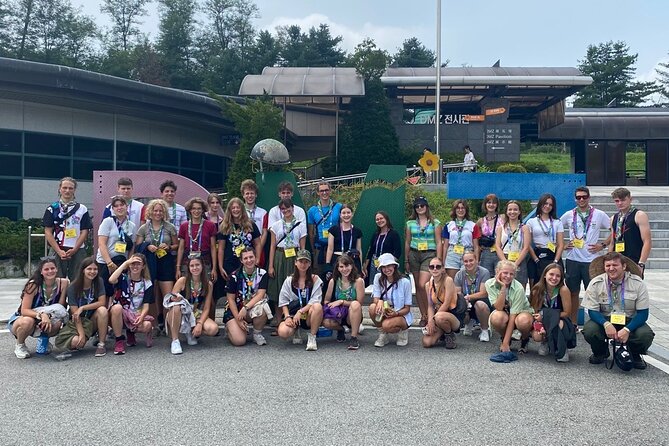
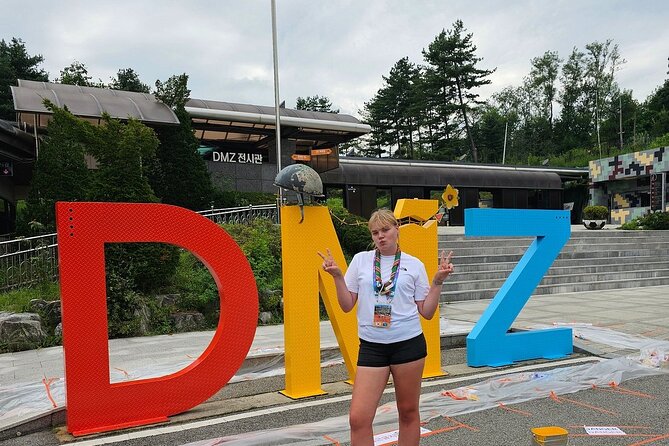
After Imjingak, the tour moves into the DMZ area proper, starting with the DMZ Theater and DMZ Exhibition Hall. This is where the day becomes easier to follow, because you get the South Korean perspective on the Korean War rather than piecing together history from random facts.
The stop is about 1 hour, and admission is included. For first-time visitors, this is a big deal: it turns the later sights—tunnel, observatory, and the Bridge of Freedom—into parts of a connected story instead of separate photo stops.
Think of it as your mental map. Without it, the day can feel like you are seeing symbols but not understanding what they were meant to do.
The Bridge of Freedom: one bridge, one number, one feeling
Next comes the Bridge of Freedom, where prisoners of war crossed the Imjin River to return to South Korea in 1953. This is not a long stop (about 20 minutes), but it is one of the most emotionally charged places on the route.
The history detail that hits hardest is the number: 12,773 prisoners of war used the bridge. It is the kind of fact that makes you look at the span differently—less like a landmark and more like a corridor of lives changing course.
This is also where your guide’s commentary matters. If you get a guide who explains the background clearly, the bridge makes immediate sense. If they just rattle facts, the bridge can feel distant. The route works best when the guide ties the location to what the division meant for ordinary people.
The Third Tunnel of Aggression: a short walk that feels long
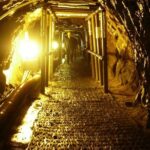
The Third Tunnel is often the highlight people talk about later, and I get why. The stop lasts about 1 hour and admission is included, but the real pull is the physical feeling of walking into a buried infiltration route.
The tunnel was discovered in 1978 and sits about 12 kilometers from Munsan and about 52 from Seoul. Its purpose was for infiltration into South Korea, which is part of what makes it so unsettling: you are not just looking at a museum object; you are experiencing the design and scale.
One important consideration: this part can be physically demanding. People specifically warn that the tunnel is work-your-body time. If you are in winter or you are not used to walking for long stretches, wear comfortable shoes and dress in layers. The DMZ day is not a sprint, but the tunnel is not a casual stroll either.

Dora Observatory: binoculars over North Korea
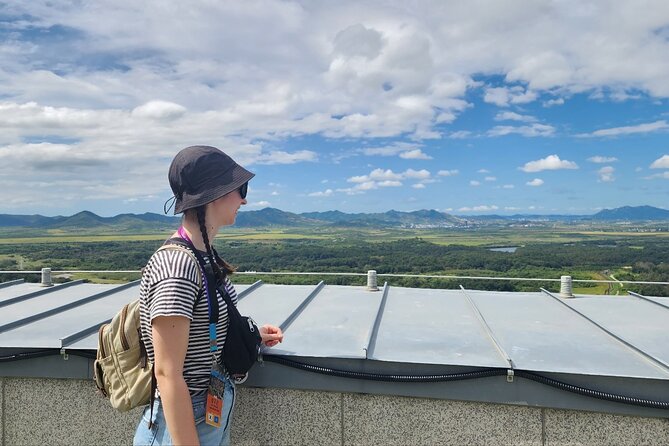
Then comes the big-view stop: Dora Observatory. It is rebuilt in 2018, and the main draw is the view—plus the high-powered binoculars on the third floor.
What you are trying to spot matters: the propaganda village (Kijong-dong), Kaesong City, and other details that are far away but still part of the day’s story. This is where the tour shifts from history explanation to geography you can see with your own eyes.
Many people describe it as surreal, especially when you are looking from one side of the divide toward places you have only read about. If you like moments that feel a bit unreal, this is one. The stop is about 1 hour with admission included.
Optional Red Suspension Bridge: a fun reward for making it through the tunnel
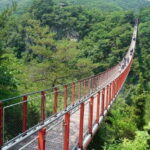
The headline for this specific version is the optional Gamaksan Chulleong Bridge (the Red Suspension Bridge). If you select it during checkout, it adds about 1 hour and admission is included.
This is a towerless suspension bridge known for being a wobbly kind of thrilling. It is also called the Gloucester Heroes Bridge, which gives it a local meaning beyond just the thrill factor. You cross it as a change of pace, after the emotional and physical intensity of the earlier stops.
If you want one part of the day that feels lighter without going off-topic, this is the best place to add it. But if you are already feeling tired from the tunnel, you may prefer to skip the optional bridge and keep the day calmer.
Other add-ons: Majang Lake Bridge, the JSA museum, and strawberry picking
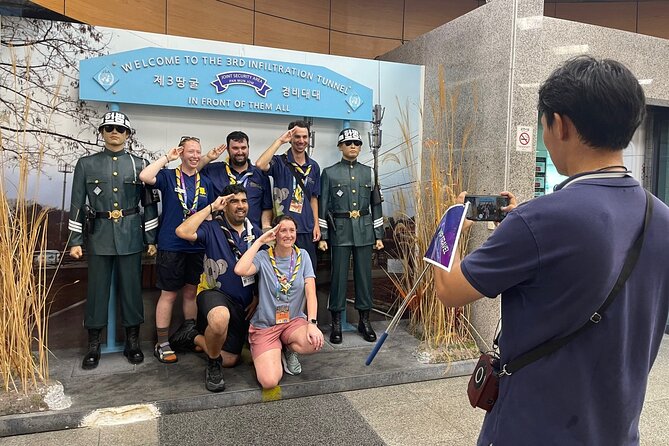
Depending on what you select, you can extend the fun or add more context:
- Majang Lake Suspension Bridge: about 1 hour, crossing a 220-meter span over the reservoir in Paju. People tend to like it because it is straightforward to enjoy visually and it breaks up the serious tone.
- Tongilchon-gil / JSA Museum option: about 30 minutes, with a free admission option listed. The museum focuses on Panmunjom, the Korean War, and inter-Korean relations.
- Strawberry picking: listed as an optional add-on during checkout. The details beyond that are not spelled out in the tour info you provided, but the activity is explicitly offered as part of optional selection.
One practical way to choose: if your main goal is first-rate DMZ history, consider keeping add-ons minimal. If you are with kids or you want the day to end on a more active note, pick the bridge option(s) that match your energy level.
Guides and pacing: why the day feels worth it
A huge theme in the praise is the human factor—guides who can explain hard history without turning it into a lecture. English or Chinese speaking guides are part of the package, and people mention guides like Ray, Emily, Crystal, Lina, Kelly, Jenny, Gabby, Alex, Diane, Bella, and Hana being especially engaging.
What stands out across those comments is not just facts, but the way guides tie the facts to real people. One guide story is specifically noted as including family history connected to the Korean War, and another traveler appreciated how the guide answered questions directly. That is exactly what you want in a place like the DMZ, where a lot of visitors arrive with half-understood context.
Pacing also gets credit. People note that stops feel timed well, with enough time at each place to take things in. That matters because DMZ days can otherwise turn into a checklist.
And yes, it can be a lot. One review even mentions a guide checking in when someone felt under the weather around the tunnel portion. That kind of small care makes the whole experience feel more than just a bus ride with facts.
Price and value: what you are really paying for
At about $29.75 per person, this can feel like a bargain if you compare it to the real costs of getting in, moving around, and paying entry fees at multiple major sites. The value comes from a few specific things:
You get round-trip transport from central areas, a professional guide, and admission included for multiple key stops like the DMZ Theater/Exhibition Hall, the Third Tunnel, and Dora Observatory. You also avoid forced shopping, which is a cost in time and sanity even when it is not a financial cost.
The optional Red Suspension Bridge and other add-ons are where your total can climb, because the base option is described as the DMZ portion only. So you’ll want to choose what you genuinely want, not what you feel you should buy to justify the day.
Also remember: lunch is not included. If you want a stress-free day, plan to eat before you go, or be ready to handle food independently during the hours you are out.
Tips for your day: passport, timing changes, and staying comfortable
This is a tour where logistics matter more than usual. The tour requires a passport on the tour day. If you do not have a passport, a Military ID Card or an ARC card can be used instead.
Timing can also shift due to military issues in the DMZ area. That does not just affect your schedule—it can affect your expectations for how long you are at each site. The best approach is to stay flexible and treat the day like a real-world access situation, not a theme park with guaranteed timings.
Comfort tips that come directly from the nature of the stops:
- Dress for cold if you are visiting in winter. People specifically warn the area gets very cold.
- Wear shoes that work for the tunnel. The Third Tunnel portion is physically demanding, and you’ll want steady footing.
Should you book the DMZ tour from Seoul with the Red Suspension Bridge?
I recommend booking this if you want a structured DMZ day with the key landmarks in a single outing and you care about getting context from your guide. The mix of memorial sites, the tunnel, and Dora Observatory hits the right balance of history and real-world perspective.
Choose the Red Suspension Bridge option if you want a lighter, active finish after the serious parts. It is a good way to end the day with movement and views, not just sitting and listening.
Skip or simplify add-ons if you are tired easily, have mobility concerns with the tunnel, or simply do not want the day to feel packed. Also, be honest about your planning flexibility: passport rules and possible DMZ timing changes are part of the deal.
If you want one DMZ tour that feels efficient without feeling like a hard-sell shopping stop, this is a strong pick. It is not a casual outing. It is a meaningful one, with just enough comfort and order to make it work.
FAQ
How long is the DMZ tour from Seoul?
The tour is approximately 7 hours 30 minutes.
Does the tour include pickup?
Yes. Hotel pickup is offered from a main subway station near your hotel or from downtown hotel areas.
What is included in the price?
The tour includes a professional English or Chinese tour guide, hotel pickup, and complimentary admission to all museums on the route. Optional add-ons may be selected during checkout.
Is lunch included?
No, lunch is not included.
Do I need a passport for the tour?
Yes. A passport is needed on the tour day. A Military ID Card or an ARC card can be used instead.
Are there optional stops like the Red Suspension Bridge?
Yes. The Gamaksan Red Suspension Bridge is optional and can be added during checkout. There is also an optional Majang Lake Bridge, and an optional JSA Museum option.
What DMZ stops are included on the basic route?
The tour includes the DMZ visit with DMZ Theater and Exhibition Hall, the Third Tunnel, and Dora Observatory, along with Imjingak Pyeonghwa-Nuri Park and the Bridge of Freedom.
Can the schedule change during the tour?
Yes. The tour time can change due to military issues in the DMZ.
What is the maximum group size?
The tour has a maximum of 200 travelers.