Bukchon cooking turns Seoul into lunch. This beginner class pairs a modern hanok-style setting feel with pro chef instruction and a clean, air-conditioned kitchen where you actually make the food.
I like that the teaching is hands-on and step-by-step, with professional English-speaking chefs trained both in Korea and abroad. You also get to eat what you make right at the end, plus rice and a beverage.
One thing to plan for: the meeting building is easy to miss, and the class can be on upper floors with stairs, so wear shoes you can climb in and don’t show up late.
In This Review
- Key things to know before you go
- Bukchon + a Modern Kitchen: Why This Setting Works
- Where You Meet and How the Morning Flows
- A Market-Style Ingredient Primer Before You Cook
- In the Kitchen With English-Speaking Chefs: What You’ll Do
- A note on pace and prep
- Clean workflow matters
- What You Cook (and Why Beginners Feel Comfortable)
- Lunch With What You Make: Rice + One Beverage
- Value Check: Does $87 Buy Real Learning?
- Who This Class Is Best For (and Who Might Skip)
- Should You Book This Korean Cooking Class in Bukchon?
- FAQ
- How long is the Korean cooking class?
- Where is the meeting point?
- Is hotel pickup included?
- What’s included in the price?
- What dishes will I make?
- Do I need prior cooking experience?
- What time does it start?
- What’s the minimum age for the class?
- What if I have dietary restrictions or allergies?
- Can I cancel and get a refund?
- FAQ
- Is there a set group size?
- What if the class doesn’t meet the minimum number of participants?
- Do I need to bring anything?
- What if I’m late?
- Is the venue near public transportation?
- Do I get to eat the food I cook?
Key things to know before you go
- Modern kitchen tools make a big difference when you’re learning basics
- Pro English-speaking chefs guide you while you chop, mix, and cook
- Lunch is included, and you’ll eat what you prepare with rice and a drink
- All ingredients and equipment are taken care of, so you can focus on cooking
- Small-group energy is common, even though the class size can be up to 22
- Arrive early enough to get settled and not lose time on instructions
Bukchon + a Modern Kitchen: Why This Setting Works
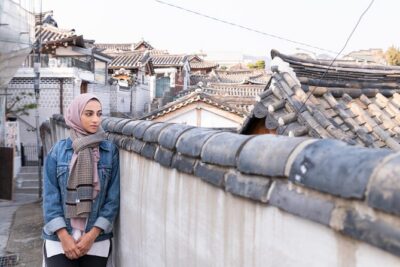
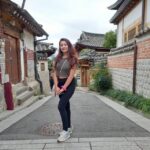
This cooking class is set up in the Bukchon area, near the famous historic Hanok village. Even though the cooking happens in a modern, fully air-conditioned kitchen, the location helps you feel like you’re learning Korean food in the real Seoul context, not some far-off studio.
The best part is the blend of atmosphere and practicality. You get the cultural “place” (Bukchon/Jongno) without sacrificing comfort. Reviews also mention a cozy studio feel, which matters because cooking classes work better when you can see, hear, and move without fighting for space.
You can also read our reviews of more cooking classes in Seoul
Where You Meet and How the Morning Flows
You meet at O’ngo Food Communications, 137-11 Bukchon-ro, Jongno District, Seoul. The start time is 10:30 am, and it’s an easy win if you arrive around 10 minutes early. You’ll use a mobile ticket, and the area is near public transportation.
No hotel pickup or drop-off is included. That’s normal for this kind of class, but it does mean you’ll want to map the address ahead of time and leave buffer for Seoul traffic and foot traffic.
Also, plan for stairs. One reviewer flagged that the school is on the third floor with no elevator. That’s not on you to guess from the street, so I’d treat stairs as a real possibility and travel light.
A Market-Style Ingredient Primer Before You Cook
This is a beginner class, so it starts with the “how to think about ingredients” part, not just recipes. You’ll get guidance on choosing good items for Korean cooking, and you’ll also get basic safety instructions before you start cooking.
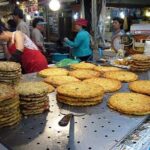
Many classes like this include some kind of local shopping or ingredient walkthrough. One person specifically mentioned an underground market tour, and said arriving early helped them catch that portion. The official timing can vary by session, but the takeaway is simple: if you want extra time to look at ingredients, don’t treat 10:30 as your arrival time.
If you’re new to Korean food, this ingredient primer is where the learning sticks. Korean cooking can look intimidating because sauces and side components matter. When you understand what you’re buying and why, the recipes feel repeatable at home.
In the Kitchen With English-Speaking Chefs: What You’ll Do
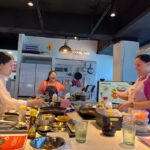
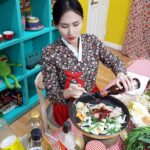
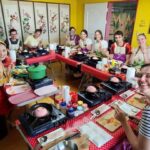
The kitchen setup is designed for participation. You’re not watching someone else cook while you stand there with a camera. You’ll follow step-by-step guidance, then do the real work yourself—things like chopping, mixing, and working through each recipe component.
The chefs are described as trained both internationally and in Korea, and they speak professional English. In real terms, that means you can ask questions like a normal human being (what substitutes work, how to balance flavors, what to watch for), instead of guessing from pictures.
Instructors named in the feedback include Ran and Yibben. People also praised the level of help, from hovering by your station to catching mistakes before they become disasters. That’s exactly what you want in a beginner class: confidence, not chaos.
A note on pace and prep
Some of the “not fun” prep is often handled ahead of time so you can focus on cooking tasks you’ll actually remember: cutting, mixing, and the steps that affect flavor. That balance comes up in multiple experiences—enough structure to feel safe, enough action so you leave with skills.



Clean workflow matters
A couple of comments specifically praised cleanliness and the attention paid to avoiding cross-contamination. That’s a practical plus, especially if you’re cautious about food handling or allergies. One participant even said the chef helped adjust for a food allergy. If you have dietary needs, tell the staff clearly so they can advise within what the class can accommodate.
What You Cook (and Why Beginners Feel Comfortable)
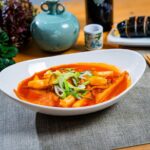
The menu can vary by session, but it’s built around popular Korean dishes that fit a beginner schedule. Feedback mentions classics such as japchae, bulgogi, kimchi (including a kimchi-focused beginner class), bibimbap, soup, chicken stew, and even a kimchi pancake made by the chef.
Here’s the key: these dishes teach different Korean flavor ideas, not just one technique.
- Noodles like japchae teach seasoning and balance
- Bulgogi teaches how Korean-style marinades shape taste
- Bibimbap shows how sauces, toppings, and rice work together
- Kimchi teaches fermentation basics and flavor building
- Stews and soups teach how to develop depth from ingredients
You’ll learn “culinary secrets,” but in a useful way: why certain ingredients show up, how they affect flavor, and how to adjust as you cook. Some people noted being able to fine-tune spices at the end, which is a big confidence booster.
Even if you can’t pronounce every ingredient perfectly, you’ll understand the logic behind the steps. That’s what lets you recreate dishes without feeling lost.
Lunch With What You Make: Rice + One Beverage
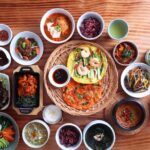
You sit down at the end to eat what you prepared. Lunch is included, and the meal comes with rice and one beverage.
That “eat your own cooking” part is more important than it sounds. In a lot of classes, you cook and then the staff eats the evidence. Here, you taste your finished dish, and you can compare it against what you think it should taste like. That closes the learning loop.
People also mention leaving full. With a 2-hour class length, that matters. You’re not paying for a snack and a demo. You’re paying for a full hands-on lunch experience.
Value Check: Does $87 Buy Real Learning?
At $87 per person for about 2 hours, this is not a budget activity. But it can be a good value because you’re getting a full package:
- beginner cooking instruction
- professional chefs
- all ingredients
- equipment
- lunch
- rice and a beverage
- a fully air-conditioned modern kitchen
If you tried to DIY this on your own, you’d spend time figuring out ingredients, buying gear, and still likely end up with a “pretty good, but why doesn’t it taste right” moment. Here, the price buys both the food and the guidance that helps it work.
It also tends to sell well. The average booking window is about 21 days in advance, and the class runs with a maximum of 22 people. That signals demand, and when demand is high, it usually means the experience is doing something right—like clean setup, good pacing, and staff that can teach.
Who This Class Is Best For (and Who Might Skip)
This class is a strong fit if you:
- want a beginner-friendly Seoul food experience
- like hands-on learning more than museum-style sightseeing
- are traveling with a partner or going solo and want a fun group atmosphere
- want practical recipes you can actually repeat later
It’s also a solid choice for families with kids who meet the rules. The minimum age required for participation in the cooking class is 11. Younger children are welcome in the broader setting, but they may not participate in the class itself.
You might skip if:
- you’re only interested in tasting and not cooking
- you want an advanced-level, multi-dish deep technical workshop
- you strongly dislike stairs or hard-to-find buildings (since the venue may involve steps)
Should You Book This Korean Cooking Class in Bukchon?
If you’re the type who likes to learn by doing, this is an easy yes. You get a modern kitchen, pro instruction in English, ingredient guidance, and lunch that includes rice and a drink. The price feels fair because it’s not just a meal or just a show—it’s a structured lesson with the full “make and eat” payoff.
Before you book, do one quick reality check: your comfort level with cooking tasks (chopping, mixing, following steps) and your willingness to arrive on time and handle stairs. If those are fine, you’ll likely leave with better Korean cooking instincts than you started with—and lunch that proves it.
FAQ
How long is the Korean cooking class?
The class runs for about 2 hours.
Where is the meeting point?
You meet at O’ngo Food Communications, 137-11 Bukchon-ro, Jongno District, Seoul, South Korea.
Is hotel pickup included?
No. Hotel pickup and drop-off are not included.
What’s included in the price?
A beginner cooking class, all ingredients and equipment, lunch, and 1 beverage are included. You’ll also have professional English-speaking chefs.
What dishes will I make?
The class focuses on popular Korean dishes for beginners, and the exact menu can vary by session. Common examples mentioned include dishes like japchae, bulgogi, kimchi, bibimbap, soup, and chicken stew.
Do I need prior cooking experience?
No. This is described as a morning cooking class for beginners, with safety instructions and step-by-step guidance.
What time does it start?
The start time is 10:30 am.
What’s the minimum age for the class?
The minimum age required for the cooking class is 11. Children younger than 11 may be welcome, but they may not participate in the class.
What if I have dietary restrictions or allergies?
The class is designed for beginner cooking and instruction, and staff can help with adjustments when possible. You should communicate your dietary needs when you book or when you arrive.
Can I cancel and get a refund?
Yes, you can cancel up to 24 hours in advance for a full refund.
FAQ
Is there a set group size?
The class has a maximum of 22 travelers.
What if the class doesn’t meet the minimum number of participants?
There’s a minimum requirement for certain days (with Saturdays needing a minimum of 5). If it’s canceled due to not meeting requirements, you’ll be offered an alternative date or a full refund.
Do I need to bring anything?
No. All ingredients and equipment are included.
What if I’m late?
You should arrive about 10 minutes early. If you’re late, you may miss parts of the program and you’re responsible for that.
Is the venue near public transportation?
Yes, it’s near public transportation.
Do I get to eat the food I cook?
Yes. Lunch is included, and it features the dishes you make, plus rice and one beverage.