REVIEW · SEOUL
Korean Cooking at Seoul Cooking Club
Book on Viator →Operated by Premium Cooking Class @ Seoul Cooking Club · Bookable on Viator
Korean food is fun, but this class makes it stick. Seoul Cooking Club pairs a max-12 small-group setup with hands-on cooking and tasting of 10 Korean flavors, while also offering vegan and halal-friendly choices. One thing to consider: some portions may be more like smart assembly than fully raw-from-scratch cooking, which won’t suit people chasing a super intense culinary bootcamp.
This is a 2.5-hour session that runs like real brunch, lunch, or dinner. You’ll cook a three-course Korean meal, eat what you make, then end with dessert. Instructors such as Olivia, Elly, Sally, Grace, and Ally are repeatedly praised for clear, step-by-step guidance, and the class wraps with a cookbook souvenir and often enough food to pack leftovers for later.
In This Review
- Key highlights to know before you go
- Hands-On Korean Cooking at Seoul Cooking Club: What You’re Really Getting
- The Small-Group Setup (Max 12) That Makes Teaching Actually Work
- Your 2.5-Hour Three-Course Flow: Brunch to Dinner Rhythm
- The Dish Lineup: Bulgogi, Bibimbap, Jeon, Japchae, and More
- Tasting 10 Flavors: Why It Beats Just One Big Meal
- Dietary Options You Can Actually Plan Around (Vegan, Halal, Gluten-Free)
- Price and Value at $109: When the Math Actually Adds Up
- Where to Meet in Jongno and How to Keep It Easy
- What the Instructors Do Well (and Why You Feel Confident Fast)
- A Possible Drawback: If You Want Maximum Raw Prep, This Might Feel Too Finished
- So Who Should Book Seoul Cooking Club?
- Should You Book Korean Cooking at Seoul Cooking Club?
- FAQ
- How long is the Korean cooking class at Seoul Cooking Club?
- Where is the meeting point?
- What is the group size limit?
- What dietary options are available?
- Will I be able to taste what I cook?
- What kind of ticket do I need?
- Can I cancel for a full refund?
Key highlights to know before you go
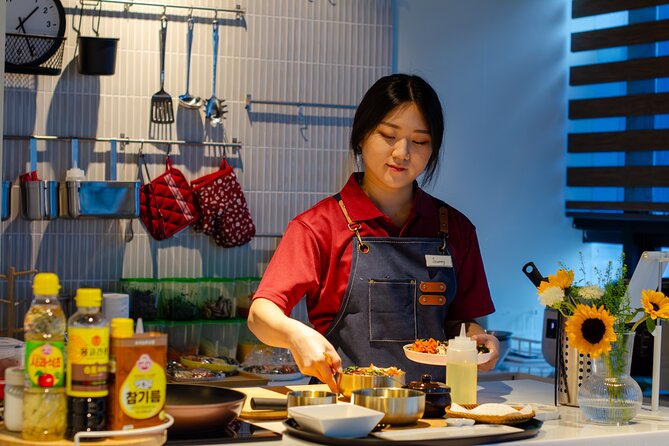
- Max 12 people keeps questions quick and the pace comfortable
- Ten flavors plus a three-course meal means you taste widely, not just sample bites
- Dietary flexibility includes vegan, vegetarian, pescatarian, gluten-free, and halal options
- You eat what you cook (not just watch and snack)
- Clear instruction from teachers like Olivia, Elly, Sally, Grace, and Ally
- You’ll leave with recipes via a provided cookbook, plus extra take-home portions reported often
Hands-On Korean Cooking at Seoul Cooking Club: What You’re Really Getting
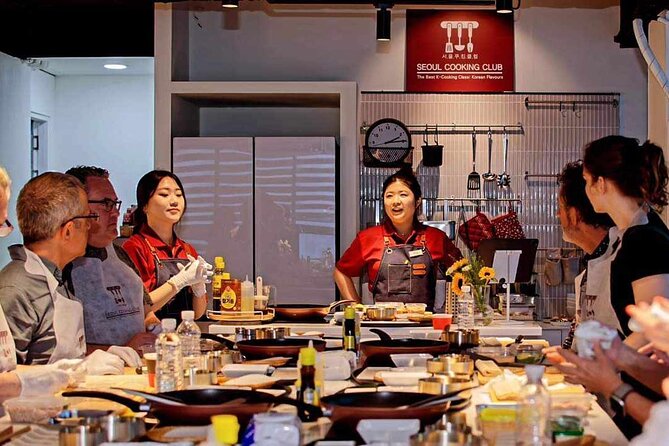
Seoul Cooking Club is one of those activities that works on two levels. First, you learn practical technique: how Korean flavors build in layers, and how sauces, seasonings, and textures come together. Second, you leave with repeatable know-how—so later, when you’re standing in front of menus in Seoul, you actually understand what you’re looking at.
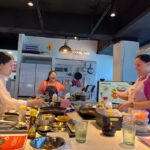
The format is also designed for normal people, not TV chefs. You’re not expected to already know Korean cooking jargon. The class is timed well so you get active time at the stove while still having moments to sit, taste, and adjust. That balance shows up in the feedback: lots of people say directions feel easy to follow, and the overall pace isn’t exhausting.
You can also read our reviews of more cooking classes in Seoul
The Small-Group Setup (Max 12) That Makes Teaching Actually Work
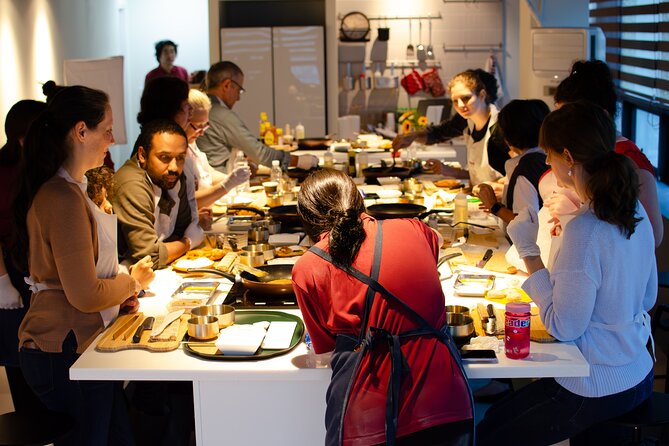
A group limit of 12 isn’t just a number. In a kitchen, big groups turn into watch-and-wait. Here, the class size supports something more useful: you get attention when your sauce is too salty, too sweet, too bland, or just needs one more small adjustment.
That matters because Korean dishes often hinge on small ratios. Even if you can read a recipe at home, you still need that in-the-room correction—like how to balance seasoning after tasting, or how to time a stir so flavors don’t lose their texture. With a small group, instructors can spot what’s happening in your pan, not just give general advice.
If you’re a solo traveler, this setup also makes it easier to chat without shouting across the room. It’s a straightforward way to meet people who are also curious about Korean food.
Your 2.5-Hour Three-Course Flow: Brunch to Dinner Rhythm
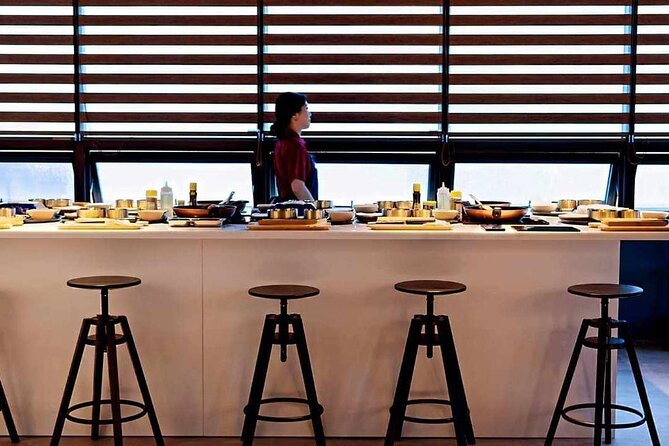
The class runs about 2 hours 30 minutes, and it’s built around a three-course meal experience. You’ll work through different stages—appetizers, main courses, and dessert—then taste everything you prepare.
What I like about this structure is that it mirrors how Korean meals actually feel: start with something lighter, move into the more filling dishes, then finish sweet. It’s also a smart way to learn. Instead of one dish in depth, you cover a range of flavors and cooking methods in a short time.
Expect a steady rhythm:
- Instruction and prep guidance for what you’re making
- Cooking steps you can follow immediately
- Tasting built into the session, so you learn what correct flavor tastes like
- Dessert at the end, which keeps the energy high even for people who don’t cook much
One practical tip from the experience itself: come hungry. Multiple people note that there’s a lot of food, and the portions can be enough that you’ll likely package some to take away.
The Dish Lineup: Bulgogi, Bibimbap, Jeon, Japchae, and More
The menu varies by session, but the experience is clearly designed around Korean favorites with a mix of savory and sweet. The overview mentions classic names like bulgogi and bibimbap, and the reviews highlight a common set of staples people love to learn.
Here’s what you’ll realistically run into during classes at Seoul Cooking Club:
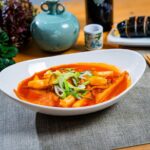
- Bulgogi: one of Korea’s most recognizable flavors, usually taught in a way that shows you how to season and cook for maximum balance
- Bibimbap: often featured as a way to understand how toppings and seasonings work together, not just one sauce
- Gimbap: a popular hands-on option because it’s buildable and very forgiving to practice
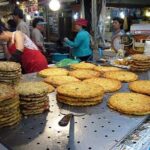
- Jeon (Korean pancakes): some sessions include multiple types of jeon, which helps you see how batter textures and fillings change the result
- Japchae / Jap chae: frequently included and great for learning stir-fry timing and seasoning
You may also encounter additional savory dishes and appetizers as part of the “10 flavors” tasting promise, and dessert is always part of the finish. The key takeaway: you’re not stuck eating one thing. You learn how different Korean dishes taste and behave, so later you can order with confidence.
Tasting 10 Flavors: Why It Beats Just One Big Meal
A lot of cooking classes focus on one showpiece dish. Seoul Cooking Club leans the other way: 10 Korean flavors across the session. That’s a big deal for your learning.
When you taste many dishes during the class itself, you get a working sense of:
- how sweet, salty, and savory are used together
- how Korean meals balance warm and cool elements
- how textures shift from crispy to saucy to chewy
It also helps you understand why Korean food tastes the way it does. You stop thinking in isolated recipes and start thinking in flavor logic.
And because you cook several dishes, your tasting isn’t passive. You know what you added, you know what you adjusted, and you know how it changed the outcome.






Dietary Options You Can Actually Plan Around (Vegan, Halal, Gluten-Free)
One of the strongest reasons to book this class is that it’s set up for different dietary needs. The experience explicitly offers options including vegan, halal, vegetarian, pescatarian, and gluten-free diets.
That matters because Korean food often uses ingredients people don’t always expect—like certain sauces, broths, or cross-contamination issues that can make eating out tricky. In this class environment, the goal is to create a full meal that fits your needs, not just a token substitution.
You’ll also find that instructors are responsive to restrictions. Reviews mention accommodations for peanut allergy and no beef or pork. The practical win for you: you can participate fully without sitting out key dishes.
If you’re traveling with dietary limits, this is the type of activity that reduces stress. You’re still learning Korean cooking, but you’re doing it in a way that respects what you can eat.
Price and Value at $109: When the Math Actually Adds Up
At $109 per person for about 2.5 hours, you should ask: what’s included beyond “a cooking lesson”?
In this case, the value stack is pretty strong:
- A full three-course meal that you cook and eat
- Tasting of around 10 flavors, so you experience more than just one dish
- Dietary accommodations designed for multiple needs
- A cookbook souvenir, so you can recreate dishes later
- A small-group experience (max 12) that supports individualized guidance
Cooking classes can be expensive when you’re mostly watching or when portions are light. Here, feedback repeatedly points to generous food and people leaving full. If you’re the kind of traveler who’d rather pay once for a hands-on meal than chase multiple expensive lunches around town, this price feels more reasonable.
Also note the popularity signal: it’s been booked more than five times recently, which usually means the format is landing well with visitors. You don’t need hype to enjoy it, but demand often correlates with consistent quality.
Where to Meet in Jongno and How to Keep It Easy
The meeting point is 71-6 Jongno 2(i)-ga, Jongno District, Seoul. The activity ends back at the meeting point, which is handy after a full meal—no awkward transit scramble.
It’s also described as near public transportation, so you can plan around Seoul’s transit without turning this into a time-management headache. If you’re staying somewhere central, this is typically manageable even if your day is already packed.
One practical note: the experience uses a mobile ticket, so you’ll want your confirmation handy on your phone.
What the Instructors Do Well (and Why You Feel Confident Fast)
The biggest pattern in the feedback is confidence. People say the teachers explain steps clearly and in a way that feels doable—even if you’re not a big cook.
Names repeatedly mentioned include Olivia, Elly, Sally, Grace, and Ally. Across those different instructors, the common thread is how they teach:
- step-by-step guidance
- encouragement to taste and adjust
- culture notes that help you connect the food to what you’re seeing around Seoul
That culture piece isn’t just trivia. It gives you context for ingredients and technique, which makes the dishes easier to recreate later. When you understand the why, you don’t just memorize instructions.
A Possible Drawback: If You Want Maximum Raw Prep, This Might Feel Too Finished
Here’s the honest consideration. One review rated the experience as more basic, saying it felt closer to assembling than cooking from entirely raw ingredients, because some items are prepped or partially precooked.
If you’re the type who wants to chop every ingredient yourself, start from scratch, and handle every stage with full autonomy, you might find it less intense than you hoped. That said, it can still be a smart choice if your goal is to learn Korean flavor structure quickly and leave with a meal you can actually make again at home.
Think of it like: you get guided results and technique, not a long, messy day of total production.
So Who Should Book Seoul Cooking Club?
This class is a great match if you:
- want an easy entry point into Korean cooking
- like learning by doing, then eating immediately
- need dietary options that aren’t an afterthought
- prefer a small group with clear instruction
- want a recipe souvenir you can use later
It may be less ideal if you’re already an advanced home cook looking for heavy-duty, from-scratch skill progression. In that case, you might prefer a more specialized class that focuses on deep technical prep.
Should You Book Korean Cooking at Seoul Cooking Club?
I’d book it if your top goal is value + learning + eating. For $109, you’re paying for a full three-course experience, a big tasting spread, and a small-group teaching setup with instructors people consistently describe as friendly and clear.
It’s especially worth it if you’re dealing with dietary restrictions like vegan, halal, gluten-free, or allergies. You’ll still experience the meal as a complete package, not a compromise.
If you’re simply curious about Korean food and want a fun, social start to your Seoul trip, this is one of the more practical ways to get your bearings fast—because you leave knowing what dishes actually taste like, and how to recreate them.
FAQ
How long is the Korean cooking class at Seoul Cooking Club?
It lasts about 2 hours 30 minutes.
Where is the meeting point?
The meeting point is 71-6 Jongno 2(i)-ga, Jongno District, Seoul, South Korea.
What is the group size limit?
The class has a maximum of 12 travelers.
What dietary options are available?
You can choose options including vegan, vegetarian, pescatarian, gluten-free, and halal.
Will I be able to taste what I cook?
Yes. The experience includes tasting everything you prepare, along with dessert.
What kind of ticket do I need?
You use a mobile ticket.
Can I cancel for a full refund?
Yes. You can cancel up to 24 hours in advance for a full refund. If you cancel within 24 hours, the amount paid is not refunded.