REVIEW · SEOUL
7 days Flexible Tour for Major Cities(Seoul,Busan,Gyeongju etc)
Book on Viator →Operated by Awesome Tour · Bookable on Viator
A week in Korea with no guesswork. This private 7-day route connects big-city Seoul, a real look at the DMZ, the historic sites of Gyeongju, and the sea-air of Busan—while keeping the schedule flexible enough to breathe when you want. You get a mini van and an English driving guide (I’ve seen this team as Hun and Sean), plus entrance tickets handled for the stops that are on the plan.
I love the way it mixes famous landmarks with the kind of places you actually use in daily life—markets, temples, hanok neighborhoods, and street food stops—so you’re not just collecting photos. I also like that admission tickets for the planned sights are included, which makes the trip easier to budget (meals and hotel are the big exceptions).
One possible drawback: you’ll still do a fair bit of walking and stairs, and meals aren’t included. Also, one key add-on pops up at N Seoul Tower if you choose the cable car option.
In This Review
- Key things that make this tour work well
- A private 7-day Korea mix you can steer
- Seoul Day 1: Gyeongbokgung, Bukchon, Insadong tea, War Memorial, and Gwangjang Market
- Seoul Day 2: N Seoul Tower, Bongeunsa calm, Starfield photos, and a Han River night cruise
- DMZ Day 3: Reflection at Imjingak, real security limits, Third Tunnel, and Dora Observatory
- Seoul Day 4: Fortress gates, archery at Yeonmudae, and Korean Folk Village performances
- The Gyeongju transfer day: Pohang lunch, Gyeongju time, then Space Walk
- Gyeongju Day 6: Daereungwon tombs, coin bread on Hwanglidangil, and night views at Woljeonggyo and Wolji
- Busan Day 7: Gukje Market deals, Songdo cable views, Yonggungsa cliffs, Gamcheon stories, and Ahopsan bamboo calm
- Price and logistics: what your $2,000 covers (and what you still plan for)
- Should you book this Seoul–DMZ–Gyeongju–Busan tour?
- FAQ
- Is this tour private or shared?
- What time does the tour start?
- Are entrance tickets included?
- Are meals included in the price?
- Can I choose where I start or where I end?
- What’s the cancellation timeline for a full refund?
Key things that make this tour work well
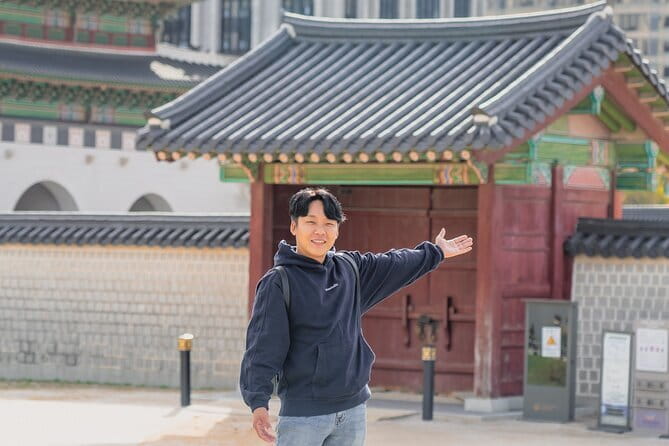
- A true private group setup: it’s just your party in the van with 1–2 English guides.
- Big sights, practical pacing: royal palaces, fortress views, war museums, and markets without feeling rushed.
- DMZ logistics handled for you: private movement outside the zone, then a public bus ride where required.
- Photo-friendly stops built in: from tower viewpoints to Starfield Library and night bridges in Gyeongju.
- Flexible day use: the 7 days don’t have to be consecutive, and you can adjust or add extra days.
- Budget clarity: many entrance fees are included, while hotel and meals stay on you.
A private 7-day Korea mix you can steer
This is the kind of tour that helps you get oriented fast. Instead of bouncing between random booking links, you’re rolling through the main chapters of Korea with a guide who keeps the logistics smooth and the day flow understandable. You start around 10:00 am, and pickup is offered, which matters in Seoul where the right station for the right day can save you an hour of confusion.
Because it’s private, you’re not stuck with a rigid herd schedule. The plan is structured, but it’s not locked. The tour also supports flexibility in how you use those 7 days—so you can spread them out, take a lighter day, or add more sightseeing time if you want.
You’ll want to plan for moderate physical fitness. A lot of the stops are outdoors or involve stairs (palaces, fortress areas, temples, and night strolls). If your pace is slow, tell your guide early; the best value comes when you’re not forcing it.
You can also read our reviews of more tours and experiences in Seoul
Seoul Day 1: Gyeongbokgung, Bukchon, Insadong tea, War Memorial, and Gwangjang Market
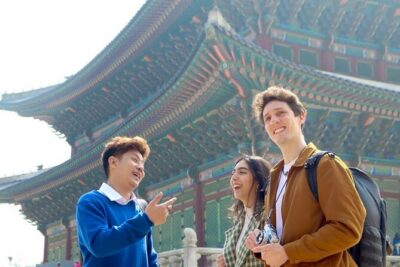
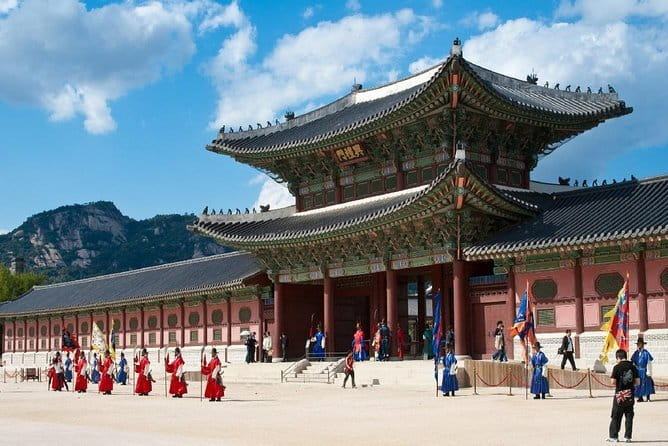
Day 1 is built to give you Seoul’s “why it matters” right away, starting with Gyeongbokgung Palace. This is the main royal palace of the Joseon Dynasty. What I like about a guided approach here is that you don’t just wander courtyards—you get the context behind the buildings and why certain spots are the best for photos. The palace is large, so guidance helps you stay oriented instead of walking in circles.
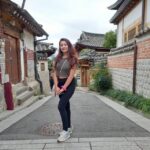
Next comes Bukchon Hanok Village, where you see traditional homes associated with the noble class. The important part isn’t just the cute rooftops. It’s understanding how class and daily life shaped where people lived and how spaces were arranged. You’ll also have time to see inside together, which makes it feel more real than just looking from the sidewalk.
Then Insadong enters the picture: art, antiques, pottery, and the kind of Korean-style cafés you’ll want to linger in. After lunch, there’s a traditional tea moment. This is one of those “small” inclusions that pays off because it gives you a calmer rhythm after walking.
You end the day with the War Memorial of Korea, which shifts the tone from culture to conflict. You’ll see weapons and large outdoor exhibits, plus the story of how the Korean War began and unfolded. It’s not an easy stop, but it’s an important one if you want your trip to feel grounded—not just Instagram-friendly.
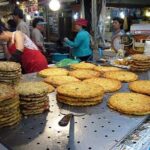
Finally, Gwangjang Market brings you back to everyday life. It’s lively, and the guide explains the market’s history and introduces local specialties. If you like eating your way through a city, this is where the tour becomes more than “sightseeing.”
Practical tip: Insadong and markets can push you toward late lunch/early dinner energy. Bring water, and don’t plan a big shopping spree right before dinner—your feet will call the shots.
Seoul Day 2: N Seoul Tower, Bongeunsa calm, Starfield photos, and a Han River night cruise
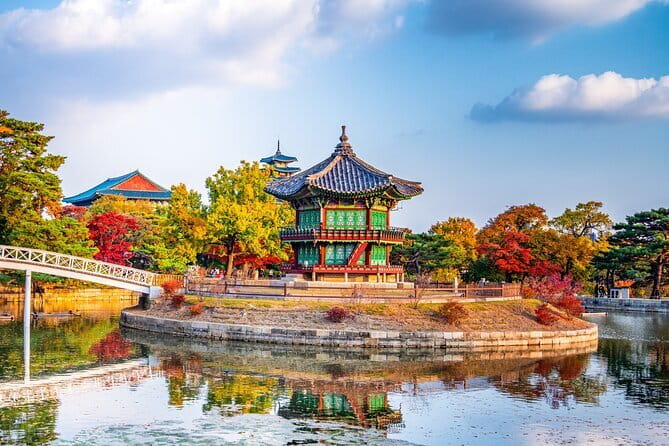
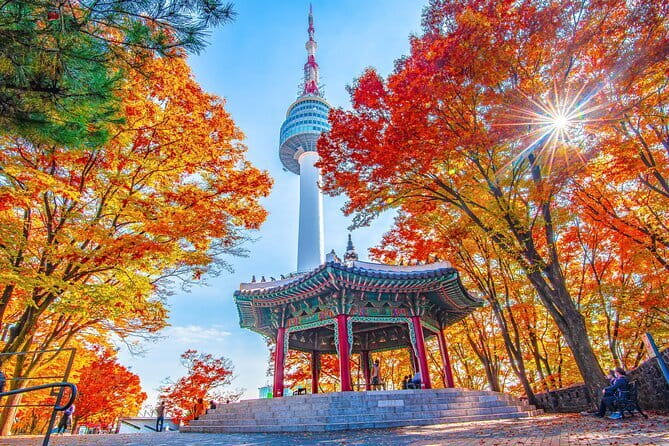
Day 2 is a mix of viewpoints, temple peace, and modern Seoul. You start with N Seoul Tower, reached via a mountain ride guided by your team. The guide helps with history and photo angles. Cable car tickets aren’t included here, so if you choose that option, plan to pay separately.
From there, you get contrast at Bongeunsa Temple—a major temple with a calmer pace that still sits in the heart of Seoul. The tour highlights the meaning and background behind what you’re seeing, plus visual details like colorful lanterns and lotus flowers.
Next is Starfield Library, famous for its photo-ready design and stacks. It’s known for having 50,000 books, and the guide can also swap this stop for a traditional Korean village if you prefer something more traditional over “photo culture.” That option is a smart flexibility lever because not everyone wants social-media-famous interiors.
A quick stop follows: the Statue of Gangnam Style. It’s short, but it anchors the modern Korean pop-culture moment that the world knows.
Then the day turns romantic and a bit K-drama coded with the Han River E-Land Cruise. Before boarding, you’ll eat chicken or noodles together. After dark, the river view changes the whole mood—this is one of the few places where the tour feels like an experience, not just a checklist.
Practical tip: Night cruises can mean cool air. Even in summer, bring a light layer.
DMZ Day 3: Reflection at Imjingak, real security limits, Third Tunnel, and Dora Observatory
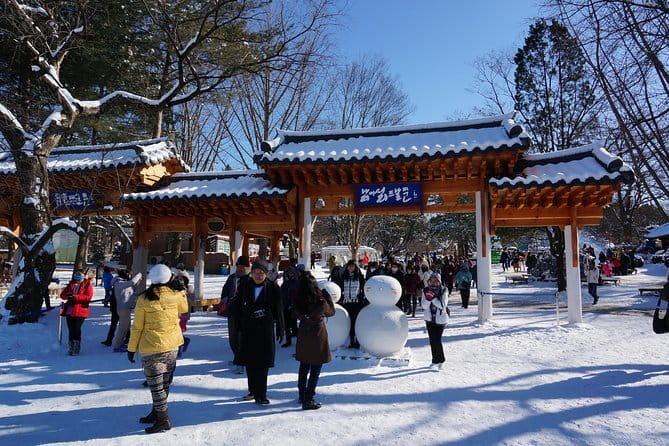
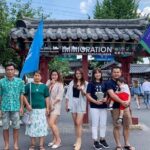
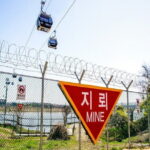
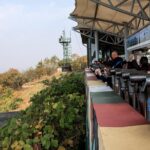
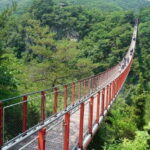
This is the day with the strongest “you came to the right place” feeling. You begin at Imjingak Pyeonghoa-Nuri Park, designed for reflection before you even head toward the DMZ. You’ll see the Bridge of Freedom and an abandoned steam train among other historical features.
Inside the DMZ area, the tour includes an important logistics reality: private cars can’t drive in that zone. Your group transfers to a public bus for the movement inside the DMZ. Everything else stays private, with your guide giving explanations along the way. That matters because the DMZ visit is partly about what you can see and partly about understanding the rules and boundaries that shape what you learn.
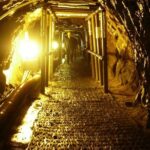
You then visit the Third Tunnel, where tourists can enter one tunnel. It’s 73 meters deep, and the round trip takes about 20 minutes. One detail shared during the visit is the estimate that North Korea could send 30,000 soldiers per hour through this. Whether you agree with every number or not, the scale makes the situation feel concrete.
After that comes Dora Observatory, where you look toward North Korea and learn what life under restriction can mean—economy, daily struggle, and the lack of freedom emphasized during the visit.
You finish with the Museum of Modern History of Korea, described as one of the best modern history museums in the country. It covers the Korean War and also recreates everyday life from the 1950s to help you understand how ordinary people experienced those years.
Practical tip: The DMZ day is emotionally heavy. You’ll feel better if you eat a real meal before you go and don’t plan any late-night partying afterward.
Seoul Day 4: Fortress gates, archery at Yeonmudae, and Korean Folk Village performances
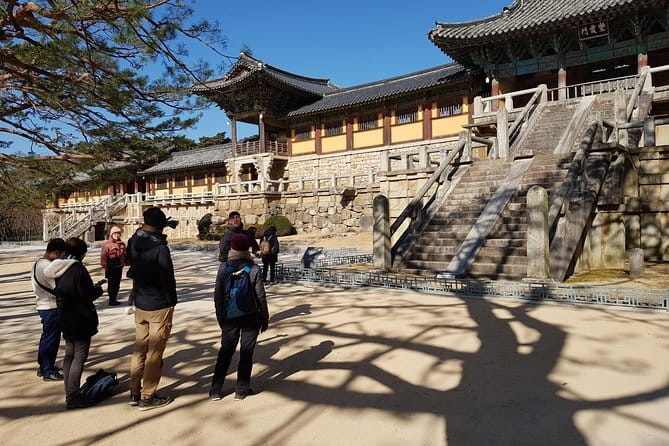
Day 4 focuses on Seoul’s fortress area and the stories attached to it. You start at Banghwasuryujeong Pavilion (Dongbukgakru), a stunning structure tied to the 22nd king of the Joseon Dynasty. The tour also includes a behind-the-scenes story about why the king chose this location. It’s the kind of detail that turns a pretty pavilion into a “wait, that’s why” moment.
Then you move to Janganmun Gate, whose name connects to tragic events tied to that same 22nd king. You’ll also see bullet holes from the Korean War. This isn’t a romantic walk; it’s a living reminder that history is layered right onto stone.
Next: Yeonmudae (Dongjangdae), described as a commander’s center and a place where soldiers trained. You can even try archery here, which makes this more than just looking. From this point, you get some of the best fortress views—great for photos, but also great for understanding how people once defended this area.
You’ll also visit Changryongmun Gate, an east gate with a unique design. The guide explains why it looks unusual, and once you hear the logic, the architecture clicks.
Finally, you step into Korean Folk Village, a large filming location for Korean historical dramas. The walking isn’t the scary kind—your guide walks with you and points out traditional agriculture, houses, and performances. This is a good stop if you like your history with a human-scale feel.
Practical tip: Wear shoes you trust. Fortress paths can be uneven, and you’ll want stable footing for archery practice areas.


The Gyeongju transfer day: Pohang lunch, Gyeongju time, then Space Walk
On Day 5, you shift from Seoul to Gyeongju. Before you fully arrive, you stop for 1–2 attractions along the way and enjoy lunch in Pohang. This is a smart way to reduce the “long ride” feeling and break up travel fatigue.
Once you’re in Gyeongju, you spend a full block of time—about 6 hours. Gyeongju is where Korea’s ancient identity becomes easier to see with your eyes: relics, tomb sites, museums, and ceremonial landscapes. The guide’s job here is mostly to help you understand what you’re looking at so it doesn’t feel like random ruins scattered around.
To reset your energy after the ride, you add Space Walk, described as safe and fun with stunning views. Your guide joins you. It’s not ancient. It’s a breather.
Practical tip: Travel days can make you hungry at odd times. Even though meals aren’t included, you’ll have markets and planned breaks on the way. Still, keep a snack option in your day bag.
Gyeongju Day 6: Daereungwon tombs, coin bread on Hwanglidangil, and night views at Woljeonggyo and Wolji
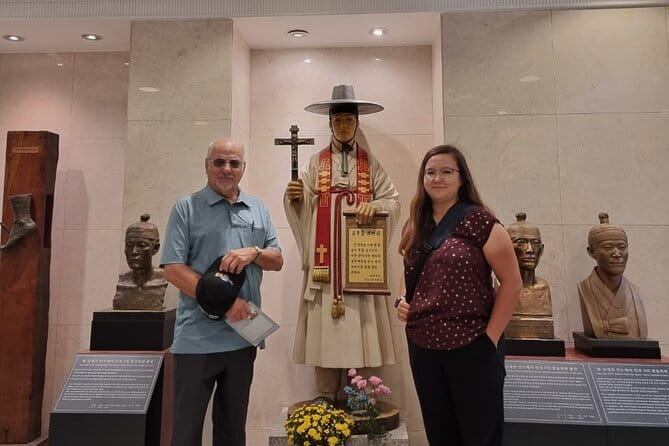
Day 6 leans into atmosphere, especially at night. You start at Daereungwon Tomb Complex, mostly dating from the 4th to 6th centuries. The tombs are said to have remained untouched and intact thanks to special construction methods. You can enter one open tomb to see artifacts inside, which is the difference between “wow from outside” and “wow up close.”
Then you stroll along Hwanglidangil, a street for local specialties. The tour calls out “coin bread,” a fun small-food stop that works well during a walking day.
After that, you head to Woljeonggyo Bridge. It was originally built in 760, destroyed over time, and rebuilt based on study of historical documents. The big reason to visit here is timing: you go at night because it’s especially stunning.
Next is Donggung Palace and Wolji Pond. The palace was abandoned after a new dynasty was established, and it’s been reconstructed based on historical records. Visiting at night gives it a magical look—the kind that makes you slow down without being told.
You wrap with Cheomseongdae Observatory, built in 633. Constellations mattered for ancient agriculture, so this stop connects astronomy to daily survival. The tour notes it may be the oldest observatory in the world—one of those “hold on, that’s impressive” facts you remember later.
If you still have energy, you then visit Gyeongju National Museum, where you’ll see real original treasures like crowns and other artifacts. This is a good final anchor because it turns the day’s scenes into something you can confirm through objects.
Practical tip: Night views can mean cooler temps. Bring a light layer again, especially if you’re sensitive to changes in temperature after walking.
Busan Day 7: Gukje Market deals, Songdo cable views, Yonggungsa cliffs, Gamcheon stories, and Ahopsan bamboo calm
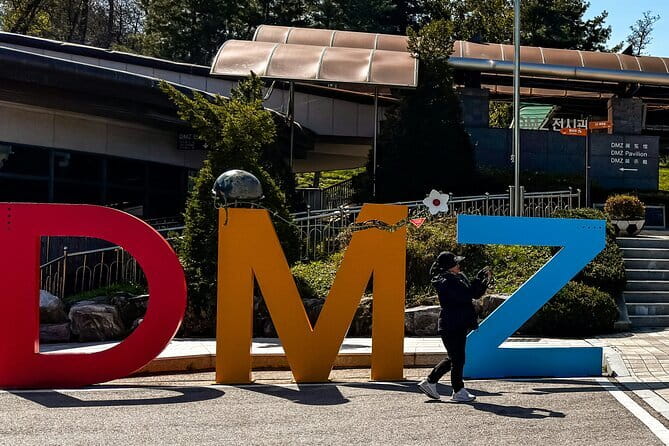
Day 7 is coastal and colorful in the best way. In Gukje Market, the tour explains why Busan had strong commercial power early: it was never occupied by North Korea. Today it’s still a busy market with affordable prices. It’s a good place to try snacks, browse blankets, and keep your spending flexible.
Then you head to Songdo Cable Car over the ocean. If you’re afraid of heights, there’s a choice: switch to the Sky Capsule, which sits lower and has a transparent floor for better views. It’s included as a free stop here, which makes it a high-value moment on your last day.
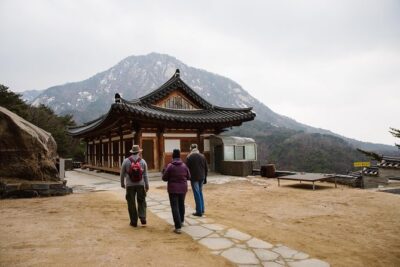
Next is Haedong Yonggungsa, described as the most beautiful temple in South Korea by the tour’s viewpoint (and clearly people agree, because it draws many visitors). It’s relatively new compared to older historic sites, and the big draw is the ocean view right from the temple grounds.
Then you visit Busan Gamcheon Culture Village, a colorful place with a sad history. The tour focuses on refugees who came to the area, how they built their homes, and how people live there today. This is one of the stops where the “pretty” part and the “remember this” part are both true.
You finish at Ahopsan Forest, a bamboo forest walk. It’s lush, quiet, and intentionally soothing—especially after markets and views. The guide shares a cultural meaning too: ancestors loved bamboo because it’s straight and symbolizes nobility. It’s a calm ending that feels earned.
Practical tip: This is your longest “final day” walking mix. Keep it light on shopping if you plan to travel later that day.
Price and logistics: what your $2,000 covers (and what you still plan for)
The listed price is about $2,000 per person for roughly 7 days. For a private, English driving guide setup with a mini van, entrance tickets included for the scheduled sites, plus airport transport, that can be strong value—especially if you’d otherwise pay for individual tickets and lose time coordinating public transit between far-flung areas.
Where your budget needs extra attention:
- Hotels are not included. The guide helps with booking, but you’re still paying for lodging.
- Meals aren’t included. You’ll have planned meal time flexibility, but you’ll need to cover food yourself.
- Some optional tickets aren’t included. The N Seoul Tower cable car is called out as not included.
Also note: the tour says the 7 days don’t have to be in a row. That flexibility can be worth real money if you’re trying to dodge a specific crowd level or you just want one recovery day.
One more practical detail: confirmation is received within 48 hours subject to availability. If your travel window is tight, earlier booking helps—this kind of tour is often reserved well ahead.
Should you book this Seoul–DMZ–Gyeongju–Busan tour?
Book it if you want a private week that hits the major emotional and visual chapters of Korea—palaces and daily life in Seoul, a real DMZ perspective, ancient Gyeongju sites, and ocean-side Busan views—without stitching together a dozen separate bookings.
Don’t book it if you hate walking, prefer fully independent travel every minute, or you want meals and hotel costs rolled into one simple payment. Also, if you want only light, fun sightseeing and not war-history context, the DMZ and War Memorial days may feel heavy.
If your group likes photos, markets, and at least some guided interpretation (so sites make sense), this tour is a strong match. The best sign is simple: it’s designed to remove stress while still letting you feel the places, not just see them.
FAQ
Is this tour private or shared?
It’s a private tour/activity. Only your group will participate.
What time does the tour start?
Start time is 10:00 am.
Are entrance tickets included?
Yes. Entrance tickets for the sights on the itinerary are included, with the note that some add-ons (like the N Seoul Tower cable car option) may not be included.
Are meals included in the price?
No. Meals are not included.
Can I choose where I start or where I end?
Yes. You can go back to Seoul with the tour or leave from Busan with the tour. Airport transport is included either way.
What’s the cancellation timeline for a full refund?
You can cancel up to 6 days in advance of the experience’s start time for a full refund.