REVIEW · SEOUL
Master Korean traditional cooking with a Kimchi chef
Book on Viator →Operated by OME COOKING LAB · Bookable on Viator
A market walk, then real kitchen work. This small-group Seoul class takes you from Gyeongdong Market to a Korean-style home kitchen where a kimchi chef teaches you traditional dishes. I love the mix of shopping with your instructor and then getting hands-on with the recipes, and it’s hard not to enjoy a meal you made yourself. One thing to consider: the menu depends on the day, so if you’re craving specific dishes, pick the right weekday.
You’ll meet at Jegi-dong Station Exit 2 near Dongdaemun a little before 10am, and the tour includes morning tea. The class ends back at the same meeting point, which makes the whole thing feel low-stress.
In This Review
- Quick hits before you go
- From Jegi-dong Station to Gyeongdong Market: why the start matters
- How the weekday menu controls your whole experience
- The Korean-style home kitchen: hands-on cooking, not a performance
- Eating what you cooked: what’s included and how it changes
- Pricing reality check: is $85 worth it?
- Logistics that can trip you up (and how to avoid that)
- Who this class is best for
- Final call: book it or skip it?
- FAQ
- What time does the class start?
- Where is the meeting point?
- What dishes will I cook?
- Is lunch or dessert included?
- Are vegan or halal options available?
- Can I cancel for a full refund?
Quick hits before you go
- Gyeongdong Market ingredient hunt with your instructor, not random shopping
- Small-group cooking with a cap listed as seven in the experience description (and up to 10 per booking)
- Menu changes by weekday: samgyetang, kimchi, bulgogi/japchae/doenjang jjigae, bibimbap, or desserts
- Hands-on cooking in a Korean-style house, followed by eating what you made
- Vegan and halal options available if you request them in advance
- Morning tea included, plus lunch or dessert depending on the selection/time
From Jegi-dong Station to Gyeongdong Market: why the start matters
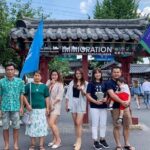
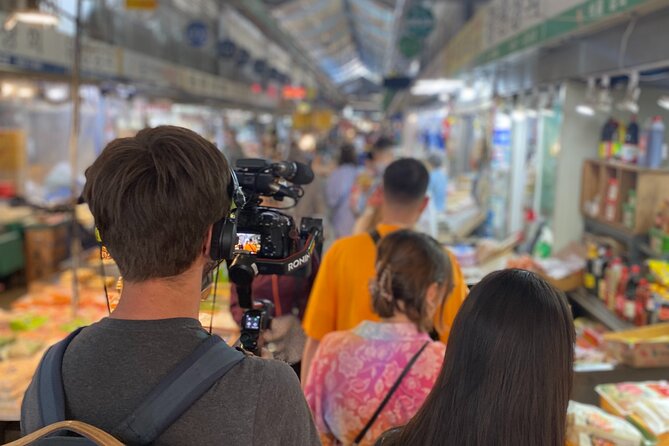
This experience is built around one smart idea: learn Korean cooking by shopping like locals do. You start at Jegi-dong Station Exit 2 (Line 1), near Dongdaemun Station, and you begin a short walking stretch toward Gyeongdong Market. The morning timing is part of the payoff. Markets early in the day feel easier to navigate, and your brain is fresh enough to remember what you’re buying and why.
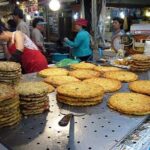
At the market, you’re guided to pick up the ingredients needed for that day’s planned recipes. Instead of getting a vague list and guessing at substitutes later, you get your choices explained in context. That’s a big deal for dishes that depend on specific textures and flavors, like fermented elements and the balance of sweet, salty, and savory.
A practical tip: wear shoes you can walk in. This is not a sit-down food tour. You’ll be moving through city streets first, then spending time selecting ingredients, and finally continuing to the cooking house.
You can also read our reviews of more cooking classes in Seoul
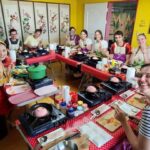
How the weekday menu controls your whole experience
The “kimchi chef” theme is real, but the menu depends on what day you book. The class is designed around three different menu items, and each weekday has its own focus.
Here’s the schedule as it’s set up:
- Monday: samgyetang
- Thursday: kimchi
- Tuesday and Saturday: bulgogi, japchae, and doenjang jjigae
- Friday: bibimbap
- Sunday: a variety of Korean desserts
A key detail for planning: even when the day is clearly centered on one dish (like kimchi on Thursday), the class is still made of multiple items overall. If you’re trying to learn one specific skill—like how kimchi is built—you’ll probably be happiest booking the day that matches your obsession.
Also, this “pick your weekday” setup has a benefit. You’re not stuck with the same exact menu every time. It means the chef can keep the class rhythm consistent while still teaching a range of Korean flavors.
The Korean-style home kitchen: hands-on cooking, not a performance
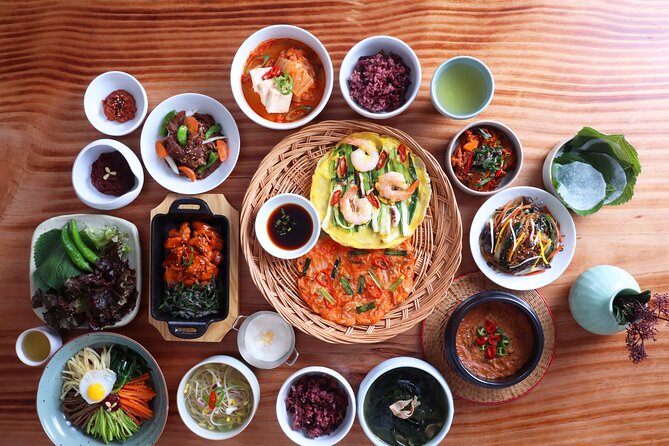
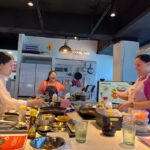
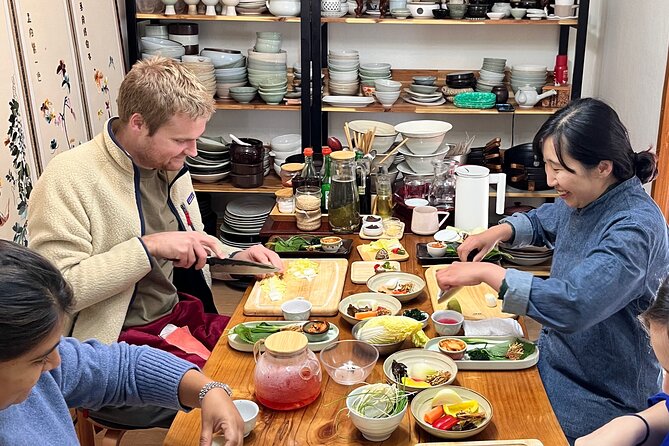
After the market, your guide leads you to a Korean-style house in a local neighborhood. This is where the experience shifts from walking-and-learning to actual cooking.
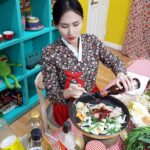
You’ll be set up in the kitchen with your group, and then the class begins in earnest. The instructor helps you prepare the recipes for the day’s menu, and you do the work yourself—not just watch from the sidelines. That matters because Korean cooking is technique-heavy. Small choices—how long you cook, how you cut, how you balance sauce—change the outcome fast.
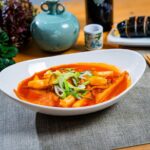
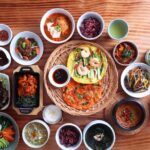
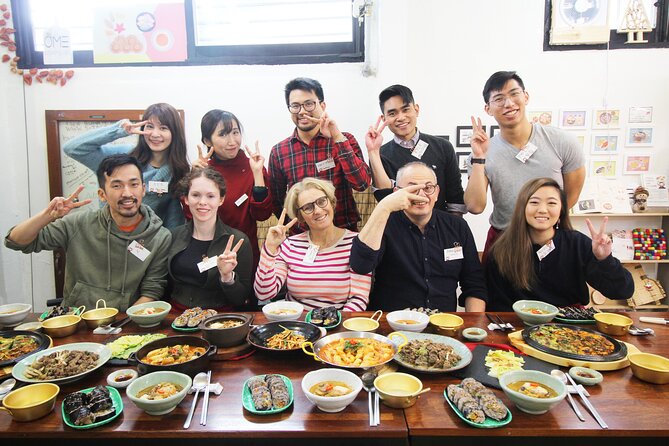
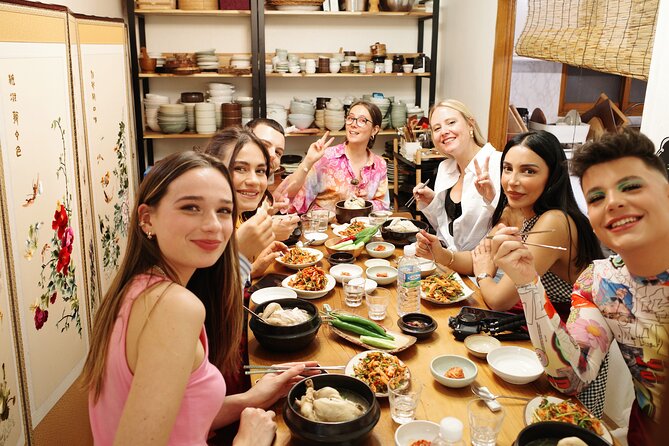
This part of the class is also socially satisfying. Once you finish cooking, you sit down and taste what you made. You’ll have time to chat with your group and your instructor, which turns the meal into a shared victory.
And yes, the pace tends to feel structured. A number of participants highlight that the class is well organized and that the instructor gives clear directions. If you’re not a confident cook, that structure is exactly what you want.
Eating what you cooked: what’s included and how it changes
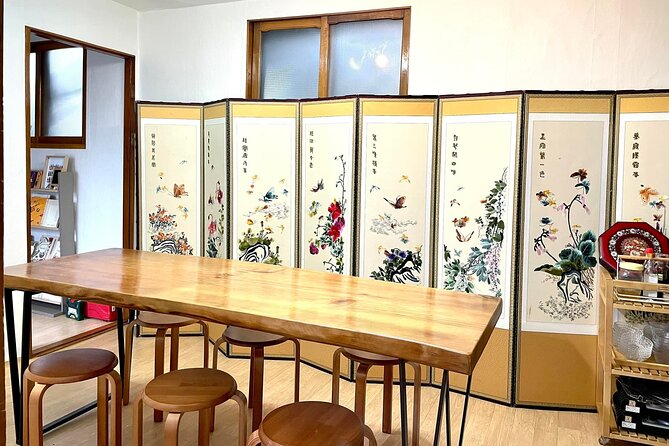
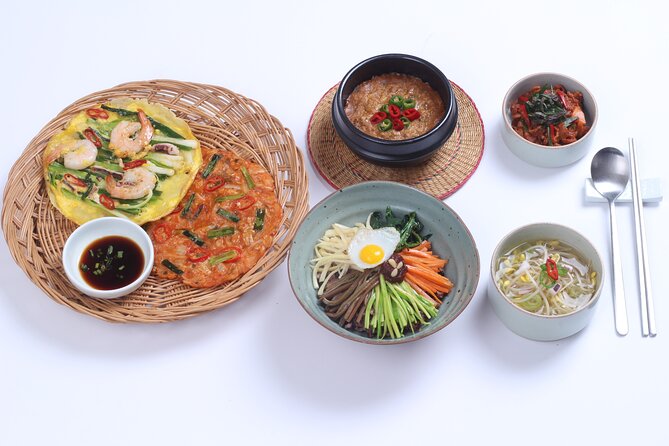
You won’t just cook. You eat. The included meal depends on your selection and time:
- Lunch (or dinner depending on timing) if your selection is for a meal-based menu
- Dessert if your selection is desserts-focused
Either way, the day ends with you tasting the final dishes you helped prepare. Morning tea is included on all tours, which is a nice buffer while you’re still in travel mode and haven’t yet had a full meal.
Dietary options are also part of the planning. Vegan and halal options are available, which is genuinely helpful in a cooking class where ingredients can’t be swapped at the last second. If you have restrictions, request them ahead of time so the instructor can adjust the market shopping and the cooking steps.
Pricing reality check: is $85 worth it?
At $85 per person for about 3 hours 30 minutes, you’re paying for three things at once:
- Local guidance through the market and into the kitchen
- Ingredient shopping that matches the exact recipes for your day
- Hands-on instruction plus the meal you cook and eat
That combo is usually the expensive part of cooking classes. You’re not just buying access to a kitchen. You’re also paying for the teaching and the ingredient planning that make it work.
You’re also getting a small-group setup. The experience is described as limited to seven people, while the additional info lists a maximum of 10 per booking. Either way, it stays small enough for the instructor to keep an eye on what’s happening at each station.
The main “cost you pay” besides the ticket price is your effort to get to the meeting point. There’s no subway station pickup or drop-off included. So you’ll want to plan your own route to Jegi-dong Station Exit 2 and back.
For value, this class wins most for first-timers. If you’ve never cooked Korean food before, buying your own ingredients without knowing what to look for is annoying and expensive. Here, your shopping and cooking are aligned from the start.





Logistics that can trip you up (and how to avoid that)
This tour runs on a fixed schedule. You start at 10:00am (meet a little before), and the session ends back at the meeting point. It’s designed around public transit, so it works well if you’re comfortable navigating Seoul by subway.
A couple of practical points:
- Mobile ticket: bring your phone, and make sure you have the ticket ready.
- Walk time matters: you’ll walk through city streets to the market before cooking starts.
- Meeting point is specific: Jegi-dong Station Exit 2 is the anchor, and it’s near Dongdaemun Station.
Because the group size cap is described in two slightly different ways, I’d treat this as a “small group, check the exact group size when you book” situation. The important part for you is that it’s not a giant class where you watch and hope.
If you get lost easily, you’ll want to double-check your route right before you leave. Some participants note they needed help finding the cooking spot, which tells me the meeting place is important and the instructions should be followed closely.
Who this class is best for
This is one of those activities that fits a lot of travel styles, as long as you enjoy food as an actual learning tool.
You’ll likely love it if:
- you want a hands-on Korean cooking class and not a demo
- you like markets and want to understand ingredients in context
- you’re traveling with a friend or sibling and want a shared project
- you’re a non-cook or a hesitant cook who wants patient, step-by-step instruction
- you want something more local than a restaurant meal
It’s also a good fit if you’re trying to reset your Seoul day. A morning start means you still have plenty of afternoon left for other plans.
If you’re very picky about your menu, plan around the weekday. This class doesn’t offer a custom menu based on your cravings. The schedule is the schedule.
Final call: book it or skip it?
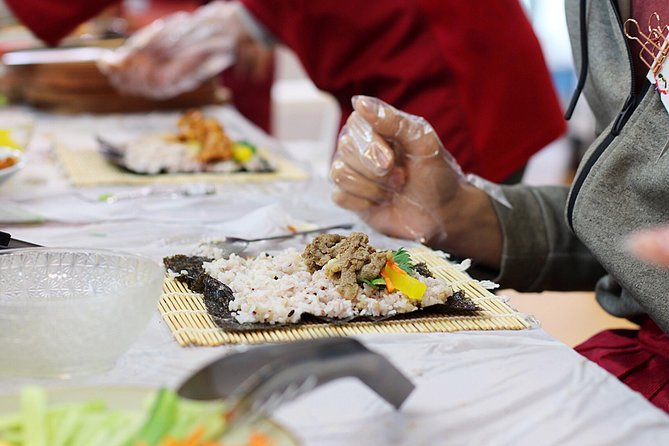
Book this cooking class if you want the most value from your time in Seoul through two linked experiences: market shopping + home-style cooking with a small group. The menu-by-weekday structure is a feature, not a bug. If you pick the right day, you leave with both a full meal and the know-how to repeat the flavors at home.
Skip it only if you strongly need a specific dish regardless of weekday, or if you dislike walking and handling real ingredients. Otherwise, this is a straightforward, practical Seoul experience that teaches you Korean cooking in a way you can actually use later—after the chopsticks go away.
FAQ
What time does the class start?
It starts at 10:00am, and you meet a little before then at Jegi-dong Station Exit 2.
Where is the meeting point?
You meet near Jegi-dong Station Exit 2 (Line 1, near Dongdaemun Station). The activity ends back at the same meeting point.
What dishes will I cook?
The dishes depend on the day you choose. Options include samgyetang (Monday), kimchi (Thursday), bulgogi + japchae + doenjang jjigae (Tuesday and Saturday), bibimbap (Friday), and various Korean desserts (Sunday).
Is lunch or dessert included?
Yes. The class includes lunch (or dinner depending on selection/time) or dessert depending on the menu option for the day.
Are vegan or halal options available?
Yes. Vegan and halal options are available, if selected/requested for the class.
Can I cancel for a full refund?
Yes. You can cancel for a full refund if you cancel at least 24 hours before the experience start time.