REVIEW · SEOUL
Seoul: Korean Cooking Class at a Local Home and Market Tour
Book on GetYourGuide →Operated by HELLO K COOKING · Bookable on GetYourGuide
Cooking in a Seoul home beats restaurant meals. I love how the day mixes a traditional market walk with real, hands-on cooking led by hosts like Sarah and Junghee. You also get a culture dose built into the food, from tasting street snacks to learning a few Korean phrases right before you start cooking.
Two more things I really like: you’ll make four classic dishes (including Bibimbap and Doenjang-Jjigae) with guidance that keeps the steps clear, and the meal ends as a proper Hanjeongsik course with more than 10 side dishes, seasonal fruit, and rice wine. One drawback to consider: there’s no elevator at the home venue, so you’ll be dealing with stairs, and you’re responsible for getting to and from Mangwon Station on your own.
In This Review
- Key Things That Make This Cooking Class Worth Your Time
- Mangwon Station Meet-Up: You Start in Real Neighborhood Seoul
- Market Walk for Fresh Ingredients and Less-Touristy Street Snacks
- Welcome Tea and Korean Phrases Before You Cook
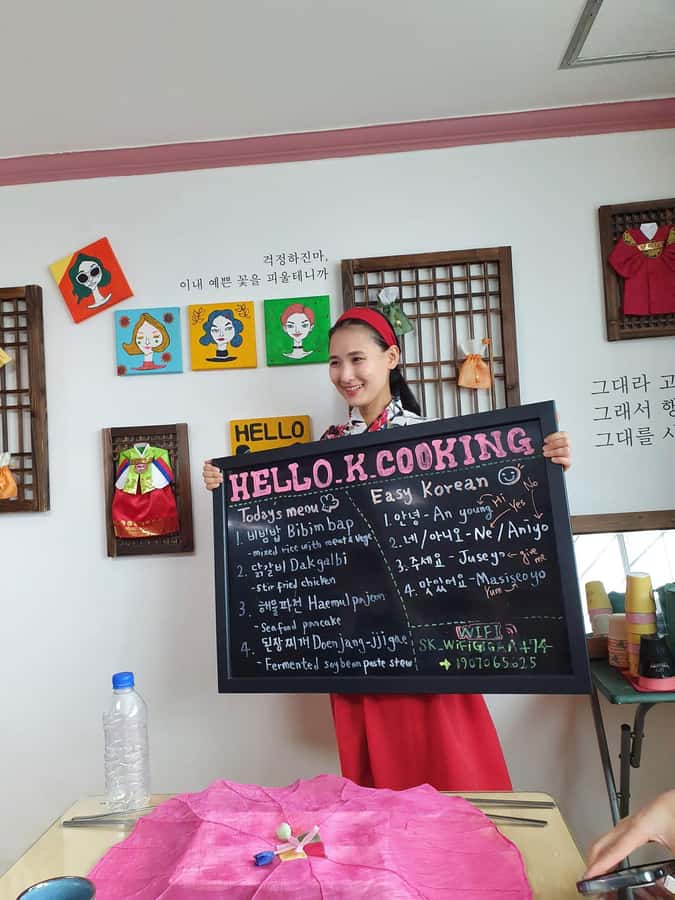
- Four Classic Dishes You Cook Like a Local (Bibimbap to Doenjang-Jjigae)
- Bibimbap: The Mixed-Rice Signature
- Dakgalbi: Stir-Fried Chicken That Teaches Flavor Work
- Haemul-Pajeon: Seafood and Green Onion Pancake
- Doenjang-Jjigae: Fermented Soybean Paste Stew
- Your Hanjeongsik Meal: More Than 10 Side Dishes, Fruit, and Rice Wine
- Tal Mask Try-On and the Cultural Bits That Don’t Feel Tacked On
- Value Check: Why $98 Often Feels Like a Fair Deal
- Practical Considerations Before You Book
- Who This Class Is Best For (and Who Might Want Another Option)
- Should You Book This Seoul Cooking Class?
- FAQ
- Where is the meeting point for the cooking class?
- How long is the experience?
- What dishes will I cook during the class?
- What is included in the Hanjeongsik meal?
- Is this a small group class?
- Is hotel pickup or drop-off included?
- What should I do if I have dietary restrictions or allergies?
Key Things That Make This Cooking Class Worth Your Time
- Market-first shopping: You pick ingredients with your guide and get street food samples along the way.
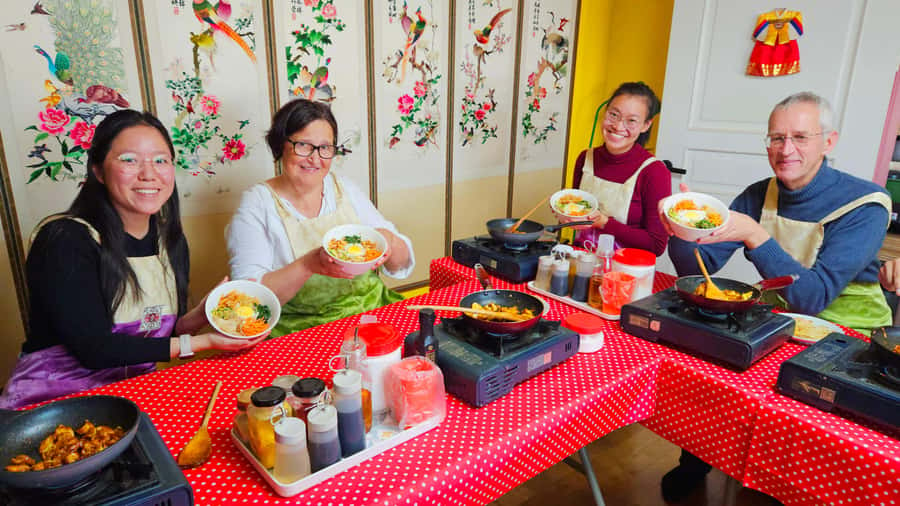
- Four dishes, not just one: Bibimbap, Dakgalbi, Haemul-Pajeon, and Doenjang-Jjigae, all prepared during the class.
- Hanjeongsik meal at the table: More than 10 side dishes plus seasonal fruit and rice wine, served family-style.
- Small group energy (max 10): Enough space to cook, ask questions, and actually participate.
- Photo and video service + recipes: You don’t just leave full; you also leave with a plan to repeat the food at home.
- Tal mask moment: You try on the artful Tal mask associated with Korean heritage festivals.
Mangwon Station Meet-Up: You Start in Real Neighborhood Seoul
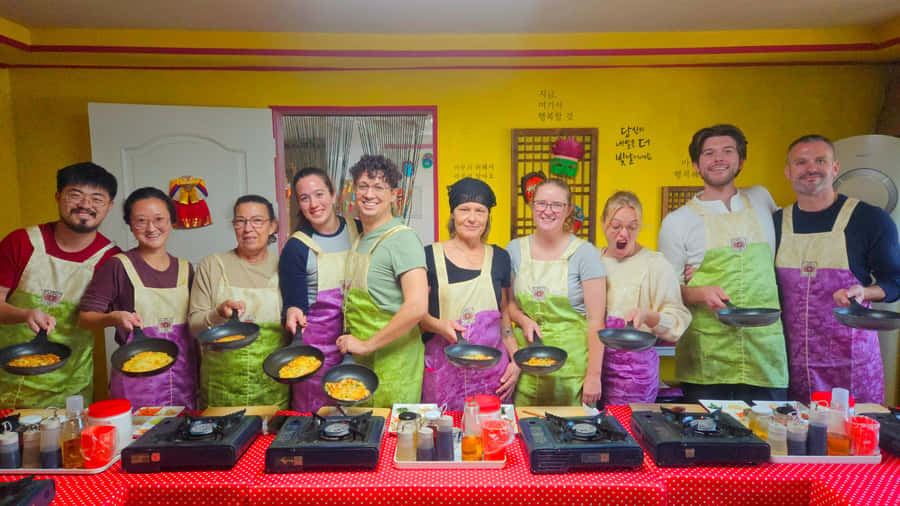
The experience kicks off at Mangwon Station, exit 2 (outside). It’s a simple start, but you should build in a little time to get there and find the group without stress—this isn’t a “hotel pickup and drop-off” situation.
Why I think this matters: meeting in a working neighborhood keeps the day grounded. You’re not funnelled straight from tourist landmarks into a generic class. Instead, you’re already in the rhythm of Seoul, walking with your guide as the market day gets underway.
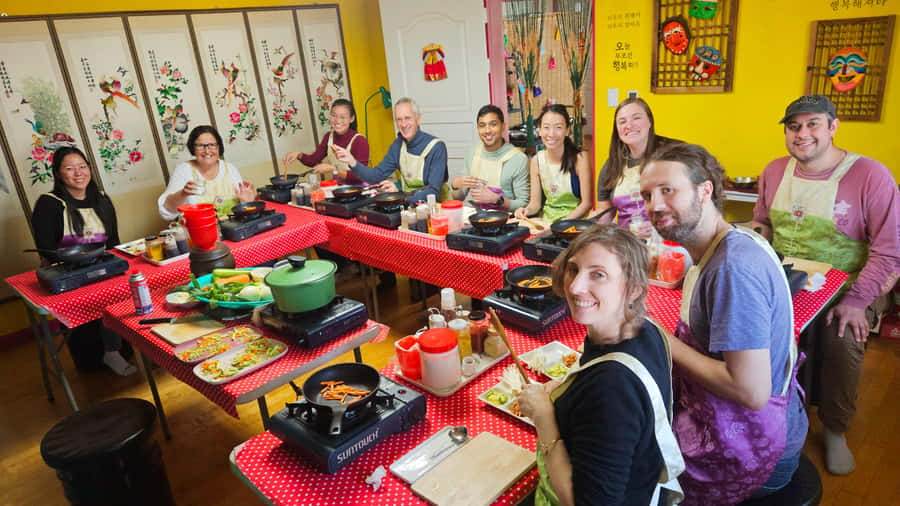
Also, the group size is capped at 10 participants. That tends to make the whole thing smoother. With fewer people, your chef-guide can explain details without the constant scramble you sometimes get in larger tours.
You can also read our reviews of more shopping tours in Seoul
Market Walk for Fresh Ingredients and Less-Touristy Street Snacks
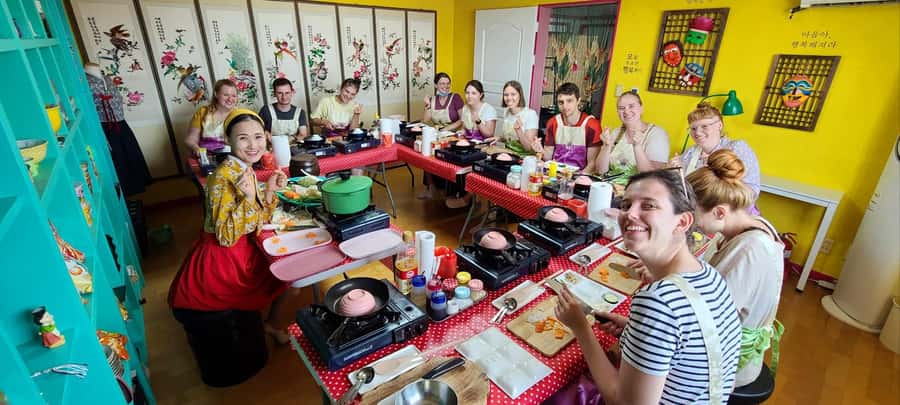
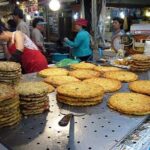
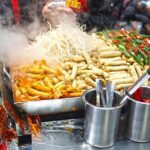
After meeting, you head into a local traditional market for two reasons: to learn what ingredients matter in Korean cooking and to taste street food in the middle of where locals actually shop.
I like this market-first format because it connects cooking to shopping. You don’t just chop vegetables and hope for the best. Your guide shows you what to look for and why. You also get samples as you go, so you’re already thinking about flavors before you ever step into the kitchen.
From what’s been described, the market isn’t aimed at tourists looking for souvenirs. It’s more about everyday food stalls—so you’ll likely see ingredients and snack items you wouldn’t normally find on your own. It’s also a great time to hear quick, practical explanations from your guide.
One more smart detail: you’ll be shopping for the same ingredients you’ll cook later. That makes the class feel like a closed loop, not a disconnected demo.
Welcome Tea and Korean Phrases Before You Cook
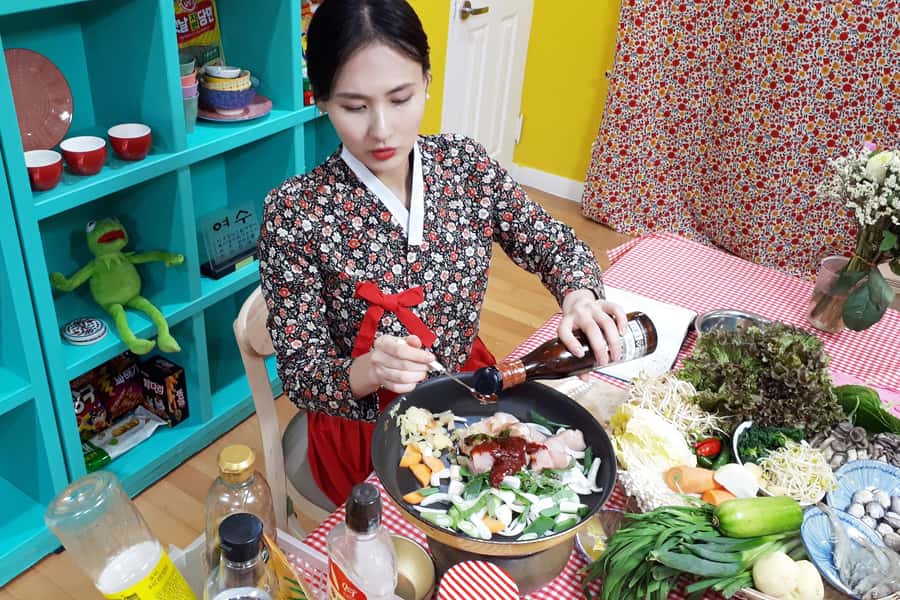
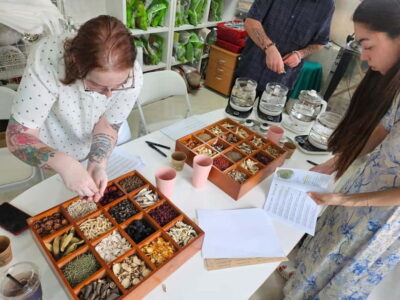
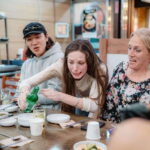
Once you’re done with market browsing, you head to the class venue. Before the serious chopping starts, you’ll have a welcome drink (tea) and you’ll learn a few Korean phrases.
This isn’t “learn a song” language class. It’s more like functional words and little sayings you can actually use while you’re ordering, chatting, or navigating Korean life. And it’s timed well—your brain is already in food mode, so the phrases stick better.
Pro tip for you: if you’re camera-happy, take a breath here and watch how your guide uses the words in context. The fastest learning tends to happen when you see the phrase used while pointing at food.
Four Classic Dishes You Cook Like a Local (Bibimbap to Doenjang-Jjigae)
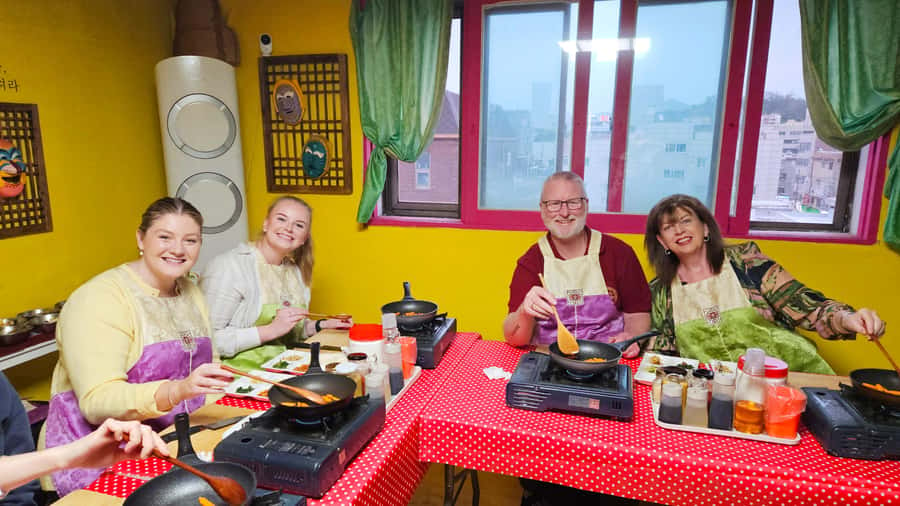
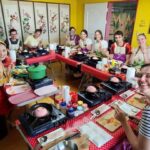
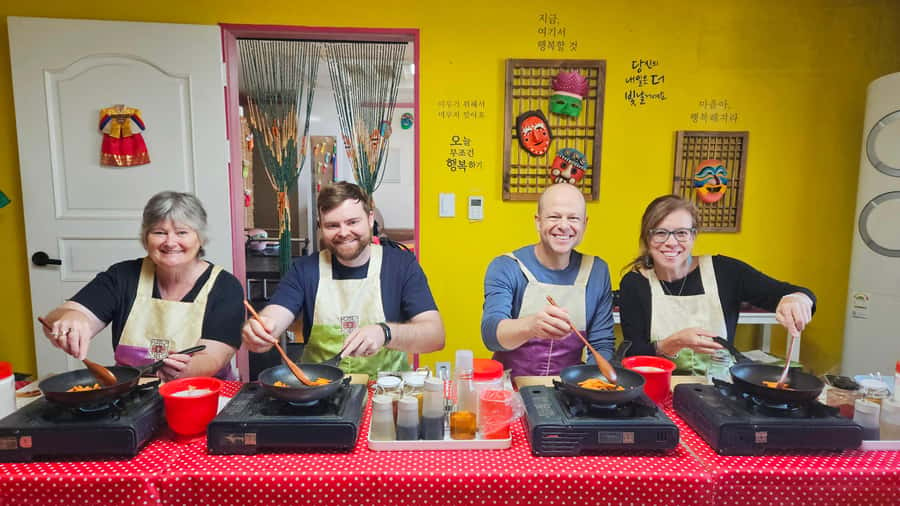
This is the core of the experience: you cook four dishes with an experienced chef-guide. The menu is built around big flavors and recognizable Korean comfort foods.
Bibimbap: The Mixed-Rice Signature
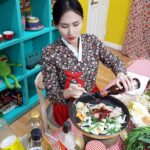
Bibimbap is where you learn how Korean cooking builds balance. You typically assemble mixed rice with meat and vegetables, then learn how everything comes together as one bowl. This dish is great for beginners because it teaches the idea of topping and assembling, not just one complicated cooking technique.
You can also read our reviews of more tours and experiences in Seoul
Dakgalbi: Stir-Fried Chicken That Teaches Flavor Work
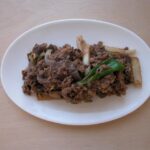
Dakgalbi is stir-fried chicken, and it’s where you’ll get practice with heat control and seasoning. Stir-frying is less forgiving than simmering, so your guide’s step-by-step help makes a difference. Even if you’ve cooked before, you’ll probably pick up a Korean-style approach to getting the sauce and textures right.
Haemul-Pajeon: Seafood and Green Onion Pancake
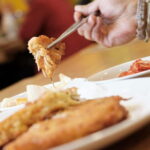
Haemul-Pajeon is a Korean pancake centered on seafood and lots of green onions. This is the hands-on dish many people remember. The goal isn’t only taste—it’s learning how the batter behaves and how the toppings distribute.
Doenjang-Jjigae: Fermented Soybean Paste Stew
Doenjang-jjigae is fermented soybean paste stew, classic comfort food. It teaches you how deeply Korean cooking leans into fermentation flavors—savory, earthy, and warm. If you’ve ever found Korean stews delicious but hard to recreate at home, this is one of the best chances to understand the base flavor idea.
Why I think the four-dish mix is smart: it covers different cooking styles—assembling, stir-frying, pan-cooking, and simmering—so you leave with skills that translate beyond one recipe.
Your Hanjeongsik Meal: More Than 10 Side Dishes, Fruit, and Rice Wine
After cooking, you sit down to eat a traditional Hanjeongsik course meal. This is a structured Korean dining experience served with more than 10 side dishes, plus seasonal fruits and rice wine.
I love Hanjeongsik because it changes how you think about a meal. You stop treating it like one main dish plus a salad. Instead, you get small bites that play off each other—salty, fresh, savory, crunchy, warm—and you experience how Korean meals are meant to be shared and sampled.
It also makes the class feel complete. You cooked the main dishes, and then the course meal shows you the broader “table logic” that makes Korean food feel abundant and intentional.
Tal Mask Try-On and the Cultural Bits That Don’t Feel Tacked On
The tour also includes a fun cultural moment: trying on an artful Tal mask worn at many Korean heritage festivals.
This matters because Korean heritage festivals aren’t only costumes in photos. When you wear the mask, you get a small, immediate sense of how performance and identity show up in daily culture. It’s the kind of extra detail that feels playful without turning the day into a theme park.
And in general, the tone from the hosts described in the experience is upbeat and engaging. Guides like Sarah and Junghee come across as funny and warm, and that helps a lot if you’re nervous about cooking.
Value Check: Why $98 Often Feels Like a Fair Deal
At $98 per person for about 3.5 hours, the value comes from the full bundle, not just the kitchen time. You’re paying for:
- Market tour plus street food samples
- Cooking class with a professional chef-guide
- Ingredients and equipment (so you’re not shopping separately)
- Welcome tea, plus the meal with side dishes, seasonal fruit, and rice wine
- Water, plus photo and video service
- Recipes to take home
In plain terms: you’re not only buying a class. You’re buying the whole “Korean food day” package—shopping, cooking, eating, and getting materials to recreate it later.
The small group size (up to 10) also helps justify the price. You get enough attention that beginners can follow along, and you aren’t stuck watching while someone else cooks.
Practical Considerations Before You Book
Here are the real-world details you’ll want to plan around:
- No elevator at the home venue: If stairs are tough for you, this is a key factor.
- No hotel pickup/drop-off: You need to make your own way to and from Mangwon Station.
- Dietary restrictions: You should contact the local host about allergies or dietary needs.
- Languages: Instruction is in English and Korean, which helps if your Korean is limited (and most people’s is).
Also, bring a normal cooking mindset: be ready to walk around the market and work with your hands. This isn’t just tasting. You’re making dishes and assembling components.
Who This Class Is Best For (and Who Might Want Another Option)
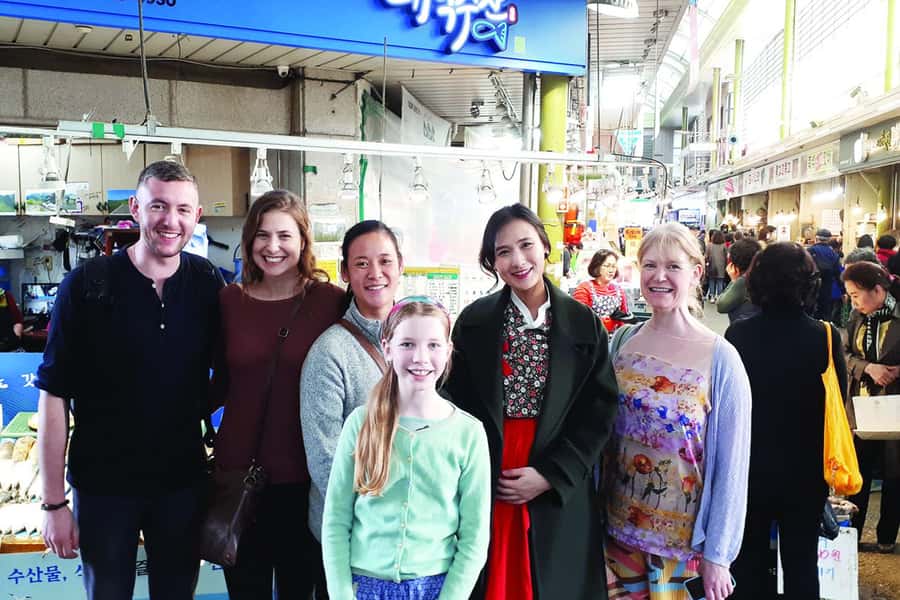
This is a strong fit if you want more than a short tasting tour. You’ll love it if you:
- want a hands-on cooking day where you cook multiple Korean dishes
- like the idea of learning ingredients first at a local market
- enjoy structured meals like Hanjeongsik
- want photos/videos and recipes to use later
It might be less ideal if you strongly prefer low walking and step-free access, because the venue involves getting up to a local home with no elevator.
Should You Book This Seoul Cooking Class?
If your goal is an authentic Korean food experience you can actually repeat at home, I’d book it. The market walk sets up the cooking so it feels connected, and the menu is well-chosen: Bibimbap, Dakgalbi, Haemul-Pajeon, and Doenjang-Jjigae cover a lot of Korean cooking styles in one day.
Do check two things before you commit: that you’re comfortable with stairs at the home venue, and that you can travel to Mangwon Station yourself. If those fit, you’ll likely leave with full stomach confidence and real recipes you’ll want to cook again.
FAQ
Where is the meeting point for the cooking class?
Meet your guide at Mangwon Station, exit 2 (outside).
How long is the experience?
The duration is 3.5 hours.
What dishes will I cook during the class?
You’ll prepare four dishes: Bibimbap, Dakgalbi, Haemul-Pajeon, and Doenjang-Jjigae.
What is included in the Hanjeongsik meal?
You’ll enjoy a Hanjeongsik course meal with more than 10 side dishes, seasonal fruits, and rice wine.
Is this a small group class?
Yes. It’s a small group limited to 10 participants, and the instructor provides English and Korean support.
Is hotel pickup or drop-off included?
No. Hotel pickup and drop-off are not included, and you’ll need to make your own way to and from the meeting point.
What should I do if I have dietary restrictions or allergies?
Contact the local host about dietary restrictions and allergies ahead of time.