REVIEW · SEOUL
Hanbok Photoshoot and History Tour at Gyeongbokgung Palace
Book on Viator →Operated by Nerdso · Bookable on Viator
Hanbok portraits at Seoul’s royal heart. This 2–3 hour group tour pairs a pro photographer with a local historian as you dress in hanbok and move through Gyeongbokgung Palace like you’re starring in a Korean drama. You’ll even get photo stops at spots that are usually calmer than the big crush you see elsewhere.
I love the 100+ edited photos part most, because you’re not left with blurry “hope it turns out” shots. I also like how the historian bits connect the visuals to what you’re standing in front of, with stories that actually match each palace location.
One thing to consider: with a group that can be up to 12 people, you’ll get the help you need, but you may not get maximum one-on-one posing time at every single stop—especially on busy days or during hot weather.
In This Review
- Key highlights
- How the 2–3 hour flow actually works
- Stop 1: the hanbok rental shop, dressing, and hair (30 minutes)
- Stop 2: Gwanghwamun Gate portraits with guided direction
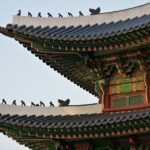
- Stop 3: Inside Gyeongbokgung Palace, where the stories connect to the scene
- Stop 4: Gyeonghoeru Pavilion portraits with pond, mountains, and trees
- The photos: over 100 edited shots, not just raw snapshots
- Value check: $60.41 plus optional hanbok rental, with free admission
- Tuesdays in Seoul: the Changdeokgung + Ikseondong swap
- Who should book this (and who might not love it)
- Should you book this Hanbok Photoshoot and History Tour?
- FAQ
- What’s the duration of the Hanbok Photoshoot and History Tour?
- How much does the tour cost?
- Is the palace admission included?
- Do I need to rent a hanbok?
- How many photos will I receive?
- Who handles the photography and the history?
- How big is the group?
- Is the tour only at Gyeongbokgung Palace?
- Are strollers allowed?
- Where do I meet the tour?
- What’s the cancellation policy?
Key highlights
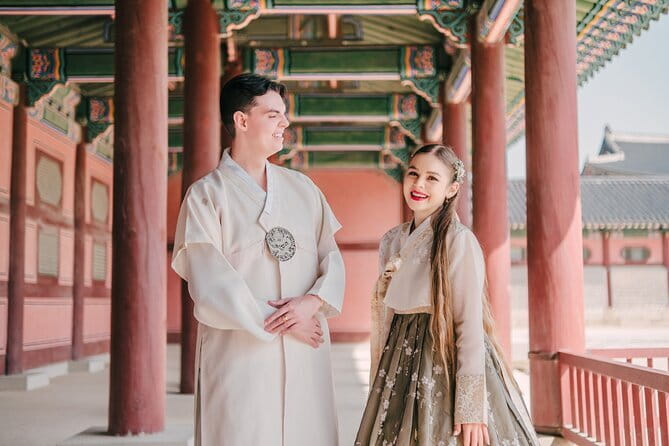
- 100+ edited photos taken across multiple palace backgrounds
- Gyeongbokgung Gate to Gyeonghoeru Pavilion for a strong variety of scenes
- Professional posing guidance so you’re not figuring it out on your own
- History + drama-style storytelling from a trained historian
- Gyeongbokgung timing swap on Tuesdays to Changdeokgung and Ikseondong Hanok Street
- Small group limit (max 12), better odds of finding calmer corners
How the 2–3 hour flow actually works
This is built like a photo-driven walk with history built in, not a slow museum tour. You’ll start near Gyeongbokgung Station (Line 3), Exit 488-8, then head to a hanbok rental shop a few minutes away. After that, you move through key photo locations in a tight loop, with time blocks that keep things moving.
The pacing matters because hanbok can be a little stiff for long stretches. If you’re trying to squeeze in palace sightseeing and also look good in photos, this format is practical. You get help from the moment you’re dressed, then you’re guided from spot to spot without having to plan angles, backgrounds, or where everyone else is standing.
There’s also a smart contingency baked in: Gyeongbokgung Palace is closed on Tuesdays, so the tour swaps to Changdeokgung and Ikseondong Hanok Street on those days. That’s a big deal for planning, because it keeps the experience consistent even when the main palace is shut.
You can also read our reviews of more historical tours in Seoul
Stop 1: the hanbok rental shop, dressing, and hair (30 minutes)
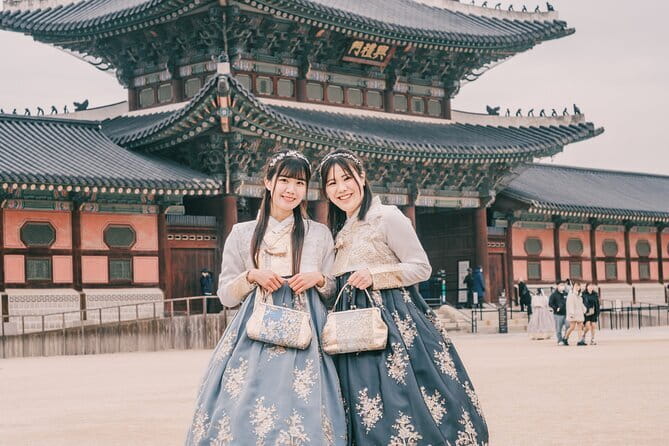
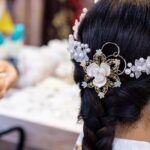
Your first stop is the hanbok rental shop near Exit 4 (it’s about a 2-minute walk from the palace area). This is where you pick a hanbok, get dressed, and do hairstyling (about 30 minutes).
A couple details to plan around:
- The hanbok rental fee is paid separately, and it’s described around 35,000–45,000 KRW depending on what you choose and the shop’s pricing.
- The tour price you book covers the experience team and the photography/history side, while the hanbok itself is optional add-on work.
- You’ll likely be happiest if you treat this as dressing + hair, not a full makeover service. One guest clarified that makeup wasn’t included even though they expected it.
From a comfort angle, I appreciate that this start is close to the palace zone. Less transit time means more time in the outfits where they look best. Also, based on past experiences shared by guests, the hanboks are described as size inclusive, and the hairstyling can work well for different hair types, including curly hair.
Practical tip: wear comfortable shoes under what you’ll put on. You’ll be doing photos and walking, so foot comfort keeps you from getting cranky halfway through.
Stop 2: Gwanghwamun Gate portraits with guided direction
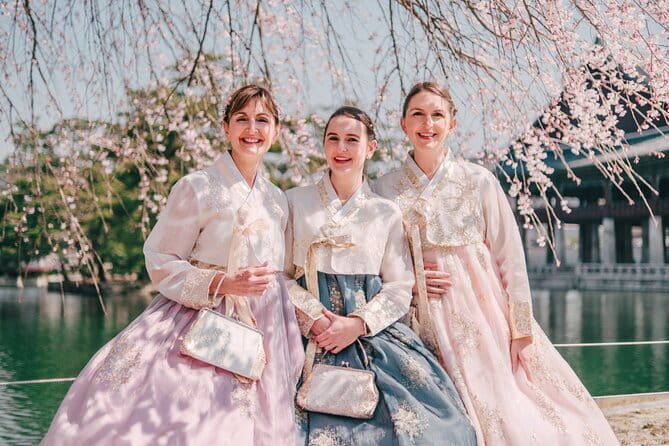
Next you’re at Gwanghwamun Gate, one of Seoul’s most iconic landmarks. This is your first big “wow” backdrop, and the tour uses it for a focused photoshoot moment.
What makes this stop valuable is not just the location. A professional photographer takes the lead on what to do—where to stand, how to angle your body, and how to get your hanbok moving naturally. You’re not spending mental energy guessing camera settings or finding the exact sweet spot.
This is also where the small-group format helps. In a group tour, you can end up waiting too long. Here, the time block is set up so the photographer can rotate through each person while you’re still fresh and not rushed out of the scene.
If you’re worried about looking stiff, don’t. The whole setup is meant to turn you into the main character of a Joseon-era story, which means you get cues that help you smile without feeling forced.
Stop 3: Inside Gyeongbokgung Palace, where the stories connect to the scene
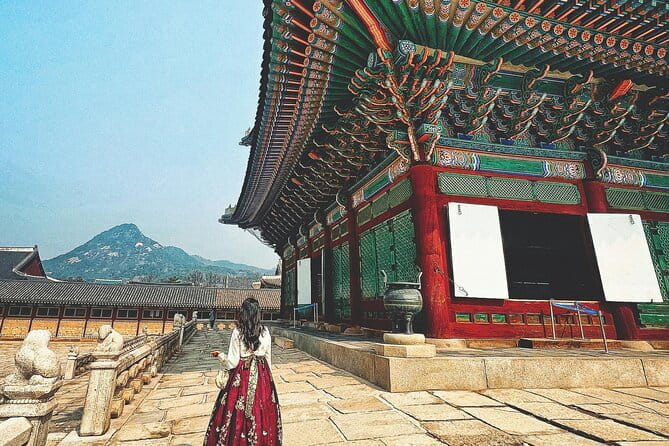
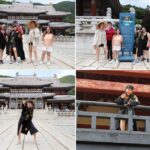
After Gwanghwamun, you step into Gyeongbokgung Palace for a longer run of photos plus history explanations (about 50 minutes).
This stop is doing two jobs:
- It gives you multiple photo backgrounds inside the grounds.
- The historian connects what you’re seeing to the larger picture of palace life.
You’ll do photoshoots with pavilions, palace buildings, corridors, and hanok-style backgrounds inside the palace area. Then the guide fills in context so it doesn’t feel like you’re just walking from one pretty location to another.
The best part is how this history is delivered in a story-like way. In past experiences, guides have even used a fun quiz-style moment to keep people listening. That’s not just entertainment—it helps you remember details about why each building matters and what the space was meant to do.
A realistic caution: palace stone floors + heat + outfits can add up. If you’re sensitive to heat, plan water breaks and take it slow during transitions. Your guide will manage timing, but you’ll still want to respect your body.
Stop 4: Gyeonghoeru Pavilion portraits with pond, mountains, and trees
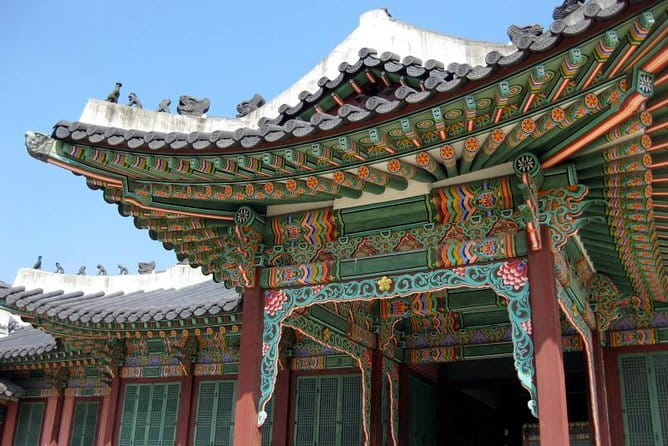
Your final major photo stop is Gyeonghoeru Pavilion. This is where the scenery turns more scenic and reflective: you’re shooting with a background that includes a pond, mountains, and trees.
This stop is a strong closer because it gives you a different mood than gate-and-courtyard shots. It also helps your photo set feel more like a story arc: start with a dramatic landmark, then move through palace architecture, and finish with nature-framed portraits.
You’ll get more historical and cultural explanations here too, not just picture-taking. That means your photos don’t just look good—they connect to what this pavilion represents in the palace environment.
Timing note: this stop is about 30 minutes. That’s enough for multiple angles and a variety of compositions, but it’s still a guided pace. If you want one very specific pose idea, it helps to communicate it quickly when the photographer checks on you.
You can also read our reviews of more photography tours in Seoul
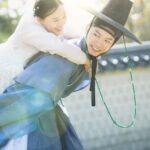
The photos: over 100 edited shots, not just raw snapshots
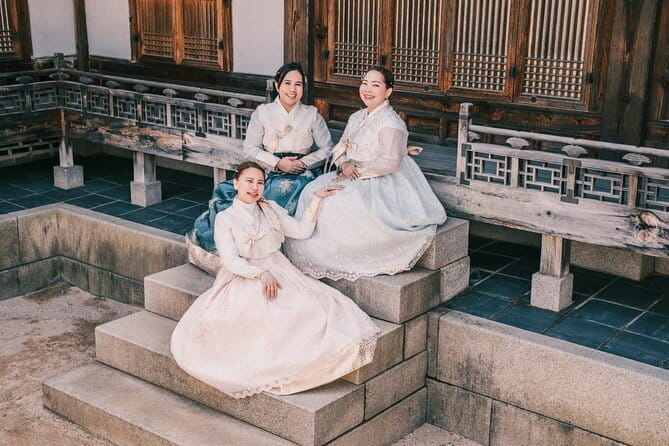
The marketing promise here is clear: you get over 100 edited photos taken by a photographer with about 20 years of experience. In plain terms, that’s what makes the tour different from a normal “walk and snap a few pics” palace day.
Why that matters for you:
- Editing turns busy backgrounds into clean keepsakes.
- You’re more likely to get photos that look consistent across outfits and lighting.
- You can focus on enjoying the day instead of constantly asking people to take your photo.
You’ll also receive help with posing. This is one of the most praised parts of the experience: you get direction that makes it easier to relax in front of the camera. If you don’t naturally love photos, that guidance is the difference between stiff images and ones that feel like you belonged in the scene.
One more practical note: if the day shifts due to weather, the team typically coordinates plans ahead of time based on how guests describe their communication. Still, keep your schedule flexible when possible, because palace timing and weather can affect how smoothly outside shooting goes.
Value check: $60.41 plus optional hanbok rental, with free admission
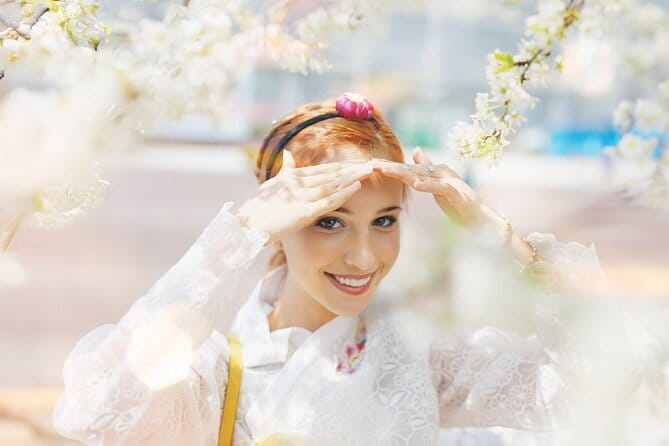
Let’s talk numbers without getting lost in them. The listed price is $60.41 per person for a group tour. The palace admission is noted as free, which is a real savings compared with many paid-guided entries where you pay separately.
What isn’t included: the hanbok rental fee, typically around 35,000–45,000 KRW plus hairstyling time inside the rental shop process. Based on how the experience is structured, your total cost will likely be:
- the tour fee (guide + historian + photographer time)
- plus hanbok rental for dressing and hair
So is it worth it? For me, the value depends on what you want most:
- If you want serious photos you can post and keep, the combination of pro shooting and heavy editing makes the package feel efficient.
- If you only want a quick culture walk and are fine taking your own phone photos, you might feel the cost more than the benefit.
- If you want a mix of history + outfit + photography in one stop, this is a tidy way to do it without spending a full day coordinating everything yourself.
Also, the tour max of 12 people helps with image quality. Too many people can force time pressure, and one person did note that a larger group can make posing direction feel less individual. Still, that group cap is there for a reason.
Tuesdays in Seoul: the Changdeokgung + Ikseondong swap
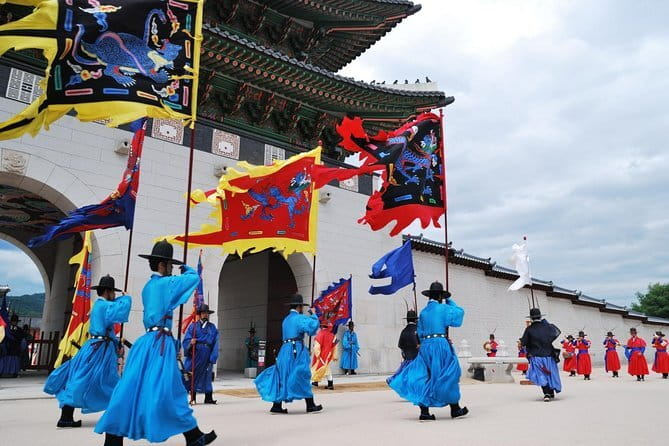
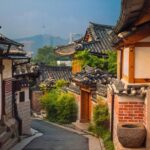
If your trip includes a Tuesday, you’ll need to know this early. Since Gyeongbokgung is closed on Tuesdays, the tour switches to Changdeokgung Palace and Ikseondong Hanok Street.
This is useful for two reasons:
- You won’t show up thinking you’ll still get the exact same palace circuit.
- You’ll still get the hanbok-and-photography format, just in a different palace setting.
If your goal is specifically Gyeongbokgung Palace, don’t book this on a Tuesday unless you’re okay with the swap. If you’re flexible about palace choice and want a stylish hanok street feel too, this Tuesday option can be a great fit.
Who should book this (and who might not love it)
This tour is a good match if you want one of these outcomes:
- A memorable hanbok experience without guessing photo locations
- A chance to learn the palace story with an energetic historian
- Photos that look like a Korean drama scene, not like a rushed tourist selfie
It’s also great for:
- couples who want coordinated photos
- families who like an organized plan (just remember there’s a baby stroller prohibition)
- solo travelers who want confidence in posing and a clear activity flow
Who might want to think twice:
- If you hate group timing and prefer slow, independent exploration, you could find the structure a bit fast.
- If you’re very picky about the length of posing at each stop, a group setting can feel time-limited.
If you’re bringing an infant or need special accommodations, the tour notes that baby strollers are prohibited and asks you to contact them in advance for family tours with infants. That’s the one “read this carefully” item.
Should you book this Hanbok Photoshoot and History Tour?
I’d book it if you want your palace visit to come with two things at once: a guided history thread and professional, edited photos that you don’t have to hunt for. The itinerary is built to hit strong photo backdrops—Gwanghwamun Gate, inside Gyeongbokgung Palace, and the Gyeonghoeru Pavilion—so your set isn’t repetitive.
I’d skip or reconsider if you’re on a tight budget and would rather spend your money on the hanbok rental only, then explore on your own. Also consider the group pace: it’s small, but it’s still a group, so solo time is shared.
If you do book, go in with one mindset: treat it like a planned photo story. When you follow the photographer’s directions, you’ll come away with images that look natural, not forced.
FAQ
What’s the duration of the Hanbok Photoshoot and History Tour?
It runs about 2 to 3 hours.
How much does the tour cost?
The price is $60.41 per person.
Is the palace admission included?
Yes. The tour notes that admission tickets are free.
Do I need to rent a hanbok?
Hanbok rental is optional and not included in the tour price. The rental fee is paid separately and is listed around 35,000–45,000 KRW.
How many photos will I receive?
The tour describes receiving over 100 edited photos.
Who handles the photography and the history?
The experience includes a trained historian for cultural explanations and a professional photographer for the photoshoot.
How big is the group?
The tour has a maximum group size of 12 travelers.
Is the tour only at Gyeongbokgung Palace?
It’s centered on Gyeongbokgung Palace, but on Tuesdays it switches to Changdeokgung and Ikseondong Hanok Street because Gyeongbokgung is closed.
Are strollers allowed?
A baby stroller is prohibited. If you need a family tour with infants, you should contact in advance.
Where do I meet the tour?
You meet at Gyeongbokgung Station (Line 3), Exit 488-8, near Jeokseon-dong in Jongno District.
What’s the cancellation policy?
You can cancel for a full refund up to 24 hours in advance. If you cancel less than 24 hours before, the amount paid is not refunded.
![[KoreaByLocal] Authentic Seoul Night Walk and Chicken & Beer - Stop 2: Jogyesa Temple and Korean etiquette in real life](https://m.discoveringseoul.com/wp-content/uploads/koreabylocal-authentic-seoul-night-walk-and-chicken-beer-400x267.jpg)