REVIEW · SEOUL
Seoul: Taste of Korea, Authentic Home Style Cooking Class
Book on GetYourGuide →Operated by Hansik Korean Cooking Class · Bookable on GetYourGuide
Four dishes. One home-kitchen Seoul lesson. Chef Jennifer guides you through hands-on Korean cooking in a clean studio near Gyeongbokgung, with classic plates that are fun to make and easy to repeat at home. You’ll learn the “why” behind flavors, not just the steps, and you’ll leave with recipes by email to keep practicing after the class.
What I like most is how practical the teaching feels. You get step-by-step guidance at your own station, plus ingredients are already pre-portioned so you’re not stuck measuring while everyone else moves on. And you’re not just cooking and watching—you get a full-course meal with banchan, drinks, desserts, and the chance to sample what you make.
One consideration: you should plan to be very full. This is a hands-on, eat-what-you-cook setup, and one guest even wished they had better containers for leftover soup.
In This Review
- Key things to know before you cook
- Hansik Cooking in Seoul: what makes this class feel like Korean home-style
- Where the class starts near Gyeongbokgung Subway Station
- Welcome drinks and snacks: Sikhye and Makgeolli set the tone
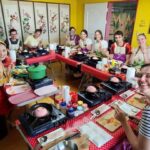
- The cooking flow: small group, step-by-step stations, then you eat
- What you’ll cook: gimbap, tteokbokki, haemul pajeon, budae jjigae
- Gimbap: tidy, sliceable comfort you can master
- Tteokbokki: gochujang heat with sweet-and-savory balance
- Haemul pajeon: a savory pancake with real “wow” appeal
- Budae jjigae: the stew that turns a class into a meal
- A note on substitutions
- The full-course meal: banchan, drinks, and Korean desserts
- What “value for $89” really means here
- Who this Seoul cooking class suits best
- Should you book Hansik Korean Cooking Class in Seoul?
- FAQ
- How long is the Seoul cooking class?
- What dishes will I learn to make?
- Is the class taught in English?
- What’s the group size?
- What drinks and snacks are included?
- Do I eat what I cook?
- Are recipes included after the class?
- Where do I meet for the class?
Key things to know before you cook
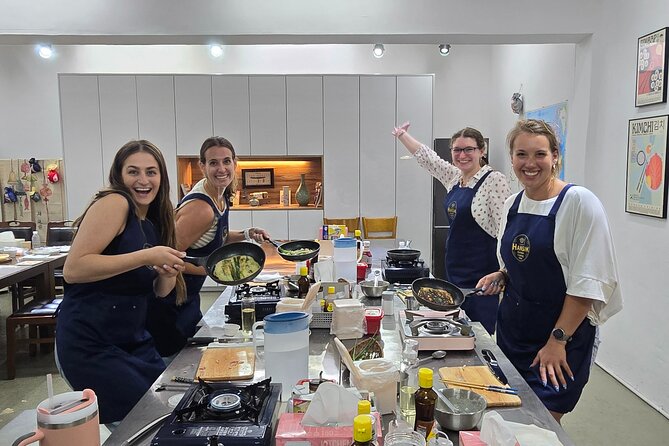
- Small-group stations (up to 10): you’ll work with room to cook, not crowd shoulder-to-shoulder.
- Real chef instruction in English: you can ask questions and follow along without guessing.
- Classic set of dishes: gimbap, tteokbokki, haemul pajeon, and budae jjigae are the core menu.
- Included drinks and desserts: Sikhye and Makgeolli show up as part of the experience, not as an afterthought.
- Takeaway leftovers: you can bring extras home, which helps if you’re cooking a big pot (especially budae jjigae).
Hansik Cooking in Seoul: what makes this class feel like Korean home-style
Hansik is the umbrella word for Korean food, and this class is built around that idea: home-style cooking with enough structure that you can actually recreate it later. The vibe is friendly, with a real emphasis on learning how each dish works—ingredients, timing, and how to put the plate together so it tastes like something you’d order in Korea.
You’re also getting a mix of comfort food and everyday favorites. Some dishes are great for sharing and building appetite (think rice rolls and pancakes), while others deliver that spoonable, deep flavor comfort Koreans love (like budae jjigae). It’s a strong way to get Korean cooking out of the “I tried it once” category and into your own kitchen.
You can also read our reviews of more cooking classes in Seoul
Where the class starts near Gyeongbokgung Subway Station
The meeting point is at Gyeongbokgung Subway Station, Orange Line 3rd line, exit 2. From there, it’s about a 5-minute straight walk to Woori Bank, then into a small alley between the bank and just before the K-Pop Store.
This matters because Korean studios can be quiet and a bit tucked away. If you’re arriving during busy walking hours, give yourself a few extra minutes so you’re not scanning streets while carrying food smells in your head.
If you like smooth logistics, also note the class offers morning or evening sessions (you choose the time when booking).
Welcome drinks and snacks: Sikhye and Makgeolli set the tone
Before the cutting boards and pans, you’ll get welcome drinks and traditional snacks. Sikhye (a Korean punch made from malt) shows up as an included drink, and Makgeolli (Korean rice wine) is also included.
This part isn’t just a perk. It’s a quick way to get you into Korean flavor rhythms before cooking: slightly sweet, cooling, and paired with the idea that a meal isn’t one dish—it’s the whole table. Tea and coffee are also included, so you can settle into the pace of the class without feeling out of sync.
Come ready to eat. Multiple guests specifically recommend showing up hungry, because the portions and the included meal are substantial.
The cooking flow: small group, step-by-step stations, then you eat
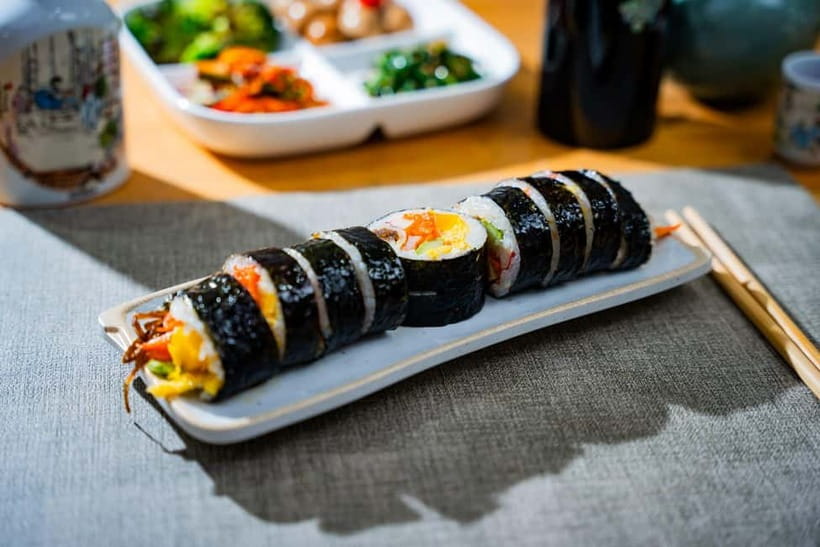
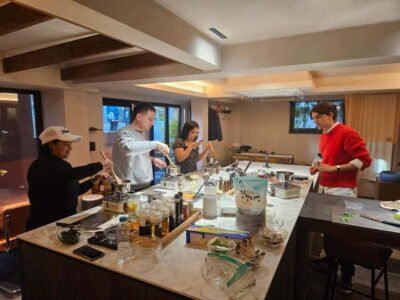
The class runs about 3 hours and keeps group size to 10 participants or fewer. That limit shows up in the experience: you get your own cooking station, and you’re not waiting forever for someone to move a spoon or clear space.
In practice, the flow looks like:
- Quick start with drinks/snacks
- Cooking multiple dishes with guidance as you go
- Eating the full meal you made, plus seasonal banchan
- Desserts to close things out
Many guests mention the instructor is patient and gives clear instructions, and ingredients are often pre-portioned. That reduces chaos and helps you focus on technique—like getting the right texture on a pancake or getting your stew flavors balanced as you cook.
What you’ll cook: gimbap, tteokbokki, haemul pajeon, budae jjigae
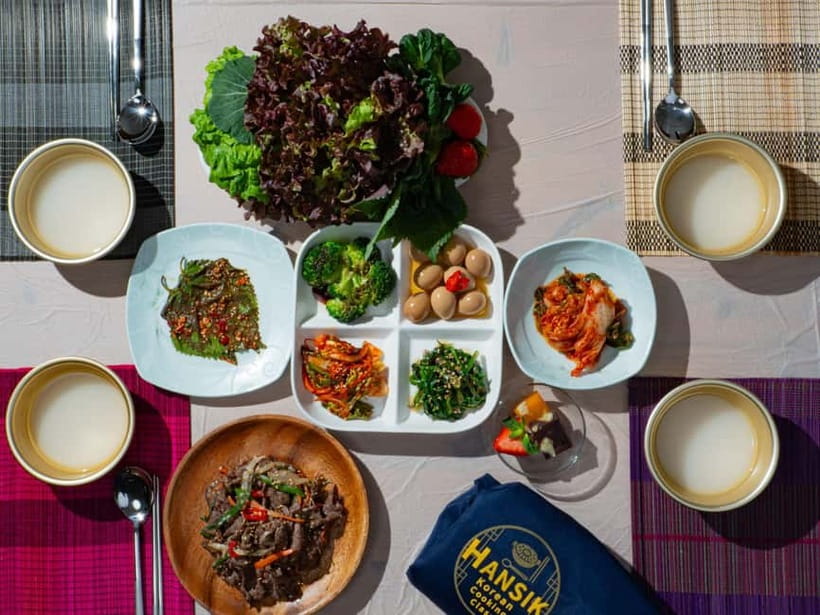
The core menu is hands-on and varied: rice rolls, spicy rice cakes, a savory seafood pancake, and a hearty stew.
You can also read our reviews of more tours and experiences in Seoul


Gimbap: tidy, sliceable comfort you can master
Gimbap is Korean rice roll—similar in spirit to sushi, but with its own flavor profile. In this class, it’s a chance to learn how to pack the roll so it holds its shape and slices neatly.
What you’ll likely enjoy here is the repeatable nature. Once you understand the rice seasoning and rolling rhythm, gimbap becomes the “easy win” you can bring home for lunchboxes, picnics, or a quick dinner when you don’t want to cook from scratch.
Tteokbokki: gochujang heat with sweet-and-savory balance
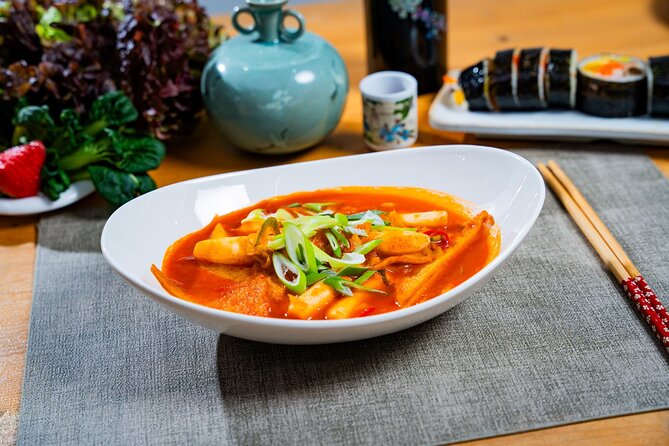
Tteokbokki is rice cake cooked with gochujang, and it’s one of those dishes where timing and sauce balance really matter. This class includes tteokbokki, so you’ll learn how the sauce changes as it simmers and how to build that signature spicy-sweet flavor.
Also pay attention to texture. Rice cakes can go from chewy to too soft if the heat isn’t right, so watching what happens as it cooks is the whole lesson here.
Haemul pajeon: a savory pancake with real “wow” appeal
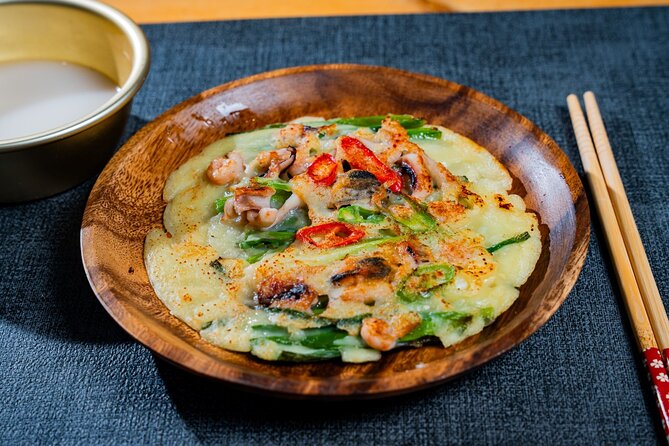
Haemul pajeon is a seafood and green onion pancake—crispy outside, savory inside. This is one of the headline dishes, and it’s easy to see why: it’s interactive, it smells great while it cooks, and once you know the batter-and-pan rhythm, it’s a fun dish to recreate.
For you, the value is learning a technique that feels fussy until someone walks you through it. After one class, it stops being intimidating and starts becoming a go-to party dish.
Budae jjigae: the stew that turns a class into a meal
Budae jjigae (often called military stew) is the hearty finale flavor for many Korean food lovers. The class includes budae jjigae, and it’s built for spooning—big, comforting, and deeply satisfying.
This one is also why coming hungry pays off. It’s the type of dish where you want that first ladle taste and then you keep going until the pot is basically empty. If you have leftovers, you’ll have something real to eat later, not just a snack memory.
A note on substitutions
If you have dietary needs, you’ll want to ask directly at booking. One guest specifically mentioned vegetarian substitutions worked well, and another noted accommodations for avoiding red meat. That’s a good sign that the class can handle at least some requests.
The full-course meal: banchan, drinks, and Korean desserts
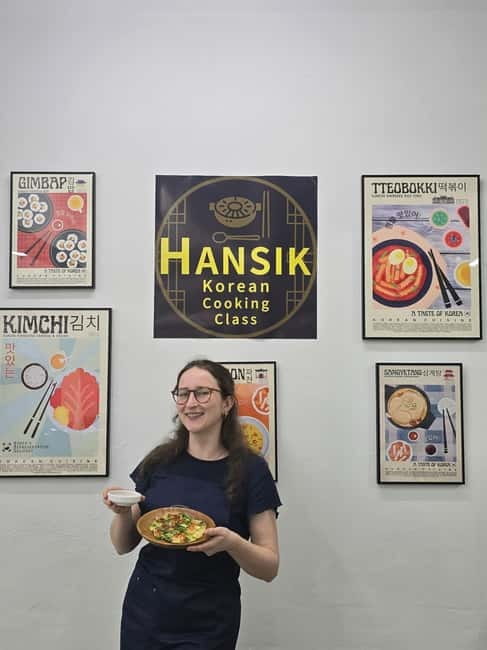
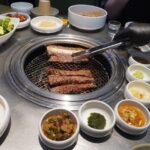
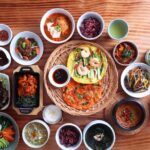
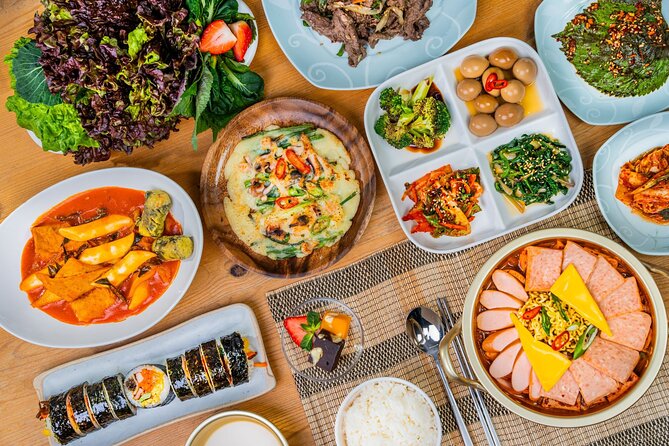
After cooking, you sit down to eat everything as a full course. You’ll get seasonal banchan (side dishes) along with the dishes you made, plus Korean desserts.
This matters for two reasons. First, banchan is where Korean dining makes sense—different tastes and textures that balance the meal. Second, dessert is part of the rhythm, not a final afterthought. You get to experience how Koreans close a meal, which helps the whole thing land as cultural practice, not just cooking instruction.
Many guests mention there’s a lot of food. So if you’re planning other meals afterward in Seoul, don’t. Build your day around the class.
What “value for $89” really means here
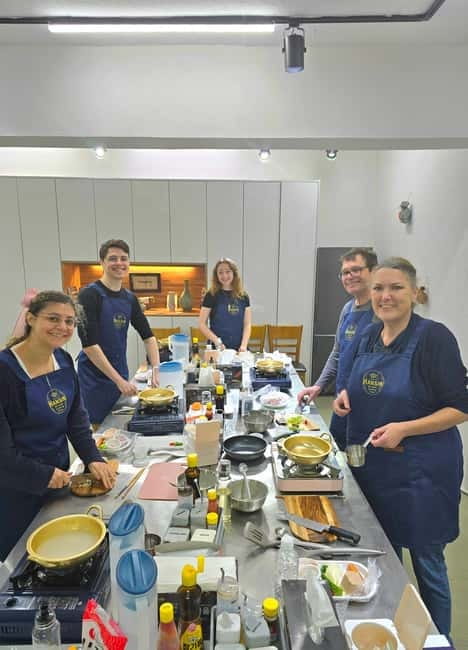
At $89 per person for about 3 hours, you’re paying for more than ingredients. You’re paying for:
- a chef-led class with English instruction
- a small group setup (max 10)
- all ingredients and equipment
- welcome drinks and traditional snacks
- a full-course meal with banchan
- Korean desserts
- recipes sent to you by email
When you break it down, the price is reasonable because a lot of “food tours” give you small tastes and call it a day. This is different: you cook multiple dishes and then eat them. You’re leaving with a practical skill and a recipe packet you can use later, which stretches the value beyond one afternoon.
One bonus: some guests mention they take photos during the class and share them afterward. That’s not life-changing, but it helps if you want a few keepsakes without struggling for perfect shots while you’re cooking.
Who this Seoul cooking class suits best
This is a great fit if you:
- want Korean food you can actually reproduce at home
- enjoy hands-on classes more than food-only tastings
- like structured guidance but still want to be active
- travel with a friend, partner, or even solo (small group format helps)
Kids and teens can also do well. One family brought two boys (ages 11 and 13) and they had fun cooking along.
If you’re an advanced cook looking for a high-level culinary seminar, you might find it too basic. But if you want confident, approachable Korean cooking with real dishes and lots of eating, it fits extremely well.
Should you book Hansik Korean Cooking Class in Seoul?
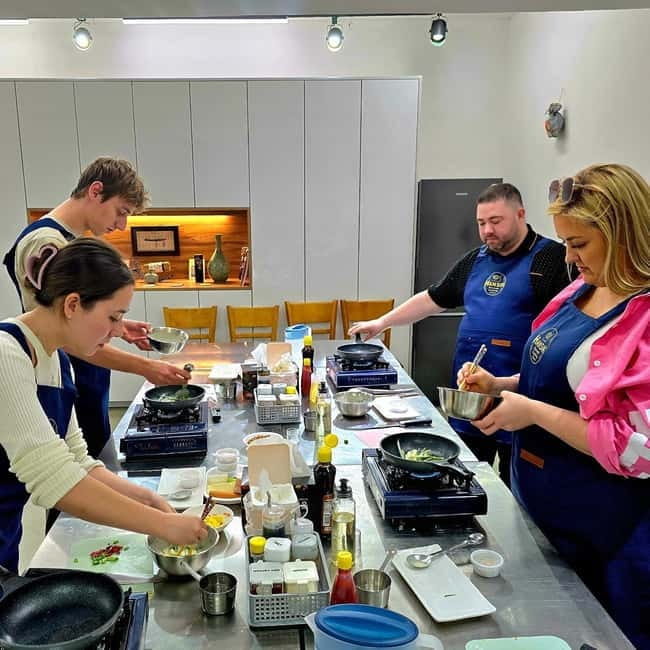
Yes, if your goal is a meaningful Korean food experience that ends with a table full of what you cooked. The combination of hands-on cooking, a small group, and included meals makes it feel like more than a one-off activity.
Book it sooner rather than later if:
- you have a tight Seoul schedule and want a clear plan
- you want gimbap, tteokbokki, haemul pajeon, and budae jjigae in one sitting
- you care about getting recipes afterward by email
Skip it only if you don’t want a lot of food or you’re looking for a purely observational experience. Otherwise, this is a strong choice for learning Korean home-style cooking the practical way.
FAQ
How long is the Seoul cooking class?
It runs for about 3 hours.
What dishes will I learn to make?
The class focuses on traditional dishes including gimbap, tteokbokki, haemul pajeon, and budae jjigae.
Is the class taught in English?
Yes. Instruction is in English.
What’s the group size?
It’s a small group, limited to 10 participants.
What drinks and snacks are included?
You’ll get welcome drinks and snacks, including Sikhye (Korean punch) and Makgeolli (Korean rice wine). Tea and coffee are also included.
Do I eat what I cook?
Yes. You get a full-course meal with the dishes you prepare, plus Korean seasonal banchan (side dishes) and Korean desserts.
Are recipes included after the class?
Yes. Recipes are sent to you via email.
Where do I meet for the class?
Meet at Gyeongbokgung Subway Station, Orange Line 3rd line exit 2. Walk about 5 minutes to Woori Bank, then find the small alley between the bank and just before the K-Pop Store.