REVIEW · SEOUL
3-Day Korea Western course by K-shuttle Tour from Seoul to Busan
Book on Viator →Operated by US Travel Korea · Bookable on Viator
A road trip across west Korea in just three days.
What makes this tour appealing is the mix of big-name sites and off-the-map stops, with the hard part handled for you: coach transfers plus a guide who can explain what you’re actually looking at. I like that it’s built for people who want to travel beyond Seoul without wrestling with routes, and I also like the way it strings together places that feel different from each other—royal tombs, fortress views, and flower-and-garden Korea. The main drawback is the long coach time between stops, so if you hate being on buses, this may feel like a lot.
Good news: the group is capped at 40, and the plan is structured enough that you’ll spend your energy sightseeing instead of figuring out logistics. In particular, Mr Kim (MS) is specifically mentioned as sharing lots of history and practical suggestions for food and evening plans, which is exactly the kind of guide help that pays off. One thing to watch is where you board—one participant reported it was tricky to get on the right bus at the start—so arrive early and double-check you’re with the correct guide team.
In This Review
- Key highlights worth your attention
- Price and what you’re really getting for $749
- Where the tour starts (and why it matters): Dongwha Duty Free, 8:00am
- Day 1: Baekje tombs, a mountain fortress, and Jeonju’s hanok life
- Stop 1: the short early pickup-style stop
- Stop 2: Songsan-ri Tombs and the Royal Tomb of King Muryeong
- Stop 3: Gongju Gongsanseong Fortress and the Geumgang riverside view
- Stop 4: Jeonju Hanok Village with Hanok Life Experience Hall
- Day 2: democracy at May 18th, spring color at Suncheon Bay Garden, and Admiral Yi’s legacy
- May 18th National Cemetery (included)
- Suncheon Bay Garden (included)
- Statue of Admiral Yi Sun-sin (free)
- Day 3: Jinjuseong Fortress, then your Busan train-station drop
- Jinjuseong Fortress (free)
- Busan Station Plaza: drop-off around 13:00
- Accommodation and meals: 4-star comfort with breakfasts included
- Guides and groups: what the small details really change
- Logistics you should plan for: luggage, mobile ticket, and coach timing
- Who this tour fits best (and who should reconsider)
- Should you book this 3-Day West Korea course?
- FAQ
- What is the duration of the tour?
- Where do you meet at the start, and what time?
- Where does the tour end in Busan?
- What’s included in the price?
- Are lunch and dinner included?
- Do you get a ticket on your phone?
- Can a single person book this tour?
- What if I need to cancel?
Key highlights worth your attention
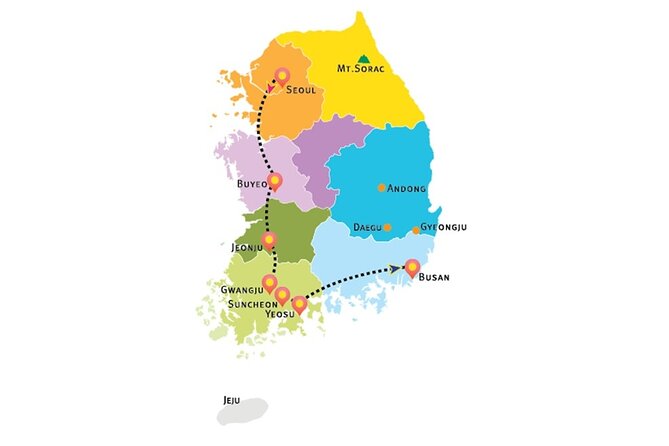
- Seoul-to-Busan coach flow: long-distance comfort, with transfers handled so you can focus on sights
- Jeonju hanok time: a full block in a traditional village, including a hands-on Hanok Life Experience Hall
- The memorial sites hit hard: May 18th National Cemetery gives context you won’t get from a quick photo stop
- Garden day with real specifics: Suncheon Bay Garden highlights tulips, royal azaleas, and spring canola
- Jinju’s fortress finale: Jinjuseong brings the final chapter of a historically loaded route
- What you pay for: 2 nights in 4-star accommodation plus breakfasts and selected entrance fees
Price and what you’re really getting for $749
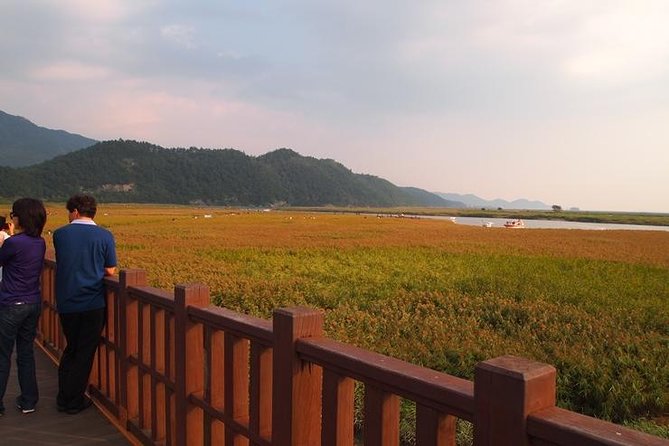
At $749 per person for a 3-day, Seoul-to-Busan route, this isn’t a budget weekend. But it’s also not just a sightseeing ticket—it includes 2 nights of 4-star accommodation, transfers by coach, a professional guide, and breakfasts. Entrance fees are partially covered too (May 18th National Cemetery and Suncheon Bay Garden are included; other stops are marked free on the schedule).
If you were doing this on your own, the cost would likely rise fast once you add intercity transport, hotel nights, and paid admission where needed. The value here is mostly convenience plus a guided “what it means” layer—especially at sites like the royal tomb complex and the memorial cemetery.
One practical note: lunch and dinner are not included. So budget for meals each day unless you plan to eat near the attractions you reach with your schedule.
You can also read our reviews of more tours and experiences in Seoul
Where the tour starts (and why it matters): Dongwha Duty Free, 8:00am
Your day begins at DongHwa Dutyfree149 Sejong-daero in Jongno District, with an 8:00am start. The meeting point is described as near Exit 6 of Gwanghwamun subway station, and it’s set up at a parking lot next to the store.
This is more important than it sounds, because one of the real-world downsides reported was confusion about the right bus early on. My advice is simple: arrive early, look for the guide or tour markings, and confirm you’re matching the correct group before everyone loads up. If you’re traveling on a tight schedule in Seoul, don’t cut it close here.
Day 1: Baekje tombs, a mountain fortress, and Jeonju’s hanok life
Day 1 is all about foundations—ancient Korea, royal burial architecture, and the kind of views you earn by climbing a little.
Stop 1: the short early pickup-style stop
The schedule includes a brief 30-minute stop labeled 145 with free admission. Since the name isn’t spelled out here, think of it as an early checkpoint in the flow—enough time for the group to gather and get moving cleanly.
Stop 2: Songsan-ri Tombs and the Royal Tomb of King Muryeong
This is the standout “big deal” stop of the day. The Songsan-ri Tombs are tied to the Baekje period, and the Royal Tomb of King Muryeong is the famous resting place for King Muryeong and his queen (reign 462–523).
What makes this visit memorable is how the discovery happened: the tomb was found during work to prevent flooding between nearby tomb areas. The tomb’s construction details matter too—bricks like another tomb in the group, plus many national treasures inside. For you, the value is that the guide time here can turn what looks like stone and grass into a real story about how Baekje rulers were buried and studied.
It’s also scheduled as free admission and about two hours, which is a good length: long enough to absorb the context, not so long you’ll lose the thread.

Stop 3: Gongju Gongsanseong Fortress and the Geumgang riverside view
Next up is a mountain castle from the Baekje era, with walking/trail time and a payoff view. The Geumgang riverside is the headline, and if you go a bit farther up the trail you’ll reach Imnyugak Pavilion, described as the largest of its kind within the fortress.
This stop is free and around one hour. That hour is ideal for quick legs and good photos without turning the day into a hike marathon.
Stop 4: Jeonju Hanok Village with Hanok Life Experience Hall
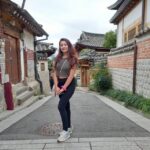
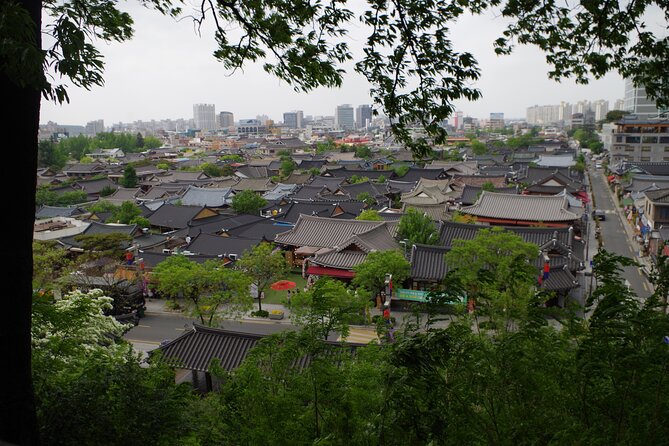
Jeonju Hanok Village is where the trip slows down and becomes “Korea you can feel.” Hanoks keep traditional roof lines and those slightly raised roof edges are a key visual detail. The tour also includes time at the Hanok Life Experience Hall, where you can get a more hands-on sense of traditional life rather than just walking past storefronts.
Food is part of it too. You’ll see traditional options like bibimbap, specifically noted as a Jeonju-region classic. Plan to take your time here—this is the kind of stop where you’ll enjoy browsing, eating, and letting the setting sink in.
Day 2: democracy at May 18th, spring color at Suncheon Bay Garden, and Admiral Yi’s legacy
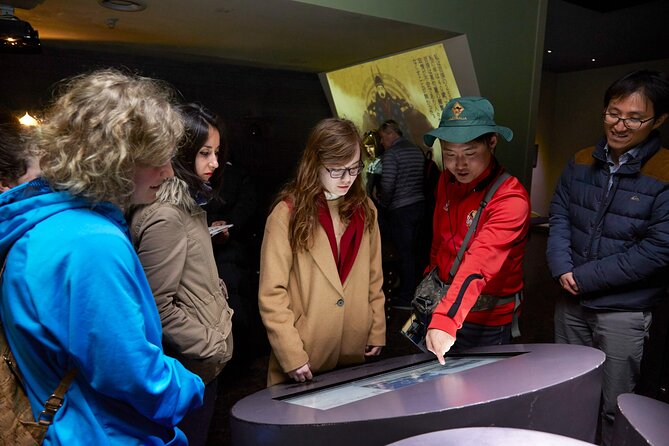
Day 2 has a strong emotional-to-scenic rhythm. You get solemn context in the morning, spring blooms at midday, then a heroic war-history site in the afternoon.
May 18th National Cemetery (included)
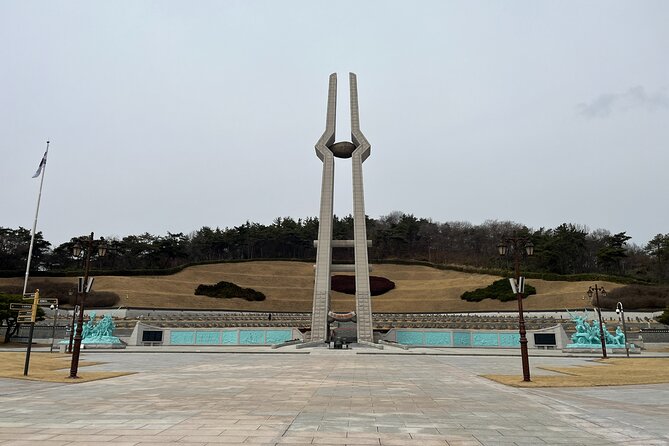
This memorial is located in front of Mudeungsan Mountain and focuses on the May 1980 struggle for democracy. The cemetery memorializes victims buried in that era, carried and buried by handcarts and garbage trucks—then later exhumed and reburied as part of a formal memorial setup.
Even if you’re not a Korea history deep-dive person, you’ll understand why this stop is significant: it’s marked as a symbol of freedom and democracy, and the schedule gives it a full two hours. The included admission makes it easy to commit emotionally without worrying about extra tickets.
Suncheon Bay Garden (included)
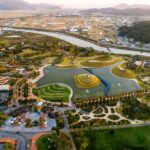
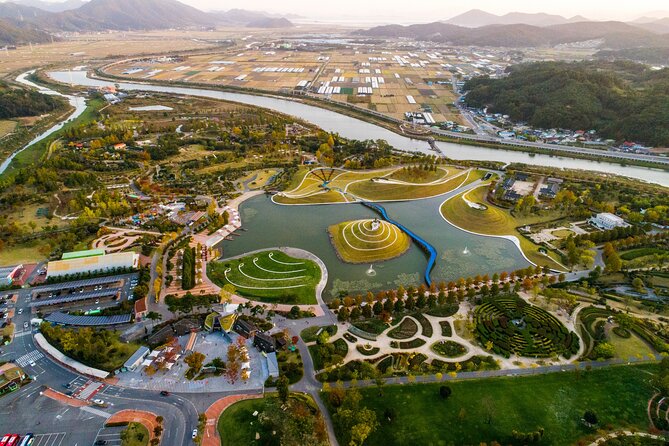
Then the day switches to color and conservation. Suncheon Bay Garden is described as turning 1.12 square kilometers of natural habitat into a conservation area. The numbers are impressive: over 505 species of trees and 113 species of flowers.
Spring-specific highlights are part of the pitch here: tulip groups and royal azaleas, plus a nearby canola field that creates a yellow “wave” effect in May. Even when you’re not there in peak bloom, the design and plant variety mean you’ll still get a real “garden Korea” experience rather than just a quick stroll.
It’s also scheduled for about two hours with admission included, so this won’t feel rushed.
Statue of Admiral Yi Sun-sin (free)
Admiral Yi Sun-sin is a huge name in Korean storytelling, and this stop ties him directly to the Imjin Waeran War era (1592–1598). The schedule notes that Yi decided this location should be used as his headquarters. Artifacts are displayed, and the hall itself is designated National Treasure No. 304 (as of 2011).
This is scheduled for about two hours and free admission. It’s a good counterbalance after the garden: you end the day with a clear theme of leadership, strategy, and national defense.
Day 3: Jinjuseong Fortress, then your Busan train-station drop
Day 3 is shorter and cleaner: one major historical fortress stop, then you’re set down in Busan with enough time to continue your trip.
Jinjuseong Fortress (free)
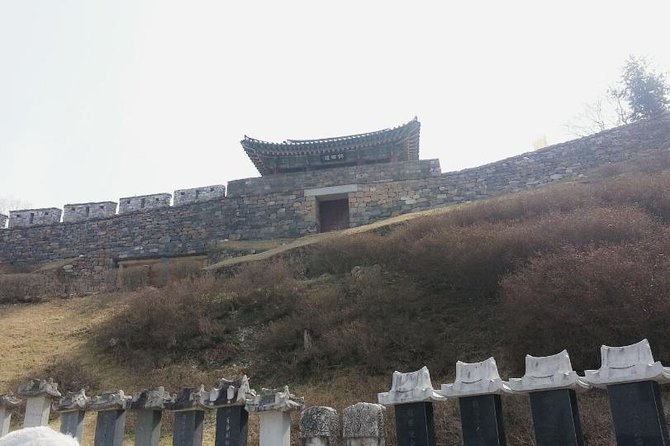
Jinjuseong Fortress is linked to the 1592 Japanese invasion. It’s also presented through multiple names across eras: Geoyeolseong Fortress in the Three Kingdom period, Chokseokseong Fortress in the Goryeo dynasty, and finally Jinjuseong Fortress in the Joseon dynasty.
The point for you is that the fortress isn’t treated as one-note scenery. It’s framed as a place that changed hands and roles across centuries, so your guide time can connect the dots. You’ll get about an hour here, which is enough for key vantage points and basic meaning without dragging.
Busan Station Plaza: drop-off around 13:00
You finish around 13:00 with a drop point at Busan Train Station. There’s a short 30-minute stop at Busan Station Plaza with free admission.
This is practical: you’re not left scrambling across the city to find your next connection. Just plan meals on your own from that point onward.
Accommodation and meals: 4-star comfort with breakfasts included
The tour includes two nights in 4-star accommodation, plus breakfast each morning. What you do not get is lunch or dinner, so you’ll want a simple plan for finding food near your stops.
This matters because good hotels and breakfasts reduce “trip friction.” When you’re bouncing between tombs, fortresses, memorials, and gardens, you’ll appreciate having a proper place to reset—and breakfast included means you start the day without hunting.
Room sharing is addressed clearly for groups with an odd number. If you book as three people, you can share one room with a pullout bed for the third person at no extra charge. If you want a single room, a single traveler surcharge may apply. If you prefer a specific bed type (like a queen instead of twins), you’ll need to note it during checkout.
Guides and groups: what the small details really change
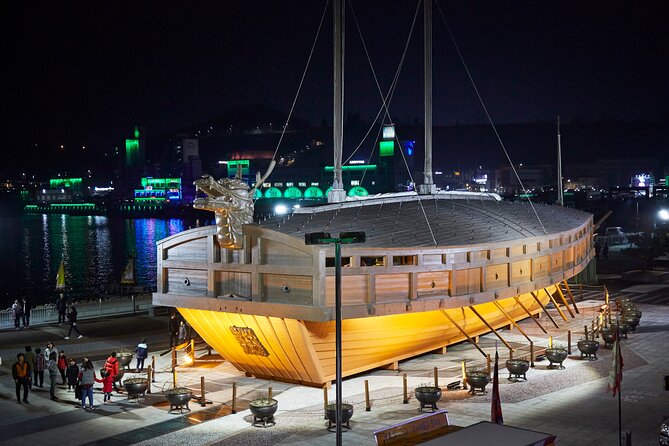
The tour runs with a maximum of 40 people, and it’s designed to be manageable even when you’re moving as a group across different regions. The schedule is set up so you can hear explanations and still have some structured time on site.
In the feedback included with this tour, named guides come up. Mr Kim (MS) is singled out for sharing history and culture, plus practical tips for evening activities and food, and for making hotel check-in and onward travel easier. Another participant also praised a guide named Justin and a safe, competent busdriver.
Why that matters for you: when you’re off Seoul, language barriers can make even famous sites feel confusing. A guide who not only narrates but also helps you with day-to-day decisions (where to eat, what to do after) makes the whole trip feel smoother.
Logistics you should plan for: luggage, mobile ticket, and coach timing
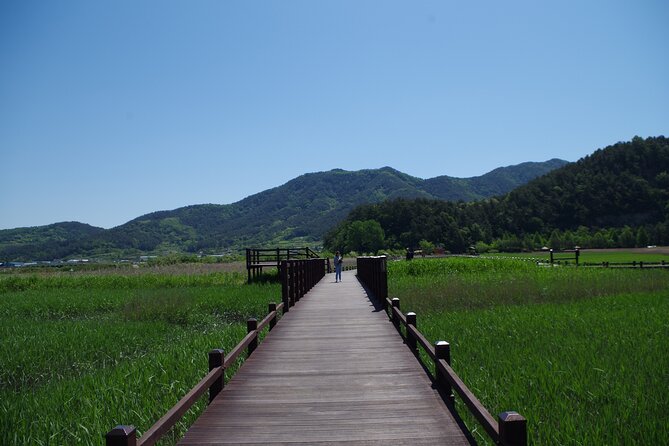
You’ll use a mobile ticket, and the tour notes that the meeting point is near public transportation. Good. But don’t ignore luggage rules: you should bring only one luggage per person, since vehicle storage depends on group size.
The tour also requires passport details at booking time: passport name, number, expiry, and country. If you’re the person always scrambling for documents, handle that early.
Finally, remember this is a Seoul-to-Busan coach route. That means sitting time between stops. Bring water, wear shoes you can walk in comfortably, and treat the bus ride like part of the experience instead of a punishment.
Who this tour fits best (and who should reconsider)
This tour makes the most sense if you:
- Want a guided, west-coast route without navigating Korean transit on your own
- Like history sites that come with explanations, not just photo ops
- Appreciate a mix of serious memorials, traditional villages, gardens, and fortress viewpoints
- Prefer 4-star comfort and breakfast included over constantly searching for places to stay
You might reconsider if you:
- Hate long coach rides and want flexible, stop-when-you-feel-like-it travel
- Expect lots of free time in each location (the schedule is structured, and many stops are around 1–2 hours)
Should you book this 3-Day West Korea course?
Book it if you want the value of planning done for you: coach transfers, guided context, 2 nights in 4-star hotels, and a route that covers far-flung-feeling spots like Jinjuseong. It’s also a smart choice if you’re traveling with limited Korean and you want help making decisions around food and what to do next—something that’s been called out through specific guide examples like Mr Kim (MS) and Justin.
Pass if you want total freedom, because the itinerary is structured and the coach time is real. Also, if you’re sensitive to early morning logistics in Seoul, show up early and confirm your bus so day one doesn’t start with stress.
If your goal is a clear, guided west Korea sampler—without the hassle—this is a strong match.
FAQ
What is the duration of the tour?
The tour runs for 3 days (approximately).
Where do you meet at the start, and what time?
You meet at DongHwa Dutyfree149 Sejong-daero, Jongno District, Seoul, South Korea at 8:00am.
Where does the tour end in Busan?
It ends with a drop at Busan Train Station around 13:00pm, with the end point listed at Jungang-daero, 초량제3동 Dong-gu, Busan, South Korea.
What’s included in the price?
Included are 2 nights of accommodation (4-star), transfers, a professional guide, and breakfast as per the itinerary. Some entrance fees are also included as noted by the stops.
Are lunch and dinner included?
No. Lunch and dinner are not included.
Do you get a ticket on your phone?
Yes, the tour includes a mobile ticket.
Can a single person book this tour?
One person can book, but the tour requires a minimum of two people to operate. If you book a single room, a single traveler surcharge may apply.
What if I need to cancel?
You can cancel up to 6 days in advance of the experience for a full refund. If you cancel 2–6 days before, the refund is 50%. Less than 2 days before is not refunded.