REVIEW · SEOUL
Cook 3 Authentic Korean Dishes with Local Market Tour
Book on Viator →Operated by cookorean · Bookable on Viator
Korean cooking starts at a real market. What makes this class smart is that Mangwon Market shopping feeds directly into the meal, and you cook at your own hands-on station instead of watching. One consideration: the class can shift or cancel if it doesn’t hit the minimum guest count (4), so you’ll want some date flexibility.
I also like the way the host, Jomin, blends food with context—ingredients, Korean food culture, and quick history that actually helps you cook. You choose either a lunch or dinner session, and you’ll come away with a professionally designed cookbook plus what you make (and any leftovers).
The group size is small (up to four people, and up to 11 travelers total), so you’re not fighting for attention. You meet at Mangwon Station Line 6, Entrance 2, then head to the studio for a ~3.5-hour, do-it-yourself cooking flow.
In This Review
- Key things I’d circle before you book
- Mangwon Market start: finding Jomin at the right Seoul corner
- Market-to-meal strategy: what you learn while you walk Mangwon Market
- The studio setup: private tables, small group pace, real hands-on cooking
- Your three dishes: classic Korean comfort food, taught to make sense
- Sundubu jjigae or kimchi-forward stew: learning the backbone of Korean soups
- Bibimbap: the art of mixing components, not just assembling
- Bulgogi: marinade technique you can repeat after Seoul
- Japchae and stir-fried pork: noodles and heat control
- What you eat, what you take home: cookbook plus leftovers
- Lunch vs dinner class: when to fit this into your Seoul days
- Value check: is $79 for three dishes and a market tour a good deal?
- Who this class suits best (and who should think twice)
- Should you book Cook 3 Authentic Korean Dishes with Local Market Tour?
- FAQ
- Where do we meet for the class?
- How long is the experience?
- What dishes will we cook?
- Is there a vegetarian or vegan option?
- How many people are in each class?
- What is the price per person?
- What happens if the class doesn’t meet the minimum number of guests?
Key things I’d circle before you book
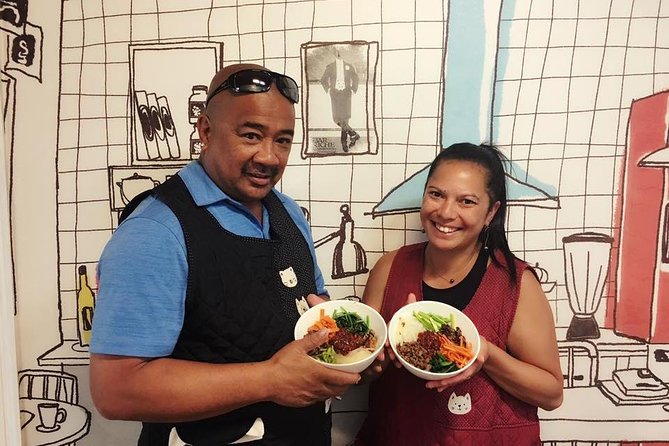
- Meet Jomin at Mangwon Station (Line 6, Entrance 2) and get oriented fast
- Max four people means real one-on-one help while you cook
- Hands-on, not a demo with your own table and cooking setup
- Three-dish menu may include Sundubu jjigae, bibimbap, bulgogi, kimchi stew, japchae, or stir-fried pork
- Cookbook take-home is professionally designed, not a basic handout
- Vegetarian and vegan options available when you book
Mangwon Market start: finding Jomin at the right Seoul corner
Your experience begins at Mangwon Station on Line 6, at Entrance 2. This matters more than it sounds. In Seoul, “near a station” can still mean a lot of wandering, and this class avoids that by starting at a specific doorway where you can meet up cleanly.
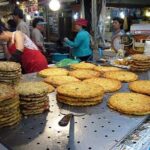
Once you link up with Jomin, you’ll head toward Mangwon Market. This is where the class earns its value. Instead of learning recipes in a vacuum, you see the ingredients where they’re sold, which makes what comes next easier. You’ll also get time to taste street foods while you walk, so you’re not just collecting names—you’re learning flavors and textures.
From the way sessions are taught, the market part is not a perfunctory photo stop. Jomin points out what gets used in the dishes and helps you understand why it matters. That ingredient context is what keeps the cooking part from feeling like following steps on autopilot.
You can also read our reviews of more shopping tours in Seoul
Market-to-meal strategy: what you learn while you walk Mangwon Market
Mangwon Market is the kind of place where Korean home cooking logic becomes obvious. You’ll get practical guidance on ingredients that show up in the menu, plus some street-food tasting along the way. One thing I like is that the tour doesn’t just list items—it explains how you’ll use them in the class.
In some class days, Jomin also includes food culture pieces like how staples (like banchan and kimchi) fit into Korean meals. Even if you’re not a history buff, these small “why this works” notes help you cook more confidently later.
A detail worth planning for: markets can look different around holidays. There’s at least one example of a market day where some stalls were closed due to Chuseok, but the class still had enough open vendors to keep the ingredient tour meaningful. Translation for you: if your trip overlaps a Korean holiday, don’t worry—just expect the market photo ops to vary, while the cooking lesson stays the focus.
The studio setup: private tables, small group pace, real hands-on cooking
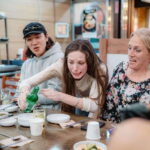
After the market walk, you head to the cooking studio. The shift from street browsing to a clean, organized space is a big part of why this class feels comfortable—even if you’re new to cooking.
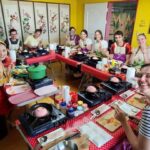
You cook at your own station with your own table and cooking setup. That’s not just a “nice to have.” It changes how much you actually learn. When you’re not sharing one workspace with a crowd, you can practice techniques like chopping, mixing, heat control, and seasoning without waiting your turn.
The studio rhythm is laidback, but instruction is structured. Jomin guides step by step, and she’s patient with novice cooks. If you like clear direction and want to stop guessing, this style is a win. If you want total freestyle cooking, you’ll still get choices (for example, timing and how you plate your finished food), but the class stays focused on accurate technique.
One more practical plus: this is designed as a true class, not a demo. That means you’ll do the work. You’ll also be able to eat what you cook—often in a dining area set up for the flow of the meal prep.
Your three dishes: classic Korean comfort food, taught to make sense
The menu is flexible. The three-course spread may include dishes such as:
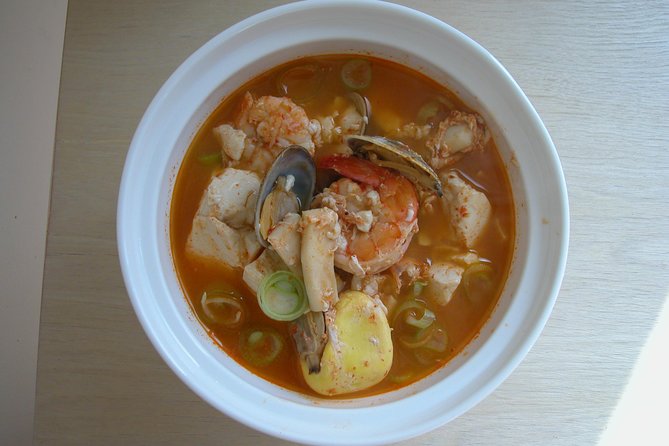
- Soft tofu stew (Sundubu jjigae)
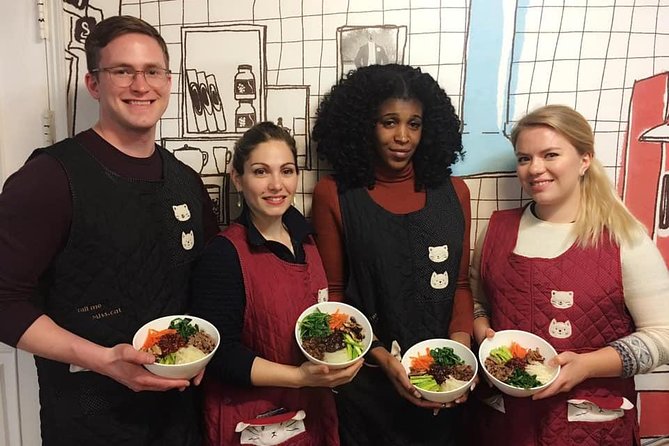
- Bibimbap
- Bulgogi
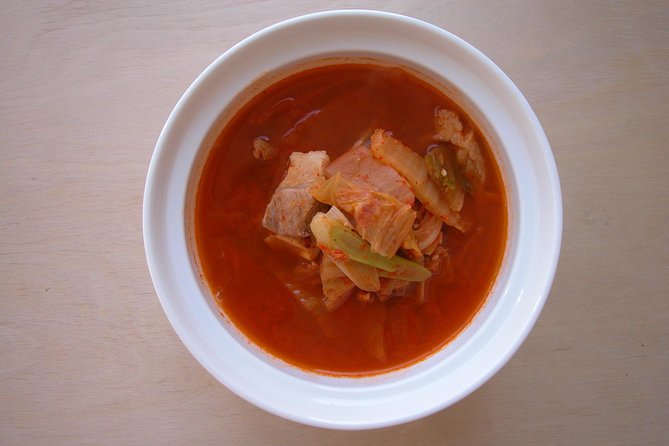
- Kimchi stew
- Japchae
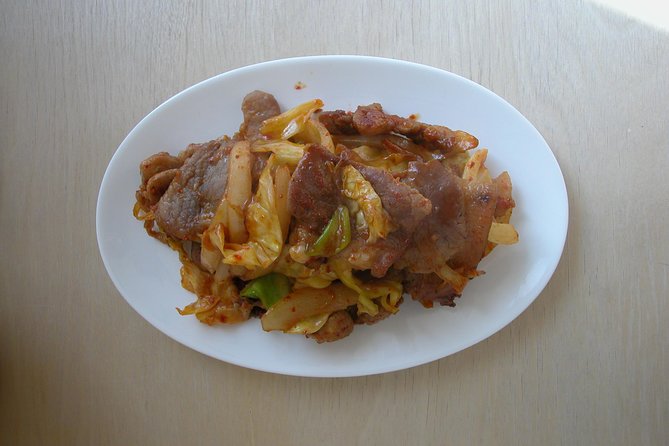
- Stir-fried pork
That list is a strong “Korean starter pack.” It covers variety: soup comfort, one-bowl mixed rice, sizzling marinated meat, fermented-spice depth, and noodle-and-veg satisfaction.
Sundubu jjigae or kimchi-forward stew: learning the backbone of Korean soups
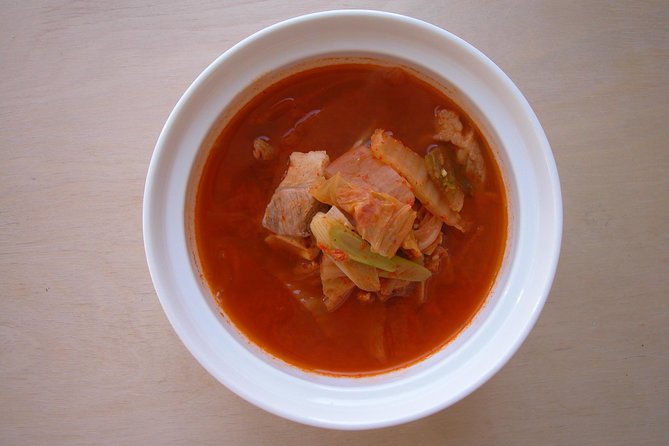
If your session includes soft tofu stew or kimchi stew, you’ll learn how Korean soups balance heat, savory depth, and that signature cozy texture. In at least one session, the process included picking up ingredients like soft tofu and clams at the market, then using them for the stew. Even when the exact protein changes, the skill you’re practicing stays the same: building a flavorful base and managing simmering so tofu stays tender.
For beginners, soups are a great entry point because the timing is more forgiving than quick stir-fries. For experienced cooks, it’s also useful because you’ll see how the same basic ingredients create noticeably different moods: soothing vs. spicy vs. fermented tang.
You can also read our reviews of more tours and experiences in Seoul
Bibimbap: the art of mixing components, not just assembling
Bibimbap is where you learn Korean cooking’s “component mindset.” You’ll prep vegetables and build the bowl so each part stays distinct, then mix at the end. One review-style detail from past sessions: instructions covered cutting vegetables and how to cook on the class’s burners. That’s useful at home too, because burner control is often the difference between crisp-tender and soggy.
Bibimbap also naturally introduces banchan logic. Even if you don’t make a dozen sides, you’ll learn how Korean meals treat small flavor hits—sesame, pickled notes, garlic, and fermented seasoning—as part of one balanced bowl.
Bulgogi: marinade technique you can repeat after Seoul
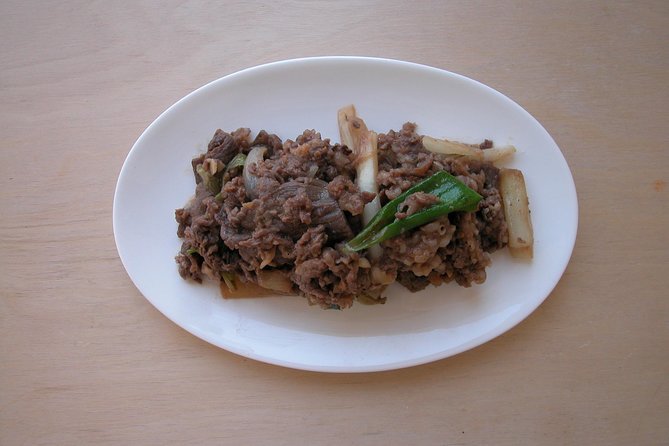
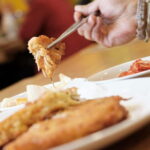
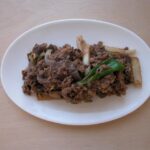
Bulgogi is the dish people crave—and it’s also one of the best to learn because the payoff is immediate. The class covers the marinade process and then guides you through cooking. A key value here: you’ll understand what makes bulgogi taste like bulgogi, not just copy a sauce recipe.
If you’ve ever tried bulgogi at home and found it bland or flat, this is the class that can fix that. You learn the structure of the seasoning so you can adjust it later to your own kitchen habits.
Japchae and stir-fried pork: noodles and heat control
If your menu includes japchae, you’ll work with noodles and stir-fry technique. Japchae rewards good heat management and even mixing, and it’s a great dish to practice because you can see the transformation quickly.
For stir-fried pork, you’ll practice the same general technique—seasoning, cook time, and texture control—using a different flavor direction than bulgogi. That makes the class more transferable. You’re learning cooking mechanics, not just one flavor profile.
What you eat, what you take home: cookbook plus leftovers
You don’t just make food—you eat it. That sounds obvious, but it’s a real quality signal. Finishing the meal in a comfortable dining setup helps you taste and evaluate what you made while the flavors are fresh.
You’ll also be able to take home leftovers. Some sessions provide take-home bowls, which is perfect for families or anyone who wants a second meal without turning the experience into a one-and-done dinner.
The biggest “keep it useful” item is the professionally designed cookbook. It’s not only the recipes you cooked. In past sessions, the cookbook has also included extra recommendations from the instructor, which helps you keep cooking after you return home.
If you like having structure, this kind of takeaway turns the class into a reference tool. Otherwise, even a great cooking experience can fade fast once you’re busy again.
Lunch vs dinner class: when to fit this into your Seoul days
You can choose between a lunch or dinner class, and that affects how the timing works with the rest of your trip.
A lunch session tends to pair well with active sightseeing in the afternoon, because you’ll already be fed and you’ll have a full stomach for walking. A dinner session can be nicer if you want a relaxed evening plan with one clear activity and a guaranteed meal at the end.
Either way, the total time is about 3 hours 30 minutes, so it’s long enough to feel real but not so long it ruins your day.
Value check: is $79 for three dishes and a market tour a good deal?
At $79 per person, you’re paying for three things at once: guided market ingredient shopping, hands-on instruction for multiple dishes, and a take-home cookbook. In many cities, you might pay a similar price for a cooking class that skips the market or gives you less access to the kitchen.
Here, the value is in the full loop:
1) You learn what to buy and why at Mangwon Market
2) You cook using your own hands and your own station
3) You eat what you made and take leftovers home
4) You get a cookbook that helps you repeat the skills
Also, the group is small (up to four), which usually means more attention for questions like how to adjust seasoning or what texture to aim for. That kind of teaching time is often the hidden cost in food experiences, so it’s part of why this seems to land well for people who care about actual results.
The biggest “price consideration” is your travel style. If you don’t cook much at home, the cookbook still helps, but you might get more value from this if you’ll use the recipes. If you love Korean food and want to improve your cooking, it’s an easy yes.
Who this class suits best (and who should think twice)
This is a great fit if you:
- Want authentic Korean food instruction grounded in real ingredients from a local market
- Appreciate small-group cooking where you can ask questions and get direct corrections
- Like hands-on learning more than watching
- Want vegetarian or vegan friendly cooking options when you book
- Want a Seoul activity that ends with a satisfying meal and a take-home guide
It may be less ideal if you hate structured instruction or prefer purely independent exploring. The class is hands-on, but the steps and pacing matter. Also, if you have strict date plans during low-guest periods, keep the minimum-guest possibility in mind.
Should you book Cook 3 Authentic Korean Dishes with Local Market Tour?
I’d book it if you want a Seoul food experience that feels grounded, not staged. The combination of Mangwon Market context, Jomin’s step-by-step guidance, and the fact that you cook and eat three dishes makes the $79 price feel earned.
I’d think twice only if you’re traveling with zero flexibility and your dates are tight, because small-group classes can get rescheduled if the minimum isn’t met. Otherwise, this is the kind of activity that turns “I ate Korean food” into “I can cook Korean food.”
FAQ
Where do we meet for the class?
You meet at Mangwon Station in Seoul, South Korea, at Line 6 Entrance 2.
How long is the experience?
The class runs about 3 hours 30 minutes.
What dishes will we cook?
The 3-course menu may include soft tofu stew, bibimbap, bulgogi, kimchi stew, japchae, or stir-fried pork.
Is there a vegetarian or vegan option?
Yes. Vegetarian and vegan options are available.
How many people are in each class?
The class is limited to a maximum of four people.
What is the price per person?
The price is $79.00 per person.
What happens if the class doesn’t meet the minimum number of guests?
If it doesn’t meet the minimum guest number of 4, the class can be rescheduled or canceled, and you’ll be offered a different date/experience or a full refund.