REVIEW · SEOUL
From Forest to Table: A Hansik Cooking Journey in Seoul
Book on GetYourGuide →Operated by Soop Table · Bookable on GetYourGuide
Cooking bibimbap in a Hanok studio feels like home. What makes this class special is the calm, carefully designed setting and the hands-on way you build a meal from scratch, not just watch it happen. I love the Hanok-inspired studio and the fact that you get your own menu choices for soup/stew and a main dish.
A big heads-up: this experience is not a match if you’re vegetarian, vegan, or dealing with food allergies, since the menu includes meat (including grilled samgyeopsal). If that works for your group, though, the pace is relaxed, the teaching is clear, and you’ll leave with dishes you genuinely made yourself.
In This Review
- Key points I’d bookmark before you book
- Entering SOOP TABLE’s Hanok-style kitchen setup
- Who Woody is and why the class starts with conversation
- Your hands-on meal plan: sides, stew, a main you pick, and bibimbap
- Step-by-step teaching that keeps the pace friendly
- Samgyeopsal at the table: grilling plus ssam vegetables
- Dessert and the slow finish after you cook
- Price and value: what $89 really covers for 3.5 hours
- What to bring and what to wear for an easy class day
- Who this experience fits best (and who should skip it)
- Should you book From Forest to Table in Seoul?
- FAQ
- How long is the cooking class?
- What does the class include in the meal?
- Do I get to choose what I cook?
- Is the class beginner-friendly?
- Is samgyeopsal included, and who cooks it?
- Is alcohol included?
- What dietary needs should I plan for?
- What should I wear and bring?
- Is there cancellation and flexible booking?
Key points I’d bookmark before you book
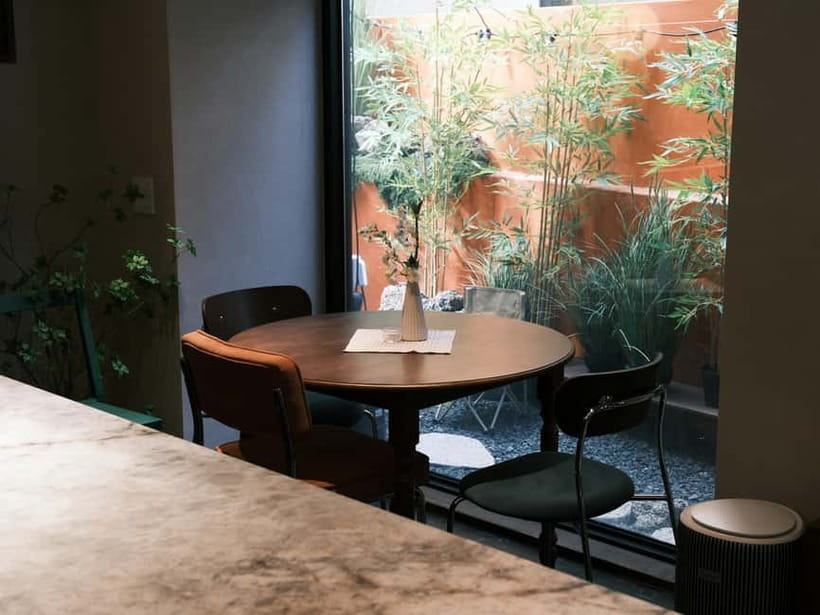
- Hanok-inspired, warm studio design that makes 210 minutes feel comfortable, not cramped.
- Choose-your-own soup and main so you can tailor the meal to your taste.
- Four side dishes plus bibimbap, so you learn more than one recipe.
- Samgyeopsal grilling by the host, served family-style with fresh ssam vegetables.
- Small group size (up to 8), which helps you get real guidance step by step.
- Digital photo recipe after class, plus a small souvenir gift.
Entering SOOP TABLE’s Hanok-style kitchen setup
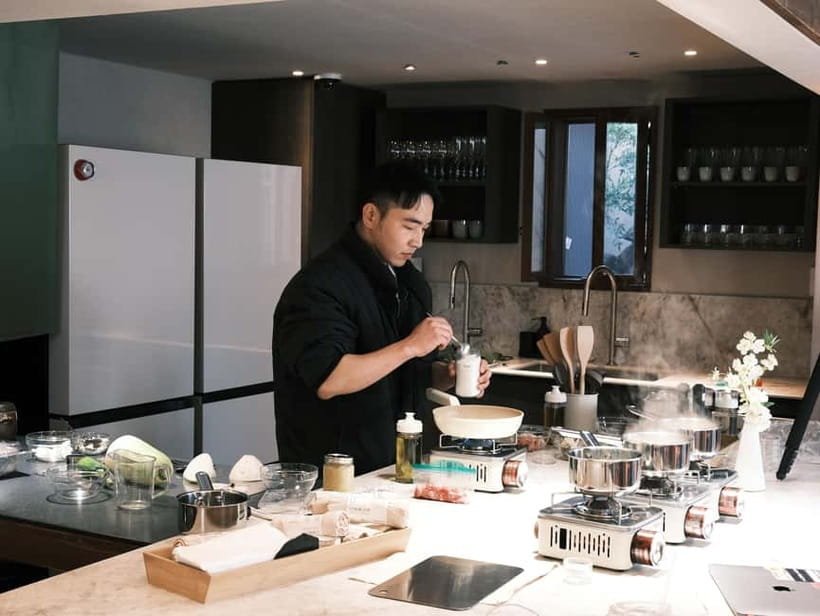
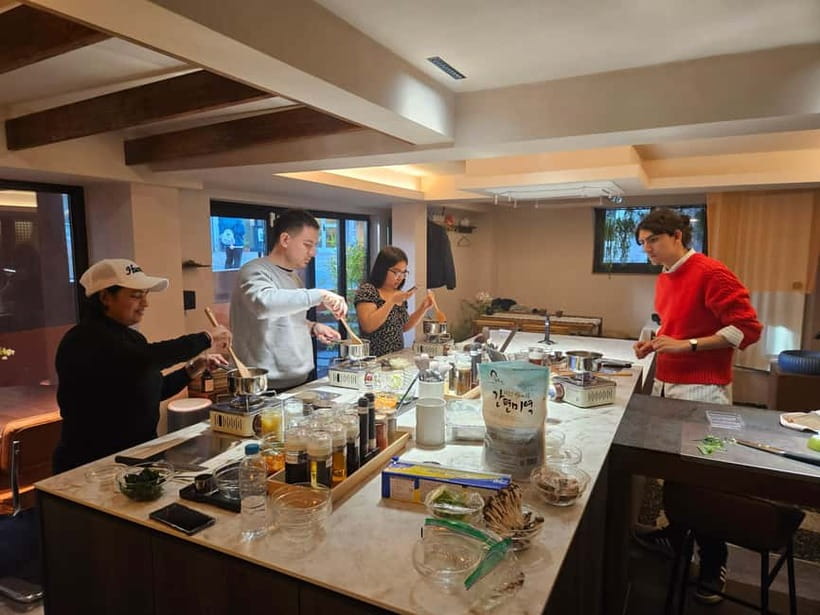
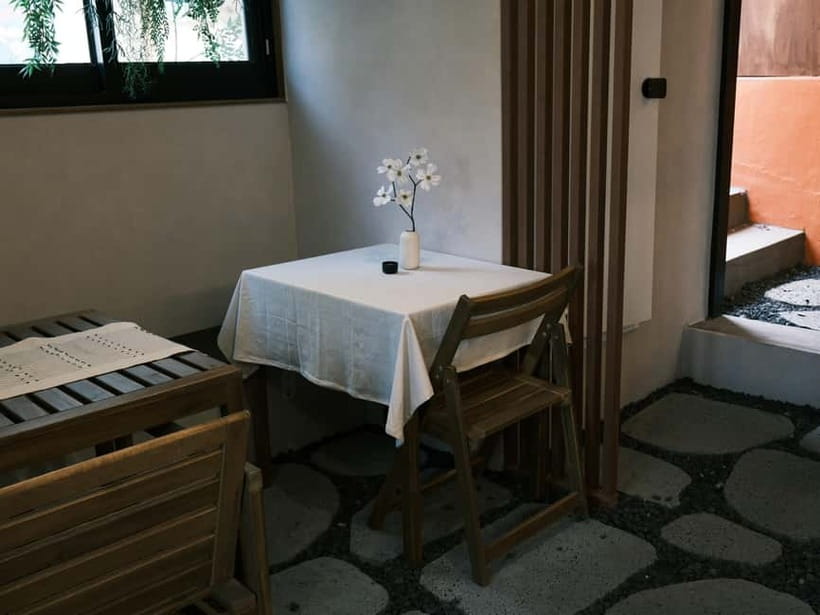
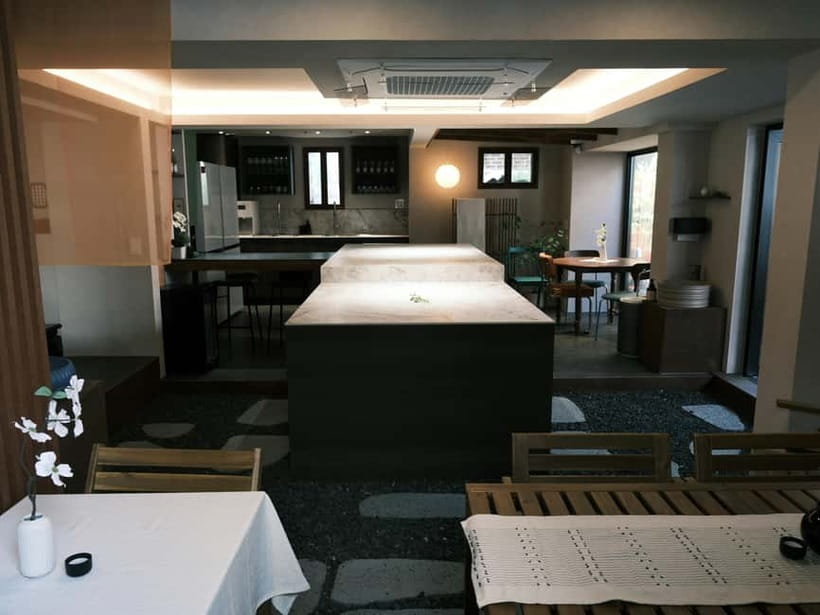
This class takes place at SOOP TABLE – The Hansik Atelier, and the vibe matters. The space is described as Hanok-inspired, warm, and beautifully designed, with a calm, home-style feel that helps you focus on cooking instead of performing for a crowd.
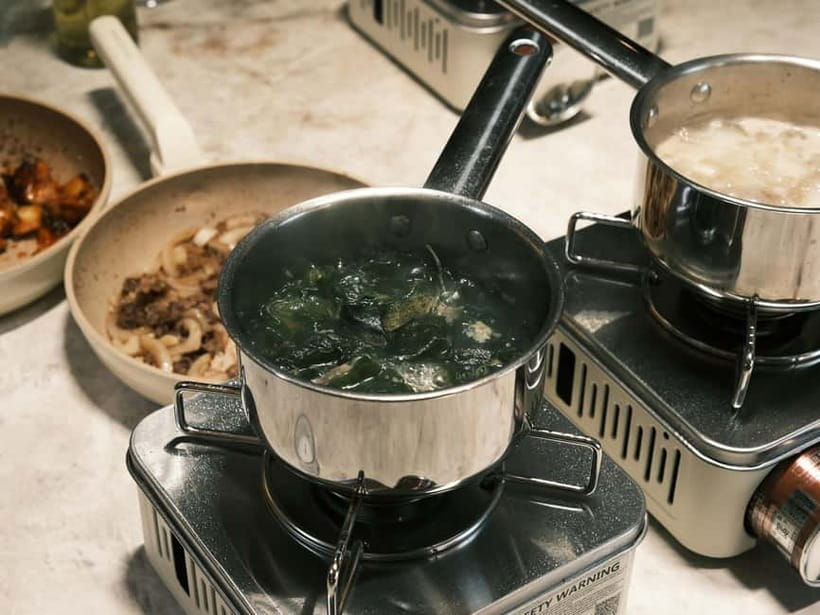
The kitchen setup is also a practical part of the experience. You’ll be using tools and cooking stations that are ready for a group, and the space is kept clean and well organized. That’s not just nice to look at, it means less wasted time and fewer moments where you’re waiting on equipment.
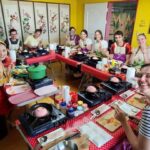
You’ll likely appreciate the atmosphere if you prefer smaller, more personal activities. With a limited group size, the host can actually check what’s happening at each station, and the energy stays relaxed during the prep and the meal.
You can also read our reviews of more cooking classes in Seoul
Who Woody is and why the class starts with conversation
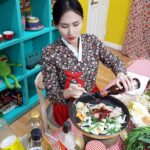
The instructor/host, Woody, is part of the draw. He grew up learning from his mother, who taught Korean food through a craft-style lens, and he later traveled broadly to explore culture and cuisine across six continents. That shows up in the way the class frames ingredients, not just the how-to steps.
Before cooking starts, you begin with traditional Korean welcome tea and a short talk about Korean food culture. You’re not getting a lecture that takes over the day. It’s more like getting your bearings: what you’re about to make, why certain ingredients matter, and how Korean meals are meant to be eaten together.
This first moment also helps everyone settle into the same rhythm. If you’re new to Korean cooking, that context can make the whole meal click faster once you’re at the cutting board.
Your hands-on meal plan: sides, stew, a main you pick, and bibimbap
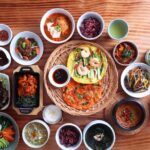
You’re not doing one dish. You’re building a Korean meal with multiple components, and the class is designed so you can handle it even if you’ve never cooked before.
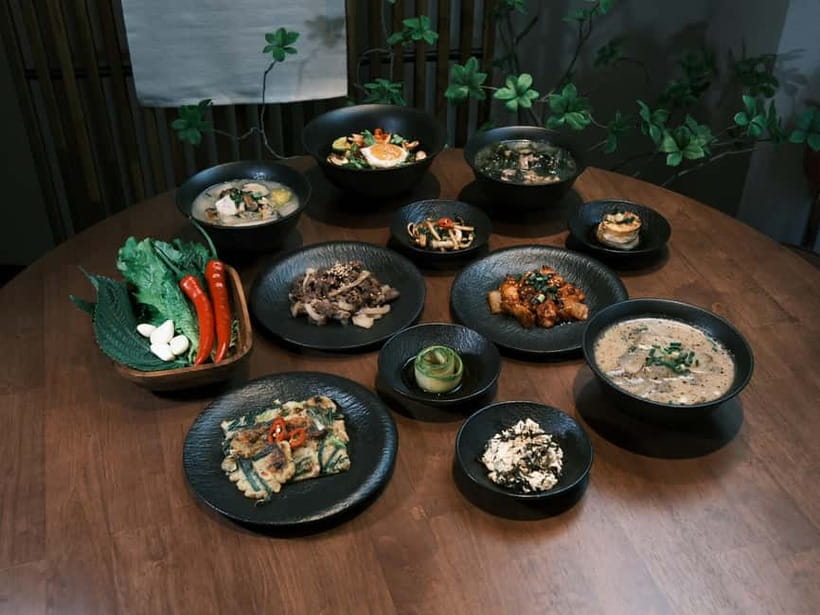
Here’s what you can expect to make:
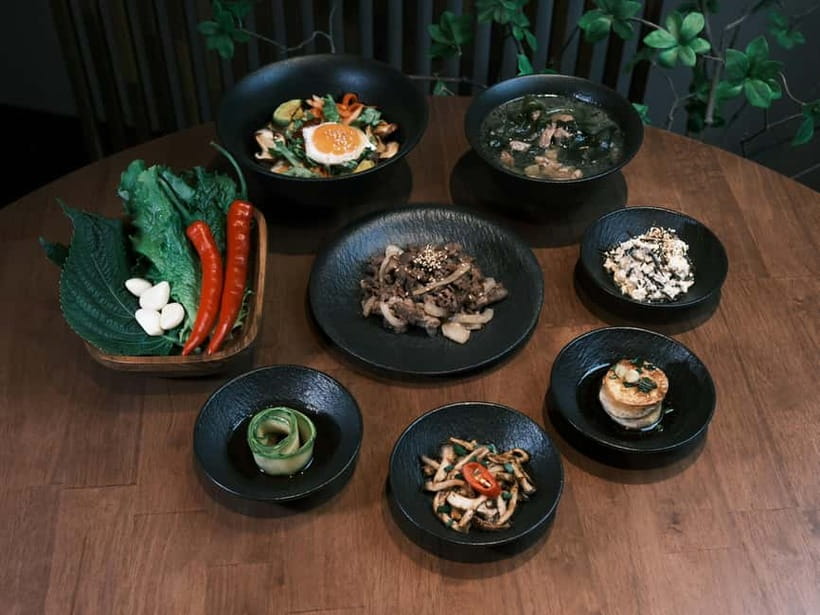
- Four side dishes (banchan-style)
- One soup or stew
- One main dish of your choice
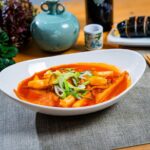
- Bibimbap, assembled and plated beautifully
What I like about the structure is that it mirrors how Korean home meals work: variety, balance, and layers of texture. Instead of repeating one technique over and over, you practice several skills—prep, seasoning, timing, and assembling—while still getting step-by-step guidance.
The choice element is also a smart touch. You select your own soup/stew and your main dish (the format is described as having options), so you’re not stuck eating something you didn’t want. That flexibility can matter a lot for picky eaters and for people who want to focus on specific flavors they’ve heard about.
For the bibimbap part, you’re not just “topping a bowl.” You’ll prepare and arrange components so they look good on the plate. Then you sit down and eat the meal you made, which is the point where the work pays off.
Step-by-step teaching that keeps the pace friendly
The class runs for 210 minutes, which is long enough to do real cooking but not so long that everyone loses focus. The teaching style is beginner-friendly, with instructions broken into manageable steps so you’re not standing around while someone else figures it out.
With a small group capped at 8 participants, you’re less likely to feel ignored. That size also helps the host adjust when different people move at different speeds. One of the biggest quality markers here is patience: you should feel guided rather than rushed.
You’ll also be working with ingredients that are fresh and prepared in ways that make sense for a class setting. You do the cooking, but you’re not fighting for a complicated timeline or missing basics. It’s the difference between a cooking demo and an actual learning experience.
Samgyeopsal at the table: grilling plus ssam vegetables
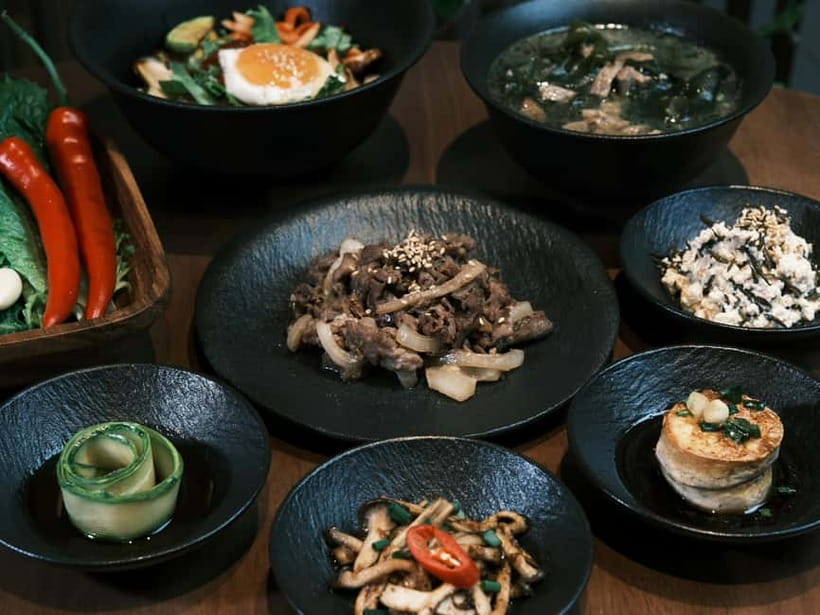
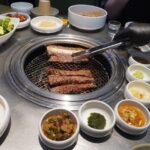
The meal includes samgyeopsal (Korean pork belly), but you don’t have to guess how it’s done. Woody personally grills it and then serves it with fresh ssam vegetables for lettuce wraps.
This matters because ssam is more than a side. It’s part of how Korean meals get built: you take a bite with the right mix of meat, greens, and flavor, and you eat it while chatting. The class gives you both the technique and the tradition, so you’re not just learning flavors—you’re learning the rhythm.
If you like interactive cooking moments, this is the payoff segment. You’ve been prepping components, then the host brings in the grilled meat and ties everything together at the meal.
Adults also get a glass of traditional Korean distilled liquor included with the experience. Extra alcohol isn’t included, so keep that in mind if your group expects to drink beyond the one glass.



Dessert and the slow finish after you cook
After the cooking and the shared meal, you finish with a simple Korean dessert. That final course is a nice way to close out the experience without dragging it into a long follow-up.
A big part of the value here is that you don’t just cook and run. You sit down together, enjoy the meal slowly, and have time for conversation and appreciation of what you made. That’s one reason this can feel more memorable than a checklist-style tour.
And since you’ll have a digital recipe sent via photo after class, the dessert ending and the recipe follow-up connect into something practical: you can recreate at least the core dishes later.
Price and value: what $89 really covers for 3.5 hours
At $89 per person for 210 minutes, this is priced like a hands-on food experience, not a casual activity. The value comes from what’s included, which is a lot for the time you spend there.
Included items worth noting:
- Traditional Korean welcome tea
- Full guided cooking class in English (with Korean listed as an additional language)
- All cooking ingredients (fresh and prepared)
- Apron and all cooking tools
- A shared meal made from the dishes you prepare
- Host-grilled samgyeopsal with ssam vegetables
- One included glass of traditional distilled liquor for adults
- Simple Korean dessert
- Filtered water during the meal
- Digital recipe sent via photo after the class
- Small souvenir gift
- The warm Hanok-inspired studio space
If you subtract what you’d normally spend on ingredients plus kitchen access plus instruction, the price starts to make sense. Also, the host grilling samgyeopsal for everyone reduces the friction of trying to do a high-skill, high-demand step in a group class.
One thing you should plan for: transportation isn’t included. That’s typical, but it can affect your real total cost if you’re coming from far away. Also, take note that you’re not getting food containers to take leftovers home.
What to bring and what to wear for an easy class day
You only need to show up with comfortable clothes. That’s practical advice for any cooking activity, because you may be standing for stretches and leaning over work surfaces while you prepare several dishes.
Beyond that, I’d treat the class like you’re going to eat a real meal afterward. The experience is structured so you end up stuffed from what you cook, not grazing. If you’re planning other food stops the same day, leave room—or schedule this as a main meal anchor.
If your group includes anyone who doesn’t drink alcohol, that’s generally manageable since water is provided. But remember the included liquor is listed for adults, and you’ll still want to coordinate dietary expectations because this menu isn’t vegetarian/vegan-friendly.
Who this experience fits best (and who should skip it)
This is a strong choice if you want:
- A hands-on Korean cooking session in a beautiful studio setting
- A meal that includes multiple components, not just one quick dish
- The ability to choose your soup and main dish
- A calmer pace with a small group where you get guidance
It may be less ideal if you:
- Have food allergies (the experience notes it’s not suitable for people with allergies)
- Are vegetarian or vegan (this class isn’t designed for those diets)
- Are traveling with kids under 10 (not suitable for children under 10)
There’s also a practical comfort point: because you’ll be cooking and then eating in one sitting, it’s best for people who want to enjoy a full meal experience rather than just “taste a little.”
Should you book From Forest to Table in Seoul?
I’d book it if you’re coming to Seoul with food as a main goal and you like learning by doing. The standout strengths are the Hanok-inspired studio, the patient, guided instruction, and the fact that you leave with a full meal plan you can understand and redo later thanks to the photo recipe.
I would skip it if dietary restrictions are a concern. Since the menu includes meat—plus the samgyeopsal highlight—and it’s not built for vegetarian/vegan preferences, you could end up unhappy or limited.
If you’re on the fence, make the decision based on two questions: Are you okay eating the class meal as designed? And do you want to cook several Korean dishes in one go with step-by-step support? If yes, this is the kind of experience that turns a day in Seoul into a personal, practical memory.
FAQ
How long is the cooking class?
The experience lasts 210 minutes (about 3.5 hours).
What does the class include in the meal?
You’ll prepare four side dishes, one soup or stew, one main dish you choose, and bibimbap. The host also grills samgyeopsal and serves it with ssam vegetables, and there’s a simple Korean dessert afterward.
Do I get to choose what I cook?
Yes. Each guest selects their own soup or stew and their own main dish from the available options.
Is the class beginner-friendly?
Yes. The cooking steps are described as beginner-friendly with careful, step-by-step guidance, so you don’t need prior cooking experience.
Is samgyeopsal included, and who cooks it?
Samgyeopsal is included, and the host personally grills it. It’s served with fresh ssam vegetables for lettuce wraps.
Is alcohol included?
For adults, a glass of traditional Korean distilled liquor is included. Extra alcoholic beverages beyond that glass are not included.
What dietary needs should I plan for?
This experience is not suitable for vegans, vegetarians, or people with food allergies.
What should I wear and bring?
Wear comfortable clothes. Transportation to and from the venue is not included.
Is there cancellation and flexible booking?
You can cancel up to 24 hours in advance for a full refund, and you can reserve now & pay later to keep plans flexible.