REVIEW · SEOUL
Korea DMZ Private Tour with War Memorial Tour as Service
Book on Viator →Operated by DMZ Tour by Expert · Bookable on Viator
The DMZ is not just history. This private day trip focuses on how a divided Korea still shapes real life, with an English guide who knows the stakes up close and a route that starts at Imjingak and ends at Tongilchon. You’ll move from visitor sites to the border’s edge, seeing tunnels, memorials, and viewpoints that make the Korean War feel painfully current.
What I like most is the mix of firsthand context and hands-on stops. The Third Tunnel includes a short war briefing, a walk inside the tunnel, and an exhibition hall, so you don’t just see it—you understand why it mattered. I also love the Dora Observatory portion, especially when the rooftop binocular area helps you spot North Korean city views of Gaesung.
One thing to watch: weather can make or break the Dora Observatory experience. Fog and heavy rain can limit what you can see and how comfortable the day feels, and there’s no lunch included, so you’ll want to plan for meals on your schedule.
In This Review
- Quick highlights you can use right away
- Price and what $299 buys you (and what it doesn’t)
- How the day actually runs: pickup, shuttle transfer, and realistic timing
- Stop 1: Imjingak Pyeonghwa-Nuri Park, Jangdan Station, and Freedom Bridge
- Stop 2: The Third Infiltration Tunnel walk—what you see and what it means
- Stop 3: Dora Observatory and the Gaesung view (binocular time included)
- Stop 4: Tongilchon (Unification Village) inside the civilian control zone
- Guides make the difference: former military and North Korean family insight
- What to bring (so the day feels easy)
- Who this tour is best for (and who should reconsider)
- Should you book this DMZ private tour?
- FAQ
- How many people are included in the private tour?
- How long does the DMZ tour take?
- Is pickup from Seoul included?
- What major stops are included in the itinerary?
- Are admission fees included?
- Is lunch included?
- What is the cancellation window?
- What fitness level do I need?
Quick highlights you can use right away
- Private group up to 3: no awkward crowding, and you can ask sharper questions.
- Expert English guides: often with military experience or North Korean family ties, including guides like John, Dylan, Julie, Brian, and Chuck.
- Third Tunnel includes a walk: video context, then a literal step into the infiltration route.
- Dora Observatory has a rooftop binocular setup: best results come on clearer days.
- Unification Village inside the civilian control zone: a rare look at life near the border.
- Admissions are included: you pay once, then focus on the day.
Price and what $299 buys you (and what it doesn’t)
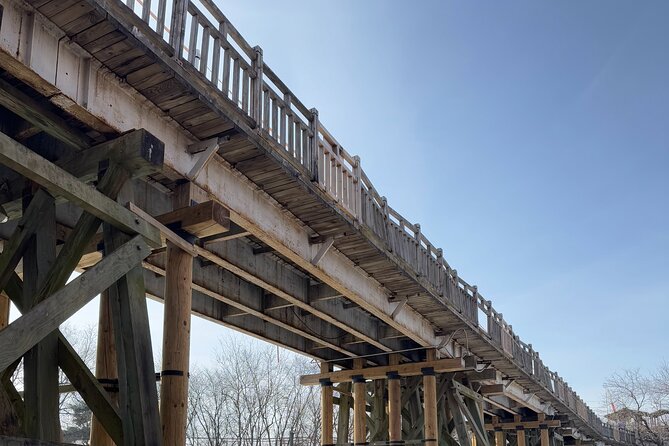
This tour costs $299 per group, for up to 3 people. That pricing matters because DMZ travel is tightly managed, and the “group size” is part of the value. For a solo traveler, it can feel like a lot compared to big bus tours. For a couple or small group, it quickly becomes a smarter deal: you share the private transportation and guide attention without paying per person at inflated rates.
Also, admissions are included, so you’re not doing math at each stop. The one clear gap is lunch. That’s not unusual for DMZ logistics, but it does mean you should come prepared—either eat before you start or carry a simple snack plan so you’re not stuck deciding at the last minute.
The other “price value” piece is how the guide experience changes the tone. Many DMZ tours explain what you see. This one leans hard on the story behind it, using guide backgrounds that can include former military service or connections to North Korea. That doesn’t turn the trip into a lecture—it makes the details easier to hold in your head.
You can also read our reviews of more private tours in Seoul


How the day actually runs: pickup, shuttle transfer, and realistic timing
You’re looking at about 6 to 8 hours, depending on how the border-day schedule moves and what conditions look like. Pickup is offered, and because it’s private, you don’t get added to a chain of other pickup stops. Translation: fewer delays, more control.
One practical quirk: at the first stop, you’ll need to transfer to a shuttle bus run by Paju city according to DMZ regulations. That transfer is normal for this area, but it’s still something you should mentally budget time for. If you hate waiting, bring patience. If you’re fine with short transitions, you’ll barely notice it.
Since the tour includes a tunnel walk and a memorial-area walk, plan for moderate physical fitness. You don’t need to be an athlete, but you do want comfortable shoes and the ability to move at a steady pace.
Finally, you’ll use a mobile ticket, which is convenient. If your phone battery is always a little sketchy (it is for me), bring a charger or a power bank so you’re not scrambling in a line.
Stop 1: Imjingak Pyeonghwa-Nuri Park, Jangdan Station, and Freedom Bridge
The day begins at Imjingak Pyeonghwa Nuri Park, and the first hour is structured to get you oriented before you go deeper. You’ll handle DMZ tour ticketing early, which helps keep later stops smoother.
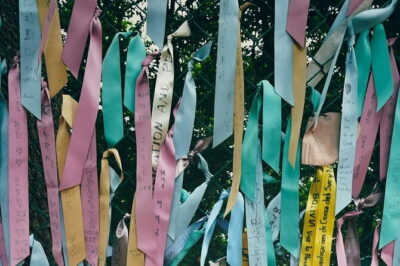
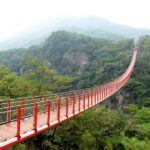
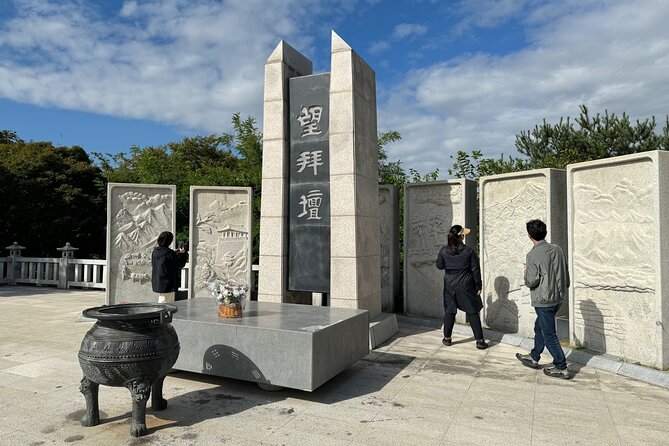
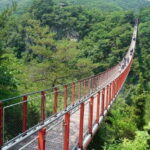
This is also where the tour gives you symbolic context. You’ll see a steam locomotive at Jangdan Station—the kind of relic that feels like a snapshot of a moment that never fully closed. Next comes Freedom Bridge, the emotional “you are near the line” type of stop. You also visit memorial elements such as the 30 Years Lost component (listed as UNESCO Memory of the World), plus Mangbaedan Alter.
Why this start works: it sets the emotional tone before the harder material later in the day. If you go straight to tunnels and viewpoints, you can end up thinking of the DMZ as a movie set. Starting at Imjingak makes it feel like a place with grief, politics, and memory layered together.
The practical note: you’ll likely do the shuttle transfer here, so wear layers. Even in daylight, the DMZ area can feel cooler than Seoul, and you’ll want clothing you can adjust quickly.
Stop 2: The Third Infiltration Tunnel walk—what you see and what it means
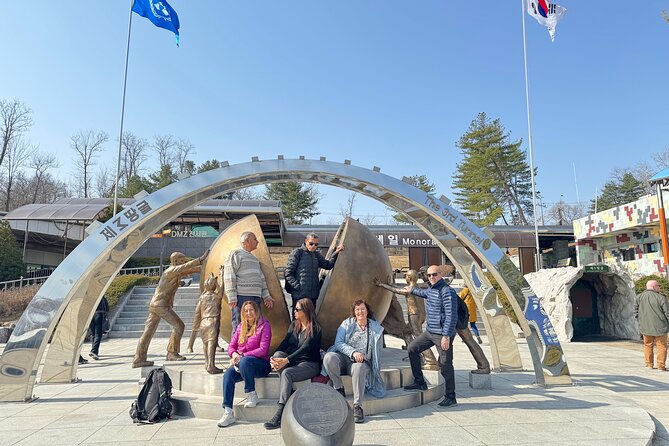
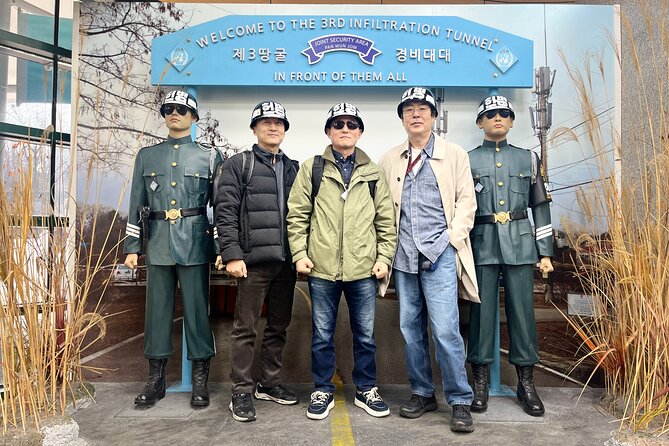
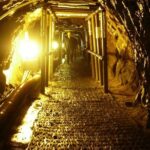
The 3rd Infiltration Tunnel is one of the most talked-about stops on DMZ routes, and this one gives it real structure. You’ll start with a short video about the Korean War, then you’ll head into the tunnel area for a walking experience. Afterward, there’s an exhibition hall to connect the dots.
Found in 1978, the tunnel isn’t just a “cool underground walk.” It’s evidence of how far the conflict planning reached—how a border line wasn’t a wall in the minds of strategists. When you walk part of the route, you get a direct sense of scale and intention.
Here’s the value for you: this stop turns abstract geopolitics into something physical. The tunnel’s tightness, the restricted movement, and the way the tour organizes the story make it easier to understand how infiltration plans worked, not just that they existed.
Possible drawback: tunnels are enclosed and can feel colder or stuffier than you expect. If you’re sensitive to enclosed spaces, go slow and take your cues from your guide.
Also, because it’s a walking portion, bring shoes that grip well. This is not the time for brand-new sneakers.
Stop 3: Dora Observatory and the Gaesung view (binocular time included)
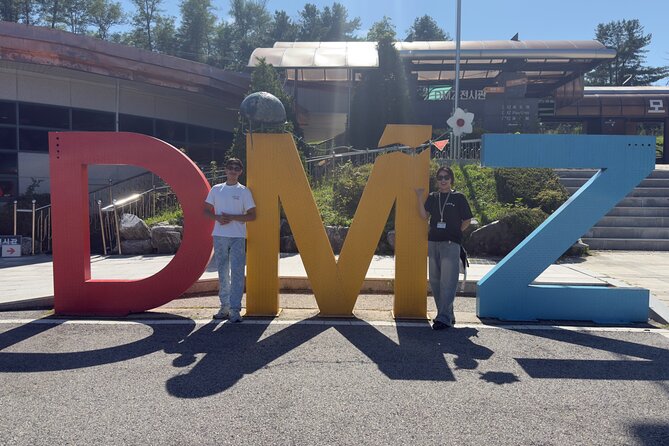
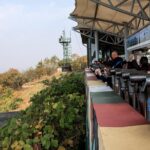
Next is Dora Observatory, and you’ll spend about 45 minutes here. The highlight is the chance to see the North Korean city of Gaesung from the observation area. The tour also includes rooftop access where you can use binoculars to see better.
This is where the trip can either hit hard or feel muted. In clear weather, the viewpoint experience can be striking because you’re looking toward a city that’s supposed to be unreachable in everyday life. In fog or bad visibility, it can become frustrating. One guide-led tip that matters: if visibility is a big deal for you, you should try to book a day with a clearer forecast. The observatory portion is literally dependent on what the air is doing.
Still, even when you can’t see much detail, Dora Observatory often holds value because your guide can help you read what you’re looking at—where the view points go, what Gaesung represents, and how the Korean War and division played out in geography.
If you want to improve your odds, dress for the conditions you’ll face outside. Layers beat one bulky jacket. And if rain is in the forecast, bring a light rain layer you can access quickly.

Stop 4: Tongilchon (Unification Village) inside the civilian control zone
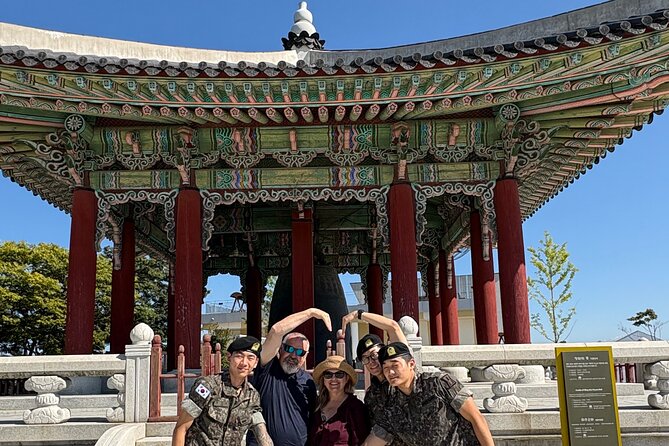
The final stop is Tongilchon-gil, often called Unification Village. This portion is short—around 15 minutes—but it has a specific purpose. You’ll visit the village area located within the Civilian Control Zone, where everyday life happens under border rules.
You’ll also find a DMZ-themed souvenir shop in this area, and it’s a quick moment to pick up a small reminder. Since this stop is brief, don’t treat it like a free-time market crawl. Treat it like the closing “human scale” chapter of the day.
Why it’s worth ending here: the earlier stops are heavy—tunnels, military history, and long-straight political reality. Ending with a place where people try to live near the line creates a different kind of understanding. It brings the question from what happened during the war to what continues now.
If you’re hoping for a long, independent wander, you may find the time limit a bit tight. But for most people, it’s a thoughtful finish line.
Guides make the difference: former military and North Korean family insight
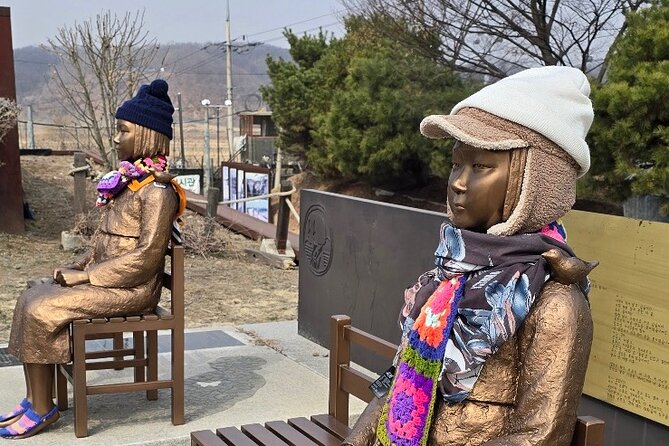
This tour really leans on guide expertise. The day is led by DMZ specialists, and the company highlights backgrounds that can include former military veterans and even 2nd generation North Korean perspectives.
What you gain from that (and why it matters for your experience): these guides can connect details in a way that feels less like trivia and more like cause and effect. When they talk about the tunnel walk, the bridge memorials, or the observatory viewpoint, you’re less likely to lose the thread.
The names that show up in guide experiences—John, Dylan, Julie, Brian, and Chuck—point to a pattern: punctual service, strong English, and storytelling that sticks. Several guides also handle practical comfort in real-time, like updating the group about weather conditions or offering help when sudden rain hits.
One practical benefit: a guide who handles ticket and permit steps in advance can reduce stress. In a DMZ day, that kind of calm execution is worth more than extra sightseeing time.
What to bring (so the day feels easy)
Here’s what will make your DMZ day smoother, based on how the route works and what stops demand:
- Comfortable shoes for walking and the tunnel portion
- A light layer or rain gear for sudden weather changes
- Phone battery power for the mobile ticket
- A small snack plan since lunch isn’t included
If you have sensitive eyes or are bothered by cold wind on rooftops, bring something simple for comfort. Dora’s rooftop binocular area is outdoors.
Who this tour is best for (and who should reconsider)
I’d point this tour at you if:
- You want a private format with room for questions.
- You care about war history but also want real-world context tied to geography.
- You like guides with strong backgrounds who can explain why each site exists, not just where it is.
You might reconsider if:
- You’re planning for perfect visibility and hate weather uncertainty (Dora Observatory can suffer in fog).
- You want long free time or flexible wandering. This tour is structured and efficient.
This also fits well if you’re traveling with one other person or a small group—up to 3—because the private pricing turns into a better value per person.
Should you book this DMZ private tour?
If you want a DMZ day that feels personal, not like a conveyor belt, I think you’ll like it. The route makes sense: start with memory and memorial sites, move to the tunnel where the conflict becomes physical, then finish with viewpoints and Unification Village. Add a guide with military-linked expertise and the chance to ask questions in real time, and the day tends to land in a powerful way.
Book it on a day when the weather forecast looks promising, especially if Dora Observatory visibility matters to you. And plan food smartly since lunch isn’t included. If you do that, this feels like a highly focused way to understand a divided Korea without wasting time.
FAQ
How many people are included in the private tour?
The tour is private and is set up for up to 3 people per group.
How long does the DMZ tour take?
The experience runs about 6 to 8 hours.
Is pickup from Seoul included?
Pickup is offered, and the tour is private so you won’t be added to other pickup stops.
What major stops are included in the itinerary?
You’ll visit Imjingak Pyeonghwa-Nuri Park, the Third Infiltration Tunnel, Dora Observatory, and Tongilchon-gil (Unification Village).
Are admission fees included?
Yes. Admission fees are included for the listed paid attractions on the route.
Is lunch included?
No. Lunch is not included.
What is the cancellation window?
You can cancel for a full refund up to 24 hours in advance of the start time.
What fitness level do I need?
You should have a moderate physical fitness level, since you’ll walk through parts of the day including at the tunnel.