REVIEW · SEOUL
Seoul Food: Banchan, Bibimbap, and Beyond
Book on Viator →Operated by Culinary Backstreets Walks · Bookable on Viator
Food in Seoul makes sense fast when you can walk it. This 5-hour Seoul food tour connects banchan and bibimbap to the streets where the flavors live, while rolling past major sights in Dongdaemun and Jongno. I like that it blends big landmarks with real eating stops, so your day feels like a story you can follow. I also like the pacing: you get enough time between scenes to reset and keep your appetite ready.
I especially like how the guide frames food as culture, not just menu items. On departures led by guides like Eunice, the explanations tend to tie history to what you taste, with a rhythm that doesn’t rush you through the next bite. A short consideration: this is a walking-heavy route, and the experience includes alcoholic beverages, so it’s smart to plan for comfort and drink limits if you prefer to stay sober.
In This Review
- Key Things You’ll Notice On This Seoul Food Walk
- Dongdaemun To Jongno: Why This Route Works For Food
- Banchan And Bibimbap: The Flavor System You Taste Along The Way
- Stop 1: Dongdaemun Gate (Heunginjimun) And The Seoul-Style Welcome
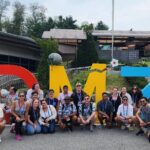
- Stop 2: Dongdaemun Design Plaza (DDP) For Modern Seoul Energy
- Stop 3: Cheonggyecheon Stream At Night-Like Pace
- Stop 4: Gyeongbokgung Palace For The Big Picture Behind Korean Table Culture
- Stop 5: Bukchon Hanok Village For Streets That Still Feel Human
- Price And Value: What $195 Buys You In Real Terms
- What You’ll Get Most: Food, Story, And Enough Time To Not Feel Rushed
- Who Should Book This Seoul Food Tour (And Who Might Want Something Else)
- Should You Book Seoul Food: Banchan, Bibimbap, And Beyond?
- FAQ
- What time does the tour start?
- Where do I meet the guide?
- How long is the experience?
- Is the ticket mobile?
- What’s included in the price?
- What’s not included?
- Are the sightseeing admissions included?
- Can I cancel for a full refund?
- Is this a private tour?
Key Things You’ll Notice On This Seoul Food Walk
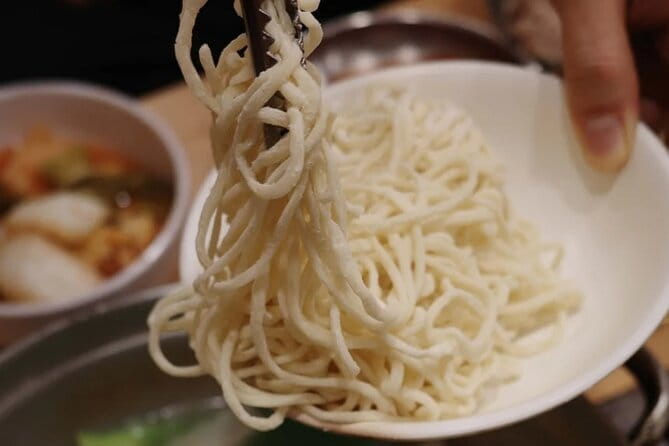
- Banchan and bibimbap at the center, with other Korean favorites showing up along the way
- Iconic stops that match the food theme, from Dongdaemun Gate to Gyeongbokgung
- A guide who connects history to flavors, with clear, friendly explanations
- Dinner plus snacks included, so you’re not hunting for meals between sights
- Plenty of breaks built into the route, including the Cheonggyecheon stream walk
- Private for your group, which usually makes it easier to ask questions and move as a unit
Dongdaemun To Jongno: Why This Route Works For Food
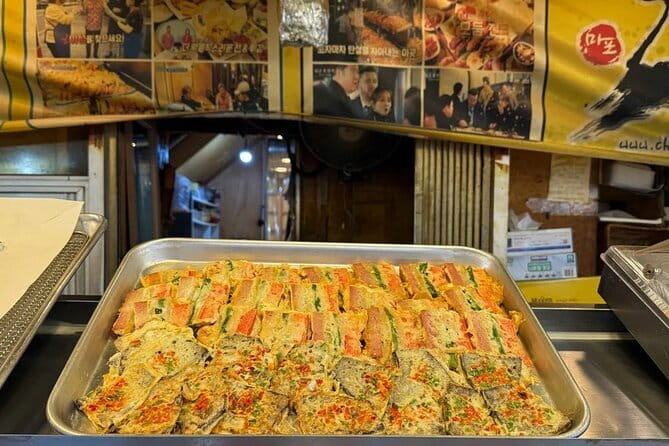
Seoul is one of those cities where the best meals are tied to where people gather—markets, side streets, neighborhood restaurants, and the routes everyone walks every day. This tour uses that idea. You start near JW Marriott Dongdaemun Square Seoul, then work your way through Dongdaemun and Jongno, which is a smart match for food because it’s where old and new Seoul rub shoulders.
The timing also makes sense. Starting at 1:00 pm means you’re not stuck choosing between lunch chaos and dinner desperation. Instead, you can settle into a long food rhythm: taste, walk, taste again, then land at dinner without the usual scramble.
You’ll also see how Korean food absorbs influences and then makes them distinctly its own. The tour’s theme isn’t random tasting; it’s about Seoul’s habit of taking inspiration from elsewhere and transforming it into something local. When the guide points this out while you’re walking through the city, it clicks quicker than trying to read about it later.
You can also read our reviews of more food & drink experiences in Seoul
Banchan And Bibimbap: The Flavor System You Taste Along The Way
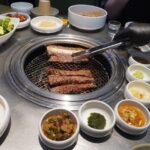
Let’s talk about the anchor foods. Banchan is the concept—small side dishes that show up with your main. It’s how Koreans build a meal around balance: something salty, something fermented, something crunchy or hot, and usually at least one dish that gives you a new texture every few bites.
Then bibimbap brings it together. It’s not just a bowl of rice and toppings. The real point is mixing: sweet and savory sauces, vegetables with bite, often a protein, and the way things change as you stir. On a good Seoul food day, you taste components separately at first, then notice how the overall flavor changes when you combine everything.
This tour is designed so you don’t treat banchan and bibimbap like museum items. You’re eating them in a city context—near bustling areas, historic routes, and neighborhoods where food has been made the same way for a long time.
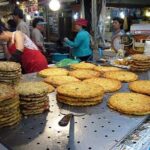
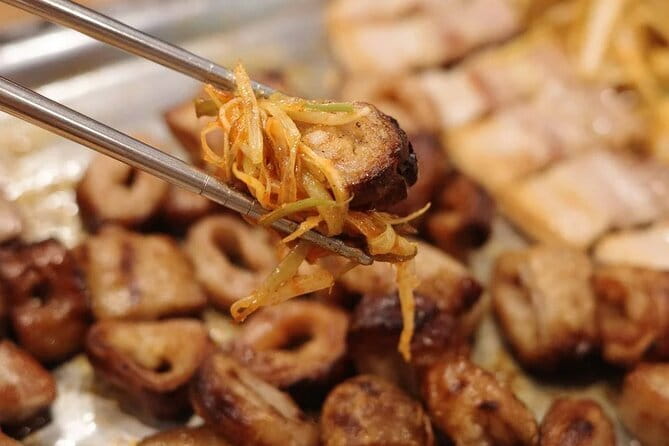
If you’re worried you’ll only get “typical tourist Korea” food, you’ve got reason to feel better. Past menu highlights from comparable walk days include dishes like hearty chicken noodle soup and Korean beef served in more than one style, plus standouts such as steak tartare with a so-called magic sauce. You should treat that as the kind of variety the tour aims for, not a fixed guarantee of the exact same dishes every time.
Stop 1: Dongdaemun Gate (Heunginjimun) And The Seoul-Style Welcome
You begin at Dongdaemun Gate, also known as Heunginjimun, one of Seoul’s Eight Gates. Built in the late 14th century, it’s a reminder that Seoul’s street life is tied to defense, trade routes, and city movement. Even if you’re not a history nerd, it helps your brain understand why food cultures develop where they do: people need places to enter, exit, meet, and feed themselves after busy days.
Practically, it’s also a good first stop because it sets the tone early without exhausting you. The time window is about 1 hour, and the admission is free on this part of the route, which helps keep the day easy on your wallet.
The “consideration” here is simple: you’ll likely be standing and walking a bit. If you’re visiting during hot weather or rain, plan a light layer and bring something for wet shoes.
Stop 2: Dongdaemun Design Plaza (DDP) For Modern Seoul Energy
After the gate, you move toward Dongdaemun Design Plaza (DDP), the futuristic building designed by Zaha Hadid. DDP has a way of making Seoul feel like it’s sprinting into the future, even while you’re still in the center of older neighborhoods.
The tour allocates about 30 minutes here, and admission is free, so you’re not spending your whole day inside museums. Instead, you get enough time to wander open spaces, take photos, and use it as a transition point—from the gate’s grounded past to the city’s modern pace.
Food-wise, DDP matters because it’s part of the same ecosystem as the eating you’ll do later. Seoul’s food scene isn’t stuck in one era. It moves with fashion, design, and the kinds of new places that still depend on Korean taste traditions underneath.
Stop 3: Cheonggyecheon Stream At Night-Like Pace
Next is the Cheonggyecheon Stream, a scenic walking route that runs through the wider Dongdaemun/Jongno area. The best thing about this part is the reset. Even when you’re already excited about food, your legs and senses need breathing room.
The tour gives you about 1 hour, and admission is free. If you’re the type who gets stressed by tightly scheduled days, this stop is a gift. The water and lights (especially in the evening) can turn a fast pace into something calmer, even if you’re still moving toward the next meal.
Practical tip: wear comfortable shoes. This part is easier than climbing stairs, but it still adds distance to a walking day.
You can also read our reviews of more tours and experiences in Seoul
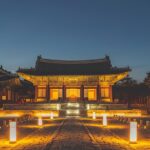
Stop 4: Gyeongbokgung Palace For The Big Picture Behind Korean Table Culture
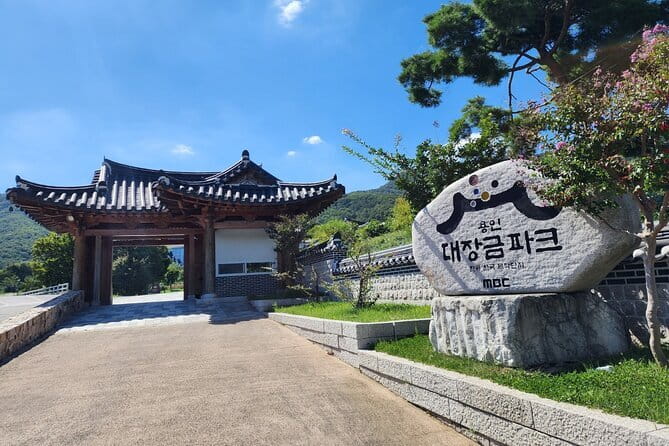
Then comes Gyeongbokgung Palace, one of Korea’s grandest palaces and a major Joseon Dynasty royal site. You get about 1 hour here, and admission is free according to the tour details.
This is where the tour’s “food meaning” starts to feel real. Korean cuisine isn’t only about flavors; it’s also about how societies organized labor, preserved food, and built rituals around dining. When you’re standing in a royal setting, it’s easier to understand why court traditions influenced what later became mainstream habits.
It’s also a strong visual contrast to the earlier modern DDP stop. You’re not just chasing photo angles; you’re moving through layers of Seoul—power, design, trade routes, then back to everyday food.
If you hate crowds, aim for calm timing and stay flexible. Palace areas can get busy, and your actual pace depends on the day’s foot traffic.
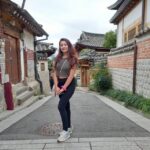
Stop 5: Bukchon Hanok Village For Streets That Still Feel Human
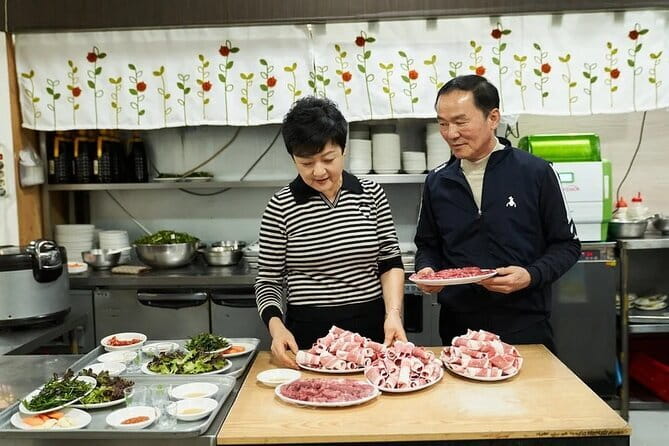
You end this major sightseeing loop at Bukchon Hanok Village, a neighborhood of preserved hanok—traditional Korean houses. You’ll spend about 30 minutes here, with free admission noted for this segment.
Why Bukchon matters for a food tour: it’s not just pretty architecture. It’s the physical layout that shapes how people live and how food spreads. Narrow alleys create neighborhood rhythms. Restaurants in these kinds of areas often become landmarks because the community supports them over decades.
The views are also a bonus. Bukchon tends to reward slow walking, not rushing. Since this stop is shorter, it’s best used to take in the atmosphere rather than treating it like a checklist.
Price And Value: What $195 Buys You In Real Terms
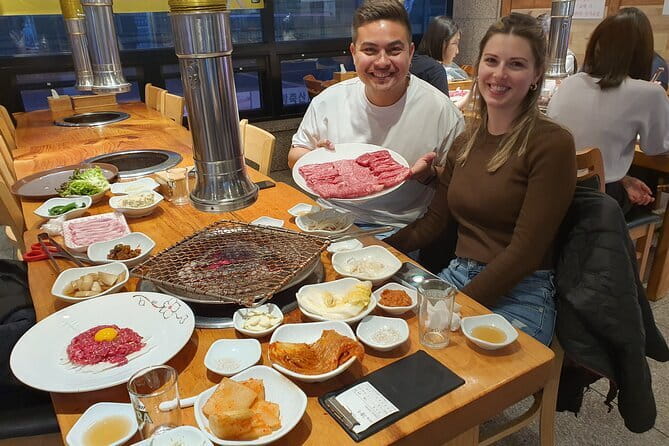
At $195 per person, this tour can look pricey until you break down what’s included. You’re paying for a licensed guide, a full food plan (not just small tastes), and guided movement across multiple major areas.
Here’s what the tour includes:
- Licensed guide
- Dinner
- Snacks
- Bottled water
- Alcoholic beverages
- Mobile ticket
- No private transportation (so you’ll rely on public transit or walking between points)
In a city like Seoul, paying for guided access to meals plus a guide who can explain what you’re eating tends to be good value—especially when you don’t have to figure out where to go for each bite. And because several of the major sightseeing segments listed are free, more of your money stays focused on the experience itself instead of entrance fees.
One more “value” angle: this tour is private for your group. Private doesn’t always mean fancy. Here it usually means less waiting around, better flow, and a better chance to ask food questions without feeling like you’re competing with the crowd.
What You’ll Get Most: Food, Story, And Enough Time To Not Feel Rushed
The highest praised aspect across the experience is the balance of food and explanation. On days like this, the guide’s role isn’t just naming dishes. It’s connecting history and culture to the way Korean meals work—why banchan shows up, why flavors hit the way they do, and how Seoul’s influences shaped its own style.
Another big win is variety and quantity. The meal plan includes dinner and snacks, and the tour format is designed for tasting plenty without turning into a snack-only crawl. You’ll likely leave feeling like you ate a real day of food, not just sampled a few bites.
Finally, the tour tends to feel human. The vibe described in strong ratings is that it doesn’t feel stiff. The best tours like this make it easier to relax. You walk, you eat, you ask questions, and you keep moving with a guide who helps the day feel effortless.
Who Should Book This Seoul Food Tour (And Who Might Want Something Else)
Book this if you:
- Want a food-first Seoul day that still includes major sights in Dongdaemun and Jongno
- Like your meals explained in a straightforward way—food tied to culture, not food trivia
- Prefer guided structure so you don’t waste time figuring out what to eat next
Consider another option if:
- You dislike walking. This is a walking-based day with several sightseeing stops.
- You don’t drink alcohol. Alcoholic beverages are included, so you’ll want to plan how you’ll handle that.
- You want only one neighborhood. This tour spans multiple areas, so it’s broader rather than hyper-local in a single block.
If you’re a first-timer, this works as a strong orientation: you get both the iconic scenery and the food logic that makes Seoul’s cuisine feel less mysterious.
Should You Book Seoul Food: Banchan, Bibimbap, And Beyond?
Yes, if you want a practical, tasty introduction to Seoul that doesn’t treat food like a souvenir. The biggest reason to book is value: you get dinner, snacks, bottled water, and a licensed guide while also seeing major highlights like Dongdaemun Gate, DDP, Cheonggyecheon, Gyeongbokgung, and Bukchon Hanok Village.
The second reason is the way the tour seems to connect themes. It’s not only eating; it’s understanding why the food looks the way it does and how Seoul’s cultural remixing shows up on your plate.
If you’re sensitive to crowds or tired feet, just go in prepared with good shoes and a calm mindset. You’ll get more from the day if you treat it as a slow-to-medium pace food walk, not a sprint through landmarks.
FAQ
What time does the tour start?
The tour starts at 1:00 pm and ends back at the meeting point.
Where do I meet the guide?
Meet at JW Marriott Dongdaemun Square Seoul, located at 279 Cheonggyecheon-ro, Jongno District, Seoul, South Korea.
How long is the experience?
It runs for about 5 hours.
Is the ticket mobile?
Yes. The tour includes a mobile ticket.
What’s included in the price?
The price includes a licensed guide, alcoholic beverages, bottled water, dinner, and snacks.
What’s not included?
The tour details note that private transportation is not included.
Are the sightseeing admissions included?
For the listed stops, admission is noted as free for Dongdaemun Gate (Heunginjimun), DDP, Cheonggyecheon Stream, Gyeongbokgung Palace, and Bukchon Hanok Village.
Can I cancel for a full refund?
Yes. You can cancel up to 24 hours in advance for a full refund.
Is this a private tour?
Yes. It’s private, meaning only your group participates.