REVIEW · SEOUL
Seoul: Korea Dark History Tour at Seodaemun Prison
Book on GetYourGuide →Operated by Mutual Trip · Bookable on GetYourGuide
Two stops, one unforgettable struggle. I love the way Independence Gate sets the tone for self-determination, and the Seodaemun Prison cells turn big historical ideas into something you can see and feel. The drawback: this tour is emotionally intense, so you should be ready for the darker side of modern Korea.
You’ll cover the route at a human pace with a small group (up to 10) and a live guide in English with Japanese optional. The tour runs about 2 hours, with roughly 20 minutes at Dongnimmun Gate and 100 minutes inside the Seodaemun Prison History Hall.
In This Review
- Quick hits before you go
- Why Seodaemun Prison and Independence Gate belong together
- Dongnimmun Gate: your first 20 minutes of context
- Seodaemun Prison History Hall: where the story becomes physical
- Yu Gwan-sun: the human thread through political struggle
- What the guide brings to the experience (and why it matters)
- Timing and pacing: 2 hours that don’t feel rushed
- Walking logistics in real life: shoes, weather, and focus
- Price and value: what $31 buys you in practice
- Who this tour is best for (and who should skip it)
- What to do before and after the tour
- Should you book the Seoul Dark History Tour at Seodaemun Prison?
- FAQ
- How long is the Seoul Dark History Tour at Seodaemun Prison?
- How many people are in the group?
- What languages are offered?
- What is included in the tour price?
- What is not included?
- Where does the tour start and where does it end?
- Is the tour suitable for wheelchair users?
- Are alcohol and drugs allowed during the tour?
- Is there free cancellation, and can I pay later?
Quick hits before you go
- Independence Gate + Seodaemun Prison as one story: symbolism outside, preserved cells inside.
- A guide-led visit, not a self-tour: built around explanation and reflection.
- Yu Gwan-sun is part of the route: you’ll hear her story as a key thread.
- You get time to ask questions: several comments point out how much Q&A matters here.
- Admission to Seodaemun Prison is included: you’re paying mainly for the guide + access.
- Small-group pace: easier to keep up on a short, walking-focused itinerary.
Why Seodaemun Prison and Independence Gate belong together
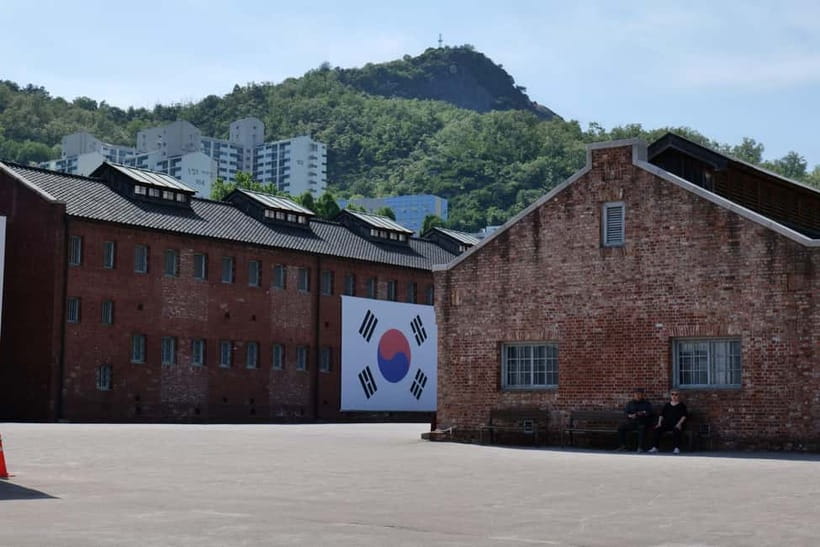
This tour works because it doesn’t treat history like a list of dates. It pairs a public monument with a carceral reality. That contrast is the point.
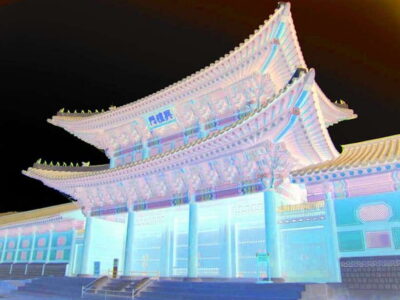
Independence Gate (Dongnimmun Gate) represents Korea’s push for self-rule and national identity. Then you go to Seodaemun Prison, where independence activists were held. When you connect those dots, you understand something important: a country’s identity isn’t shaped only by speeches and slogans. It’s also shaped by what people were willing to risk—and what happened to them when the stakes were highest.
For you, that means the walk feels purposeful. You aren’t bouncing between unrelated stops. You’re building a single storyline about independence and democracy, told through locations that still carry weight.
You can also read our reviews of more historical tours in Seoul

Dongnimmun Gate: your first 20 minutes of context
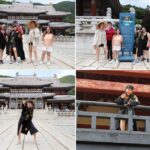
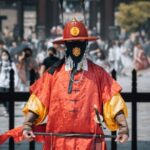
The tour starts with a guided visit at Dongnimmun Gate for about 20 minutes. Even if you’ve seen the gate area before, the value here is that you’re not just looking at stone. You’re learning the symbolism—why this site matters as a marker of self-determination.
This is a good warm-up stop. It helps your brain switch gears from city sightseeing to historical thinking. Instead of walking into the prison with only general knowledge, you walk in with a frame: what independence meant, and why it needed a fight.
Practical note: because this is a gate area, there’s usually some uneven pedestrian flow around it. Comfortable shoes matter more than you’d think for a short tour. Also, if you’re sensitive to intense topics, Dongnimmun Gate is where you’re likely to feel the tonal shift coming.
Seodaemun Prison History Hall: where the story becomes physical
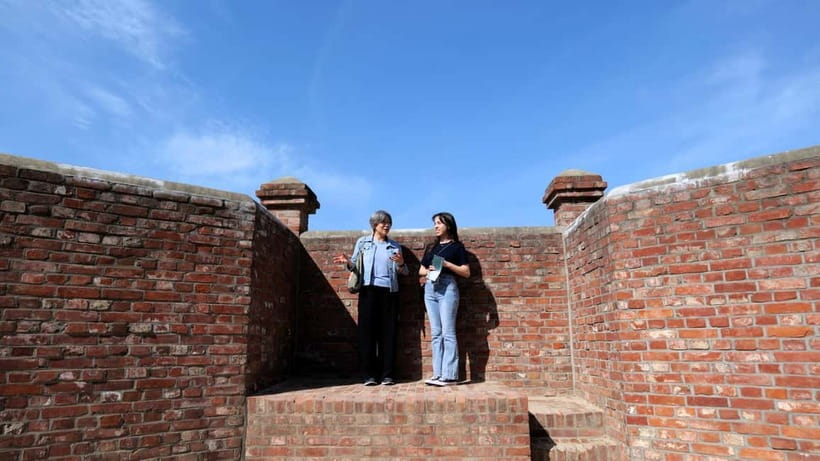
The main portion of the tour is the Seodaemun Prison History Hall, with about 100 minutes guided on site. This is the heart of why people book.
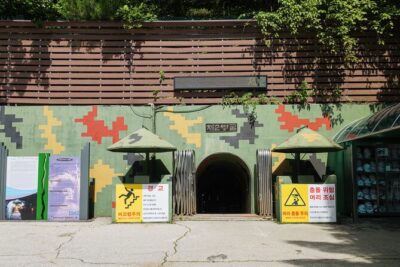
Seodaemun Prison is preserved in a way that lets you picture what confinement meant in daily, physical terms. The tour focuses on the prison cells and the broader context of activists who were detained there. You’re not just hearing about oppression in abstract language. You’re seeing the structure that shaped people’s experiences.
This is also where the guide’s storytelling really matters. A good guide won’t just point and name. They’ll help you connect architecture to human outcomes: where someone might have been held, how the space communicated control, and how imprisonment fit into the larger struggle for independence and democracy.
The tone is heavy. The tour info is clear about it being emotionally intense, and that matches what you should expect. If you know you get overwhelmed easily, plan for a slower day afterward.
Yu Gwan-sun: the human thread through political struggle
One of the most memorable parts of this route is the story of Yu Gwan-sun, a 17-year-old student who became a national symbol of courage. The tour uses her story to make the era feel personal instead of distant.
For you, that’s a big deal. Prison history can become numbers and labels if you aren’t careful. When a guide brings it back to a specific life—age, role, and what she represented—it helps you understand why the events mattered to real people, not just to governments.
It also changes how you read the sites. Independence Gate becomes more than a monument. Seodaemun Prison becomes more than a building. Together, they turn into a story about agency, sacrifice, and what it costs when a nation pushes for freedom.
What the guide brings to the experience (and why it matters)
This tour is only two hours, and it could easily feel like a quick stop if the guide doesn’t bring it to life. The best thing about this experience is that it is clearly structured around explanation and perspective, not just admission and photos.
A strong example from the guide roster is Bae Jung-hui, who has been praised for clarity and for making people feel welcome from the start. Multiple comments highlight how she explains details in a way that lands, plus how generous she is with answering questions. One note even mentioned a small kindness like sharing a UV umbrella, which tells you the vibe is personal, not robotic.
English and Japanese are both offered (Japanese is listed as optional in the info), and the guide’s ability to handle language smoothly is a core part of the value. If you’re going with someone who prefers Japanese, it’s worth choosing the language option that matches your comfort level. Better understanding usually means a more meaningful visit—especially with sensitive material.




Timing and pacing: 2 hours that don’t feel rushed
At 2 hours, this tour is short enough to fit into a busy Seoul day, but long enough to matter. You get:
- about 20 minutes at the gate orientation,
- about 100 minutes at Seodaemun Prison History Hall,
- with the rest of the time spent moving between points and transitioning with the guide.
This pacing is a sweet spot. Too short and you’d miss the emotional context. Too long and it becomes draining. Here, you get enough time for the story to build, then you leave with something you can actually remember.
Also, because this is a small-group walk capped at 10 people, you’re less likely to feel lost in a crowd. You’re more likely to hear the guide clearly and keep up without constantly stopping to catch your bearings.
Walking logistics in real life: shoes, weather, and focus
This is a walking-based tour with preserved-site viewing, so you’ll want to be comfortable. The guidance is simple: wear comfortable walking shoes.
Weather can change how the experience feels. Even when the tour isn’t long, you can still end up standing and looking at exhibits and spaces inside the prison hall. If you’re visiting in hotter months, bring water even though meals and drinks aren’t included. The tour info doesn’t list any drink breaks, so you’ll feel better if you’ve already planned for hydration.
One more mindset tip: because the subject is dark, bring your attention the way you’d bring it to a museum exhibit you truly want to understand. If you’re multitasking with phone scrolling, you’ll miss the points the guide is aiming for—especially the symbolism thread from Independence Gate into the prison.
Price and value: what $31 buys you in practice
At $31 per person for about 2 hours, the price makes sense when you separate costs. You’re paying for:
- a guided tour,
- and admission to Seodaemun Prison.
If you tried to do it alone, you might handle the gate and then buy a ticket for the prison. But the main value here is the guided narrative. The route is designed as a story: independence and democracy, resistance and resilience, and how a national identity is shaped through struggle.
So the question isn’t whether you’re paying for entry. The question is whether you’re paying for interpretation—and for emotional context that’s hard to piece together on your own. Based on the guide-focused comments and the structure of the tour, you’re buying that explanation time.
If you like learning from people, not just reading signs, this is one of those tours where the cost tends to feel fair.
Who this tour is best for (and who should skip it)
This tour is a great match if you:
- care about modern Korean identity and the independence movement,
- want context that connects monuments to lived experiences,
- enjoy expert storytelling and time for questions,
- prefer a small group rather than a large bus-style visit.
It’s less ideal if:
- you need wheelchair access (the tour info says it is not suitable for wheelchair users),
- you want a light, carefree sightseeing day (it’s described as emotionally intense),
- you’re looking for a casual photo tour rather than an interpretive walk.
Also, note the rules: alcohol and drugs are not allowed. That’s standard, but it matters for comfort and tone. You’ll likely feel the tour is intentionally serious.
What to do before and after the tour
Before you go, take five minutes to decide what you want to carry out of the experience. Is it the independence movement? Is it the role of youth activism? Is it how democracy was fought for in real conditions? When you enter with a focus, the guide’s connections will feel tighter.
After the tour, give yourself a buffer. Dark topics can linger, even when you’re satisfied you learned something important. I’d avoid cramming something stressful right afterward. Instead, plan a calmer meal nearby or a slower walk where you can process what you just learned.
If you’re traveling with someone, this is also a tour where talking matters. The structure invites reflection, and it’s easier to process the meaning together than alone.
Should you book the Seoul Dark History Tour at Seodaemun Prison?
If your idea of a great Seoul day includes meaningful context and you can handle heavy topics, you should book this tour. Independence Gate sets the theme, and Seodaemun Prison gives it body. The guide-centered format is the real engine here, and the small group size keeps it personal.
Skip it only if you need a wheelchair-friendly option or if you know you’re not up for emotionally intense history right now. Otherwise, this is one of the most focused ways to understand how Korea’s identity and democratic ideals were shaped through resistance—using places that still carry the story in their walls.
FAQ
How long is the Seoul Dark History Tour at Seodaemun Prison?
The tour lasts about 2 hours.
How many people are in the group?
The group is small, limited to 10 participants.
What languages are offered?
The guide provides live tours in English and Japanese (Japanese is optional).
What is included in the tour price?
The tour includes a guided tour and admission to Seodaemun Prison.
What is not included?
Meals and drinks are not included, and transportation to/from the attractions is also not included.
Where does the tour start and where does it end?
There are two possible starting locations (102-55 and 102-6), and the tour finishes at 102-6. The meeting point may vary depending on the option booked.
Is the tour suitable for wheelchair users?
No, it is not suitable for wheelchair users.
Are alcohol and drugs allowed during the tour?
No, alcohol and drugs are not allowed.
Is there free cancellation, and can I pay later?
Yes. You can cancel up to 24 hours in advance for a full refund, and there is a reserve now & pay later option (you can book and pay nothing today).