REVIEW · SEOUL
Seoul: Deoksugung Palace Heritage Walking Tour
Book on GetYourGuide →Operated by S.A. Seoul · Bookable on GetYourGuide
Palace streets, foreign footsteps, one smart walk. This Deoksugung Palace heritage tour makes Seoul feel less like random sightseeing and more like one connected story, thanks to Jeongdong-gil’s foreign missionary and embassy landmarks mixed right into the route.
What I like most is how the guide ties places to the big shifts in Korea’s late Joseon era and the country’s opening to the world. You’ll also get real value for time because your tour includes pre-booked entry for Deoksugung Palace and Donuimun Museum Village, so you spend more minutes looking and listening and less time sorting tickets.
One thing to plan for: this is a walking tour. You’ll want comfortable shoes, you won’t be served food as part of the tour, and a short café break is the main pause.
In This Review
- Key highlights to look for on this Seoul heritage walk
- Starting at City Hall Station: you’ll get your bearings fast
- Deoksugung Palace: Joseon power, plus hints of Western-era change
- What to watch for while you’re inside
- A small timing reality
- Jeongdong-gil: the street that explains Korea’s turn outward
- Why this feels different from a typical city walk
- Consider this
- Donuimun Museum Village: 1900s to 1980s Seoul, in real preserved homes
- What the guided time adds
- Timing note
- Gwanghwamun Square: the government corridor, explained in plain terms
- Why I think this stop is worth your time
- Cheonggyecheon: where an old drainage ditch turned into a walking-friendly Seoul
- What to expect during the walk
- Guide quality: what makes the tour feel worth $56
- Price and value: is $56 a fair deal for 3 hours?
- Who this tour suits best (and who should think twice)
- Practical tips so you enjoy every step
- Should you book the Deoksugung Palace Heritage Walking Tour?
- FAQ
- FAQ
- How long is the Seoul Deoksugung Palace Heritage Walking Tour?
- Where does the tour start and what is the meeting point?
- What is included in the price?
- Is food or drinks included?
- What should I bring for this experience?
- Is it offered in English?
- Is there an option for a private group?
Key highlights to look for on this Seoul heritage walk
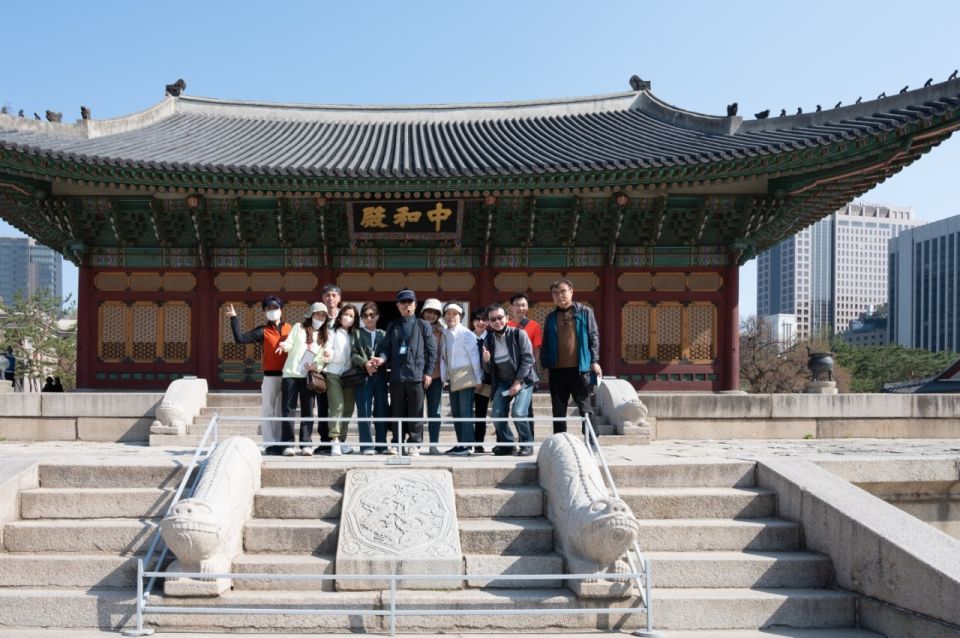
- Deoksugung Palace: a late Joseon palace that gained major importance during the 1592 Japanese invasion
- Jeongdong-gil landmarks: Paichai Academy, Chungdong First Methodist Church, the Russian Embassy, and Gyeonggyojang
- Donuimun Museum Village: preserved homes from the 1900s through the 1980s (40 out of 63 houses)
- Gwanghwamun Square: the government-corridor idea explained with stories behind the monuments
- Cheonggyecheon: a walk along the restored stream that once was an ugly drainage ditch
Starting at City Hall Station: you’ll get your bearings fast
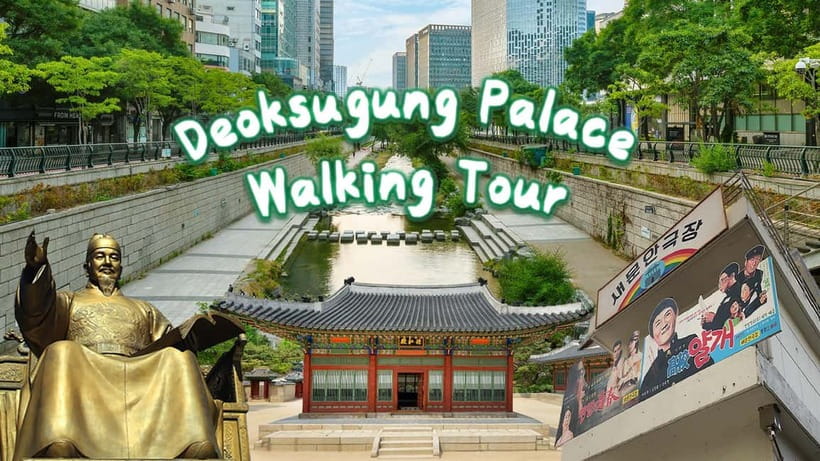
The walk starts at City Hall Station, Exit 2, at the Deoksugung Palace ticket office area. That’s a practical choice: City Hall is central, so it’s easier to arrive without a stressful transit scramble. You also avoid the common problem of wandering around the palace perimeter trying to find the right entrance.
Because the tour is built around walking, you’ll want to show up with your legs ready and your head tuned in. I like these kinds of routes where the guide sets the theme early, so you don’t just collect photos—you connect details you see later.
If you’re doing the private group option, the pace tends to feel more flexible. If you’re in a group, it still stays manageable since the tour includes guided time at each key stop.
You can also read our reviews of more walking tours in Seoul
Deoksugung Palace: Joseon power, plus hints of Western-era change
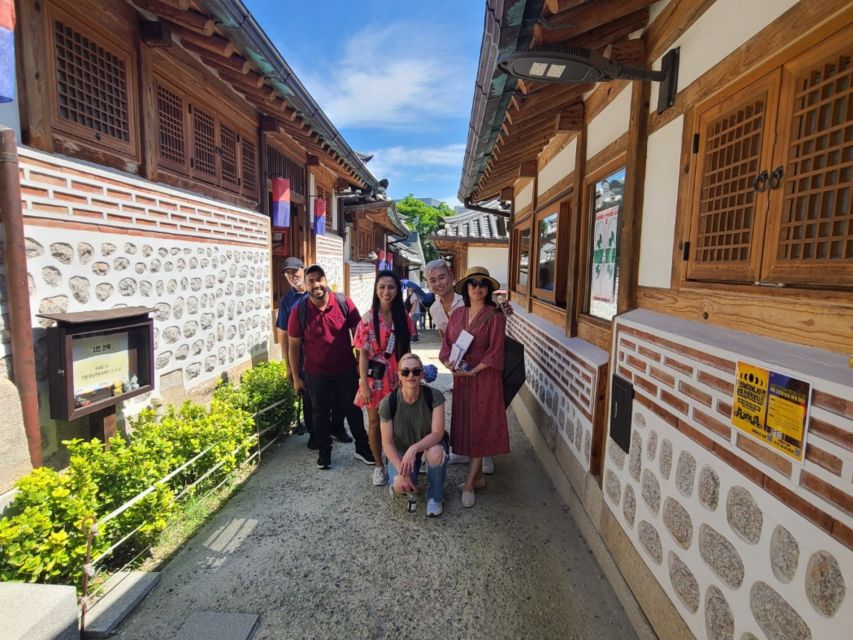
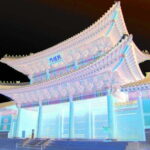
Deoksugung Palace is the anchor of the whole experience. The guide sets the stage with what it meant in the late Joseon Dynasty—originally tied to a royal relative’s residence, then becoming a principal palace during the 1592 Japanese invasion. That context matters because it explains why the palace isn’t just pretty architecture. It’s tied to decisions, pressure, and survival at the highest level.
You’ll also get that mix of Korean and Western elements the tour is known for. Even if you don’t know what you’re looking at at first, your guide frames what’s different and why it shows up here. That turns confusing sight differences into something you can actually interpret instead of just photographing and forgetting.
What to watch for while you’re inside
Deoksugung is where you’ll start noticing how the late Joseon period gets legible through stories. Focus less on memorizing names and more on patterns the guide points out: what changed, what stayed, and how world events found their way into palace life.
A small timing reality
The time here is long enough to walk key areas without rushing, but it’s still a set-window visit. If you stop to read every sign on your own, you’ll feel the clock a bit. I’d keep your eyes open for what the guide highlights most.
Jeongdong-gil: the street that explains Korea’s turn outward
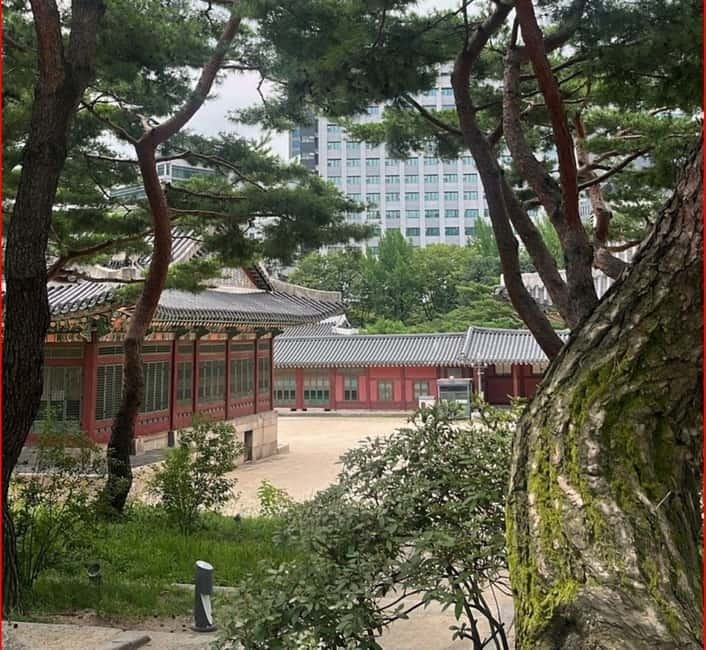
After the palace, the route shifts into Jung-gu streets, and Jeongdong-gil is the star of that part of the walk. This is where the tour goes beyond palace walls and shows how Korea’s relationship with the wider world took shape in the everyday urban landscape.
Jeongdong-gil is described as the original location of major foreign missionary institutions that helped shape modern Korea, along with prominent foreign embassies. That combination is what makes the walk interesting. You’re not only seeing heritage buildings—you’re seeing how ideas traveled and took institutional form.
Your guide will point out specific stops along the road, including Paichai Academy, Chungdong First Methodist Church, the Russian Embassy, and Gyeonggyojang. Even without deep background, these names give you a roadmap. They show that the history here isn’t abstract; it’s written into schools, churches, diplomatic buildings, and the institutions that grew around them.
You can also read our reviews of more historical tours in Seoul
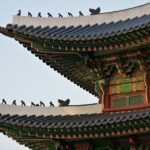
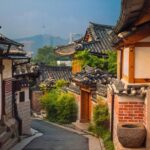
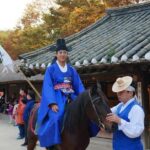
Why this feels different from a typical city walk
A lot of Seoul walks focus on one era or one type of landmark. Jeongdong-gil feels like a corridor of influence, where Korea’s modernization story is reflected through foreign-run or foreign-involved institutions. It helps you understand why later developments make sense.
Consider this
This segment can include more street-level viewing than palace-style “stand here and look.” If you’re expecting constant indoor explanation, pace may feel a bit more like moving and listening. The upside is you get atmosphere—local street life—while the guide keeps the historical thread intact.
Donuimun Museum Village: 1900s to 1980s Seoul, in real preserved homes
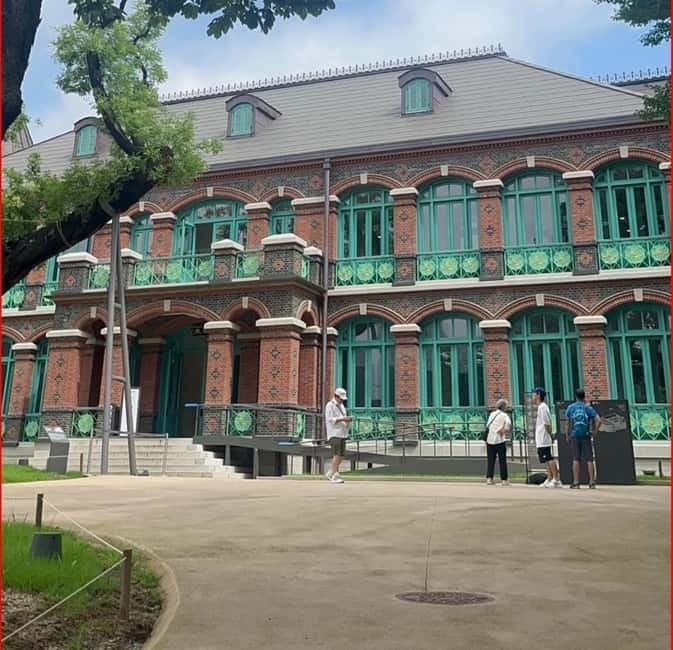
Next comes Donuimun Museum Village, an outdoor district designed to show Seoul architecture across time. You’ll see homes from the 1900s up to the 1980s, with the village founded in September 2017. The preservation detail is part of why the place feels grounded: 40 out of 63 houses in the historic Saemunan area were preserved.
What I like about this stop is that it’s not only about the past—it’s about how daily life changes. Palaces explain power. Jeongdong-gil explains influence. Donuimun Museum Village explains housing, scale, and the lived environment of different decades.
What the guided time adds
Because it’s guided, the explanation doesn’t stay at “this building is old.” The guide helps you notice the differences across periods and connects them to the city around them. Even if you’re not an architecture nerd, you’ll likely catch the big takeaways quickly: how households adapted, and how neighborhoods carried history forward through design.
Timing note
This visit is shorter than a full museum day, so you’ll move efficiently. That’s a plus if you want heritage without burning half your sightseeing day.
Gwanghwamun Square: the government corridor, explained in plain terms
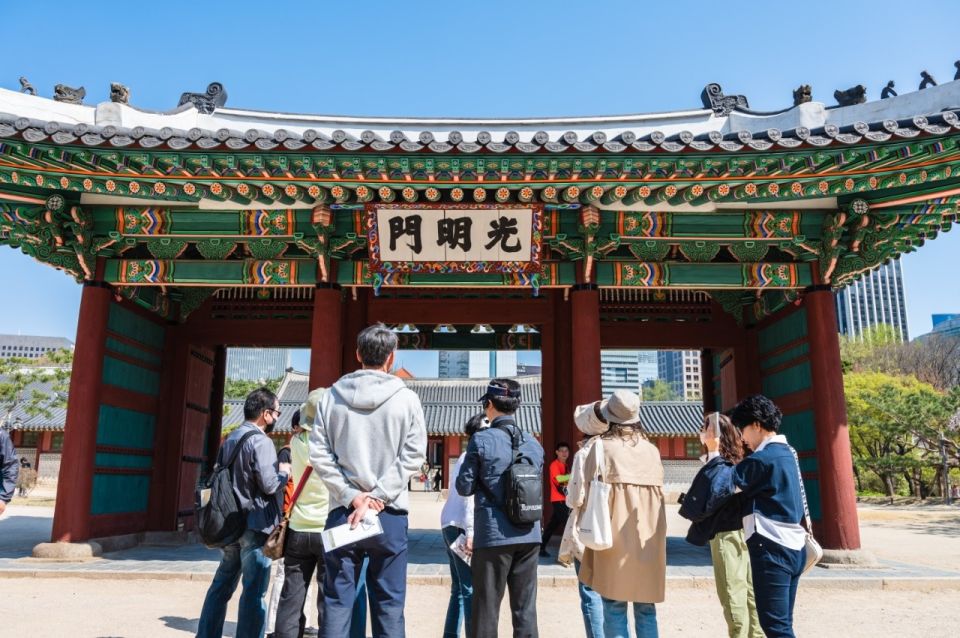
Gwanghwamun Square is one of those places that can feel like a backdrop—until someone connects it to Korea’s civic story. Here, the tour focuses on the government corridor concept and explains the stories behind famous monuments and statues.
You’ll walk through this central hub and learn how the monuments represent pivotal moments in Korea’s journey, plus how they link back to cultural values. This is where the tour’s theme of connecting past and present gets especially useful. Instead of treating statues as photo props, you understand them as symbols with meaning attached.
Why I think this stop is worth your time
If you’ve only seen Gwanghwamun from a distance, it can feel like big-city scenery. With a guide, you start noticing lines of sight, layout logic, and what the space is meant to communicate. It turns “I walked through a famous square” into “I learned why the square looks this way and what it’s trying to say.”
Cheonggyecheon: where an old drainage ditch turned into a walking-friendly Seoul
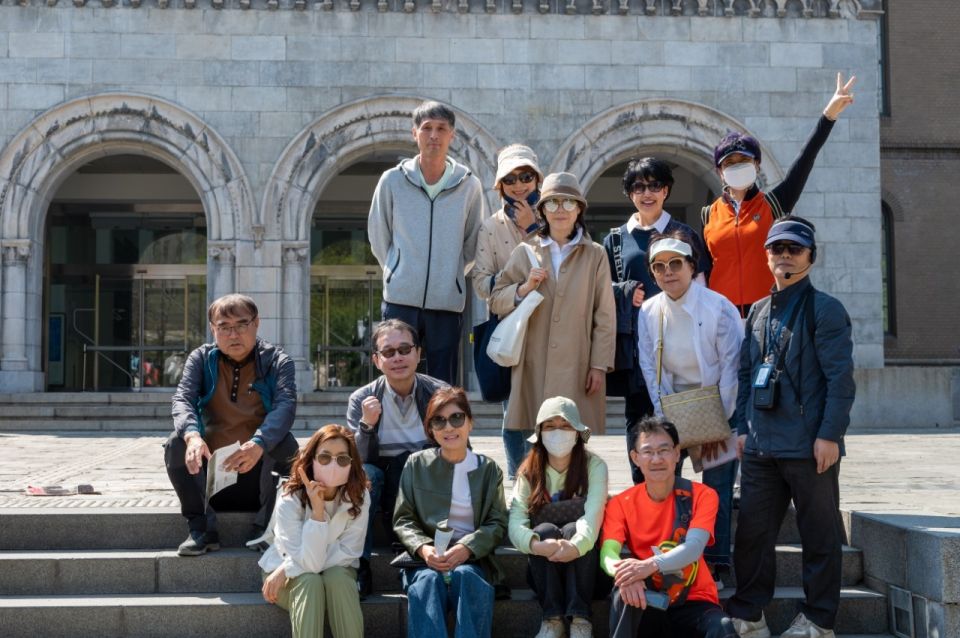
The tour ends with a walk along Cheonggyecheon, the renovated stream area that was once an unsightly drainage ditch. Today it’s a major cultural focus, lined with sculpture pieces, restaurants, and cafés, and it hosts festivals at different times of the year.
Even if you visit on an ordinary day, the guide helps you see how cities transform when they decide they want public space to matter. This part of the tour is a nice contrast: you go from institutional buildings and monuments to water, walkways, and everyday urban rhythm.
What to expect during the walk
This is a stroll section that feels more relaxed than the museum and palace stops. It’s also a great way to end because you can process everything you learned. You’re not rushing into another “big” site right away—you’re using a calmer space to let the story sink in.
Guide quality: what makes the tour feel worth $56
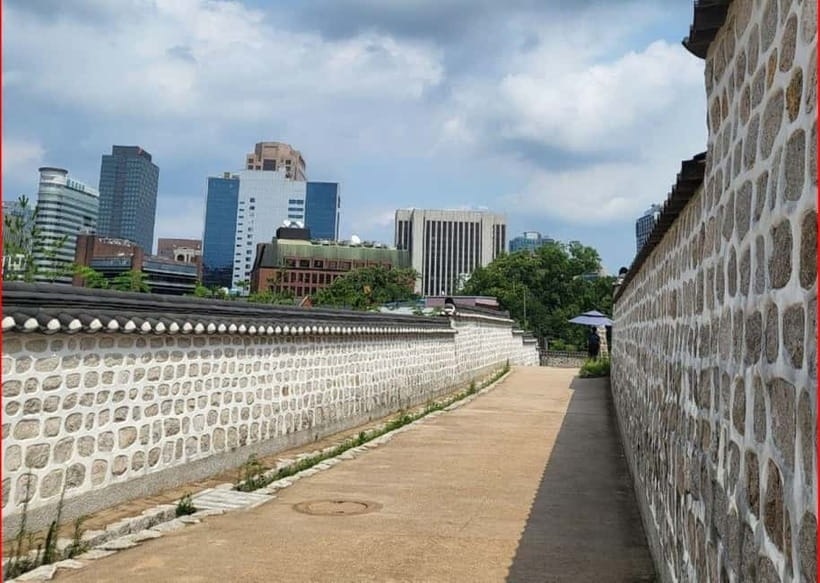
The difference-maker here is the guide. On a historical Seoul tour, you can spot the difference between someone who recites facts and someone who can answer follow-up questions.
In one experience, the guide named Mitch stood out for being extremely prepared and able to answer questions beyond the exact sites—things like working culture and the school system in Korea. That kind of broader context matters because it helps you connect the historical dots to how life works today. It’s also a sign the guide understands that your curiosity won’t stop at palace gates.
If you’re traveling solo, I especially like that you still get a guided, story-driven path without needing to join a massive group. And if you want a private group, you can aim the conversation more directly at what you care about—history, culture, or the way foreign influence shows up in Seoul’s built environment.
Price and value: is $56 a fair deal for 3 hours?
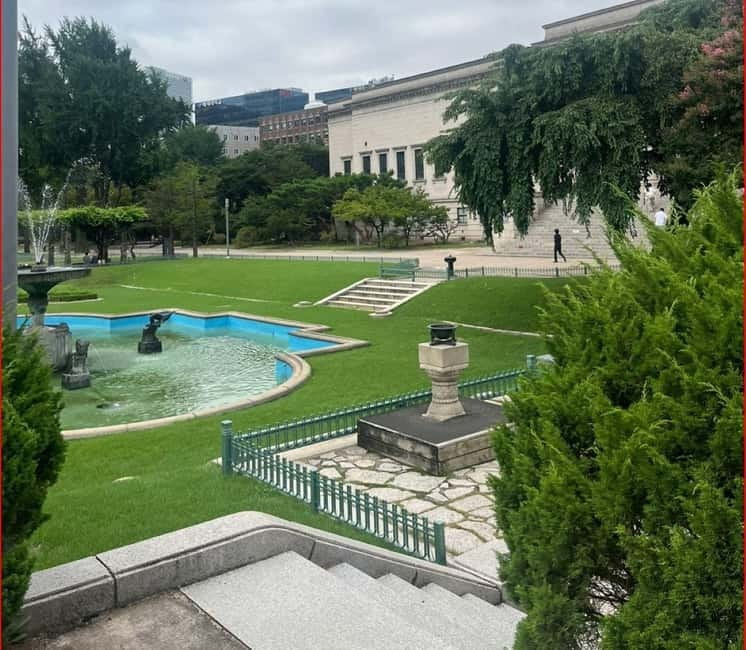
$56 per person for a 3-hour guided walking tour isn’t cheap, but it’s not random pricing either. The tour includes an English-speaking historical guide and entrance ticket coverage. It also uses pre-booked tickets for Deoksugung Palace and Donuimun Museum Village, which reduces friction and saves you from last-minute ticket hassles.
You’re also getting more than one “kind” of sight. Deoksugung Palace covers royal power and major historical shifts. Jeongdong-gil adds the missionary and embassy story. Donuimun Museum Village provides an architecture-and-housing time-lapse. Then Gwanghwamun Square and Cheonggyecheon tie the past to Seoul’s modern urban identity. That variety is what helps the price feel justified.
Transportation isn’t included, so you’ll want to budget your own subway or transit time. Still, the central start point at City Hall helps keep costs and stress reasonable.
Who this tour suits best (and who should think twice)
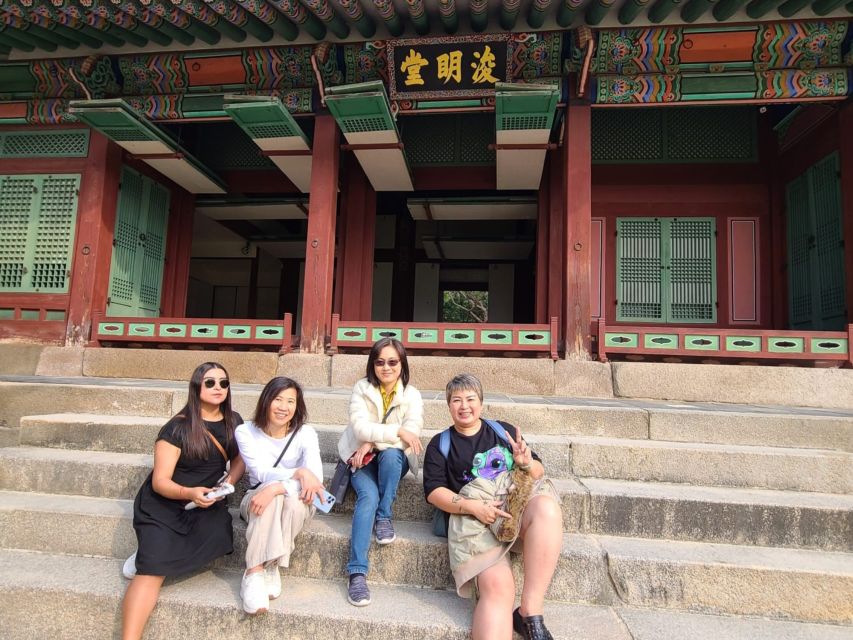
This tour is a strong match if you like guided storytelling and you want to understand Seoul beyond postcard landmarks. I’d put it at the top of your list if you’re curious about how Korea opened to the world and how foreign institutions left visible marks in the city.
It also works well for history-minded travelers who enjoy walking routes and short guided stops. The format keeps momentum, so you’re not stuck in one site for hours.
Think twice if you dislike walking or if you want lots of free time. The schedule moves from palace to street history to an outdoor village, then into monuments and a stream walk. You’ll get breaks—there’s even a 15-minute café stop—but it’s still a walking-focused experience.
Practical tips so you enjoy every step
Start with the obvious: wear comfortable shoes. The tour is on foot, and you’ll be standing as well as walking during palace and monument explanations.
Bring a way to contact the tour on the day of departure. The tour information notes you should have an instant messaging method for emergencies and location finding. If your phone is unreliable, fix that before you go.
Finally, plan around the fact that food and drinks aren’t included. There’s a short café break in the middle, but you shouldn’t assume you’ll be fed. I’d carry water and a light snack idea for peace of mind.
Should you book the Deoksugung Palace Heritage Walking Tour?
Yes—if your goal is to learn how Seoul became Seoul, not just to collect highlights. The mix of Deoksugung Palace, Jeongdong-gil’s foreign-institution landmarks, Donuimun Museum Village’s preserved homes, and the ending stroll at Cheonggyecheon is a smart way to cover multiple angles of Korean history in one compact 3-hour window.
If you’re picky about guides, this is a good bet: the best part of the experience is the way the guide answers questions and connects sites to bigger cultural shifts. And with a private group option, you can tailor the conversation more closely to what you care about.
Book it when you have decent walking stamina and you want your sightseeing guided by stories you can actually use.
FAQ
FAQ
How long is the Seoul Deoksugung Palace Heritage Walking Tour?
The tour lasts 3 hours.
Where does the tour start and what is the meeting point?
It meets in front of the Deoksugung Palace Ticket office, Exit 2 of City Hall Station.
What is included in the price?
The price includes an English-speaking historical guide and entrance tickets.
Is food or drinks included?
No. Food and drinks are not included, though there is a short local café break during the tour.
What should I bring for this experience?
Wear comfortable shoes, since it is a walking tour.
Is it offered in English?
Yes. The live guide speaks English (and also Korean).
Is there an option for a private group?
Yes, a private group is available. You can choose between a personalized private experience or a group format.