REVIEW · SEOUL
Seoul Film Camera Club
Book on GetYourGuide →Operated by Seoul Film Camera Club · Bookable on GetYourGuide
Film photography feels different in Hongdae. This 3-hour walk turns the area around Hongik University into a real-life photo set, with an automatic Canon film camera and Kodak film handed to you as you explore street scenes you normally pass by. You press the button, and the club handles the rest: developing and scanning your film, then sending a download link.
I especially like how the experience is designed for first-timers. Guide Kinam explains how the camera works in plain steps, and he also ties what you see on the streets to the neighborhood’s character, so every stop feels purposeful. I also appreciate the small group size (limited to 4 participants), which keeps the pace calm enough to ask questions and reshoot when you want.
One thing to consider: you only get one roll (36 shots). If you need lots of chances, or you want instant digital results, film has a slower, more deliberate rhythm.
In This Review
- Key highlights you will feel on the walk
- Why Hongdae works so well for film photos
- Meeting at Hongik University Exit 3 and getting your bearings
- The camera setup: automatic shooting with Kodak film
- Hongdae Street and Maze Road: where your photos actually happen
- How a 3-hour film shoot feels in practice
- Developing and scanning: your souvenir arrives after the walk
- Price and value: what you are really paying for
- Who this tour fits best (and who might prefer something else)
- Small-group pace: the hidden benefit of only four people
- Should you book the Seoul Film Camera Club?
- FAQ
- What is included in the price?
- How long is the tour?
- Where do I meet the guide?
- How many people are in the group?
- Do I get instant digital photos during the walk?
- Is food included?
Key highlights you will feel on the walk
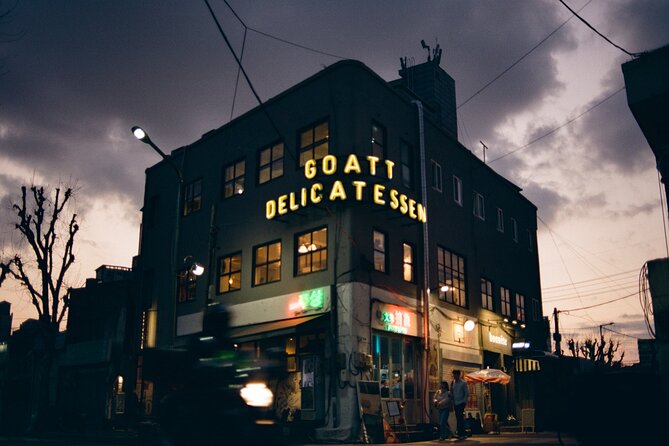
- Automatic Canon camera keeps you focused on framing instead of settings
- Hongdae + Yeonnam-dong Maze Road gives you lots of angles in a compact area
- Kinam’s local walkthrough connects street details to the neighborhood’s story
- You shoot first, then the club develops and scans for an authentic film result
- Small group of up to 4 means more personal guidance for beginners
Why Hongdae works so well for film photos
Hongdae is where Seoul shows off its creative side, and it does it in close quarters. The streets around Hongik University and Yeonnam-dong have the kind of background texture that film loves: narrow paths, layered storefronts, and small moments between bigger landmarks.
What makes this tour smart is that it is not just random sightseeing with a camera. You walk the Maze Road in Yeonnam-dong, where the street layout naturally forces you to look for small compositions. That is ideal for film, because it rewards attention instead of speed.
And because you are using Kodak film with a simple automatic camera, you are not fighting the gear. You can concentrate on the scene in front of you: a shadow across a wall, a doorway, people pausing outside a café, or the way a Korean-style house sits beside a modern street.
You can also read our reviews of more tours and experiences in Seoul.

Meeting at Hongik University Exit 3 and getting your bearings
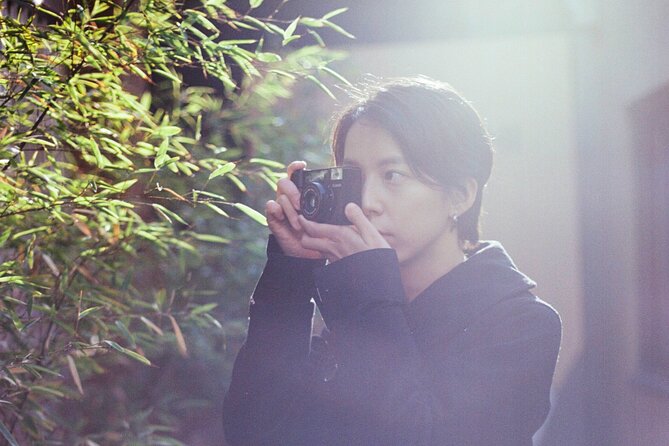
You meet at Exit 3 of Hongik University subway station, which is convenient if you are already using the metro for the rest of your Seoul days. If you like starting clean, this helps: you begin in the right area without a long transfer.
The group stays small, limited to 4 participants. In practice, that matters more than you might expect. With fewer people, the guide can slow down when you need help loading the camera or understanding what a photo will look like on film.
The tour runs for about 3 hours, which is a workable length for a walking-and-shooting activity. You are out long enough to build momentum, but not so long that you feel stuck in one neighborhood loop all day.
The camera setup: automatic shooting with Kodak film
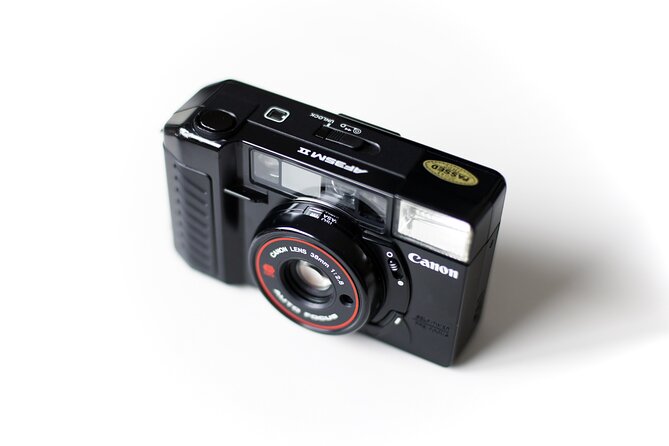
You are given an automatic Canon film camera and a single roll of Kodak film (36 shots). That one-roll limit is part of the charm and part of the discipline. You have to decide what you want to capture, and that changes your eye.
If you are new to film, this is where the tour earns its strong reputation. Kinam takes time with the basics of how the camera works so you are not guessing. When the guide explains it in a way you can follow right away, film photography stops feeling technical and starts feeling playful.
Here is the practical reality: you will likely shoot more carefully than you would with a phone. That is a good thing. It pushes you to watch light and small background details, not just grab the obvious shot.
Hongdae Street and Maze Road: where your photos actually happen
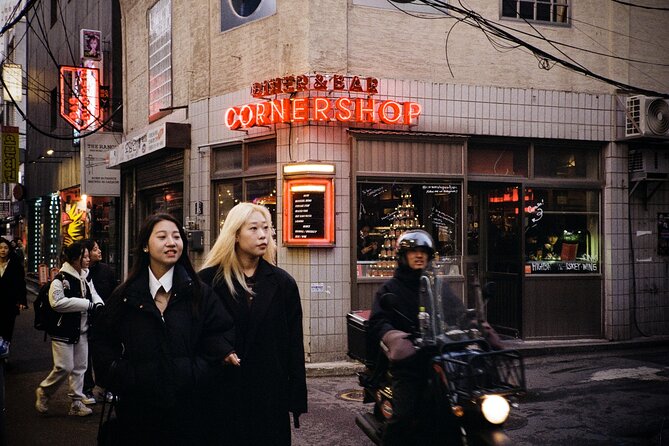
The walk focuses on Hongdae Street and the Maze Road in Yeonnam-dong, with photo stops along the way. This is not one straight march. You move through streets where angles change quickly, so you get to experiment without feeling like you are constantly relocating.
Expect to look for scenes like:
- narrow alley views that frame people and signage
- Korean-style houses and quiet street corners
- funky café exteriors and walls with character
- small street interactions that read well even without perfect staging
What is especially useful is the way Kinam connects those visuals to the neighborhood. Instead of only naming what you are seeing, he explains context that helps your photos feel like they belong to Hongdae rather than generic city snapshots. You end up understanding the area as you walk it, which makes the pictures more meaningful later.
How a 3-hour film shoot feels in practice
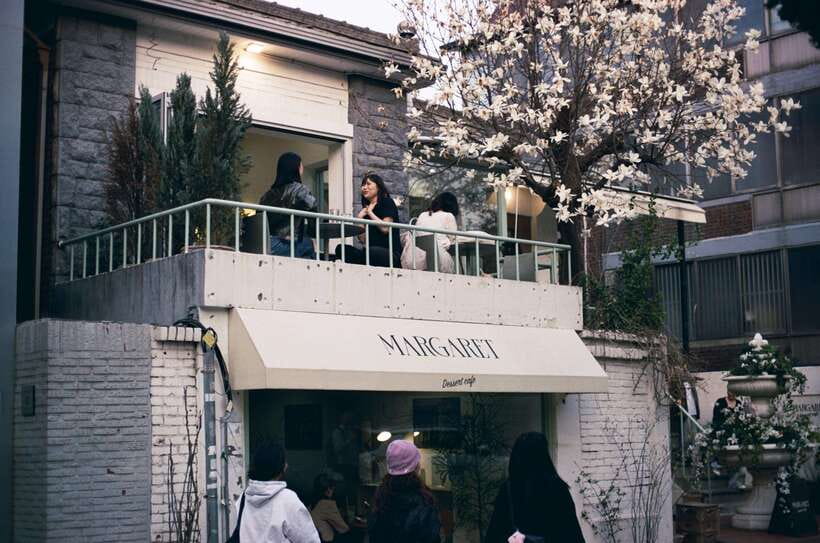
Three hours sounds short until you factor in how film changes your pace. You stop, you listen, you frame, you shoot, and you think before pressing the button again. That rhythm can feel relaxing if you are tired of fast, checklist travel.
The tour is guided, but you still have control. The main idea is straightforward: you press the shutter, and the club handles the developing and scanning. That means you are not distracted by the photo-processing steps during the walk, and you do not have to carry the stress of getting the workflow right.
Still, there is one consideration: no meals or drinks are included. If you have a tendency to get hungry mid-activity, plan ahead. Bring water if you can, and consider a quick snack before you start so you are not distracted by hunger while you are trying to find shots.

Developing and scanning: your souvenir arrives after the walk
The best part of a film tour is the payoff, but it is also the part people misunderstand. This experience makes it simple: at the end, the club develops your film, scans it, and sends you a download link.
Because you are getting scans, you will be able to view and share your images without needing a separate process or equipment. And because it was developed from your actual roll, the results carry that real film character: slight imperfections, grain, and the kind of color/contrast feel you do not get from a phone camera doing instant corrections.
One small mindset shift helps here. Film is slower than digital. You are not just collecting pictures; you are collecting an experience that continues after the walk, when the roll turns into a set of digital files you can keep.
Price and value: what you are really paying for
At $55 per person for 3 hours, the price is not just for walking and guidance. You are also paying for:
- an automatic Canon film camera
- 1 roll of Kodak film (36 shots)
- film development and scanning
That bundled structure can make a big difference in value. If you tried to do film on your own in Seoul, you would still need to solve the gear problem, film purchase, and getting the roll developed and digitized. Here, those steps are handled for you, so you focus on actually shooting.
It also helps that the group stays small. You are not competing for attention with a crowd. The guide can explain how the camera works and then steer you toward photo-friendly street corners while you are learning.
Who this tour fits best (and who might prefer something else)

This tour is ideal if you want a hands-on way to see Hongdae without treating photography like homework. Beginners often fit perfectly because the camera is automatic and the guide (Kinam) takes time to explain the basics clearly.
It is also a good match if you like local guidance more than museum-style history. You get neighborhood context as you walk, plus practical recommendations that come from someone who knows the area well. More than once, that kind of local perspective is what turns a good photo walk into a memorable one.
You might consider another option if you:
- need immediate digital results you can check on the spot
- want more than 36 shots without worrying about your frame choices
- prefer a tour that includes food stops as part of the schedule
Film is meant to slow you down, and this experience leans into that.
Small-group pace: the hidden benefit of only four people
Limited to 4 participants, the experience feels more like a guided day with a local friend than a large-group activity. For photography, that matters because you learn faster when someone can correct your setup or explain what to look for right when you need it.
It also makes the walk smoother. You are less likely to get separated, less likely to feel rushed at each photo stop, and more likely to actually enjoy the streets rather than just passing through them.
If you enjoy asking questions mid-walk, this format makes it easy.
Should you book the Seoul Film Camera Club?
I think it is an easy yes if you want Hongdae with a different kind of souvenir. The automatic Canon + Kodak roll + development and scanning bundle is the key value play here, because it removes the hassle and keeps the focus where it belongs: shooting and discovering street scenes in Yeonnam-dong.
Book it if you are a beginner who wants clear guidance and a calm, small-group pace. And if you like the idea of getting photos that feel like they came from real film rather than instant digital filters, you will probably love the payoff when you receive your download link.
Skip it or choose another style if you get impatient with film timing, or if you know you will want lots more shots than a single 36-exposure roll.
FAQ
What is included in the price?
The tour includes an automatic Canon film camera, 1 roll of Kodak film (36 shots), and film development plus scanning. You also receive a download link for your scanned photos.
How long is the tour?
The experience lasts about 3 hours, with availability for different starting times.
Where do I meet the guide?
You meet at Exit 3 of Hongik University subway station.
How many people are in the group?
The group is limited to 4 participants, and it is a live guided tour in English.
Do I get instant digital photos during the walk?
The film is developed and scanned after the activity, and you receive a download link. The data provided does not mention instant on-the-spot results.
Is food included?
No. Meals and drinks are not included, so you may want to plan a snack or drink before or during your day.

![[DMZ Adventure] DMZ and optional Boat Voyage in River - Pickup points in Myeongdong or Hongdae: start the day with less stress](https://m.discoveringseoul.com/wp-content/uploads/dmz-adventure-dmz-and-optional-boat-voyage-in-river-400x267.jpg)