REVIEW · SEOUL
Korean History & Heritage Tour
Book on Viator →Operated by KoreanTourGuide · Bookable on Viator
A day in Seoul that feels like time travel. You’ll move through Gangbuk with a private guide, going from Gyeongbokgung Palace and the Changing of the Guard to the everyday side of Korean culture at places like Insadong and Kwangjang Market. I love that the route stitches together palace power, Buddhist life, and street-level Seoul in one smooth day, and I especially like the chance to see how ordinary Koreans live in and around historic spaces like Bukchon. One thing to consider: the palace stop requires an admission ticket you pay separately, and walking time can add up across several neighborhoods.
The tour is built around practical flow: you’re not just hopping between landmarks, you’re also getting context—life stages at the National Folk Museum, stories behind Cheonggyecheon, and what Insadong’s artisan history means today. You’ll ride in an air-conditioned vehicle (with free hotel pickup and drop-off anywhere in Seoul), so you can focus on seeing rather than wrestling with transit. If you’re tight on energy, this kind of pacing helps.
In This Review
- Key Points You’ll Care About
- Seoul’s Gangbuk Route: Why This Day Works
- Price and Value: When $475 Per Group Makes Sense
- Logistics That Actually Affect Your Comfort
- Stop 1: Gyeongbokgung Palace and the Changing of the Guard
- Stop 2: National Folk Museum of Korea and Life Stages
- Stop 3: Bukchon Hanok Village and Seeing Tradition Still in Use
- Stop 4: Insadong’s Artisan Past and Antique Alleys
- Stop 5: Jogyesa Temple and Buddhist Daily Life
- Stop 6: Cheonggyecheon Stream Walk and the Stories Behind It
- Stop 7: Kwangjang Market and 600 Years of Street Food Culture
- Your Guide Matters: Learning With People Like Michael and Judy
- Who This Tour Fits Best
- Should You Book This Korean History & Heritage Tour?
- FAQ
- Is this tour private?
- How much does the tour cost and how many people can fit?
- What’s the duration and start time?
- Does the price include admissions and lunch?
- Do I get hotel pickup and drop-off?
- What kind of transportation is included?
- Can I cancel for a refund?
Key Points You’ll Care About
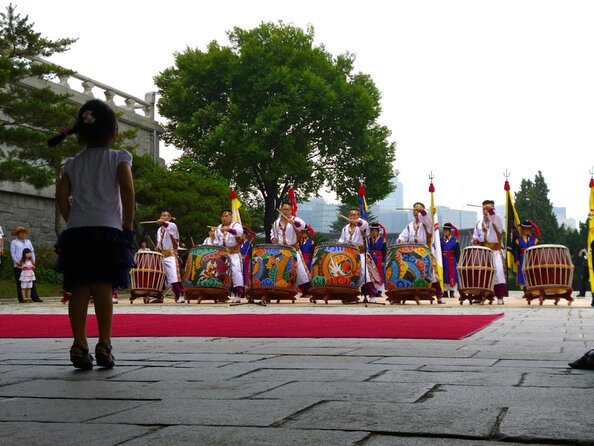
- Private, multi-stop day in Gangbuk: palaces, temples, hanok streets, and markets in one route
- Free hotel pickup and drop-off anywhere in Seoul: less hassle than piecing together trains and taxis
- Air-conditioned vehicle: a real comfort win during hot or rainy Seoul weather
- Most museum/attraction access is included at no extra cost: National Folk Museum, Bukchon, Insadong, Jogyesa, Cheonggyecheon
- One paid admission on the palace stop: Gyeongbokgung tickets are not included
- Guide quality matters: a private tour can shine or drag depending on how close and organized the driving and walking are
Seoul’s Gangbuk Route: Why This Day Works
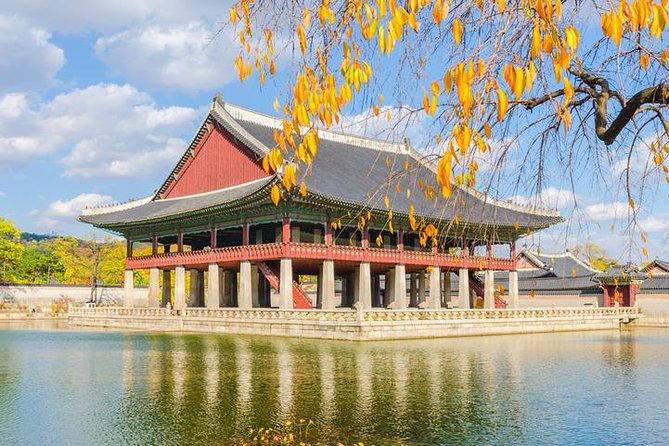
This is the kind of tour that makes Seoul easier to understand. Instead of treating history like separate boxes—palace here, temple there—you get a connected story of Joseon-era life and how it echoes in modern neighborhoods.
I like the mix of big-ticket sights and smaller, human-scale stops. You get the drama of Gyeongbokgung, but you also spend real time walking Insadong’s antique lanes, strolling the Cheonggyecheon stream, and eating-ready at Kwangjang Market. It’s the difference between snapping photos and actually learning how the city feels.
Because it’s private, you can ask questions as you go. And with up to 6 people per group, it’s also one of the better ways to manage cost without going fully solo.
You can also read our reviews of more historical tours in Seoul
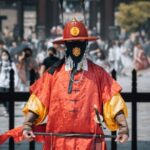
Price and Value: When $475 Per Group Makes Sense
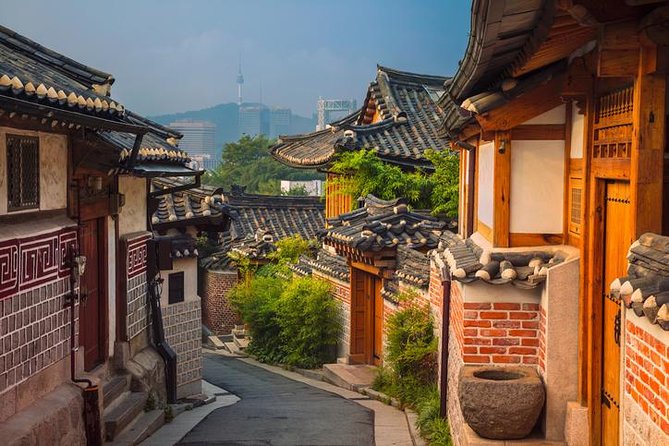
The price is $475 per group (up to 6) for about 7 hours. On paper, that can sound steep if you’re traveling alone or as a couple. But once you split it across seats, it gets much more reasonable.
A quick way to judge value:
- If you fill 4 seats, you’re effectively paying around $119 per person.
- If you fill 6 seats, it drops to about $79 per person.
What you’re paying for isn’t just a driver. You’re paying for a private guide, a comfortable car, and the time-savings of hotel pickup and drop-off. That pickup matters because Gangbuk stops can scatter across different areas, and spending your day transferring buses or subways can kill the vibe.
One more value note: many stops have free admission on the tour plan. The palace is the main exception, where the changing of the guard and palace entry use a ticket you’ll buy separately. In other words, most of the schedule is built to minimize add-on costs.
Logistics That Actually Affect Your Comfort
Start time is 9:00 am, and you’ll get pickup and drop-off from anywhere in Seoul. That’s a big deal in a city where “nearby” can still mean a long trek with stairs, transfers, and weather.
You also get a mobile ticket, which helps if you prefer having everything on your phone. The tour is private—only your group participates—so you’re not stuck pacing with strangers who move at a different speed than you.
Bring comfortable shoes. The schedule includes multiple walking segments across neighborhoods. You’re moving at a human pace, but it’s still a full day, and you’ll want foot comfort for both the palace grounds and the market streets.
Stop 1: Gyeongbokgung Palace and the Changing of the Guard
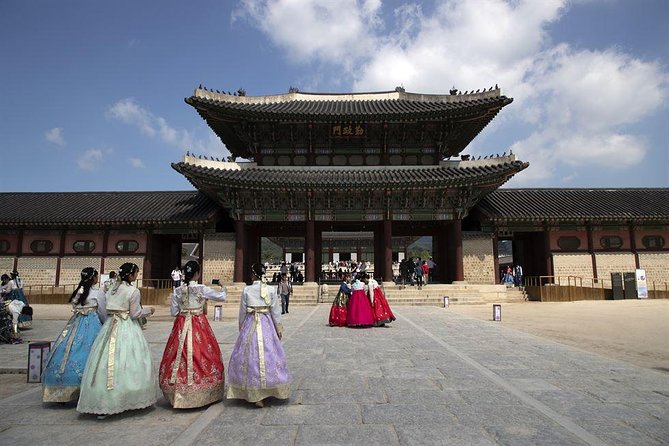
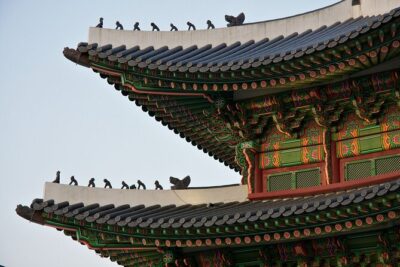
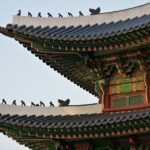
This is your anchor stop: Gyeongbokgung Palace is where you feel Joseon-era power and architecture in one place. The tour is scheduled to include the Changing of the Guard Ceremony, then it continues into deeper palace areas so you don’t just watch from the perimeter.
You’ll get about 45 minutes here, and palace admission isn’t included. That’s the one clear “budget” moment of the day, so plan to pay for entry.
Practical advice: ceremonies can be the busiest moments of the day, so treat this stop like your priority. If your schedule has any flexibility, keep your energy for this morning slot. Also, expect palace grounds to have open-air sections; layers help if the weather changes during your visit.
Stop 2: National Folk Museum of Korea and Life Stages
After palace grandeur, the National Folk Museum gives you the human side of Korean life. The tour description frames it in a very approachable way: life begins, life continues, life ends—and the museum even addresses the afterlife.
You’ll spend about 30 minutes here. Admission is listed as free for this stop, which is a nice cost-saver and a good chance to add depth without blowing your budget.
What I like about this stop is the lens it uses. You’re not only learning dates and kings. You’re getting a sense of how people understood birth, daily living, and what happened after death. That makes the rest of the day easier to connect back to real culture instead of just architecture.


Stop 3: Bukchon Hanok Village and Seeing Tradition Still in Use
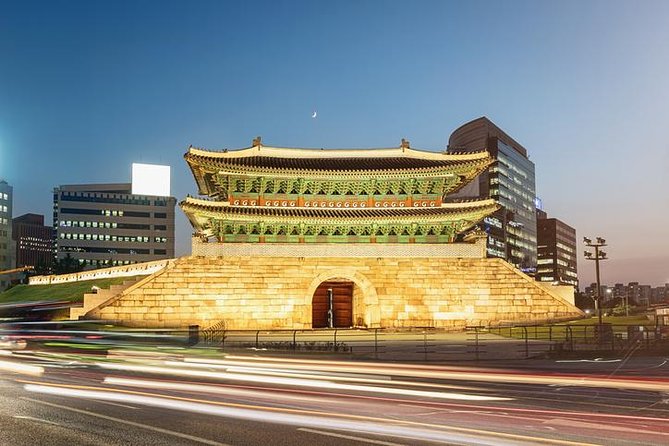
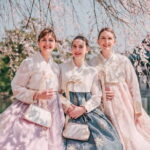
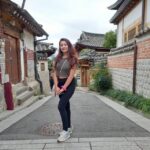
Next comes Bukchon Hanok Village, where you can see traditional Korean houses—hanoks—in a neighborhood where people still live. The tour gives you about 40 minutes, and this stop is listed as free.
This is one of those places where your behavior matters. You’re not touring a theme park; you’re walking through a lived-in area. Go quietly, stay respectful near doorways and windows, and remember that the goal is to observe everyday heritage rather than disturb it.
If you like photography, this is a great area for angles and textures—roof lines, alley spacing, and the way old homes sit alongside city streets. If you prefer less crowding, try to slow down and focus on small scenes instead of chasing the biggest viewpoints.
Stop 4: Insadong’s Artisan Past and Antique Alleys
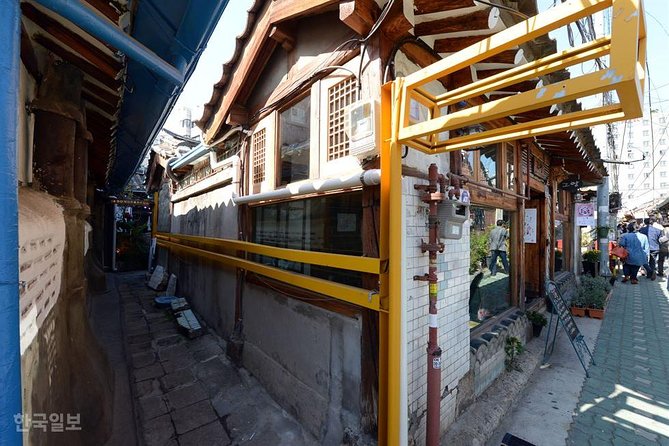
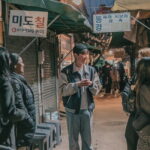
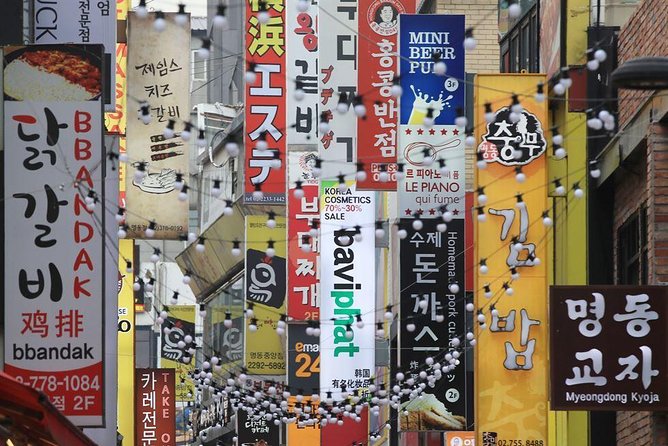
Then you shift to Insadong, a classic Seoul area for crafts and souvenirs. The tour route frames it around the idea of a royal artistic guild—artists and designers commissioned by the king. Today, that legacy shows up in Insadong’s antique alley vibe.
You’ll have about 45 minutes here, and the stop is listed as free.
I like Insadong for two reasons. First, it gives you context for why Korean-style goods are still prized—design, workmanship, and craft traditions. Second, it’s practical: you can pick up small items without scrambling across town later.
Tip: don’t overbuy early. Walk the streets, compare prices and quality, then decide when you see what fits your budget and taste.
Stop 5: Jogyesa Temple and Buddhist Daily Life
At Jogyesa Temple, you’ll see a Buddhist temple that the tour description connects to the country’s national religion in earlier times. You’ll spend about 20 minutes, and admission is listed as free.
This stop is shorter than the others, but it plays an important role: it balances Joseon court history with religious life. You get a sense of how Buddhist traditions remain part of Seoul’s day-to-day rhythm.
Practical note: temples can involve rules about where you can go and how you should behave. Follow whatever signage and guidance you see on-site. If you’re unsure, simply ask your guide—this is exactly what a private guide is good for.
Stop 6: Cheonggyecheon Stream Walk and the Stories Behind It
Next is a calmer moment: a 30-minute walk along Cheonggyecheon Stream. The tour includes conversation about the stories behind the stream, so you’re not just walking for scenery—you’re learning why this waterway matters.
This stop is free and works well as a mental reset between temples, markets, and palaces.
What you’ll get here depends on the day’s atmosphere, but generally this kind of guided walk is where the guide’s storytelling style shows. Even if you already know Seoul has waterways, the guided explanation helps you connect it to the city’s broader timeline.
Stop 7: Kwangjang Market and 600 Years of Street Food Culture
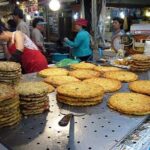
Finally, you land at Kwangjang Market, described as a 600-year-old market. It started with selling linens for special occasions and later reinvented itself into a go-to place for Korean comfort street food carts.
You’ll have about 30 minutes here, and admission is listed as free.
This is the stop where the day turns into something you can taste. It’s also the easiest place to overdo it if you’re hungry in a good way. I recommend sampling with a strategy: pick one or two items and save space if your group wants to share.
If you want to bring back food memories, Kwangjang is the kind of market where you can buy, snack, and then keep walking without needing a formal sit-down meal. Of course, the tour does not include lunch—so the market is where a lot of people’s eating plans naturally fit.
Your Guide Matters: Learning With People Like Michael and Judy
One of the strongest signals from the tour experience is the guide impact. In provided feedback, names like Michael and Judy show up in a positive way tied to how well the day is explained and how smoothly it flows.
That’s not a small detail. A tour like this succeeds when your guide connects the dots between stops: palace ceremony meaning, museum themes, how artisan culture shows up in Insadong, and why a stream walk can still feel like history.
At the same time, no private tour is immune to hiccups. One concern that shows up in a negative account is the risk of the driving setup not matching the expectation of comfortable transfers—like parking the car farther away than ideal and effectively turning parts of the plan into extra walking. My practical advice: if anything feels off, speak up right away. Ask where the car is going to wait and what your route plan is for the next stop.
Who This Tour Fits Best
This tour is a great fit if you want a full day that balances “wow sights” with real cultural context. It especially suits you if:
- You like Seoul’s traditional neighborhoods more than modern shopping districts
- You’re interested in Joseon Dynasty life, not just famous landmarks
- You prefer learning from a guide in real time instead of reading guidebooks
- Your group can share the cost (up to 6 people is the sweet spot)
It’s also a smart pick for first-timers who don’t want to plan a multi-stop itinerary themselves. Your time is spent seeing rather than coordinating.
If you’re the type who hates walking at all, be aware the day includes several neighborhoods and movement between them. Even with a car, you’ll still walk through palace areas, villages, and market streets.
Should You Book This Korean History & Heritage Tour?
Book it if you want a private, organized, air-conditioned day that connects palace, temple, artisan culture, and street food without forcing you to figure out logistics. The price becomes a lot easier to justify once you share the group cost, and the route includes many stops where admission is listed as free.
Skip or rethink it if you’re very price-sensitive and traveling as one or two people, or if you strongly dislike walking and need longer seated time. Also, because your experience can hinge on guide execution, I’d make sure your day is clear in advance: where pickup happens, how close the car will be between stops, and how you’ll pace the walking.
If your goal is a meaningful Seoul day that doesn’t feel like a checklist, this one is a solid choice.
FAQ
Is this tour private?
Yes. It’s a private tour/activity, so only your group participates.
How much does the tour cost and how many people can fit?
It costs $475 per group and can accommodate up to 6 people.
What’s the duration and start time?
The tour runs about 7 hours and starts at 9:00 am.
Does the price include admissions and lunch?
Lunch is not included. Admission is not included for Gyeongbokgung Palace. Other stops on the plan are listed as free.
Do I get hotel pickup and drop-off?
Yes. Hotel pickup and drop-off are provided free of charge from anywhere in Seoul. If you’re outside Seoul but within Gyeonggi Province, pickup adds a $50 surcharge.
What kind of transportation is included?
The tour includes an air-conditioned vehicle for comfortable travel between locations.
Can I cancel for a refund?
Yes. You can cancel for a full refund if you cancel up to 24 hours in advance of the experience start time. If you cancel less than 24 hours before, the amount paid is not refunded.