REVIEW · SEOUL
Essence Korea 3days Ptivate Tour(West/East)
Book on Viator →Operated by Tour n Korea · Bookable on Viator
A road trip through Korea’s “other side” beats staying parked in Seoul. This Essence Korea 3-day private tour is built for scenic drives, famous heritage towns, and real Korean food stops outside the city bubble. I like that the route is split across West and East Korea, so you get variety instead of repeating one theme, and I also like that admissions and lunches are handled for you.
The main thing to consider is time: in three days, you’ll see a lot, and the final day can feel a bit more like repositioning than a slow sightseeing day. If you prefer relaxed pacing, think about stretching to more than three days next time.
In This Review
- Key highlights before you go
- What this “West/East” style tour is really good at
- Price and what you’re actually paying for
- The tour format: private group, pickup, and a guide who explains
- Day 1: Gongju to Jeonju, then toward heritage villages in the East
- Gongju: Baekje-era capital energy
- Jeonju: hanok streets and a night you’ll actually want
- Gongju Gongsanseong Fortress: the view + the hands-on activity
- Gongju National Museum + Muryeongwangneung tomb complex
- Jeonju Hanok Village: from struggle to street food
- Andong Hahoe Folk Village: heritage that lived on
- Day 2: West/South sea views into Silla capital country
- Yeosu: ocean views and fresh seafood energy
- Gyeongju: Silla capital for a thousand years
- Odongdo: a trekking-friendly break and camellias
- Daereungwon Tomb Complex + Gyeongju National Museum
- Haedong Yonggungsa: temple views by the East Sea
- Day 3: Mokpo, APEC Naru Park, then Busan’s Gamcheon Culture Village
- Mokpo: west end vibes and local flavors
- APEC Naru Park: meeting history in a scenic spot
- Busan Gamcheon Culture Village: refugees to creative streets
- Pace and logistics: why this 3-day route can feel full
- What you’ll probably love most
- Who should book this tour
- Should you book Essence Korea 3days Private Tour (West/East)?
- FAQ
- Is this tour private?
- Do they pick me up?
- What’s included in the price?
- Is accommodation included?
- Can I choose West or East, or combine them?
- How far in advance should I book?
- Is free cancellation available?
Key highlights before you go
- Private format with pickup: your group is the only group in the car, with fuel and parking taken care of.
- Admissions included: fortress views, museum stops, and royal tomb sites come with tickets already covered.
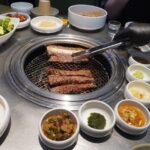
- Food comes built-in: lunches are included each day, and the route is chosen for places known for eating.
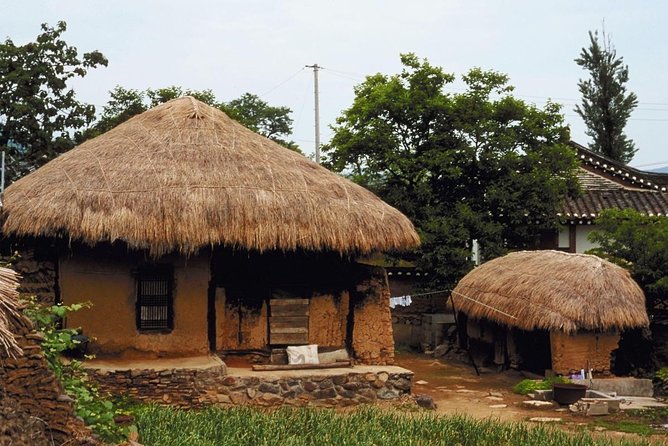
- Hanok and folk village time: Jeonju’s hanok streets and Andong’s heritage village give you a feel for daily life, not just monuments.
- Sea views on the East Sea side: you get temple scenery by the water and an ocean-facing trekking stop.
- Guides can make it land: past guides like Johnny, Jun, and George have been praised for keeping things on time and adding meaning to what you’re seeing.
What this “West/East” style tour is really good at
This tour is a practical way to cover a wide chunk of Korea without juggling multiple tickets, transfers, and schedules. You’re basing the experience out of Seoul, then getting out into places that feel different from the capital—slower streets, different building styles, and food that tastes more “regional” than “tourist menu.”
What makes it stand out is the balance between heritage and everyday culture. You spend time around royal capitals and tomb sites in both the Baekje and Silla storylines, then you also step into neighborhoods and villages where people lived their daily lives long after the dynasties ended. That mix helps the trip feel more like understanding the country than ticking boxes.
And because it’s private, you’re not stuck with a loud crowd rhythm. Your guide can adjust timing based on your pace (within the overall schedule), and the car setup keeps you comfortable for the longer drives between provinces.
You can also read our reviews of more tours and experiences in Seoul
Price and what you’re actually paying for
At $800 per person, this isn’t a budget bus tour. But it also isn’t just “a driver and a map.”
Here’s what’s covered in the package you’re buying:
- Fuel surcharge and parking fees
- Admission tickets
- Lunch (3 meals)
- Mobile ticket
The one notable exclusion is accommodation—you’ll arrange lodging separately. If you’re comparing prices, treat this as a “transport + admissions + meals” package, not only transportation.
In value terms, the math tends to work best when you’d otherwise pay for admission tickets anyway and you want someone else to handle the logistics. If your priority is only one or two highlights, you might do better with a narrower day tour. But if you want a full West/East slice in about three days, this package is built to deliver.
The tour format: private group, pickup, and a guide who explains
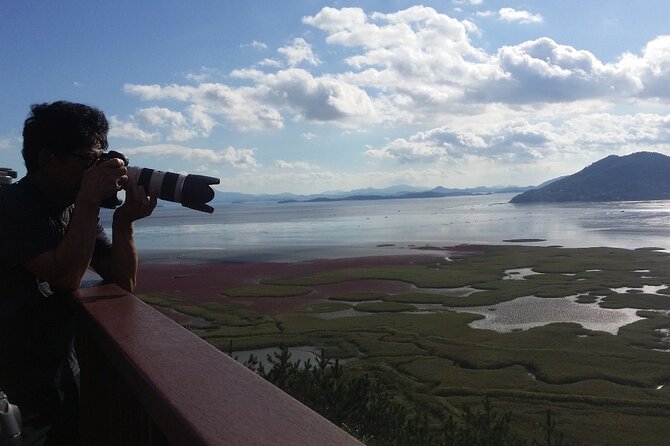
This is a true private tour/activity for your group only. That matters more than you might think. Group tours can force you to match a herd pace. Private tours let you spend a bit more time where you’re interested—especially at museums, tomb complexes, and village streets where the experience is partly in the atmosphere.
You’ll also get pickup offered, which saves you from the “where do we meet, and how do we get there?” dance. Past groups described guides like Johnny as cheerful, punctual, and determined to make the trip work smoothly. Another guide, Jun, stood out for explaining why the visited places matter, not just naming them. George was praised for customizing the plan and steering guests toward strong local food stops.
Bottom line: the quality of the day often comes down to the guide’s storytelling and timing. This tour’s structure is set up so that can happen, and it’s not just a route checklist.
Day 1: Gongju to Jeonju, then toward heritage villages in the East
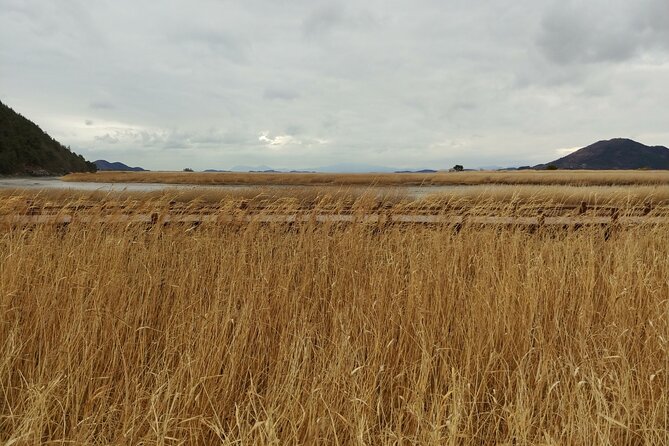
Day 1 is where you start building the “Korea beyond Seoul” feeling—starting with royal-era sites, then moving into hanok streets, and finally stepping into folk heritage.
Gongju: Baekje-era capital energy
You begin in Gongju, described as a former capital city of the Baekje dynasty about 1,400 years ago. The focus here is on place-based learning: you can explore the fortress and museum areas, then move on to ancient royal tomb territory.
Two practical wins on Day 1:
- The sites are compact enough that you can actually look around instead of rushing.
- The museums and tomb-related stops give you context for what you’re about to see later.

Jeonju: hanok streets and a night you’ll actually want
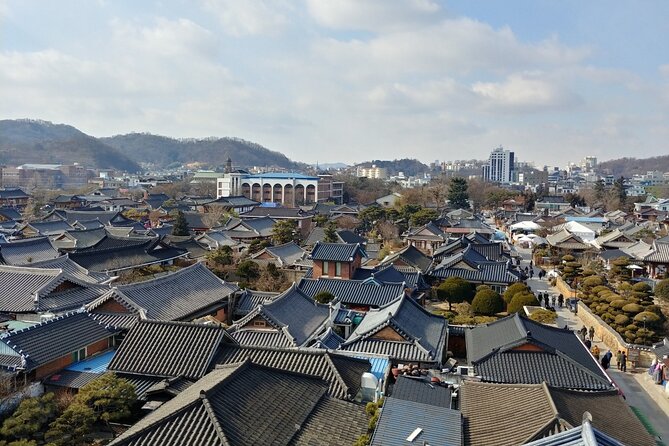
Then you head to Jeonju, famous for hanok (traditional Korean houses) and food. You also get one night in Jeonju, which is a huge quality-of-life upgrade in a tight 3-day schedule. Instead of spending the whole day traveling, you get a real evening in the city—ideal for wandering hanok areas and eating without feeling trapped by a departure time.
Gongju Gongsanseong Fortress: the view + the hands-on activity
The schedule includes Gongju Gongsanseong Fortress, an old fortress area where you can look down over the city. You can also enjoy archery, which is a nice break from pure walking and indoor museum time.
Gongju National Museum + Muryeongwangneung tomb complex
Next you swing into museum and tomb territory: Gongju National Museum for details on royal life, then Muryeongwangneung Tomb of King Muryeong, a royal tomb site that also has a small museum.
If you like understanding how power and daily life connected in historical Korea, these stops fit together well. If you don’t love museums, you can still treat them as “history anchors” that make the later village stops feel more meaningful.
Jeonju Hanok Village: from struggle to street food
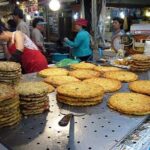
You also visit Jeonju Hanok Village, where the background is tied to Japanese occupation times and using hanok-style spaces to defend Korean society. Today, it’s known for street food.
That’s a good Day 1 mix: you’re not only looking at traditional architecture—you’re also getting the modern reason people visit.
Andong Hahoe Folk Village: heritage that lived on
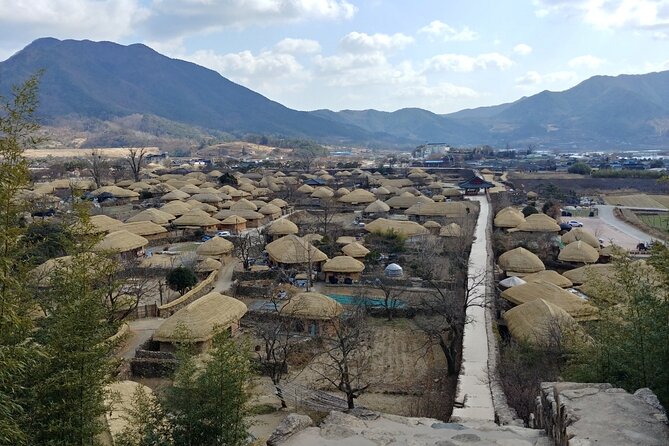
Then the East side appears with Andong Hahoe Folk Village, presented as one of Korea’s most authentic heritage experiences. The big standout detail is that Queen Elizabeth II visited in 1999 and had a birthday party there.
This is the kind of place where you’ll likely spend more time than you expect, because it feels like a living set of streets and spaces rather than a single monument.
Day 2: West/South sea views into Silla capital country
Day 2 leans into sea scenery and then shifts into major Silla heritage cities. It’s a strong “Korea contrasts” day.
Yeosu: ocean views and fresh seafood energy
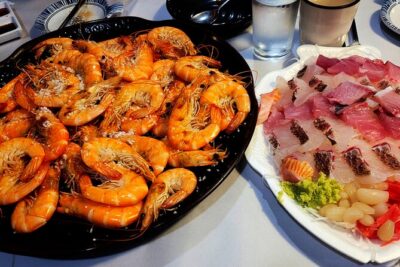
You go to Yeosu, described as a top attraction on the west and south seas with nice ocean views and fresh sea food. This is an easy day to enjoy even if your history interest is moderate—because the setting does half the work.
The practical tip here: take your time with the waterfront atmosphere. If you rush, you miss the point.
Gyeongju: Silla capital for a thousand years
Next comes Gyeongju-si, described as the Silla dynasty’s capital city for around 1,000 years, with the city noted as world cultural heritage. This is a step up in “scale” compared with smaller towns, and it gives you that sense of a place that has hosted power for centuries.
Odongdo: a trekking-friendly break and camellias
Then you head to Odongdo, a trekking course where you can see camellia flowers. This works as a breathing space between heavier heritage stops. Even if you don’t go far, you’ll still get the idea of why the area is visited.
Daereungwon Tomb Complex + Gyeongju National Museum
For the East-side heritage emphasis, you visit Daereungwon Tomb Complex, a huge Silla royal tomb area, and the Gyeongju National Museum, a museum with about 1,000 years of history.
If you’re the kind of person who likes seeing artifacts and learning the timeline, this is your day. If you’d rather spend more time outside, you can still use the museum as a “connect the dots” stop, then return to the outdoor tomb setting.
Haedong Yonggungsa: temple views by the East Sea
Finally, you reach Haedong Yonggungsa, described as one of the most beautiful temples in Korea and located next to the East Sea. The “next to the water” part matters. It’s the kind of temple stop where the scenery changes how you remember the visit.
Day 3: Mokpo, APEC Naru Park, then Busan’s Gamcheon Culture Village
Day 3 is where the trip shifts toward western coastal scenes and then ends with a creative, modern cultural neighborhood feel in Busan.
Mokpo: west end vibes and local flavors
You start in Mokpo, located at the west end of Korea, with authentic food and scenic, unique city views. This is a good closing move because it’s less formal than a palace or tomb day. You can enjoy the atmosphere, eat, and soak up the coastal feel.
APEC Naru Park: meeting history in a scenic spot
Next is APEC Naru Park, noted as a place where the APEC meeting was held in 2005. It’s also described as having a scenic location.
This stop gives you a modern Korea layer, so the day doesn’t feel stuck in “old times only.”
Busan Gamcheon Culture Village: refugees to creative streets
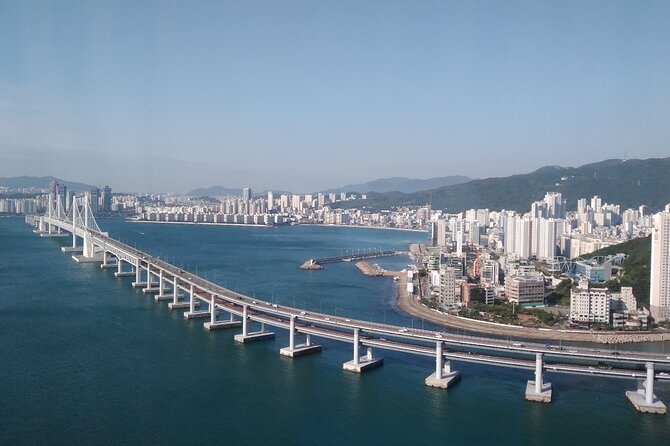
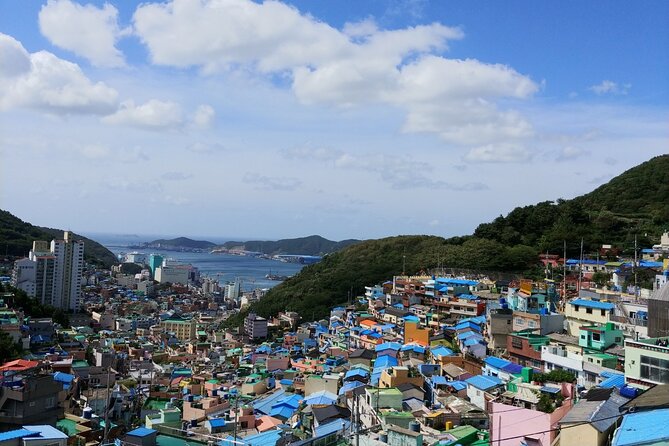
You finish in Busan Gamcheon Culture Village, famous for its unique culture. The key backstory: the village was made to accommodate refugees from all over the country, and it later developed into a cultural attraction.
This is a great way to end a West/East heritage-heavy trip because you see how places evolve. It also tends to be an easy place to wander without feeling like every minute is scheduled.
Pace and logistics: why this 3-day route can feel full
The strongest warning label for this tour is simply the time pressure. You’re moving across multiple regions and packing in museums, tomb sites, fortresses, temples, and villages. That’s fun if you’re excited to see a lot. It’s tiring if you want long rests between stops.
A specific thing to watch: the final day may feel more like travel and repositioning depending on where you’re returning afterward. In a three-day format, there’s rarely a lot of free time.
My advice: plan to travel light, wear shoes you can walk in for tomb and village terrain, and keep one flexible mindset: you’re not doing “one big thing slowly” every day. You’re doing “many important things, in a guided flow.”
What you’ll probably love most
Based on what’s repeatedly praised about guides and the tour approach, these are the elements that tend to deliver the best memories:
- Guides who explain meaning, not just facts. If Jun or George is guiding, you’ll likely hear why each stop matters.
- Comfort on longer drives, described as a luxurious, comfortable vehicle in past experiences.
- Local food focus. The route is built around cities and areas known for eating, not only sightseeing.
- A mix of “royal sites + living culture.” You’re not stuck in only museums or only streets.
And the biggest emotional payoff is usually the contrast: you start with royal-era structures and museums, then you move into villages and food streets. That combination makes Korea feel larger than a single-city trip.
Who should book this tour
This is a strong choice if you:
- Want West and East Korea coverage in about three days
- Prefer a private setup where your group isn’t fighting for attention
- Like heritage sites, temples by the sea, and culture villages
- Would rather have admissions and meals handled than plan everything yourself
It may not be the best fit if you:
- Want a slow, low-stress pace with lots of downtime
- Are sensitive to back-to-back driving days
- Don’t care much about museums and historical tomb complexes
Should you book Essence Korea 3days Private Tour (West/East)?
If your goal is to see more of Korea than the Seoul-only highlights, I think this is a solid booking. The value comes from the bundled structure: admissions + lunches + transport costs are included, and the route is designed to cover a lot of meaningful terrain on both sides of Korea in a short window.
The decision turns on your pacing style. If you enjoy a guided “see it all” rhythm, this tour fits nicely. If you’re the type who wants time to sit, linger, and decompress, you might consider doing a longer version later—or at least plan for a slower pace around meals so you don’t feel rushed.
Either way, go in expecting a packed three days. Then enjoy the fact that you won’t be building the logistics yourself.
FAQ
Is this tour private?
Yes. It’s a private tour/activity, so only your group participates.
Do they pick me up?
Pickup is offered, and the tour notes that it’s near public transportation.
What’s included in the price?
The tour includes fuel surcharge, parking fees, admission tickets, and lunch (3 meals).
Is accommodation included?
No. Accommodation is not included.
Can I choose West or East, or combine them?
You can choose between a West course or an East course, or combine them.
How far in advance should I book?
On average, it’s booked about 53 days in advance.
Is free cancellation available?
Yes. You can cancel for a full refund up to 24 hours before the experience starts. It may also be canceled due to poor weather, and you’d be offered a different date or a full refund.