REVIEW · SEOUL
Korean Cooking Class Full Meal with BBQ on an All in One Table
Book on Viator →Operated by Soop Table: The Hansik Atelier · Bookable on Viator
A Korean cooking class where you eat what you make beats another food walk. You’ll cook a full-table Korean meal in a calm Hanok-inspired studio, with seasonal vegetables and fermented staples like doenjang and gochujang at the center of it. I like that this is built for real hands-on cooking—not just watching, snacking, and moving on.
Two things I really love: the class teaches Korean cooking the way Koreans actually serve dinner, with dishes designed to land together on one table, and you get to plate your own bibimbap so it feels personal, not like a cafeteria line. Also, the setup is small, with a maximum of 8 people, so instructions stay clear even if your Korean kitchen skills are still in early chapters.
One possible drawback: the BBQ isn’t something you cook. The chef grills pork belly for you, and you’ll focus your hands-on time on the side dishes, your chosen main, and soup/stew. If you come wanting to flip every last piece yourself, plan for that tradeoff.
In This Review
- Key things to know before you go
- Entering The Hanok-Inspired Kitchen In Seoul
- The Welcome Tea Moment That Sets the Tone
- Banchan Workshop: Making Four Side Dishes
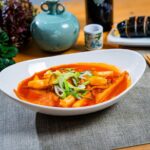
- Choosing Your Main Dish and Soup Or Stew
- Bibimbap Plating: Making It Look Like You Mean It
- The All-In-One Table Style, Served The Korean Way
- BBQ Pork Belly And A Taste of Traditional Liquor
- Dessert After Dinner: Ending With Something Sweet
- Price and Time: Is $89 A Good Value?
- Logistics That Actually Matter: Booking and Timing
- Who This Korean Cooking Class Suits Best
- Should You Book Soop Table’s Cooking Class in Seoul?
- FAQ
- How long is the Korean cooking class?
- What will I cook during the class?
- Is the BBQ part cooked by the guests?
- Do I get to choose what I cook for the main dish and soup or stew?
- How many people are in the group?
- Where is the class meeting point in Seoul?
- Is this a market tour?
- What happens if the weather is bad or I need to cancel?
Key things to know before you go
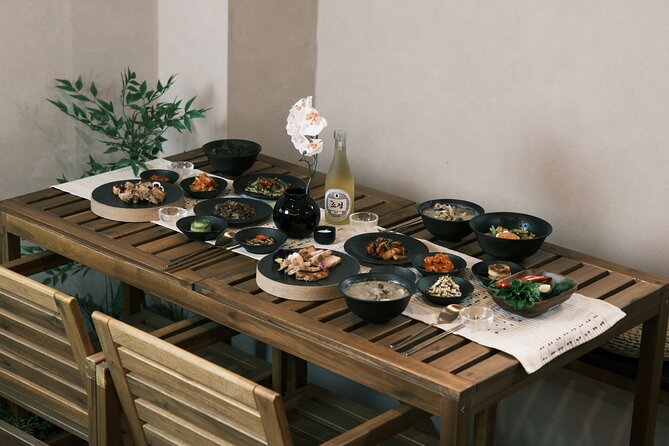
- Hanok-style kitchen in Mapo-gu: a traditional-inspired studio setting that keeps the class calm and focused.
- Full Korean meal, all together: banchan, soup or stew, and main designed to be shared like a real Korean table.
- Your banchan + your bibimbap: you make four side dishes, then build and plate bibimbap your way.
- Chef-led BBQ and a liquor taste: grilled pork belly is served by the chef, plus a small traditional liquor sampling.
- Small group (max 8): better pacing, more attention, and less feeling like a production line.
- No market tour focus: it’s not a commercial food tour; you cook and eat, with optional market pointers if you’re curious.
Entering The Hanok-Inspired Kitchen In Seoul
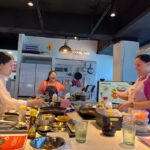
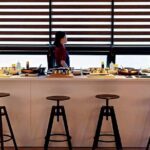
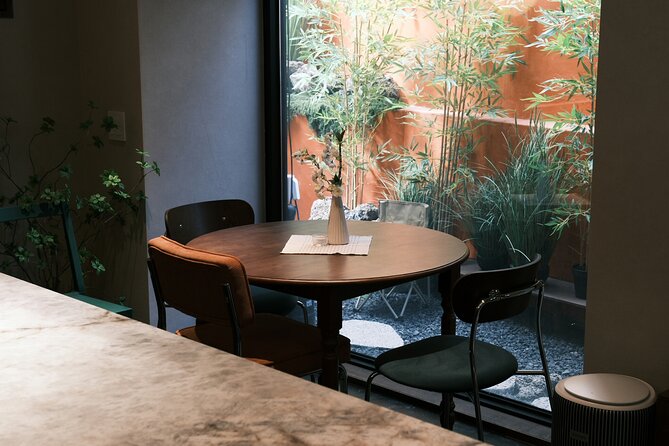
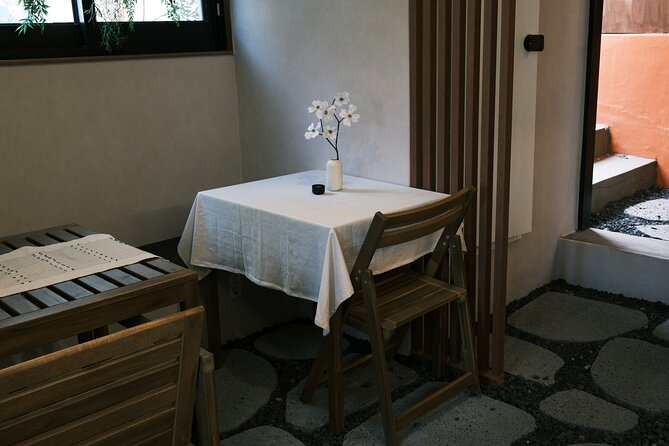
This class starts with a setting that immediately changes your pace. You’re not standing in a crowded shop or weaving through a market corridor. Instead, you’re in a studio kitchen inspired by traditional Hanok architecture, the kind of space that makes cooking feel quieter and more intentional.
The class is based in Mapo-gu, meeting at Soop Table: Korean Cooking Class at Donggyo-ro 46-gil 34, 1층. It’s also described as near public transportation, which matters in Seoul where getting “almost there” can still cost you time.
One practical plus: you’ll get a mobile ticket, so you’re not digging through paper or screenshots while you’re trying to find the place. And it runs about 3 hours, which is a sweet spot—long enough to actually cook, short enough to still enjoy the rest of your day.
You can also read our reviews of more cooking classes in Seoul
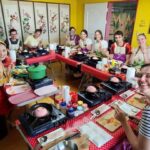
The Welcome Tea Moment That Sets the Tone
Before any chopping happens, the experience begins with a seasonal Korean welcome tea. That sounds simple, but it’s a real setup for how the class approaches Korean food: food tied to season, ingredients treated as ingredients (not just flavors), and meals meant to be shared.
This matters because Korean cooking isn’t just about one famous dish. The class frames core sauces and ingredients—especially fermented ones—as part of a larger relationship with nature and time. You’ll hear about the role of staples like doenjang and gochujang, and how they show up in everyday home cooking.
So when you start cooking, you’re not guessing. You’re building from a foundation.
Banchan Workshop: Making Four Side Dishes
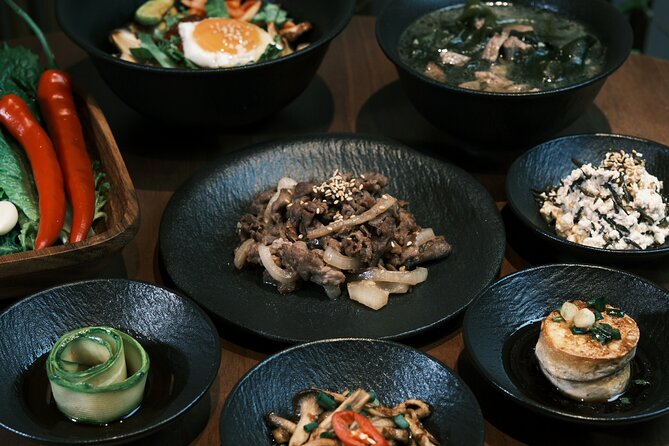
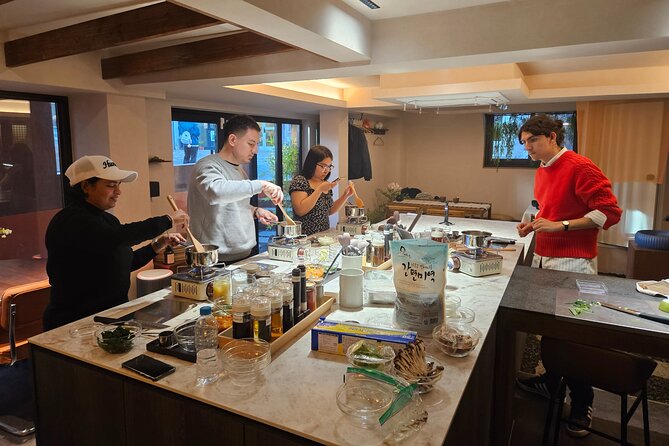
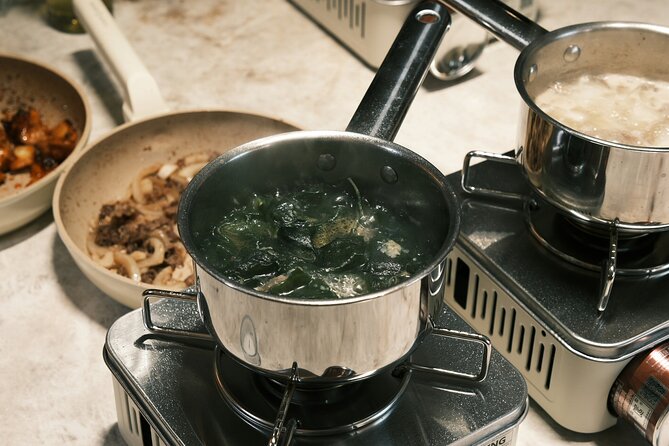
Banchan is where Korean meals get their rhythm. In this class, you’ll make four kinds of Korean side dishes using fresh vegetables, and you’ll do it yourself. That’s a big deal if you’ve tried Korean restaurants where banchan arrives like a pre-set menu. Here, it’s hands-on work.
Expect a real cooking flow: prepping vegetables, mixing or seasoning based on Korean style, and learning how those sides work together as a collection. The class leans into seasonal vegetables, so your ingredients aren’t random “chef’s choice” props. They’re meant to reflect what’s fresh.
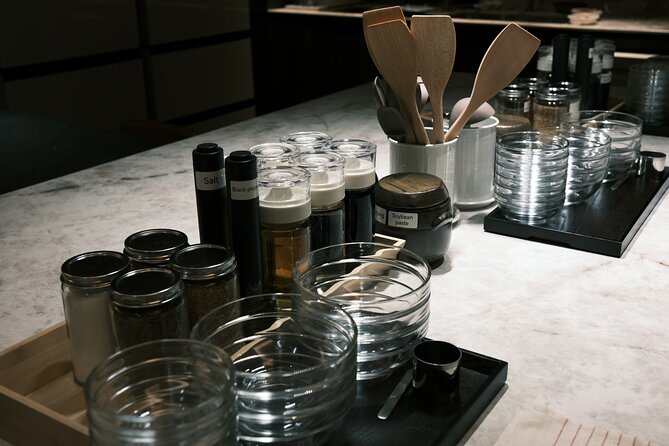
Also, some of the fermented pastes and ingredients are brought directly from the chef’s hometown. I like this detail because it explains why the flavors feel consistent and not overly “tourist adjusted.” You’re tasting a flavor story that has a place behind it.
Choosing Your Main Dish and Soup Or Stew
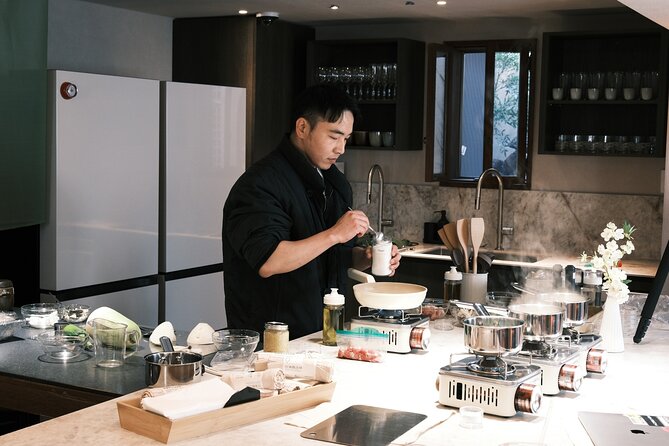
After banchan, you move into the part that feels most like planning your own dinner. You’ll choose one main dish and one soup or stew, based on your taste. This is one of the smartest inclusions in the whole format.
Why? Because Korean cooking has strong flavor identities across different dishes—spicy, savory, comforting, lighter, heavier—and letting you pick means you can tailor your meal to what you actually want to eat, not what a fixed group schedule demands.
You’re still cooking with guidance, but the choice helps the meal feel less like a lesson and more like dinner you’re building. You’ll then combine everything at the table later, since Korean dining here is designed to be served all at once rather than in a Western “course-by-course” rhythm.
Bibimbap Plating: Making It Look Like You Mean It
Now for the moment that turns cooking into a creative act: bibimbap. You’ll plate your bibimbap beautifully, with the emphasis on the idea that presentation is part of the food.
This is more than aesthetics. Korean bibimbap is about organization—different ingredients in the bowl, arranged with intention—so when you mix and eat, you’re getting a balanced bite. In class, you’re learning the structure before you freestyle.
One important detail: your plating is your style. The class doesn’t just hand you a finished result and tell you to eat. You build the bowl, which changes how you taste. You pay attention to texture and distribution because you made the setup.
If you’ve ever wondered why bibimbap at home tastes different than restaurant versions, this is the kind of hands-on step that closes that gap fast.
You can also read our reviews of more tours and experiences in Seoul


The All-In-One Table Style, Served The Korean Way
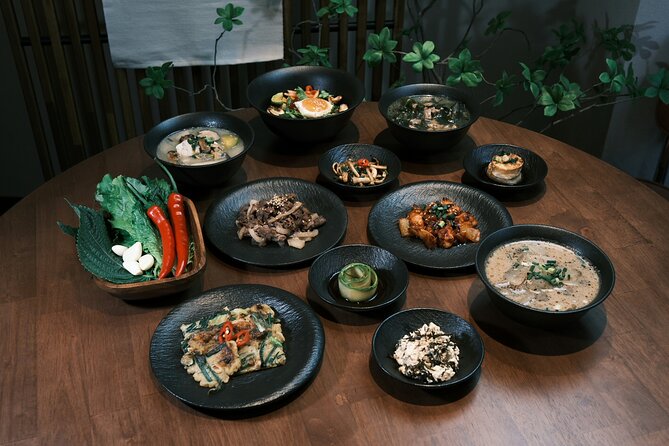
This class is built around a core idea: the meal is meant to be shared. That shows up in how the table is handled and how dishes come out.
Instead of spending the evening waiting for the next course, you’ll experience the full Korean table concept, where banchan, soup or stew, and main dish sit together as one dining event. It’s a better match for how Korean families and friends often eat—less staged, more communal.
You’ll also get to experience the class as a table moment rather than a series of stations. That matters for beginners, because it gives your brain fewer things to track. You learn, cook, plate, then sit down and enjoy.
Small group size helps here too. With up to 8 travelers, the kitchen pace stays manageable, and the cooking doesn’t feel like you’re being rushed between steps.
BBQ Pork Belly And A Taste of Traditional Liquor
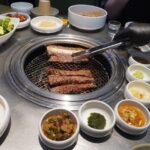
Here’s what shifts from your hands-on cooking to chef-led serving: during the meal, the chef serves grilled pork belly (BBQ) and a taste of traditional liquor.
The BBQ is the one part you don’t cook, but it’s still part of a full meal experience. And because it arrives as part of the table rather than as a separate activity, it feels integrated. You’re not doing a BBQ side quest. You’re eating dinner that includes BBQ as one component.
The traditional liquor taste is also a cultural note. It’s not described as a full pouring session, but you do get that small introduction while you’re already in the dining mood.
If alcohol isn’t your thing, you might want to plan your comfort level ahead of time. The data only confirms a taste is served, not how it’s handled for non-drinkers, so I’d check with the host if you’re concerned.
Dessert After Dinner: Ending With Something Sweet
After you finish eating, you’ll enjoy making a popular Korean dessert together. This is a nice closer because it adds variety without turning the class into a sugar marathon.
It also keeps the energy up. Cooking once can be fun. Cooking twice feels like a win. And dessert helps cement the meal into a complete experience: tea, banchan, main and soup/stew, BBQ, liquor taste, then sweet finish.
Price and Time: Is $89 A Good Value?
At $89 per person for about 3 hours, the value depends on what you want out of Seoul food.
If you want a quick taste of Korean flavors, $89 might feel steep. But if you want to learn how the components of a Korean meal come together, this price starts making sense quickly because you’re not just eating—you’re producing. You’ll cook your sides, your chosen main and soup/stew, and you’ll plate bibimbap. BBQ is also included at the table, plus you get a welcome tea, a liquor taste, and dessert.
In other words, you’re paying for ingredients, kitchen equipment, instruction, and a full meal format that’s hard to replicate casually. The small group size helps keep the instruction practical, and that’s often where cooking classes succeed or disappoint.
So for hands-on learners, foodies who want skills, and couples who want one memorable shared activity in Seoul, I’d call it a solid value.
Logistics That Actually Matter: Booking and Timing
This activity uses a mobile ticket, and the class ends back at the meeting point, so you don’t have to plan a second stop after you’re done eating. It also runs in a studio kitchen, which is easier to manage than hopping between multiple venues.
One detail I appreciate from what’s described for the host experience: the host, Woody, reaches out to confirm dinner choices and timing. That kind of pre-class communication helps you show up ready, especially when you’ll be making selections for your main dish and soup or stew.
Finally, the experience requires good weather. If it’s canceled due to poor weather, you’ll be offered a different date or a full refund. That’s not unusual for Seoul experiences, but it’s worth noting so you don’t schedule it like a guaranteed certainty.
Who This Korean Cooking Class Suits Best
This is a great fit if you want home-style Korean cooking rather than a restaurant meal that happens to be Korean. You’ll get an education in how fermented sauces and Korean seasonal ingredients work in real dishes, and you’ll build the table yourself.
It also makes sense for:
- Couples looking for one shared activity that doesn’t require advanced skills.
- Food lovers who care about process, not just flavor.
- Beginners who want a guided start with clear steps, plus a final meal they can replicate later.
If you’re expecting a big walking tour, street-food sprint, or a classic market crawl, this won’t match that vibe. Even though the class doesn’t run a commercial market tour, they may share a few trusted local markets if you’re curious—just don’t book it expecting that to be the main event.
Should You Book Soop Table’s Cooking Class in Seoul?
If you want a Seoul experience that mixes culture with real food-making, I’d book this. The strongest pull is the combination of hands-on cooking + a full Korean table format. You’ll leave with knowledge you can use again, not just photos of a bowl.
Book it especially if you like the idea of:
- cooking banchan, not just watching it appear,
- plating your own bibimbap,
- eating a meal the Korean way, with dishes meant to be shared together.
Skip it if your priority is barbecue craftsmanship. Since the chef handles the BBQ, you won’t be grilling as part of your workflow. And if you dislike cooking experiences in general, this won’t suddenly become relaxing just because it’s in a Hanok-style studio.
FAQ
How long is the Korean cooking class?
The class runs for about 3 hours.
What will I cook during the class?
You’ll make four kinds of Korean side dishes, cook one main dish and one soup or stew (based on your taste), and plate bibimbap. You’ll also help make a popular Korean dessert together after the meal.
Is the BBQ part cooked by the guests?
No. The BBQ grilled pork belly is served by the chef during the meal.
Do I get to choose what I cook for the main dish and soup or stew?
Yes. You choose one main dish and one soup or stew based on your taste.
How many people are in the group?
The experience has a maximum of 8 travelers.
Where is the class meeting point in Seoul?
You’ll start at Soop Table: Korean Cooking Class, South Korea, Seoul, Mapo-gu, Donggyo-ro 46-gil, 34 1층.
Is this a market tour?
No. It’s not a food tour. If you’re curious, the hosts can share a few trusted local markets, but the focus is the cooking journey.
What happens if the weather is bad or I need to cancel?
The experience requires good weather. If it’s canceled due to poor weather, you’ll be offered a different date or a full refund. You can cancel up to 24 hours in advance for a full refund.
If you cancel less than 24 hours before the experience starts, the amount paid won’t be refunded.