REVIEW · SEOUL
365-day DMZ Special Tour including Monday & Public Holiday
Book on Viator →Operated by Seoul N Tour · Bookable on Viator
Few places in Seoul feel this close to the Korean War.
This 9-hour DMZ special tour takes you out with a guide, starting early from the city, and focuses on the real geography of division: freedom bridges, tunnels, memorial parks, and observatories where the border is the main character. I like that it’s built for people without a car, and I especially appreciate the private-group-style guidance you get while the schedule moves at a steady pace.
Two things I really liked are the way the stops connect into a story—Imjingak to border views to memorial sites—and how many of the big-ticket moments are handled with context, not just photos. I also love the practical design: pickup from a shortlist of Seoul subway stations and a mobile ticket so you’re not scrambling for paper.
The main drawback to watch is that this is physically demanding in parts. The route includes walking and a few hill-and-steps-style viewpoints (notably on the Tuesday–Sunday 3rd Tunnel side and the Monday/holiday suspension-bridge area), so bring comfortable shoes and take the moderate fitness requirement seriously.
In This Review
- Key highlights worth knowing
- DMZ From Seoul: What the 365-Day Special Tour Gets You (and When)
- Price, Pickup, and Timing: The Practical Side
- Monday and Public Holiday Route: Gondola, Observatories, and Gloucester Hill
- Tuesday to Sunday Route: Imjingak to the 3rd Tunnel and Dorasan Views
- Imjingak Peace Nuri Park: Where the Day’s Tone Is Set
- The 3rd Tunnel and Dorasan Theater: A Tour That Explains What You See
- Gloucester Hill Memorial and Heroes Suspension Bridge on Mondays
- Transportation Comfort and Group Size: What 40 People Means
- Value Check: Is $59 a Smart Buy for This DMZ Day?
- Weather, Security, and When the Plan Swaps
- Who This Tour Fits Best (and Who Should Skip It)
- Should You Book the 365-Day DMZ Special Tour?
- FAQ
- What days can I visit the 3rd Tunnel?
- How long is the tour and when does it end?
- Is pickup included, and where do I meet the group?
- Is lunch included?
- Is the tour suitable for people with medical conditions or pregnancy?
- How many people are in the group?
Key highlights worth knowing
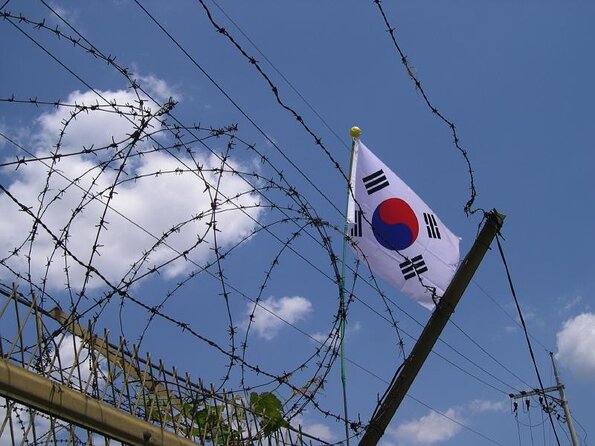
- Monday and public holiday routing: when the 3rd Tunnel is closed, you still get multiple DMZ-connected stops instead of a short day
- Border views from Dorasan area: observatory time is built in for looking across the line from the western front
- Imjingak Peace Nuri Park + memorials: Freedom Bridge and soldiers’ memorial themes set the tone early
- North Korea Experience Hall: a newer stop that helps turn curiosity into something more structured
- Guides with real personality: multiple guides (like Mr Young, Roy, Sookhee, Chloe, and Veronica) are described as funny, organized, and good at keeping the day moving
- It can change day to day: weather or security restrictions can swap sites, and the tour notes that refunds aren’t provided if access is suddenly restricted
DMZ From Seoul: What the 365-Day Special Tour Gets You (and When)
This is a full-day DMZ outing built for convenience: you meet in Seoul, ride out with the group, and return before you’ve lost the whole day to transit. The “365-day” part matters because it’s designed to run across the calendar, including the times when the DMZ program can look limited for normal tours—especially Mondays and public holidays.
Here’s the key thing: the itinerary changes depending on the day. If you’re going on Tuesday–Sunday, you’ll go after the tunnel experience and the Dorasan side of the DMZ zone. If you’re going on Monday or a national holiday, the 3rd Tunnel won’t be part of the plan, so the tour emphasizes other meaningful sites—Imjingak, a gondola ride, observatories, and memorial bridges.
If you want a DMZ day that actually respects your schedule options, this design is the value. You’re not stuck with a generic alternative or a long bus ride that mostly circles around closed gates.
You can also read our reviews of more tours and experiences in Seoul.
Price, Pickup, and Timing: The Practical Side
At $59 per person, the tour is priced in a way that feels targeted at “full-day access with a guide,” not at a luxury format. You’re paying for transportation out of Seoul, professional English-speaking guidance, and DMZ-area entrance fees where they apply (with the 3rd Tunnel stop marked as included).
Two logistics points you’ll want to plan around:
1) Start time is early. The pickup window depends on season and runs as early as around 6:00–6:50am (peak periods) or 7:00–7:50am (low season). Ending is around 3:30pm back near City Hall, so you’ll get your afternoon in Seoul afterward.
2) You need to be on time at the meeting spot. The tour asks you to arrive roughly 10 minutes early. With an early start, being late is how you end up watching the bus pull away.
Also note what’s not included: lunch, food and drinks, and there’s no private hotel pickup/drop-off. If you’re the kind of person who hates hunting for lunch on a time limit, you’ll do yourself a favor by bringing snacks and having a simple plan for meals.
Monday and Public Holiday Route: Gondola, Observatories, and Gloucester Hill
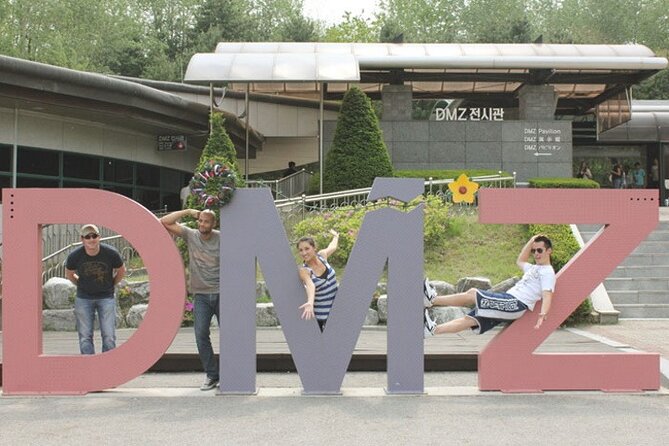
If you can only travel on a Monday, this tour is one of the more useful options because it explicitly rearranges the day when the tunnel isn’t available. On Mondays and national holidays, the plan leans toward the western-front memorial and viewpoint stops.
The day often starts at Imjingak Peace Nuri Park, a place built for refugees from North Korea during the Korean War. The Freedom Bridge and soldiers’ memorial theme isn’t just scenery—it’s an emotional setup. It makes later border views feel less like a tourist checklist and more like a continuation of the same story: separation first, then the question of what comes next.
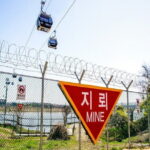
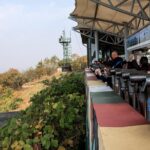
After that, you’ll head to the DMZ Peace Gondola area across the Imjin River, described as carrying the sorrow of division while symbolizing hope for reunification. You’ll also get time at a Jangsan Natural Observatory or Odusan Unification Observatory, depending on the day’s route.
Then comes one of the standout stops on the Monday/holiday side: Gloster Hill Memorial Park and the Heroes Suspension Bridge area. The tour schedule places these together, and that pairing makes sense. You get the memorial context, then you get a viewpoint that puts you into the physical logic of the battlefield.
If you’re wondering why people keep praising this part, it’s usually the combination: a memorial site that helps you understand what happened at a specific location, plus a suspension-bridge viewpoint that gives you a sense of scale. In guides’ terms, this is where the jokes and explanations become practical, not just entertaining.
Trade-off on Mondays: You’ll still move quickly, and stop times can be limited. Some people say it’s a fun, educational day but not a relaxed one. If you like lingering, you’ll need to shift your mindset to “see what you can, then go again someday.”
Tuesday to Sunday Route: Imjingak to the 3rd Tunnel and Dorasan Views
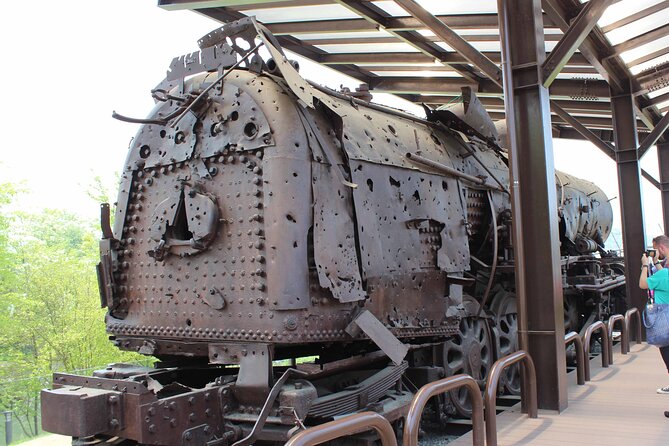
On Tuesday through Sunday, the tour follows the tunnel-and-observatory emphasis. You’ll start at Imjingak Peace Nuri Park, then continue through a structured sequence that leads toward border sightlines.
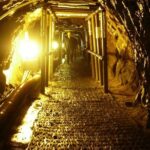
The headliner here is the 3rd Infiltration Tunnel. It was discovered in 1978 and is described as built for the purpose of invading South Korea. The tour notes the tunnel length is 1,635 meters, and that alone signals you’re not just seeing a memorial plaque—you’re visiting a major physical remnant of the conflict-era strategy.
After the tunnel area, the schedule includes a theater or exhibition hall stop (listed under the Dorasan Peace Park zone). The theater’s film is described as 8 minutes long and framed from the South Korea perspective on the Korean War. That’s a valuable pairing because you go from a hard, physical site (the tunnel) to an explanation tool that helps you interpret what you just saw.
From there, you’ll reach Dorasan Observatory, perched atop Dorasan Mountain. The pitch is panoramic border viewing from the northernmost point on the western front. The practical point for you: observatory time is where weather matters most. If skies are clear, you’ll feel like the day’s “main event” actually pays off. If it’s foggy, you still get visuals and videos at related sites, but the view may be less dramatic.
Next, the tour includes Unification Village on the Tuesday–Sunday outline, and a stop at Tongilchon-gil is also part of the overall program description. Tongilchon-gil is described as a settlement located within the Civilian Control Zone (CCZ) on the western front of the DMZ and not shown on most maps—again, that “you can’t just find this on your own” quality is what makes guided DMZ trips different from casual sightseeing.
Imjingak Peace Nuri Park: Where the Day’s Tone Is Set
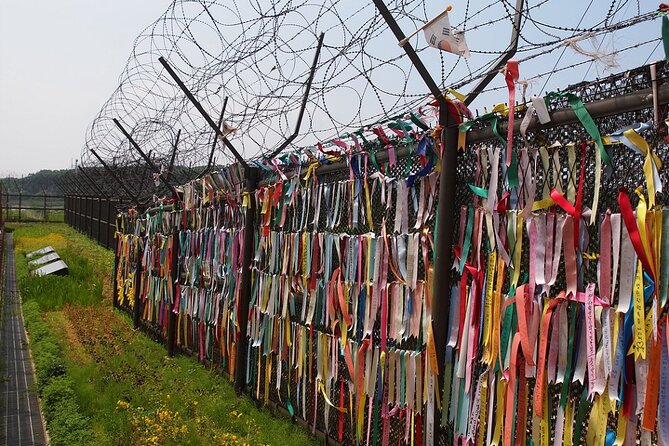
No matter which day you go, Imjingak Peace Nuri Park anchors the route. It’s not a random stop placed for convenience. It’s an emotional framing device: a park originally established as solace for refugees from North Korea during the Korean War.
The Freedom Bridge and the soldiers’ memorial theme are explicitly part of what you’ll see here. That matters because it keeps the tour from feeling like you’re simply walking around military-themed props. Instead, you’re learning how the war and division affected families and displacement—then you carry those ideas with you toward tunnels, observatories, and memorial bridges.
On top of that, there’s often time for Imjingak-ro and the North Korea Experience Hall. This is described as a newer attraction on the DMZ tour, offering a more educational way to satisfy curiosity about North Korea. Whether you love museums or not, this type of stop usually helps you avoid the common problem of DMZ tours: you see things, but you can’t tell which details matter most.
Practical tip: go in expecting structured information. If you want only the best photo spots, you might find the educational halls a little slower than you’d like. But if you care about meaning, this is a strong use of time.

The 3rd Tunnel and Dorasan Theater: A Tour That Explains What You See
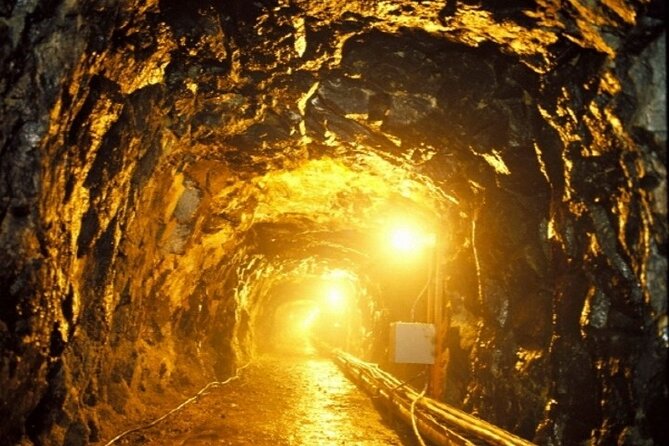
If you go Tuesday–Sunday, you’ll spend real time on the 3rd Tunnel segment. The tour schedule assigns it a 30-minute visit on those days, and the tunnel itself is physically intense by nature. Even when you’re not going far, it’s a site that makes scale feel real.
What I appreciate here is the way the tour follows up. After the tunnel, you get the theater/exhibition hall component with a short film, listed at 8 minutes. That’s the right length for most people on a long day: enough context to connect tunnel construction and purpose to the broader Korean War narrative, without eating up your entire afternoon.
Then the tour moves to Dorasan Observatory for border viewing. Think of this as the “human perspective” moment. You’ve been learning about strategy and division, and then you look outward from a specific vantage point.
The honest reality: views depend on weather and security. The tour’s own rules warn that DMZ access can be suddenly closed and that alternative sites may be used without prior notice, and refunds won’t be provided in those situations. That’s not meant to scare you—it’s meant to help you plan your expectations.
Gloucester Hill Memorial and Heroes Suspension Bridge on Mondays
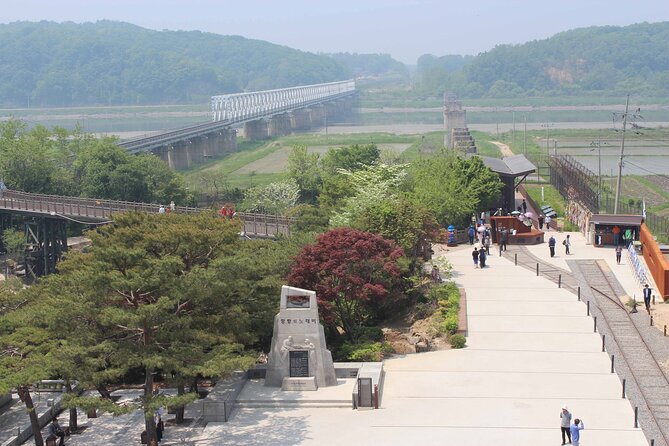
On Monday and public holidays, the “major sites” shift toward memorial and viewpoint stops—especially Gloster Hill Memorial Park and the Heroes Suspension Bridge.
In the tour description, Gloucester Hill is tied to war geography, and the bridge is described as Korea’s longest suspension bridge at the time of construction and a fierce battlefield during the Korean War. It’s also described as the first stop in that specific sequence.
If you’ve got a day that starts with Imjingak and ends at City Hall, this mid-late stretch is where the tour feels most meaningful. The memorial context makes the bridge stop feel like more than a viewpoint. And the suspension-bridge format gives you a sense of how terrain shapes movement, conflict, and today’s border arrangements.
Fitness note: the tour explicitly says visiting the 3rd Tunnel and Gamaksan Heroes Bridge is physically demanding. If you’re pregnant or you have a heart condition or other serious medical issue, it isn’t recommended. Even if you’re generally active, consider how quickly you want to pace through outdoor viewpoints and stairs.
Transportation Comfort and Group Size: What 40 People Means
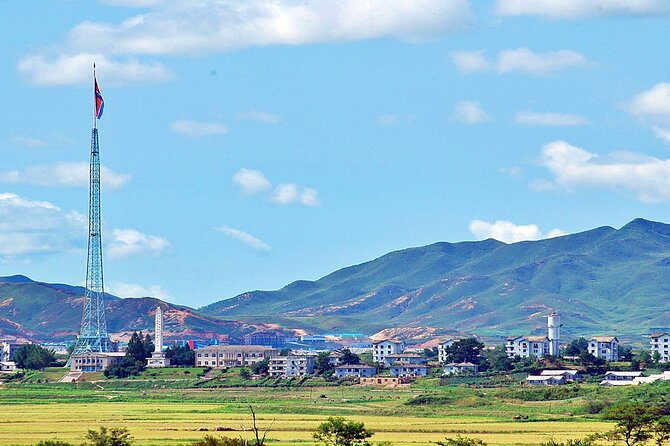
This isn’t a tiny private charter. The tour allows up to 40 travelers, and it requires a minimum of 5 participants to operate. On the ground, that usually translates to: you’ll have a friendly guide who keeps things organized, but you may not feel totally “alone” at each stop.
One reason the day tends to work anyway is the format. Pickup is handled from subway areas, and the guide does the timing. Several guide names come up in feedback: Mr Young, Roy, Sookhee, Chloe, and Veronica. The consistent themes are that the guides are organized, funny in a way that keeps attention, and able to manage crowd flow so you’re not guessing where to stand or when to move.
For you, the practical takeaway is simple: show up ready, follow the guide’s pace, and you’ll get far more than the time slots might suggest.
Value Check: Is $59 a Smart Buy for This DMZ Day?
For many travelers, DMZ tours feel expensive until you look closely at what’s included. At $59, you’re getting:
- a professional English-speaking guide
- transportation from Seoul
- multiple DMZ-connected stops
- third tunnel admission included
- other stops listed as free admission
- a mobile ticket system
What you’re not getting is lunch or drinks, plus your own hotel pick-up/drop-off isn’t included. That’s fair, and it keeps the price down. If you treat the day like a “bring your own lunch snacks” situation, the overall value can feel solid.
The biggest value driver is the day type. If you can only go on Monday/public holidays, this tour’s alternate routing helps you keep access to meaningful DMZ sites instead of losing the day.
If you can go Tuesday–Sunday and you really want the 3rd Tunnel experience and Dorasan views, then you’re matching your interests to the itinerary. That’s where the $59 price feels most aligned with what you’ll care about.
Weather, Security, and When the Plan Swaps
The DMZ is a military zone, and the rules say access can be suddenly closed without prior notice. The tour also warns that DMZ military schedules, traffic, or weather can lead to changes. In cases where Gloster Hill and the Heroes’ Suspension Bridge close due to conditions like heavy rain or snow, you may visit Odusan Unification Observatory or the War Memorial of Korea instead.
For you, this means you should pack and plan with flexibility:
- Bring layers. Morning temps can be chilly, and stops are outdoors.
- Wear shoes you can move in fast.
- If you’re booking a view-dependent stop, accept that fog or restriction can reduce what you see.
- If your schedule is rigid, keep in mind the tour notes that refunds aren’t provided for sudden restrictions.
Not fun news, but honest. And honestly, that’s how DMZ trips stay real.
Who This Tour Fits Best (and Who Should Skip It)
This tour is a strong match if you:
- want DMZ access from Seoul without a rental car
- can handle an early start and a busy schedule
- like guided context for heavy history
- want a Monday/public holiday option that doesn’t just turn into filler
You should think twice if you:
- need a fully relaxed day with long free time
- have a heart condition, serious medical issue, or you’re pregnant (the tour specifically warns the route is physically demanding on certain stops)
- want a guaranteed tunnel visit on a Monday, because the itinerary is built around closure reality
One more detail that helps your decision: some stops are short. People describe “very limited time at each stop,” so this isn’t a wandering, take-your-time itinerary. It’s a see-it, learn-it, move-it day.
Should You Book the 365-Day DMZ Special Tour?
I’d book it if your priority is a guided, efficient DMZ day that still works on Mondays and public holidays. The $59 price makes sense when you consider you’re paying for transport plus a guided structure across multiple meaningful sites, with the 3rd Tunnel included on days it operates.
I’d be cautious if you’re sensitive to physical demands or if you’re booking strictly for one “must-see” viewpoint that depends on weather or access. The tour can swap sites when conditions change, and the rules say refunds aren’t provided for sudden security restriction.
If you’re okay with an early start, a full schedule, and the possibility that the exact view may vary, this is one of the more practical DMZ choices from Seoul—especially if your calendar forces you onto a Monday.
FAQ
What days can I visit the 3rd Tunnel?
The 3rd Tunnel is listed for visits on Tuesday to Sunday. On Mondays and public holidays, the itinerary follows a different route in case the 3rd Tunnel is closed.
How long is the tour and when does it end?
The duration is listed as about 9 hours and the tour typically ends around 3:30pm back at City Hall Station.
Is pickup included, and where do I meet the group?
Pickup is included from a shortlist of Seoul subway stations (the tour description says four options, and the meeting point lists City Hall Station as the start). You’ll need to select your pickup option from the available choices.
Is lunch included?
No. Lunch is not included, and the tour doesn’t include food or drinks.
Is the tour suitable for people with medical conditions or pregnancy?
The tour says visiting the 3rd Tunnel and Gamaksan Heroes Bridge is physically demanding, and it is not recommended for individuals with heart conditions, other serious medical issues, or for pregnant women.
How many people are in the group?
The tour has a maximum of 40 travelers and requires a minimum of 5 participants to operate.