REVIEW · SEOUL
Ultimate Korea DMZ Tour from Seoul (Gondola & Suspension Bridge)
Book on Viator →Operated by VIP TRAVEL Co.Ltd · Bookable on Viator
One day, then the border feels close. This DMZ day trip strings together the gondola ride across the Imjin River plus the most memorable reunification sites near the Civilian Control Line, all with a guide who keeps the story moving. I especially liked the gondola view angle and how the tour blends major landmarks like the Bridge of Freedom with stops that explain what the Korean War still changed for real families. Just know this is not a sit-down tour; you’ll do walking in a limited area around the tunnel and you should have a decent fitness level.
You start in central Seoul at one of three meeting points (Myeongdong Subway Station Exit 9, Seoul City Hall Subway Station Exit 6, or Hongdae Subway Station Exit 3). Then it’s a long but organized day in an air-conditioned vehicle, with a mobile ticket and entry fees/taxes handled for you.
The vibe is family-friendly, but the content is serious. You’ll spend your day looking at memorials, checkpoints, and viewpoints tied to division and reunification, including Dora Observatory and the Peace Bell at Imjingak Park, which is a lot to take in before you even consider the optional suspension bridge stop.
In This Review
- Key highlights that make this DMZ day different
- Why the Gondola Across the Imjin River is worth planning for
- Getting picked up downtown and dealing with a 7.5-hour day
- Imjingak Peace Park, Freedom Bridge, and the hope theme that keeps showing up
- The DMZ experience: tunnel walking and what the gondola changes
- Stop: Third Tunnel
- Gondola add-on: a second viewpoint
- Dora Observatory at Dorasan: closest official view and the telescope moment
- Imjingak relics: Peace Bell, Iron Horse, and Dokgae Bridge
- The Unification Bridge checkpoint and why your ID matters
- Optional suspension bridges near the DMZ: short, scenic, and physically honest
- Gamaksan Red Suspension Bridge
- Majang Lake suspension bridge
- Food, comfort, and walking: what you should prep for
- Price and value: why $35 can work if you want the full package
- So who should book this DMZ tour?
- Should you book Ultimate Korea DMZ Tour from Seoul with Gondola and Suspension Bridge?
- FAQ
- How long is the DMZ tour from Seoul?
- What’s the price per person?
- What does the tour include?
- Is lunch included?
- Do I need a passport or ID for the checkpoint?
- Is the gondola ride included or optional?
- Where do you meet in Seoul?
- Where do you get dropped off?
- How many people are on the tour?
Key highlights that make this DMZ day different
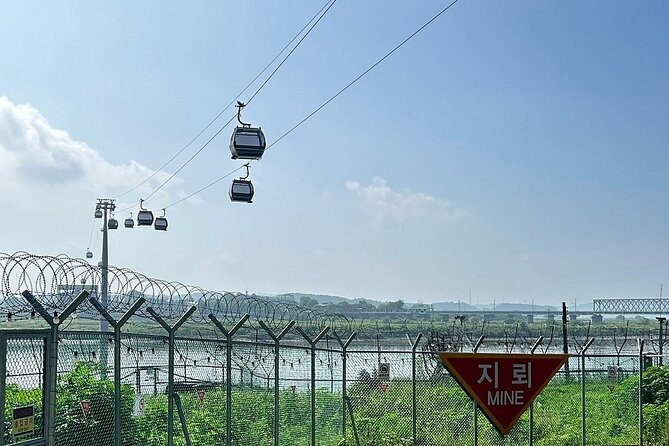
- Paju Imjingak Peace Gondola: an optional birds-eye ride across the Imjin River; completed in 2020.
- Third Tunnel: a must-see stop that includes walking in tight space around the tunnel area.
- Dora Observatory: South Korea’s closest viewing point for North Korea, with telescopes and views from Dorasan.
- Imjingak Park icons: the Peace Bell (21-ton bronze, cast in 2002) and the steam locomotive at Jangdan Station of the Gyeongui Line.
- Multiple checkpoints: you’ll do ID checks at the Unification Bridge military checkpoint.
- Optional suspension bridge add-ons: Gamaksan Red Suspension Bridge (150 m) and Majang Lake suspension bridge (220 m), if you choose them.
Why the Gondola Across the Imjin River is worth planning for
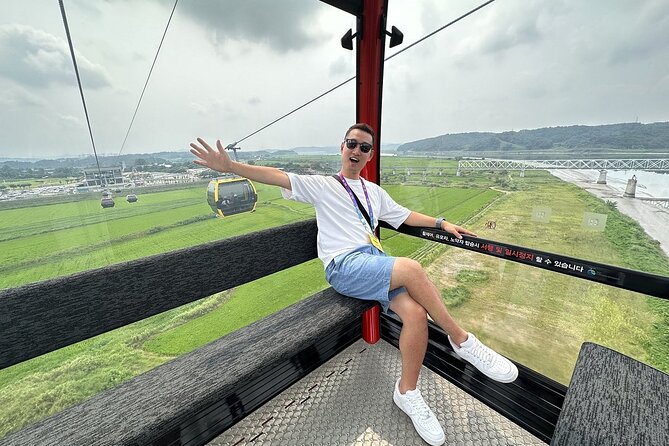
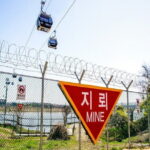
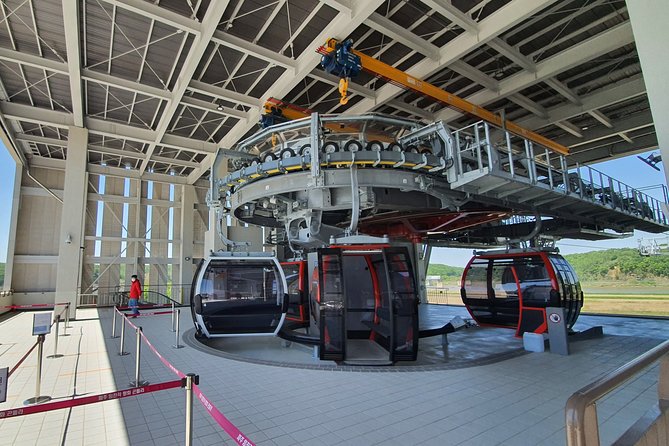
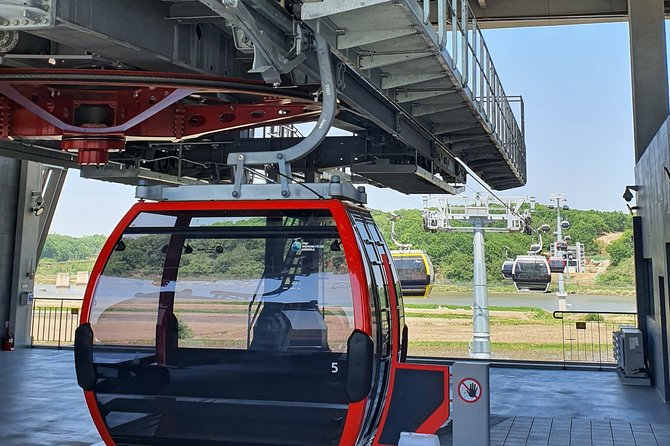
The gondola is the kind of detail that changes how the whole DMZ day lands. Instead of only standing on land, you get an elevated view over the Imjin River area and the broader DMZ region as you move across. That perspective helps you connect the geography to the stories you’re hearing on the bus.
The gondola is listed as optional, but the fact that it’s completed in 2020 matters. It tends to feel like a modern, controlled way to experience a place that’s otherwise defined by restrictions and silence. If you’re choosing only one “add-on” mindset for the day, this is the one that gives you a different angle.
One practical tip: keep your schedule energy for this portion. The day already has several timed stops, and once you’re committed to the gondola, you’ll want to stay calm and flexible with your pace afterward.
You can also read our reviews of more tours and experiences in Seoul.
Getting picked up downtown and dealing with a 7.5-hour day
This tour is built for people staying in central Seoul. You get three easy meeting points tied to major subway stations, so you’re not hunting for a hotel lobby or guessing which side of town your driver found you.
The timing is also the whole game. The total duration is about 7 hours 30 minutes, and the route stacks a lot of stops into that window. That’s great if you want “see a lot, learn a lot” without transferring on your own, but it also means the day feels compact. You’ll likely be moving on and off buses repeatedly, and there’s less time for lingering.
On comfort: the vehicle is air-conditioned, and many stops include admission tickets. But the day still includes outdoor areas near the DMZ and walking in restricted sites. Bring practical shoes and expect that your legs will be doing more work than your camera does.
Drop-off is flexible: you can get off at Hongdae, Seoul City Hall, or Myeongdong, depending on what’s listed for your departure that day. So you can finish the tour and still have an easy path to food, coffee, or a bit of shopping without getting back into a long transit puzzle.
Imjingak Peace Park, Freedom Bridge, and the hope theme that keeps showing up
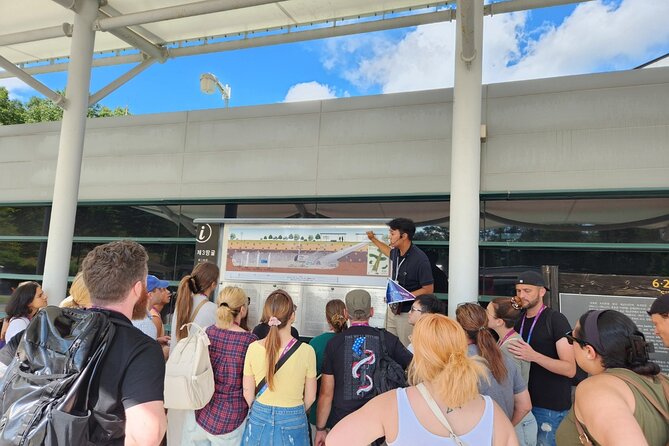
Imjingak Peace Park is where the tour starts shifting from “the war happened here” to “this is what people still hold onto.” You’ll spend time at Imjingak Pyeonghwa-Nuri Park, described as a reunification-themed attraction with exhibits, plus major landmarks like the Dokgae Bridge area and nearby historic relics.
Then you move to the Bridge of Freedom, a temporary wooden span built in 1953 after the armistice. It replaced a destroyed railroad bridge over the Imjin River and carried 12,773 prisoners to the South. Even if you already know the Korean War basics, that specific number is the kind of detail that makes the story feel concrete instead of abstract.
What I like about this section is the pacing. The park and bridge stops are structured so you’re not just looking at signs. You’re hearing the connection between division and what reunification represents today, and the stops are spaced enough that you can mentally reset between heavier moments.
If you care about photo opportunities, this area is where you’ll likely feel the most comfortable taking pictures. Some other DMZ viewing points have stricter rules, but the Imjingak zone is generally the place you can move around and get context fast.
The DMZ experience: tunnel walking and what the gondola changes
The centerpiece of the DMZ day is the combination of the Third Tunnel and the gondola ride option. The DMZ itself is described as a 4 km-wide strip that has separated North and South since 1953. So you’re not just driving near a border in a vague way—you’re spending time in the curated visitor areas that interpret what that split means.
Stop: Third Tunnel
The Third Tunnel (also called the 3rd Infiltration Tunnel) is located 12 km from Munsan and about 52 km from Seoul. It’s a stop you’ll want to treat as active, not passive. There’s walking involved, and it’s not a long stroll where you get plenty of room to pause and browse.
From what people flag on this tour, you may spend time moving through or around the viewing parts and then do a return walk that can feel tiring. The upside is that it’s one of those places where you see the scale and physicality of the conflict-era choices, not just the headline version.

Gondola add-on: a second viewpoint
After the tunnel stop, the gondola gives you that “okay, now I can see it” feeling. You’re back to moving and looking, but from a height and across the river. This helps the whole DMZ story connect: tunnels show the underground approach, while the gondola shows the visible geography.
Just be ready for real rules on photography and timing. Some areas limit what you can capture, and the tour keeps you moving to stay compliant with the situation on the ground.
Dora Observatory at Dorasan: closest official view and the telescope moment
Dora Observatory is rebuilt in 2018 and it offers South Korea’s closest view of North Korea. It’s been set up since 1986, and it sits at the top of Dorasan, which is part of why this stop matters so much.
This is where the day turns from “history and memorials” into “you’re looking at the other side.” The tour is designed to bring you to a controlled viewing point, and it’s one of the most practical ways to understand the distance and scale of division.
The best part here is the focus. You’re given time to look and take in what you can see from the official spot. If you’re the type who likes to understand where you’re standing and what you’re facing, Dora will feel like a payoff.
Also, keep in mind that conditions can change how much you can see. So don’t treat the telescope moment as a guarantee of a perfect view. Think of it as your best chance from this location and time.
Imjingak relics: Peace Bell, Iron Horse, and Dokgae Bridge
Between the big DMZ checkpoints and tunnel/dora viewing, this tour also builds in a strong memorial-and-relic stretch.
- Pyeonghwauijong Peace Bell: a 21-ton bronze symbol of reunification in Imjingak Park, cast in 2002. The bell is treated like a spiritual centerpiece, and it’s the kind of stop that hits differently after you’ve heard the war stories earlier in the day.
- Steam locomotive at Jangdan Station (Gyeongui Line): a weathered steam locomotive sometimes called the Iron Horse. The tour frames it as a remnant of the rail line that was halted by the Korean War.
- Dokgae Bridge: built in 1950 and scarred by the war. It once linked North and South across the Imjin River, and now it works as a concrete reminder that bridges and routes are more than infrastructure in a divided country.
I like this section because it gives you variety. You get metal and bronze and weathered steel, instead of only modern visitor centers and viewpoints. It’s also where a good guide makes the biggest difference. The stories turn “old objects” into “evidence of disruption.”
The Unification Bridge checkpoint and why your ID matters
One stop you should take very seriously is the Unification Bridge military checkpoint area. The tour notes that soldiers will inspect the bus and carry out ID verification checks.
You’re asked to have a passport, Military ID Card, or a South Korea-issued ARC. That’s not optional trivia. It’s the kind of thing that keeps the day running and prevents delays.
So here’s your practical move: double-check you have the right document before you leave your meeting point. Don’t rely on your phone photos or the fact that you’re “probably fine.” The whole tour is built around getting into controlled zones, and this is one of the gates that can slow you down if you’re unprepared.
Also remember: the checkpoint timing is part of the schedule, so you don’t want to spend extra minutes hunting for documents.
Optional suspension bridges near the DMZ: short, scenic, and physically honest
If you choose the optional stops, you’ll get a break from memorial heaviness and switch into a more active scenic moment.
Gamaksan Red Suspension Bridge
This is a 150-meter-long suspension bridge built in 2018 near the DMZ. The tour lists it as narrow (about 1.5 meters wide) and designed to hold up to 900 adults. That width is why it feels like more of a personal challenge than a wide-open promenade.
Majang Lake suspension bridge
Majang Lake’s suspension bridge is 220 meters, built in 2017. The tour frames it as crossing a reservoir turned urban oasis, and it’s described as bouncy in motion.
What I like about these optional bridges is that they help you reset. After the seriousness of tunnels and checkpoints, a short bridge walk gives you a physical “move your body, see something pretty” moment. Just don’t treat it like a casual stroll. The bridges involve getting up, stepping out, and crossing while you manage balance and wind.
If you’re sensitive to heights, narrow bridges may not feel comfortable, even if views are good.
Food, comfort, and walking: what you should prep for
Lunch is not included. That matters because the day is long and you’ll likely want something planned for the in-between gaps, especially if you’re someone who gets hungry but forgets to snack because the day feels intense.
On comfort, the big reality is walking in limited spaces. The Third Tunnel stop involves constrained movement and some return walking that can feel hard if you’re not used to uphill segments. Even if you consider yourself “fine on your feet,” this is the kind of day where you’ll notice the cumulative fatigue.
Here’s what you can do to make it smoother:
- wear closed-toe shoes you can trust
- bring a light layer in case you’re outdoors early or later
- pace yourself for the tunnel area so you’re not rushing at the bottom and then paying for it on the way up
If you’re with a group that needs slower pacing, the tour is still designed to keep the schedule moving. A strong guide helps a lot, and people have praised guides like Nancy, Hana, Diane, Crystal, Emily, Alex (MJ), Gogo, Ray, Kelly, Moon, and Alice for staying organized and explaining the stops clearly. Names vary by date, but the emphasis on guide-style storytelling is consistent.
Price and value: why $35 can work if you want the full package
At $35 per person, the price is the big hook. The value isn’t just “cheap.” It’s cheap because the tour bundles a lot: round-trip transportation from Seoul, an air-conditioned vehicle, and all fees and taxes.
You’re also paying for multiple paid-entry style stops and experiences across the DMZ zone, including admissions for major sites like the gondola option, tunnel, Dora Observatory, and several memorial landmarks. Lunch is not included, so you’re not getting food fully covered, but the admissions and transport piece is handled.
This is the kind of deal that makes sense if you want one organized day instead of piecing together separate transport, tickets, and timing. If you only want one or two stops, the value might feel less obvious. But if you want the whole story arc, it’s a strong match.
And if you’re traveling with family, the structure can be a win: the tour is designed for a wide range of ages, with a lot of time spent at interpretive places rather than only hardcore military viewing.
So who should book this DMZ tour?
Book it if you want:
- a full day of DMZ-related sites without navigating logistics yourself
- the gondola ride option and the Third Tunnel/Dora Observatory combo
- a guide-led history-and-reunification narrative at multiple stops, not a single viewpoint tour
It’s also a good fit if you like variety. You’ll go from memorial bridges and bells to telescopes and tunnels, then possibly to suspension bridges for a physical reset.
You might skip or rethink if:
- you’re limited on mobility and can’t handle walking in tight or uphill areas
- you want a low-footprint day with minimal schedule pressure
Should you book Ultimate Korea DMZ Tour from Seoul with Gondola and Suspension Bridge?
I’d book it if you’re in Seoul and you want the DMZ day to feel like a complete chapter, not a rushed “look and leave” stop. The gondola option, the Third Tunnel visit, and Dora Observatory are the three big reasons this works as a single tour, and the Imjingak Park relics (like the Peace Bell and the Iron Horse locomotive setting) add emotional context without turning everything into a museum lecture.
If you do book, go in with the right expectations: bring an ID that works for the checkpoint, wear shoes for walking, and accept that some areas have restrictions that affect photography. Then you’ll get the best version of this day: a guided, practical route through one of the most intense places on earth, with enough variety to keep it from feeling like one long, heavy stare.
FAQ
How long is the DMZ tour from Seoul?
It runs about 7 hours 30 minutes (approx.).
What’s the price per person?
The price is $35.00 per person.
What does the tour include?
It includes an air-conditioned vehicle, all fees and taxes, and a best tour guide. Admission tickets are included for the listed paid stops.
Is lunch included?
No. Lunch is not included.
Do I need a passport or ID for the checkpoint?
Yes. At the Unification Bridge military checkpoint, soldiers will do ID checks, and you should bring a passport, Military ID Card, or a South Korea-issued ARC.
Is the gondola ride included or optional?
The Paju Imjingak Peace Gondola is marked as optional. Admission is included if you do the gondola.
Where do you meet in Seoul?
You meet at one of these downtown locations: Myeongdong Subway Station (Exit 9), Seoul City Hall Subway Station (Exit 6), or Hongdae Subway Station (Exit 3).
Where do you get dropped off?
Your drop-off options are Hongdae, Seoul City Hall, or Myeongdong.
How many people are on the tour?
The maximum group size is 150 travelers.