REVIEW · SEOUL
Seoul: War Memorial of Korea Private Guided Museum Tour
Book on GetYourGuide →Operated by Gangwon Peace Tours · Bookable on GetYourGuide
The Korean War still shapes Korea today. A private, English-guided walk through the War Memorial of Korea helps you connect the dots between the conflict and the modern two Koreas, with Korean War Room I–III as the core. I like how the guides bring both war-and-politics context and peace-minded perspective, and they use extra picture and document handouts to make details easier to remember. One drawback to consider: it’s only a 2-hour circuit, so if you want to linger in every gallery, the pace can feel a bit tight.
Here are the two things I truly like about this tour. First, it’s structured specifically around understanding the Korean War rather than just reading plaques, so you get a clearer story fast. Second, the presentation aims to stay neutral and balanced, including multiple angles on what happened and how it’s remembered.
The main consideration is timing. One guest felt the visit could have used another hour to slow down, especially if you want to stop and stare at exhibits for longer than the guide’s flow allows.
In This Review
- Quick takes before you go
- Why the War Memorial of Korea matters before the DMZ
- Private, 2-hour format: what you actually cover
- Finding the meeting point: the Statue of Brothers, Samgakji exit 12
- Inside Korean War Rooms I–III: the themes you’ll notice right away
- How the handouts and document copies boost your memory
- A guide with history, politics, and peace studies (and why it feels balanced)
- Price and value: $100 per group up to 5
- What’s included, and what to plan around
- Who this tour fits best (and who might not)
- Should you book the Seoul War Memorial of Korea private tour?
- FAQ
- How long is the War Memorial of Korea private guided tour?
- What language is the live guide speaking?
- Is this tour private, or shared with other groups?
- Where do we meet the guide?
- What is included in the price?
- Do we get food or drink during the tour?
- Is the tour wheelchair accessible?
Quick takes before you go
- DMZ prep in disguise: It’s a built-in foundation for making sense of later trips to the demilitarized zone.
- Private group, up to 5: You’re not pushed along with strangers, and questions actually get time.
- Korean War Room I–III focus: The tour is designed around key rooms, not a random museum wander.
- Neutral framing: You get a well-balanced look at the war as a civil conflict with international forces involved.
- Handouts that add context: You’ll get complementary pictures and document copies that help you connect exhibits.
- English live guide with strong backgrounds: Guides draw on history/politics, peace studies, and DMZ tour experience.
Why the War Memorial of Korea matters before the DMZ
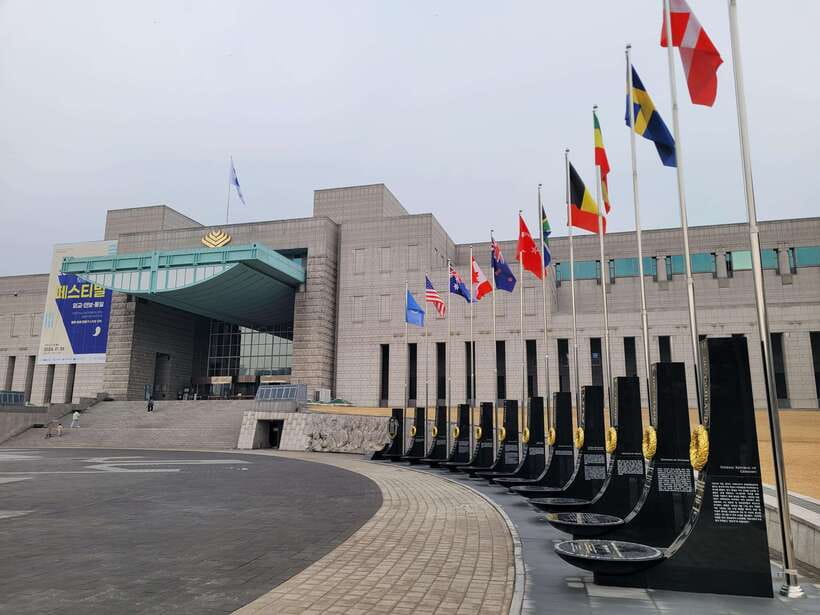
If your plan includes a future DMZ tour, this is the place to start. The Korean War isn’t distant background noise. It’s the explanation for why the peninsula is still divided, why borders hardened, and why narratives differ so sharply between the North and the South.
What I like is the way the tour treats the museum as more than a collection of artifacts. You’re guided to see how the conflict connects to modern identity and politics. The goal is practical: by the time you finish, you should feel less lost when you hear terms, timelines, and outcomes later on.
Also, the tour doesn’t try to turn the museum into a single-voice lecture. The guides aim for a neutral and well-balanced perspective and frame the war as both a local civil struggle and a conflict shaped by international dynamics. That framing matters because it changes how you interpret what you see on the walls.
You can also read our reviews of more guided tours in Seoul


Private, 2-hour format: what you actually cover
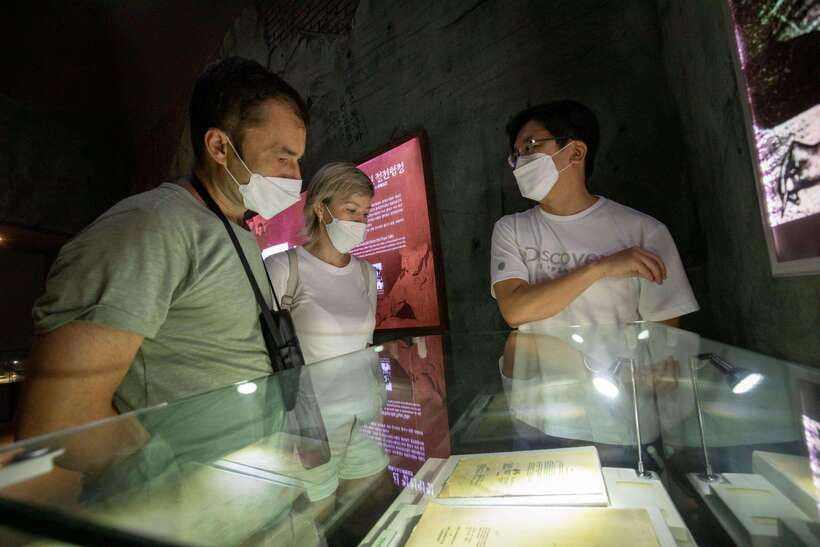
This is a private guided walking tour for a group of up to 5 people, running about 2 hours. That format is a big deal in a museum like this. The War Memorial of Korea is large, and when you go unguided, you often end up hopping between rooms without building a mental timeline.
With a guide, the two-hour window becomes an efficient learning path. The tour focuses on the Korean War Room series—Rooms I through III—so you can expect the main story arc and key exhibits to be connected rather than scattered.
The trade-off is that you’re still walking and learning at a set tempo. If you love museums the way others love slow cafes—stopping often, reading every label, comparing details—two hours may feel like it flashes by. But if you want understanding quickly, without spending half a day, this duration is a sweet spot.
Finding the meeting point: the Statue of Brothers, Samgakji exit 12
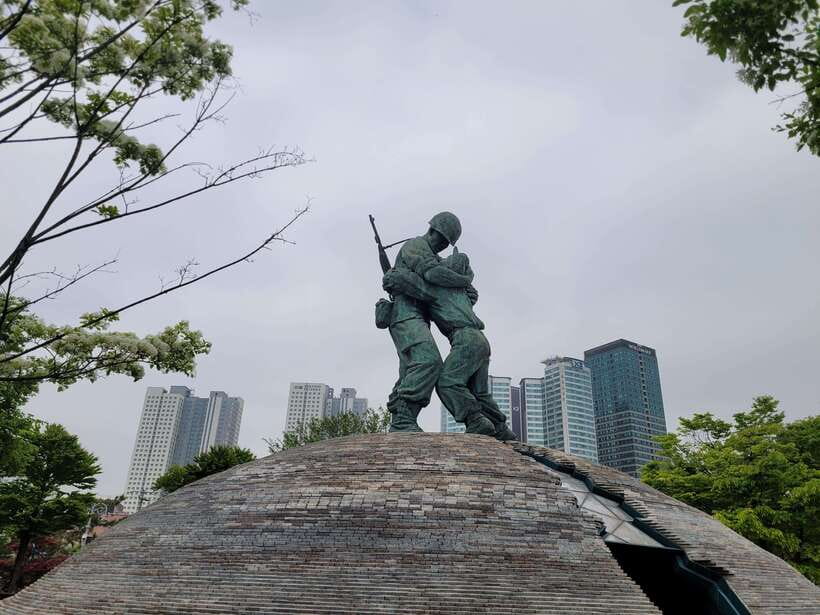
Meeting is under the Statue of Brothers (Korean: 형제의 상), in the south-west corner of the exterior exhibit area at the War Memorial of Korea. It’s easy to locate if you arrive via Samgakji Station.
Here’s the practical path: come to the War Memorial from Exit No. 12 of Samgakji Station on Subway Lines 4 and 6, then look for the Statue of Brothers. Your guide will be waiting with a sign for the tour title, Korean War Memorial Guided Tour by Gangwon Peace Tours.
This kind of meeting point clarity is exactly what you want on a first-time museum visit. Less time hunting, more time learning.
Inside Korean War Rooms I–III: the themes you’ll notice right away
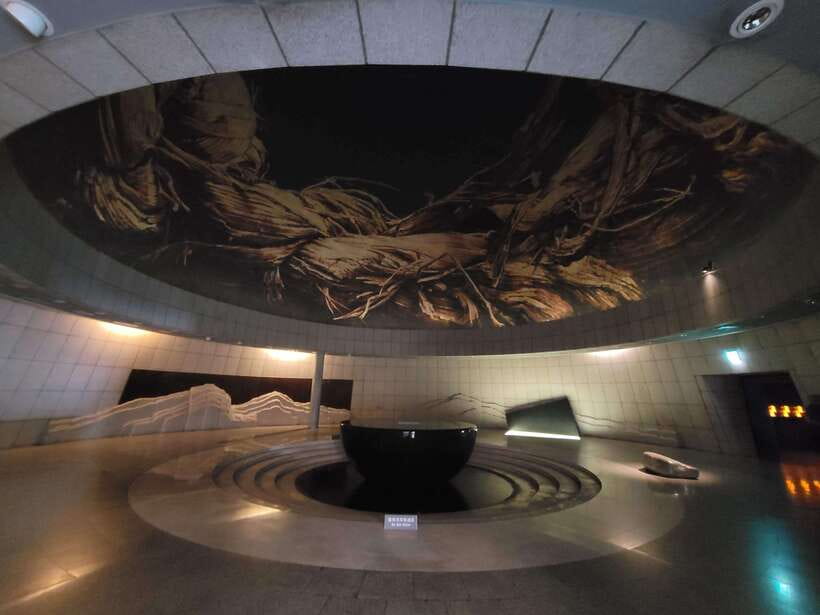
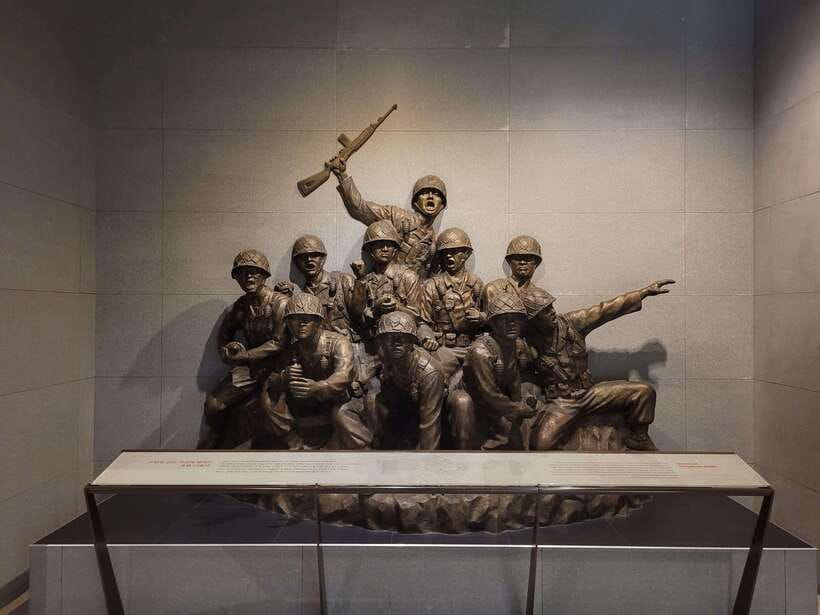
The heart of the experience is the guided look at Korean War Room I–III. Expect the guide to connect exhibits to bigger questions: what started the war, how it unfolded, and why the consequences shaped modern Korea.
Instead of treating the rooms like isolated chapters, the tour helps you build a storyline. That’s important because Korean War exhibits can feel intense and overwhelming if you’re trying to sort cause and effect on your own. With a guide, you’re given a structure so the museum stops being a set of separate scenes.
You’ll also get help interpreting the museum’s message. The tour is designed to point out features of the Korean War throughout the exhibition—and to share hidden stories and less-obvious context. In other words, you’re not only looking at what’s displayed. You’re also learning how museums choose what to emphasize, and what you might miss if you only skim.
The guide will keep a calm, objective tone. In practice, that means you’re encouraged to notice both what’s emphasized and how different viewpoints can exist around the same events.
How the handouts and document copies boost your memory
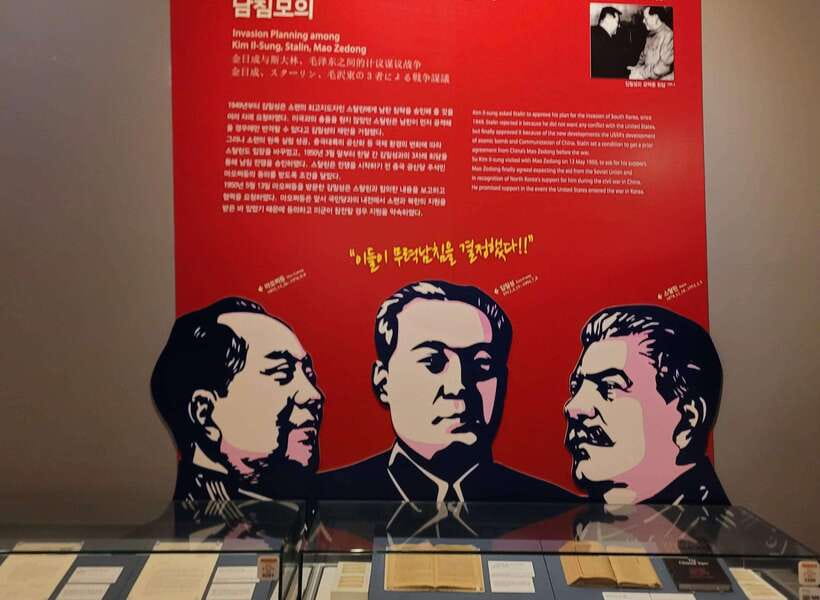
One of the smartest parts is the added materials. The tour includes complementary pictures and copies of documents. This isn’t just a nice extra. It’s how you turn “I saw it” into “I remember it.”
Museums can be tough after you’ve walked into another room, another hallway, another display. The handouts give you something to review mentally later, especially for dates, names, and specific incidents that are easy to lose once you move on.
I also like that the tour uses these materials to highlight different aspects of the Korean War, including stories that may not jump out instantly from standard exhibit text. Even if you’re a strong museum reader, the extra visuals and documents help you anchor the main points.
And yes, it’s still a walking tour. You’re not sitting through a slideshow. The handouts work alongside what you see in the rooms.
You can also read our reviews of more private tours in Seoul



A guide with history, politics, and peace studies (and why it feels balanced)
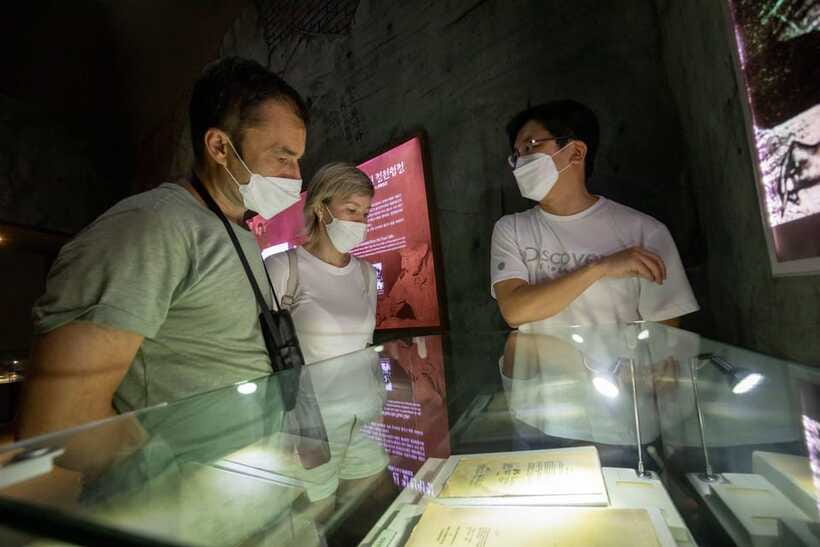
The people leading the tour matter. These guides aren’t coming purely from general tour guiding. They bring professional backgrounds in Korean history and politics, peace activism and/or peace studies, and they’ve also done DMZ tours.
That mix shows in how the tour flows. You’re not just getting dates and battles. You’re also getting a sense of what the war meant for civilians and how peace studies affect interpretation—especially when the conflict is politically charged.
You’ll also get a practical kind of “balance.” The guides aim to show incidents and facts from both sides of Korea, not just one narrative. One guest specifically praised Kichan Lee for delivering a balanced presentation and for answering follow-up questions well, and others highlighted how guides stayed objective while still being passionate about the social impact of the war.
If your goal is to leave the museum with fewer blind spots, that objectivity is part of the value. It helps you process what you see without feeling like the story is being forced into a single frame.
Price and value: $100 per group up to 5
The price is $100 per group up to 5 people. That can be a bargain—or not—depending on how you travel.
If you’re traveling as a pair or a small group, the cost per person drops fast compared to per-person pricing models. At up to five people, you’re paying for a single private guide, which is exactly how you want to spend money when you care about understanding a complex topic.
Is it worth it? In my view, it is if you want structure and interpretation inside a big museum. Going alone is possible, but the main value here is the guide’s ability to connect rooms, share context, and help you interpret why certain stories are highlighted. That’s hard to replicate with just reading signs.
If you’re the type who loves self-paced museum roaming and you’re comfortable building context from scratch, you might decide to skip a guide. But if you want the museum to make sense in one sitting, the private format helps you get there faster.
What’s included, and what to plan around
Included is straightforward: a tour guide and the walking tour. Food and drink are not included, so I’d plan a snack before or after if you need one.
Also note: alcohol and drugs aren’t allowed. So keep it simple, stay comfortable, and focus on the exhibits and guided discussion.
The tour is live and in English, and it’s wheelchair accessible. One important practical note from the provided information: it lists that the experience is not suitable for visually impaired or hearing-impaired people. If those factors affect your group, you’ll want to think carefully before booking.
Who this tour fits best (and who might not)
This is a great match if you:
- want a fast, organized way to understand why the Korean War still matters
- plan to do a DMZ-related visit and want context first
- prefer private guidance (up to five people) instead of joining a large group
- care about balanced interpretation, not just a single narrative
It may be less ideal if you:
- need extra time in every gallery and hate feeling rushed
- prefer to read slowly on your own without being guided through key rooms
And if you’re going with older family members or anyone who has mobility or sensory needs, check the suitability notes first. It’s listed as wheelchair accessible, but it’s not marked suitable for visually or hearing-impaired guests.
Should you book the Seoul War Memorial of Korea private tour?
I’d book it if your priority is understanding the Korean War with structure, balance, and real interpretation inside the War Memorial of Korea. The private format, the Korean War Room I–III focus, and the added document-style handouts are a strong combination for people who want meaning, not just photos.
If you’re sensitive to pace, plan your day with that in mind. Two hours is designed to cover the essentials. If you think you’ll want to linger constantly, you might still book the tour, but set your expectations that there’s a guided flow.
Finally, the booking setup is flexible: you can reserve now and pay later, and you can cancel up to 24 hours in advance for a full refund. That makes it easier to fit into a Seoul itinerary without too much stress.
FAQ
How long is the War Memorial of Korea private guided tour?
The tour lasts about 2 hours.
What language is the live guide speaking?
The live tour guide speaks English.
Is this tour private, or shared with other groups?
It’s a private group tour for up to 5 people.
Where do we meet the guide?
Meet under the Statue of Brothers (형제의 상), in the south-west corner of the exterior exhibit area. The Statue of Brothers is easy to find when coming from Samgakji Station exit 12 (Lines 4 and 6).
What is included in the price?
The included items are the tour guide and the walking tour.
Do we get food or drink during the tour?
No. Food and drink are not included.
Is the tour wheelchair accessible?
Yes, it’s listed as wheelchair accessible, but it is not suitable for visually impaired people or hearing-impaired people.