REVIEW · SEOUL
Seoul: Experience Korean Cooking in Modern Hanok Kitchen
Book on GetYourGuide →Operated by O'ngo Food Communications · Bookable on GetYourGuide
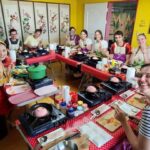
A Korean cooking class in a modern hanok sounds charming. What makes it actually worth your time is that you cook your own food, guided step-by-step in a renovated Bukchon kitchen. I like the calm, patient teaching style (including ingredient prep first), and I love how the class adapts for different diets so you still end up with a real, satisfying plate. One thing to watch: it’s only 2 hours, so you’ll want to show up on time and keep your pace during the cooking.
This isn’t a museum stop or a tasting platter. You’ll be working at your station, seasoning, cooking, and then eating what you made. And the setting matters: a hanok studio keeps the experience grounded in Korean home life, even with modern comforts.
In This Review
- Key things I’d circle before you book
- Why a modern hanok kitchen in Bukchon changes the class
- The dishes: Bibimbap plus your second plate from Korean favorites
- How the 2 hours actually works in the kitchen
- Dietary needs: the chef’s quick switch matters more than you think
- The culture lesson you’ll use when you shop and cook later
- Price and value: does $84 make sense for Seoul?
- Meeting point near Bukchon: how to avoid the day getting annoying
- Who this cooking class is best for (and who should skip it)
- Should you book? My take on making the call
- FAQ
- FAQ
- What is the duration of the cooking class?
- How much does it cost?
- Where is the meeting point?
- Is there an English-speaking guide?
- What dishes will I make?
- Can the chef customize dishes for diet restrictions or allergies?
- Do I cook my own food or just watch?
- What if I’m late to the meeting point?
- Is there free cancellation and can I pay later?
Key things I’d circle before you book
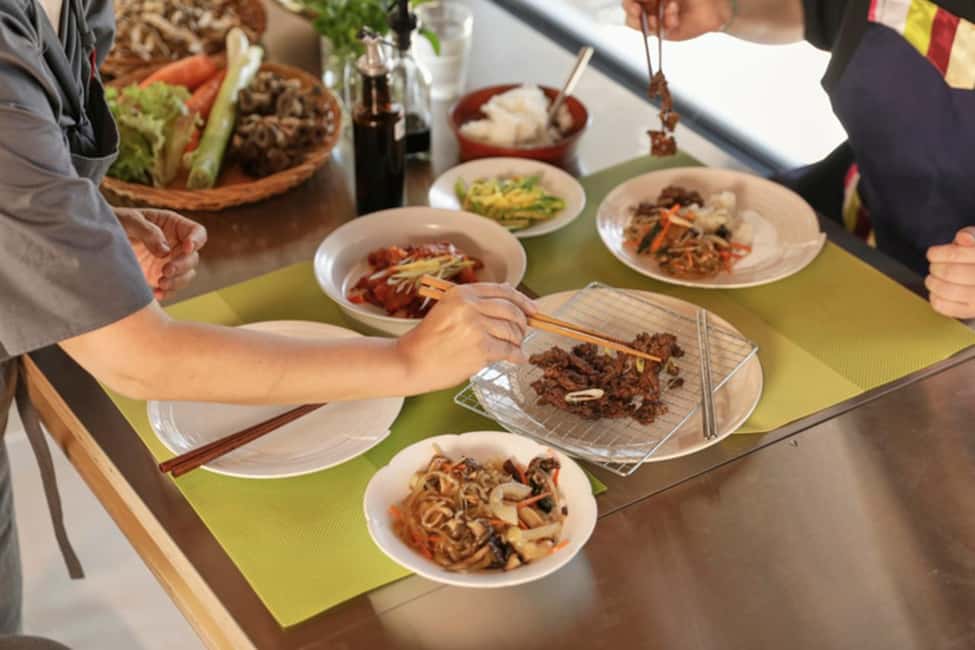
- Modern hanok studio in Bukchon: Traditional atmosphere with a practical, classroom setup
- You cook at your own station: Not just watching, not just sampling
- Bibimbap training at the center: Rice-bowl technique with seasonal vegetables and egg
- Flexible diet handling: Meat can become tofu fast if you tell the chef
- Two dishes, not one: More bang for your $84, with real leftovers potential
Why a modern hanok kitchen in Bukchon changes the class
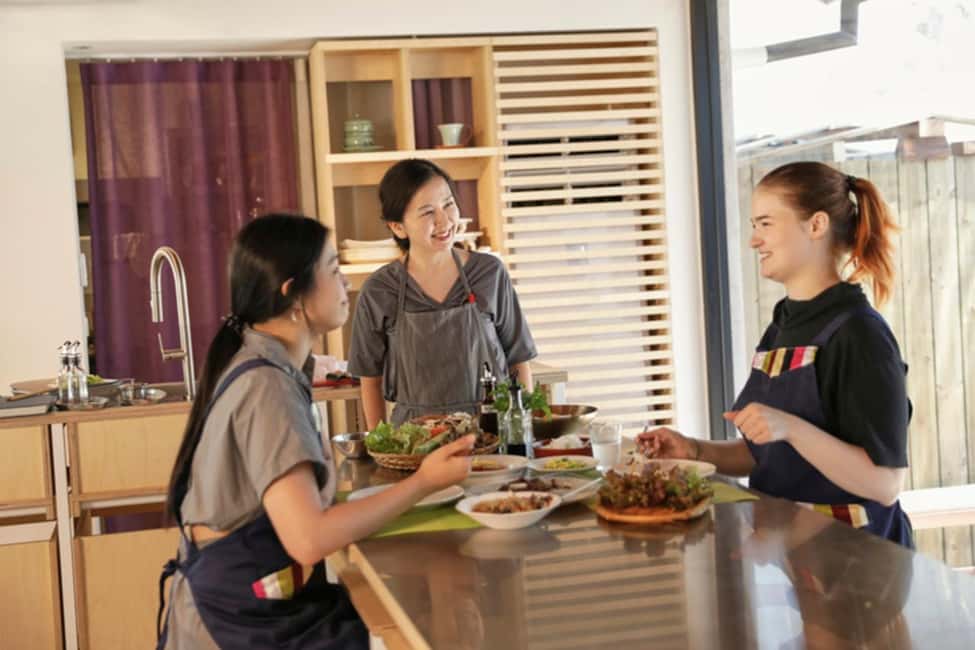
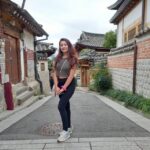
Bukchon is one of those Seoul neighborhoods where you feel the layers of the city. You’ve got preserved traditional houses nearby, and the streets around them still have that slow, walkable rhythm. The cooking studio puts you inside that story—specifically in a recently renovated, modern hanok space—so it feels less like a commercial kitchen tour and more like a Korean home-meets-workshop moment.
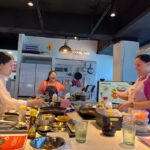
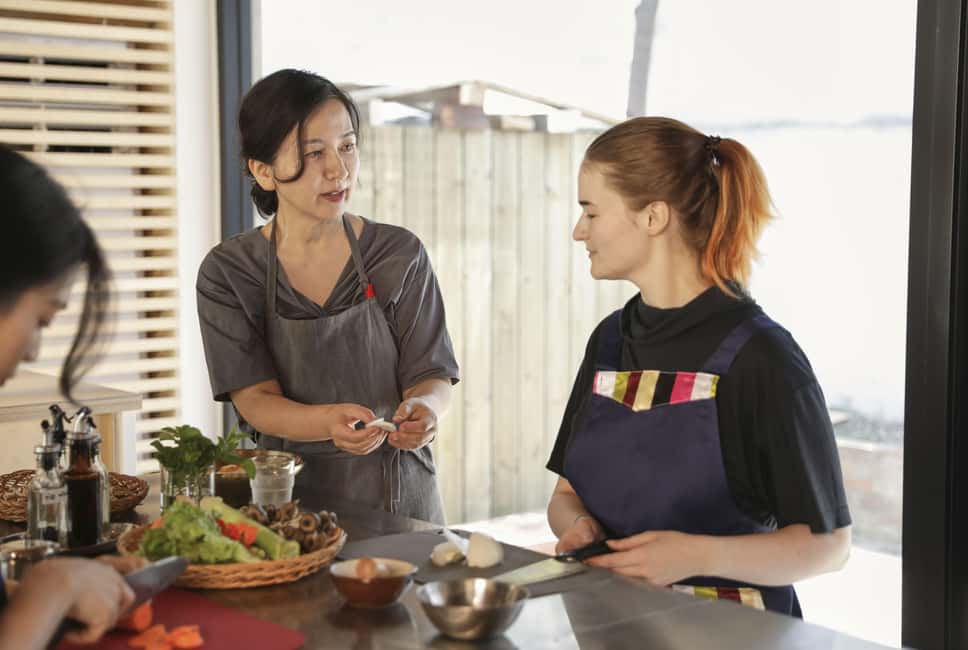
The biggest practical win is that a hanok layout can make the room feel special without making it harder to cook. You still get a clear cooking setup, an instructor right there with you, and stations where you can follow along without turning your back on your ingredients. That matters, especially in a class that moves at workshop speed.
Also, Bukchon is a smart choice if you want your day in Seoul to mix “sights” with something you can take home. After you cook, you’ll have a meal you understand. That turns food memories into skills you can repeat later.
You can also read our reviews of more cooking classes in Seoul
The dishes: Bibimbap plus your second plate from Korean favorites
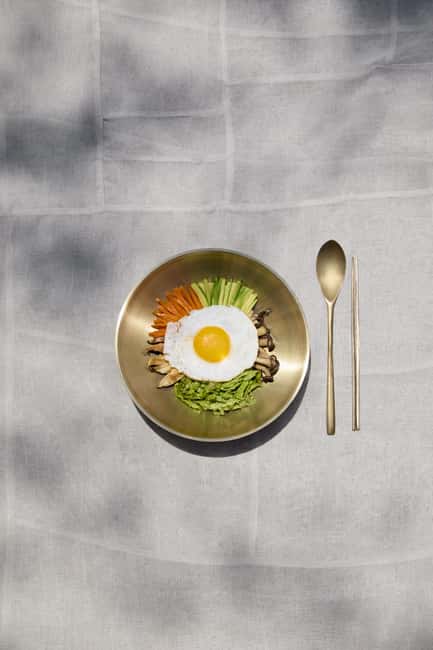
The class framework centers on bibimbap, which is Korea’s famous rice-bowl comfort food. You’ll learn how to build the bowl: rice topped with seasonal vegetables cooked for the right texture, plus a sunny-side-up fried egg. The point isn’t just assembling toppings—it’s learning how Korean home cooking balances savory, fresh, and a little sweet heat.
Bibimbap also teaches you a technique you can reuse. Once you know how the vegetables are cooked and how the egg sits on top, you can swap ingredients later depending on what’s in season or what you can buy. And if you like food that’s both comforting and “not heavy,” bibimbap tends to hit that sweet spot.
Your second dish is where the fun personality of Korean cooking comes through. The class includes options described around popular favorites like:
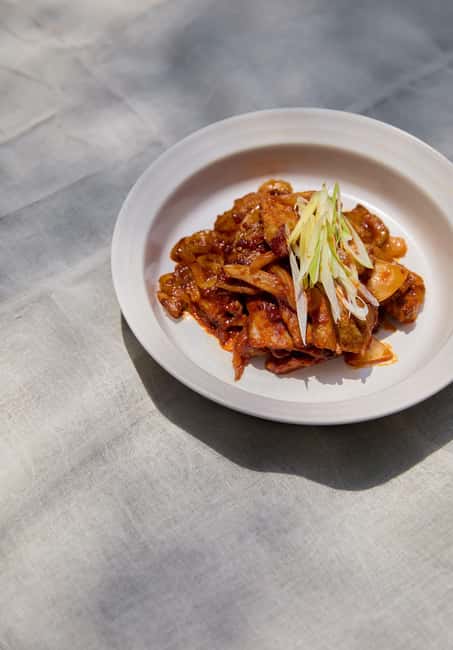
- Jeyuk-bokkeum: spicy pork barbecue in a gochujang-based marinade
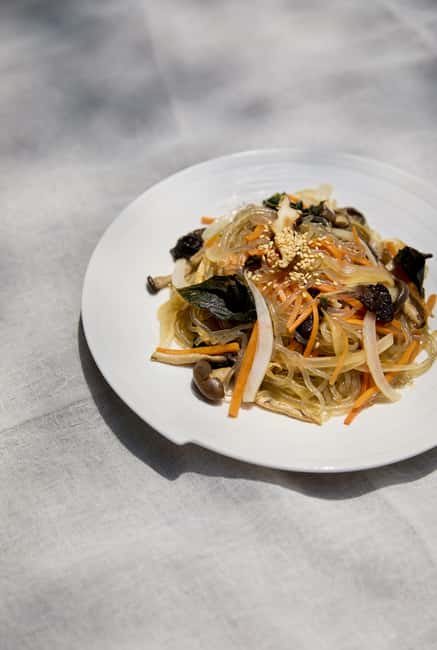
- Japchae: mixed vegetables with glass noodles, typically non-spicy
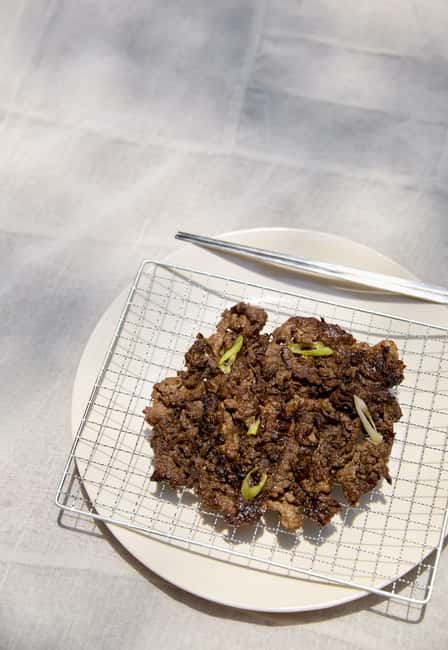
- Bulgogi: marinated beef with soy, sesame, and garlic flavors
From the teaching style and the way the class is structured, you should expect your second dish to feel like a proper Korean meal—not a side project. A couple of participants specifically highlighted bulgogi and bibimbap as the two classics they cooked, and that pairing makes a lot of sense: one bowl comfort food, one saucy grilled-style main flavor.
How the 2 hours actually works in the kitchen
This is a short class by design: 2 hours total. That’s not a flaw—it’s the reason the experience stays focused. You’ll spend time where it counts: explanation, prep, hands-on cooking, then tasting.
The way it runs is straightforward:
- The chef introduces the dishes and the core steps.
- You usually get a demo of ingredient prep and cooking first, so you can see what “good” looks and tastes like.
- Then each participant cooks their own dishes at their own setup.
That demo-first approach is one of the most praised parts of the experience. It keeps things from getting chaotic, and it helps you understand why a sauce tastes right instead of just copying steps blindly. If you’ve ever had a cooking class where you’re scrambling to catch up, you’ll appreciate this structure.
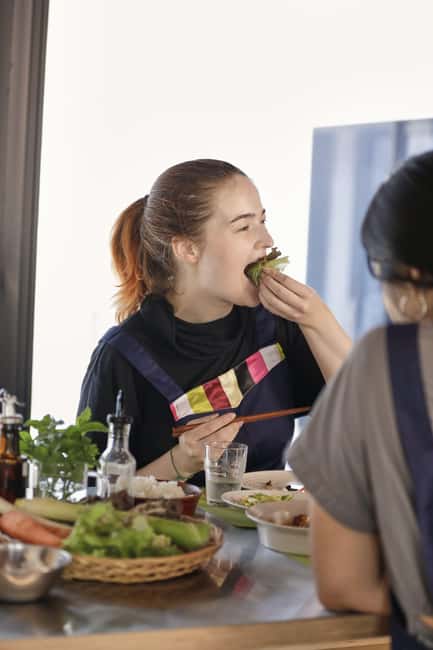
One more smart detail: you don’t just eat at the end with no context. You taste what you made, so you can connect flavor to technique—especially important with Korean seasoning where balance is the whole game.
Dietary needs: the chef’s quick switch matters more than you think
Korean cooking can be very flexible, but only if someone takes it seriously. In this class, you’re encouraged to tell the chef about dietary restrictions or allergies ahead of time. That’s not just a polite checkbox; it changes the actual ingredients you work with.
In a real example, one participant forgot to mention that they didn’t eat meat, and the chef quickly created a tofu option on the spot. The result was described as amazing—and honestly, that’s exactly what you want to hear from a cooking instructor: adaptation that’s still delicious, not “we’ll hand you a sad substitute.”
So here’s the practical advice: message your needs clearly when you book, and remind the chef at the start. Even if you think it will be obvious, being explicit helps the kitchen plan flavors and textures, especially for dishes like bulgogi-style seasoning or a spicy pork-style marinade that you might want translated into something plant-based.
If you’re cooking with allergies, same idea. Don’t guess. Ask. Korean classes can move fast, and the easiest way to protect your meal is to get specifics early.
The culture lesson you’ll use when you shop and cook later
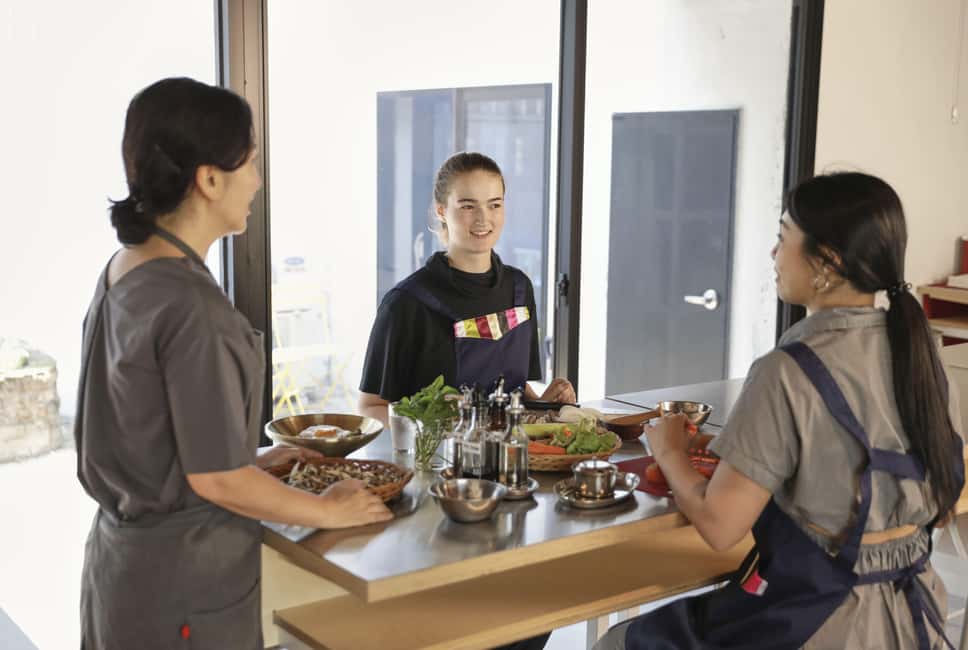
The best part of Korean cooking classes isn’t the food alone—it’s what you learn about the logic behind it. Here, the chef teaches more than recipe steps. You pick up how home meals are prepared and what makes Korean flavors work.
You’ll see that even “simple” dishes rely on intentional seasoning: soy sauce depth, garlic and sesame aroma, and gochujang for that signature heat-and-sweet backbone. You also learn how vegetables are treated so they don’t just taste “healthy,” but actually feel good—cooked to the right texture so the bowl has variety.
There’s also something subtle going on with bibimbap. People think it’s just rice plus vegetables, but the process teaches you that each topping has its own identity. You’re building a bowl where contrasts make the whole thing better: warm rice, cooked vegetables, and the egg’s richness.
And because the chefs are handling the classroom with patience, you get a chance to ask questions without feeling rushed. One participant noted the instructor’s calm, careful explanations, which is exactly how you want a cooking class to feel if you’re not used to Korean ingredients.



Price and value: does $84 make sense for Seoul?
At $84 per person for a 2-hour, English-led cooking class in Bukchon, the price might look like “just another activity” until you break down what you actually get.
You’re not paying for a tasting. You’re paying for:
- a professional chef-led session
- hands-on instruction while you cook your own dishes
- ingredients included (you’re making and tasting two dishes)
- recipe-style guidance you can recreate later
The value gets stronger because the class is structured to reduce wasted time. The chef demonstrates prep and cooking first, so you’re not stuck guessing. And because you end with two dishes, you’re more likely to get a full meal out of it, or at least food you can enjoy afterward.
Is it expensive compared to doing a street-food crawl? Sure. But street food won’t teach you how to cook bibimbap technique or how to build that Korean sauce balance. If your goal is skills, the cost starts to feel reasonable fast.
Also, you might notice the class offers private and customized options by request. That can matter if you’re traveling with family, friends, or a group with mixed diet needs. In that scenario, per-person value can improve, because you get more attention and more flexibility.
Meeting point near Bukchon: how to avoid the day getting annoying
The meeting point is O’ngo Food Communications, 137-11 Bukchon-ro, Jongno-gu, Seoul. Bukchon streets can be a little tricky if you’re navigating without a plan, so give yourself buffer time.
The class also warns that if you’re late, you may miss participation. In a two-hour format, late arrivals aren’t a minor hiccup—they can affect what you cook and when you taste. So treat punctuality as part of the “secret ingredient.”
My advice: plan to arrive early enough to settle, use the bathroom if you need, and mentally switch into cooking mode. When you start seasoning, you want to be relaxed, not rushing.
Who this cooking class is best for (and who should skip it)
This is a great choice if:
- you want hands-on cooking, not just eating
- you’re curious about Korean home cooking and flavor logic
- you like learning a signature dish like bibimbap you can remake later
- you need diet flexibility and want a chef who can adapt
It may be less ideal if:
- you hate structured cooking classes and prefer wandering food markets instead
- you’re looking for a full-day Seoul itinerary with lots of walking between stops
- you want lots of instruction time beyond a short 2-hour session
If you’re a beginner, this class works because the structure supports you: demo first, then cooking. If you’re more experienced, you’ll still enjoy it because Korean technique has its own flavor rules, and the sauce-and-seasoning focus can sharpen your instinct.
Also, if your travel group is small, you can often get better attention. One participant noted an excellent experience with a small class size, where support felt super personal. While you can’t count on group size changing, it’s still a good sign that the class environment can feel hands-on.
Should you book? My take on making the call
Book it if you want a Korean food experience you can actually reproduce. The modern hanok setting makes it feel special, but the real win is that you cook two dishes with chef guidance, then taste what you made. The bibimbap focus gives you a core skill, while the second dish option range (like bulgogi, japchae, or spicy pork-style flavors) keeps the meal from feeling repetitive.
Skip it if you’re mostly chasing atmosphere and don’t want to work in a kitchen for two hours. This class is about doing—not just looking.
If you have dietary needs, don’t be shy about sharing them early. When the chef can adapt ingredients quickly and thoughtfully, that turns the class from a compromise into a genuine meal you’re proud of.
FAQ
FAQ
What is the duration of the cooking class?
The cooking class runs for 2 hours.
How much does it cost?
It costs $84 per person.
Where is the meeting point?
You meet at O’ngo Food Communications, 137-11 Bukchon-ro, Jongno-gu Seoul.
Is there an English-speaking guide?
Yes. The class includes a live tour guide in English.
What dishes will I make?
You’ll create and taste your own 2 Korean dishes. The class focuses on bibimbap, and the experience also describes popular options like jeyuk-bokkeum, japchae, and bulgogi.
Can the chef customize dishes for diet restrictions or allergies?
Yes. You should let them know about dietary restrictions or allergies, and the class states your dishes can be customized for all diet options.
Do I cook my own food or just watch?
You cook your own dishes. The class provides ingredients and includes guidance from a professional chef while each participant prepares their own dishes.
What if I’m late to the meeting point?
If you are late, you are responsible for any missed participation in the program.
Is there free cancellation and can I pay later?
You can cancel up to 24 hours in advance for a full refund, and you can reserve now & pay later.