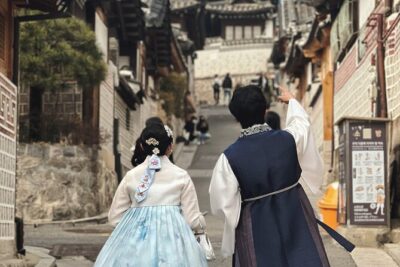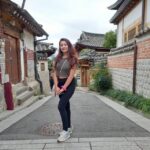
Seoul feels big at first. That’s why this private walking format is so handy: you get a local guide to shape the day around what you actually want to see. I like the custom itinerary angle because it turns “must-sees” into a route that fits your pace.
Two things I really appreciate: first, the guide helps you connect the dots between famous spots and everyday Seoul life. Second, I love that you get practical advice beyond sightseeing, including where to eat and what else makes sense once you’re out on the street.
One drawback to consider: it’s a walking-based tour, so you’ll want comfortable shoes and a realistic plan for how much you can do in 2 to 8 hours, especially if you’re hopping between areas by public transit.
In This Review
- Key highlights I’d plan around
- A private walk that helps you read Seoul fast
- Starting from your hotel: fewer logistics headaches
- N Seoul Tower: photos, viewpoints, and how to enjoy it
- Gyeongbokgung Palace area: famous, but more meaningful with context
- Gyeonggi Province: stepping outside the core neighborhoods
- Markets and food advice: what you get between landmarks
- How the walking and public transport actually work
- Tickets, entry fees, and what’s not included
- Guides: where the personal touch shows up
- Price and value: why $57 can make sense
- Who this tour suits best
- Should you book it? My quick decision rule
- FAQ
- How long is the Seoul walking tour?
- Is the tour private?
- Where do we meet the guide?
- What languages are the guides available in?
- Is entry to attractions included?
- Is public transport included?
- Is the tour wheelchair accessible?
Key highlights I’d plan around

- Private by design: it’s just you and your guide.
- Start from your hotel (in the city): less time wrestling with meeting points.
- 2 to 8 hours of flexibility: match the tour length to your energy and schedule.
- Famous sights plus side streets: major landmarks with room for lesser-known corners.
- Ticket support: the team helps book entries for the visits you choose.
- English, French, Italian, Spanish: live guide in multiple languages.
A private walk that helps you read Seoul fast
Seoul rewards people who move with a plan. With a private walking tour, you’re not stuck following the slowest person in a group or cutting stops to fit someone else’s schedule. You’re more free to ask questions and get answers that match what you’re seeing in the moment.
What makes this setup especially useful is the guide’s role as your translator of the city. You’ll get context for what you’re looking at, but also what it means for daily life—how people shop, eat, and move around. I find that combination makes landmarks feel less like checkboxes and more like part of a real place.
Because the tour is customizable, you can aim it toward your interests. If you want classic royal Seoul, you can lean that way. If you want modern views and photo moments, you can build the day around viewpoints and neighborhoods.
You can also read our reviews of more walking tours in Seoul

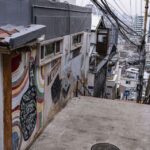
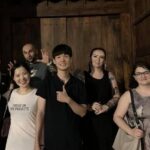
Starting from your hotel: fewer logistics headaches

This tour is built around convenience. You meet your guide at your accommodation if you’re staying within the city, which saves you from figuring out transit before you even start sightseeing.
You can also request the tour to start from any centrally located hotel. That matters because Seoul can feel like a patchwork of neighborhoods, and a central starting point keeps your time focused on what you came for. If you’re staying outside the city, the activity notes that meeting arrangements will be provided—so you’ll want to confirm the exact plan in advance.
One more practical point: since it’s walking-based, you’ll want to think about how you’ll get to your hotel and how early you can meet. If you’re staying far out, you might lose some energy before the tour even begins.
N Seoul Tower: photos, viewpoints, and how to enjoy it
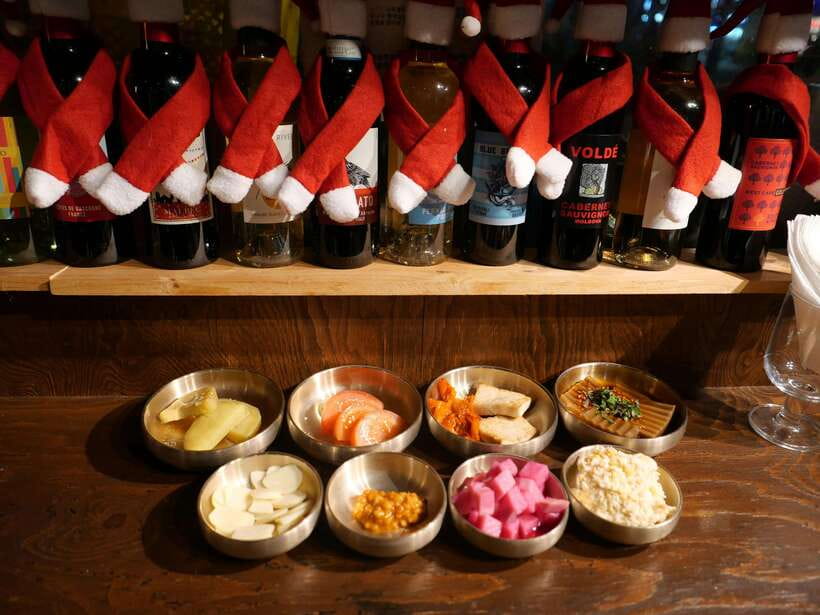
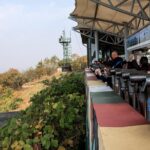
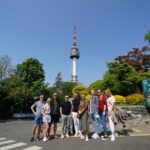
N Seoul Tower is the kind of stop that makes your trip feel instantly more cinematic. The tour includes a photo stop and guided sightseeing here, plus time to walk through the area at a pace that doesn’t feel rushed.
Even if you’ve seen tower photos online, I like the idea of handling it with a guide because you’re more likely to know where to stand for good angles and what to look for once you’re there. Views can be just views—until someone points out what you’re actually seeing across the city.
As a viewpoint stop, it also works well as a momentum builder. If you start your day near the tower, you get that “wow” moment early and then your later walking feels more rewarding. If you come later, it can become a nice reset before you head into more street-level areas.
Gyeongbokgung Palace area: famous, but more meaningful with context

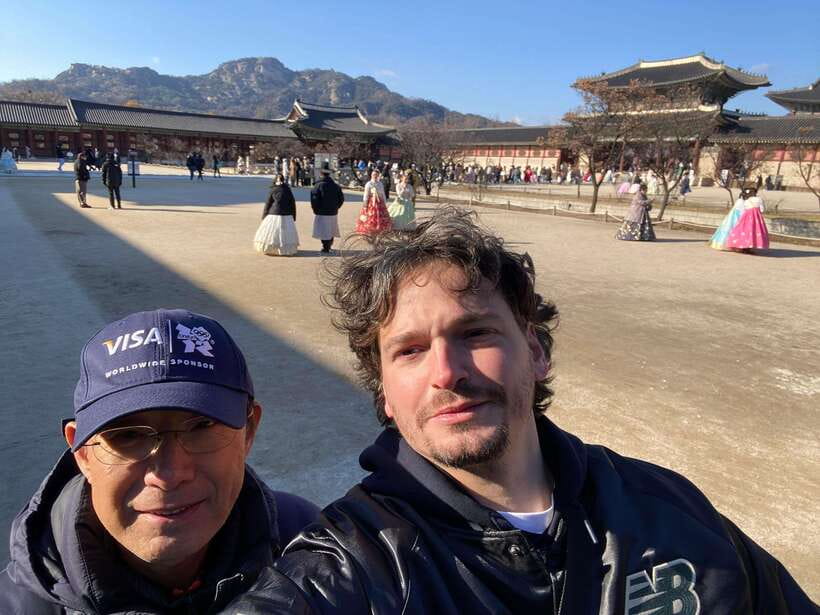
This experience is designed to flex around major sights you want to see, and Gyeongbokgung Palace is specifically mentioned as a highlight. If you choose to include it, the value isn’t only in entering a landmark—it’s in understanding what you’re looking at while you’re there.
Palace areas can feel confusing without context. A guide helps you notice details and connect the setting to the broader story of Seoul. You’ll also be better positioned to plan how long to spend, rather than guessing and ending up tired before the next stop.
One more reason this works: the tour isn’t limited to palaces. It’s paired with discovery of areas and venues, so the palace stop can feel like part of a route rather than a solo “tour stop” sandwiched between transit.
Gyeonggi Province: stepping outside the core neighborhoods
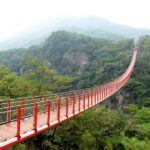
The itinerary includes a stop described around Gyeonggi Province. For visitors, that’s a useful option because it can add variety beyond the tight center of Seoul.
Why it matters: Seoul’s core is dense and packed with sights, but the surrounding region can help you understand how the city fits into a larger metro area. Even if you don’t think about geography much, changing “scene” during a walking day keeps it from turning into one long blur of similar streets.
In a private format, this kind of addition also becomes more controllable. If you’re more sightseeing-minded, you can spend extra time where your guide can point out the differences. If you’d rather keep it lightweight, you can shape the balance so you don’t overdo distance.
You can also read our reviews of more private tours in Seoul



Markets and food advice: what you get between landmarks

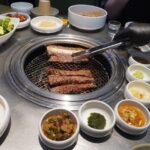
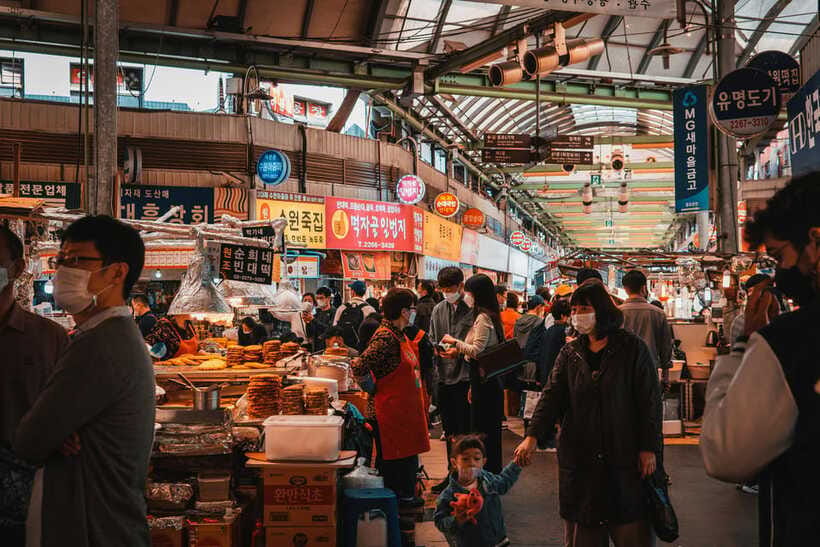
Food is one of the fastest ways to understand a city, and this tour is built to include that kind of thinking. The experience description specifically mentions that your guide will introduce you to delightful dining spots and share valuable advice about other things to do.
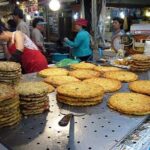
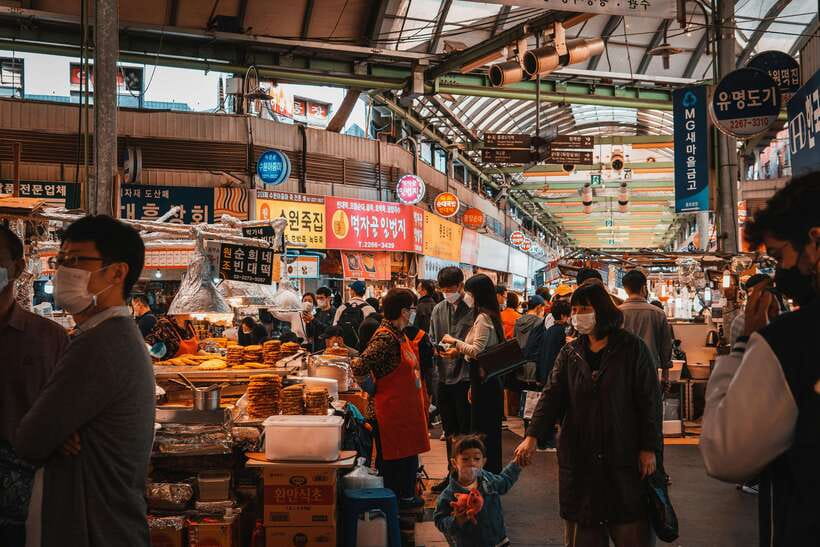
You can also get help aimed at your style. One guide example included in the provided information is David, who took a kids-friendly route that included Gwangjang Market and its secrets. That’s a strong signal that the tour can adapt to different ages and comfort levels, not only to “standard tourist sightseeing.”
Even though meals themselves aren’t included, the guide’s job is to make sure you spend your hunger time wisely. You’ll likely leave with a short list of places that match your preferences, rather than wandering into the first restaurant you see.
How the walking and public transport actually work
This is a walking tour, with public transport used to move around. The inclusion notes that walking and public transport are covered except if you select an option that changes transportation, so you should expect some mix of on-foot time and short transit segments.
Here’s the key planning tip: build your day around comfort, not stamina theater. If you know you walk slowly or you like to stop for photos often, choose a longer duration option within the 2 to 8 hour range. If you’re in Seoul for only a short window, choose a shorter schedule and keep your priorities tight.
Also remember: it’s not a car tour. That means you’re better off thinking like a pedestrian—breathing room, shade breaks if needed, and shoes that you can stand in for real.
Tickets, entry fees, and what’s not included
The tour includes help from the team to book tickets for the visits you want to include. That’s useful because Seoul’s popular sights can require planning, and it’s less stressful to have support coordinating entries rather than figuring it out alone.
What’s not included is entry to monuments and museums, plus tickets to attractions. Drink and food aren’t included either. So you’re not paying for a full “all-in” day; you’re paying for the guide and the structure, then handling attraction costs and meals separately.
My advice: before your tour day, make a short list of what you want to enter versus what you just want to see from the street. The guide can help you sequence it so your paid time goes to the places that matter most to you.
Guides: where the personal touch shows up

The private format is the big headline, but the guide quality is what makes it worth it. The provided information highlights guides such as Alice, Bibiana, and David, each praised for being attentive and for adjusting the route to what the group needed.
For example, Alice is noted for coordinating a personalized itinerary with additional intermediate stops that kept things interesting and not tiring. Bibiana is described as friendly, attentive to what the group wanted, and detailed in her explanations. David is highlighted for route adaptation and for making the experience work well for kids while still covering key Korean experiences and areas like Gwangjang Market.
Even if you don’t know who you’ll get, this pattern matters: you’re not getting a script. You’re getting a guide who listens and adjusts.
Price and value: why $57 can make sense
At $57 per person, the pricing feels fair for a private, guide-led day in a major city. The big question is what you’re buying: not just access to a landmark, but an experienced local’s ability to turn time into better decisions.
Value shows up in a few places:
- You avoid “dead time” searching for the right entrance, the right street, or the right order of sights.
- You get advice on other things to do in Seoul, which can save you from expensive missteps or missed opportunities.
- You can match the day length to your schedule, so you’re not paying for hours you won’t realistically use.
It’s also worth noting what’s not included—main entries, food, and attraction tickets—so budget for those on top of the guide fee if you plan to enter multiple sights. But if you want help planning and moving efficiently, the private guide cost often pays back fast.
Who this tour suits best
I think this tour fits best if you want a city day with structure, but not a rigid schedule. It’s ideal for:
- First-time visitors who want to see big names like N Seoul Tower and potentially Gyeongbokgung Palace, plus learn how the city works.
- People who prefer asking questions in real time and getting answers that connect to the streets around you.
- Families or mixed groups who need route flexibility, as suggested by the example of David’s kids-friendly approach.
- Visitors who care about local eating advice but don’t want the stress of hunting it down alone.
If you’re the type who loves to roam with zero plan and zero guidance, you might find this less useful. A walking tour still needs focus, even when it’s customizable.
Should you book it? My quick decision rule
Book it if you want to turn Seoul from a list of places into a route that makes sense. The private format plus the guide’s ability to tailor your stops, timing, and dining advice is the core value.
Don’t book it if you’re aiming for a fully ticketed, meals-included tour with lots of long-distance travel by car. This is a walk-first experience, and ticket and food costs are separate.
If you’re on the fence, choose based on your comfort with walking and your interest in guided context. If both are yes, this is an efficient way to get more from less time.
FAQ
How long is the Seoul walking tour?
The duration can be 2 to 8 hours, depending on the option you select and the schedule available.
Is the tour private?
Yes. It’s a private group, meaning there won’t be anyone else in your group.
Where do we meet the guide?
The guide will meet you at your hotel. If your hotel is located in the city, hotel pickup/meeting is included.
What languages are the guides available in?
The live guide is available in English, French, Italian, and Spanish.
Is entry to attractions included?
No. Entry to monuments and museums and tickets to any attractions are not included.
Is public transport included?
The tour includes walking and public transport, except if you select an option that changes transportation.
Is the tour wheelchair accessible?
Yes, the tour is listed as wheelchair accessible.
If you tell me your dates, how long you have in Seoul, and whether you want palace time, views, markets, or more street wandering, I can help you pick an ideal duration and priority order.