REVIEW · SEOUL
Seoul: City Highlights eBike Tour
Book on GetYourGuide →Operated by We Ride Korea · Bookable on GetYourGuide
Two wheels make Seoul click fast. This 3-hour e-bike tour stacks major landmarks and lesser-known alleyways into a ride you can actually enjoy, with natural breaks for food and photos. You’ll travel at a human pace, moving from riverside paths to palaces, hanok neighborhoods, and a final stretch back along the Cheonggyecheon bike route.
I especially liked how easy the bikes make hills and tight streets manageable. The guides (for example TJ, Jun, Taejin, Kevin, and Vincent) keep the group moving safely while sharing context that makes what you’re seeing feel real, not like a checklist. Second, the food stops land well: you’ll pause for Korean snacks and traditional-market bites instead of just riding past.
One consideration: this is not a sit-and-watch tour. You need to be able to ride a bike comfortably (and it’s not suitable for children under 13, pregnant women, or wheelchair users), and you’ll want proper footwear and above-the-ankle socks to keep things smooth.
In This Review
- Key Highlights at a Glance
- Meeting WeRide Korea on Jong-ro: Finding the Start Without Stress
- Safety Check + E-bike Fit: The Part You’ll Be Glad Is Taken Seriously
- Cheonggyecheon River to Gwanghwamun: Skyline Views at an Easy Pace
- Gyeongbokgung and Gwanghwamun Square: Royal Seoul Without the Full Day Commit
- Seochon / West Village Streets: Romantic Hanok Corners and Real-World Snacking
- Tongin Traditional Market Food Tasting: How the Stop Works
- Blue House Photo-Stop Moment: A Quick Look With Context
- Bukchon Hanok Village Hills: Two Hanok Flavors on One Ride
- Jogyesa Temple and the Final Cheonggyecheon Bike Path Finish
- Price, Value, and the Pace You’re Buying
- Who This Tour Is Best For (And Who Should Skip It)
- Should You Book the Seoul City Highlights E-bike Tour?
- FAQ
- How long is the Seoul City Highlights eBike Tour?
- How much does the tour cost?
- Where does the tour start?
- What’s included in the price?
- What should I wear or bring?
- Are there any footwear or item restrictions?
- Is the tour only for people who are experienced cyclists?
- Is there free cancellation?
- What language is the guide?
- Is it suitable for kids or wheelchair users?
Key Highlights at a Glance
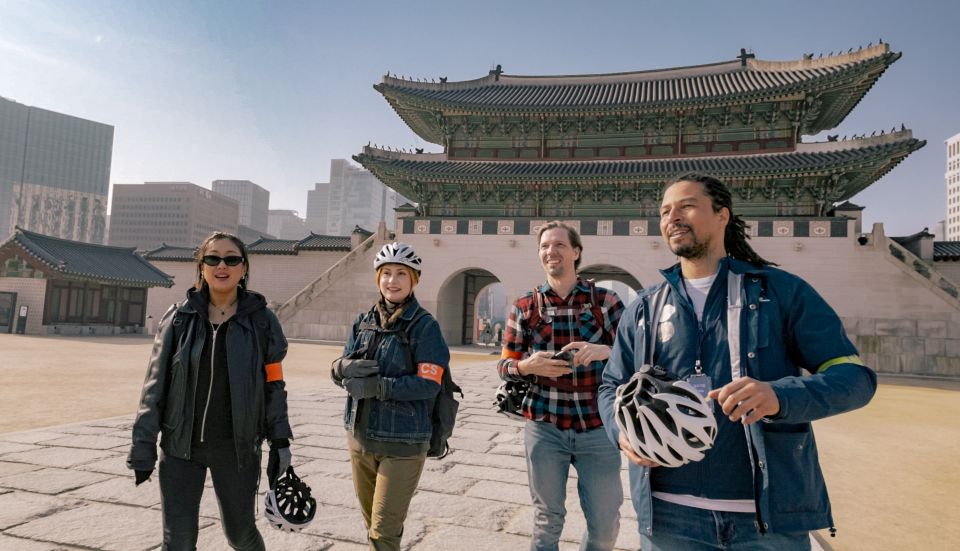
- Two-wheel access to Seoul’s big sights without the constant stop-start of walking
- Local guides with story-driven context, from palace politics to neighborhood life
- Hanok villages and “West Village” streets that feel romantic rather than crowded
- Traditional market food tastings timed for maximum flavor and minimal stress
- Photo support that helps you stop posing and start sightseeing
- E-bike comfort and safety with a short fitting, helmet use, and a front/back group flow
Meeting WeRide Korea on Jong-ro: Finding the Start Without Stress
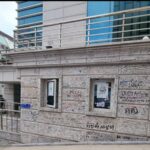
The tour begins at WeRide Korea in Le Meilleur Jongno Town, right along Jong-ro Boulevard in central old Seoul. If you’re standing near the statue of a man on a horse, you’re basically in the right spot. From street level, look for the big glass doors with the number 19 above them, then go up to the 2nd floor.
This location matters because you’re starting close to the neighborhoods you’ll ride through afterward. You get to skip the “long transit before the fun” phase and go straight into seeing Seoul from street level. It also helps for first-timers who don’t yet know which subway stops connect best.
If you do get turned around, you’ll have a phone/WhatsApp number in your voucher. That safety net is useful in a city where even good signage can feel a bit chaotic at street level.
You can also read our reviews of more cycling tours in Seoul
Safety Check + E-bike Fit: The Part You’ll Be Glad Is Taken Seriously
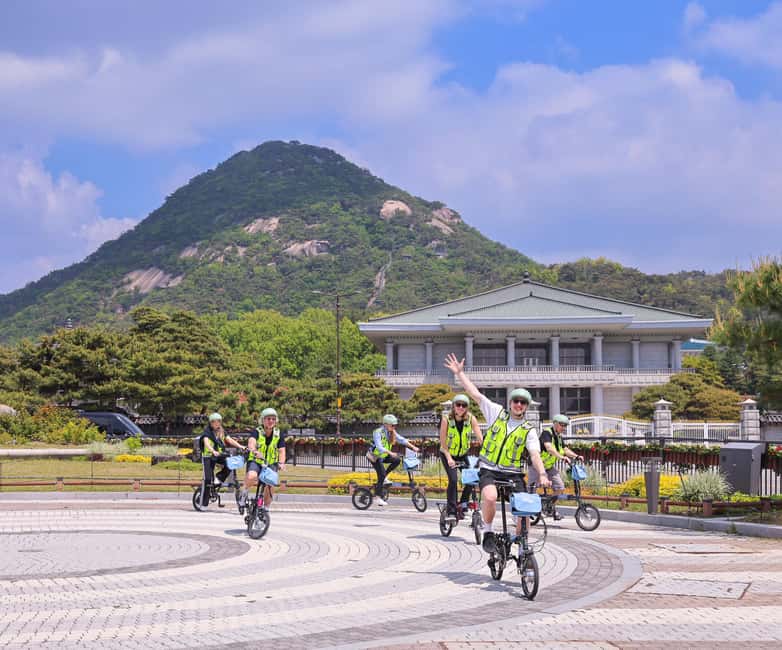
Before you roll, you get a 5–10 minute safety check plus a helmet and bike fitting, then a quick test ride. It’s not rushed, and it’s the reason the tour feels controlled even when you’re sharing space with traffic.
One detail I appreciated: these e-bikes don’t work like motorbikes. They’re designed so the electric assist kicks in as you pedal, and there’s no throttle to control speed. Some bikes also use multiple assist levels (one rider noted five levels), which means you can dial the effort up or down without feeling like you’ve lost control.
The staff also carry practical extras like mineral water, a WiFi/power bank option during the ride, and raincoats if needed. On a city tour, those little “we planned for reality” touches make a difference.
Cheonggyecheon River to Gwanghwamun: Skyline Views at an Easy Pace
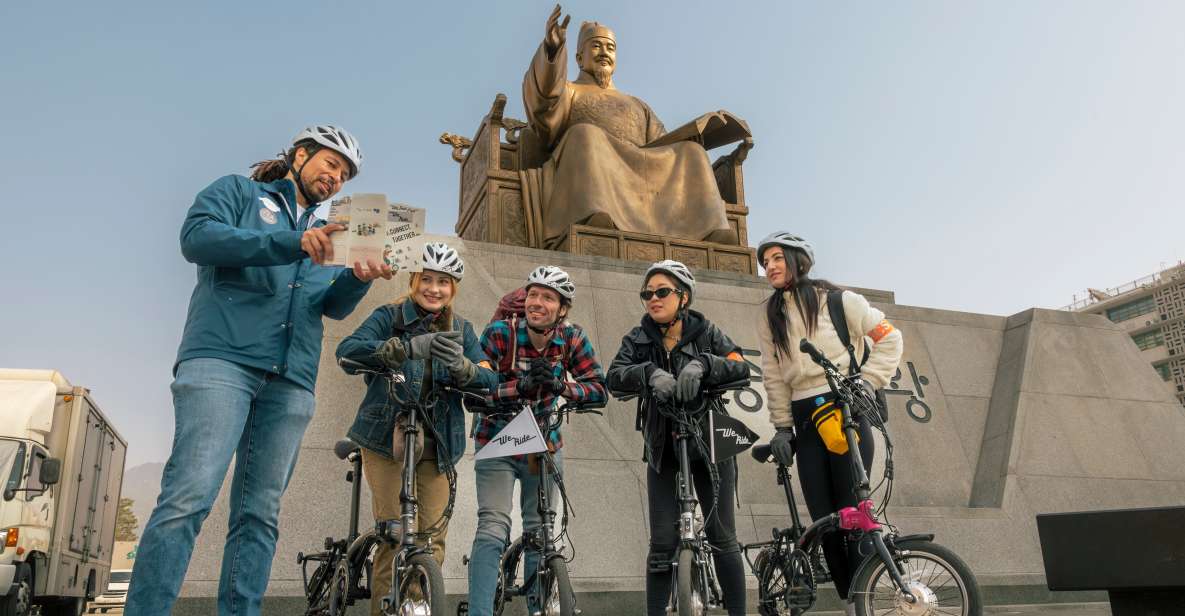
You start riding from the Cheonggyecheon River area, then move toward Gwanghwamun and the royal-government core. This section is a smart warm-up: you’re outside, you’re moving, and you’re catching classic Seoul angles without exhausting yourself right out of the gate.
The river and main roads give you a good sense of where everything is. Once you’re comfortable on the bike, the route becomes more interesting—less about getting from point A to B and more about how the city layers itself as you ride.
A big plus here is timing. The tour’s season note about clear blue skies and soft clouds isn’t just poetic—it’s exactly what makes a skyline ride look great and keeps photos from turning harsh. If you’re going in colder months, the crisp air tends to make the views feel sharper too.
Gyeongbokgung and Gwanghwamun Square: Royal Seoul Without the Full Day Commit
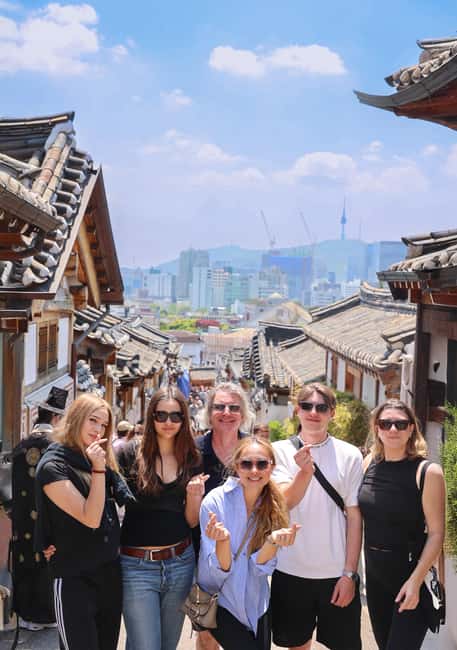
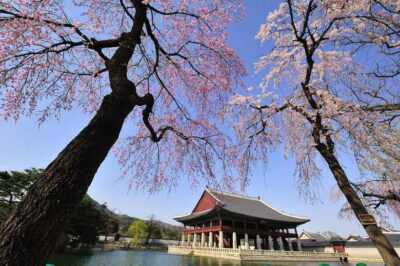
At Gyeongbokgung Palace, you get a guided look and then time to explore the neighborhood around it. This stop is brief by design, which can feel perfect if you’re only in Seoul for a few days and you still want food and neighborhoods later.
One highlight you might catch here is the changing of the guards. Several visitors timed their tours so they could see the moment, and it’s a strong “first wow” for new Seoul arrivals.
The key is how the ride sets you up. You’re not just stepping into a palace and hoping you understand the layout. You’re arriving from the surrounding civic area, then getting just enough context to make the details click before you move on.
Seochon / West Village Streets: Romantic Hanok Corners and Real-World Snacking
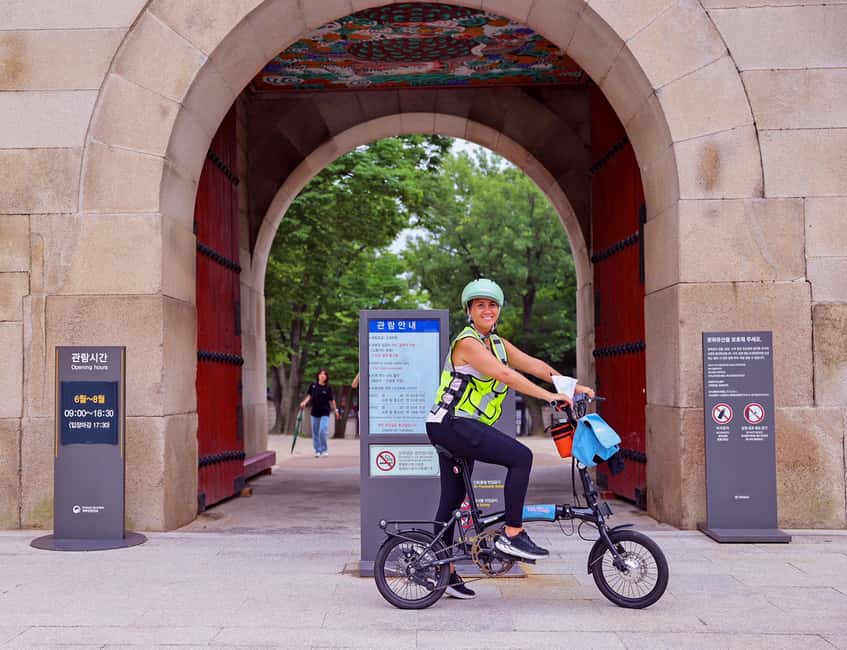
After the palace core, the tour heads into the Seochon area and the romantic West Village, where the feel of Seoul shifts. Instead of wide boulevards, you’re in older neighborhood lanes where hanok homes and local streets create a calmer mood.
This is where “hidden corners” becomes more than marketing. You’re shown a hidden community and smaller streets that most people miss when they stick to the most obvious routes. If you like walking through stories, this is your zone.
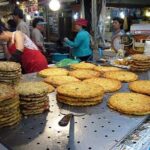
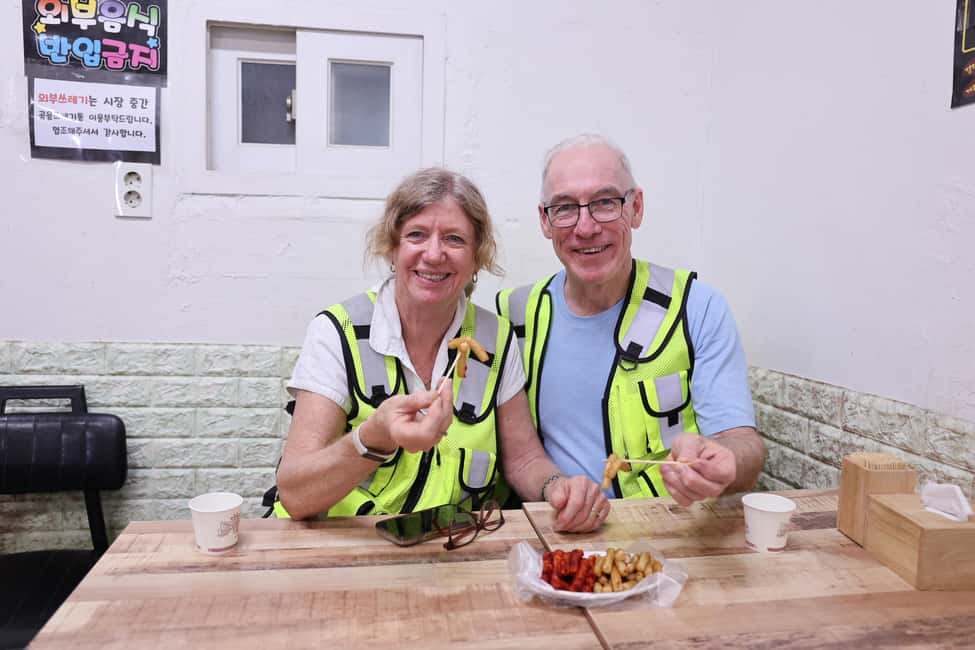
Then there’s the food part. You’ll stop at a traditional market—often linked with tastings and local delights—and take your time. I like that the tour doesn’t treat snacks as an afterthought. You get to slow down, try a few things, and then continue riding with energy.
A practical note: bring comfortable shoes. Even with an e-bike, you’ll spend time on foot at stops and around markets.
You can also read our reviews of more city tours in Seoul
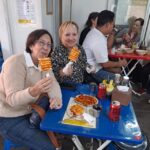

Tongin Traditional Market Food Tasting: How the Stop Works
The market stop is built for quick sampling, not a full-on meal. You get a short sightseeing/food tasting segment that’s paced so you’re not stuck waiting around while the rest of the group rides off.
This is one of the best value moments because it gives you a taste of Korean flavors in a setting that feels local rather than staged. And the best part is that it’s timed: you’re hungry enough to enjoy the food, but not so late that you’re tired and cranky.
If you have dietary restrictions, you should check specifics when booking. The data here confirms snack tastings and a traditional market visit, but it doesn’t list ingredient rules, so it’s worth asking in advance.
Blue House Photo-Stop Moment: A Quick Look With Context
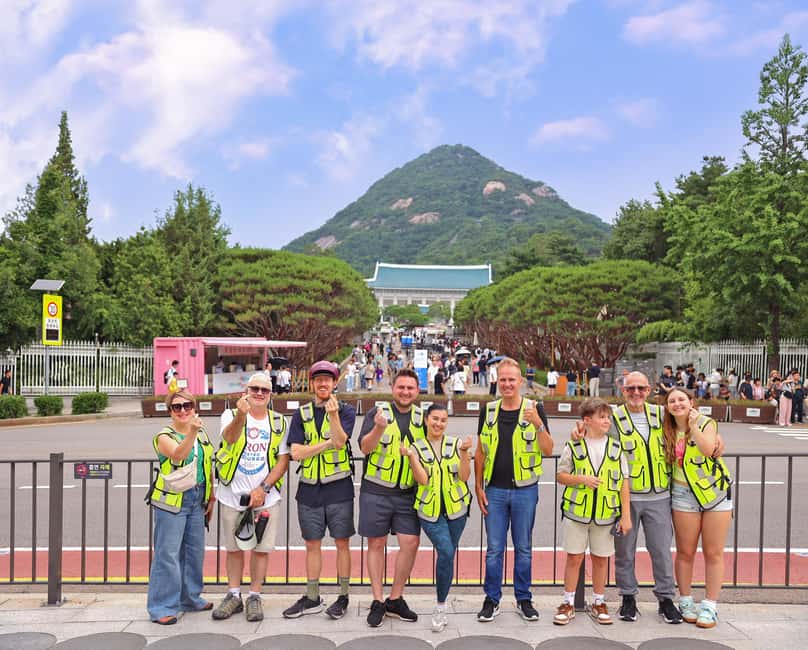
You’ll have a brief stop near the presidential Blue House area. In a short window, this is mainly about perspective—seeing how modern Seoul sits beside the powerful symbolism of the past and the government core.
Several visitors mentioned short photo moments here, and the stop is intentionally brief so you don’t lose momentum before the hanok hills.
Even if you only get a minute or two, it helps connect the dots between what you saw at the palace and what comes next at Bukchon Hanok Village.
Bukchon Hanok Village Hills: Two Hanok Flavors on One Ride
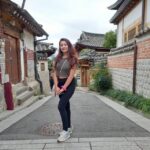
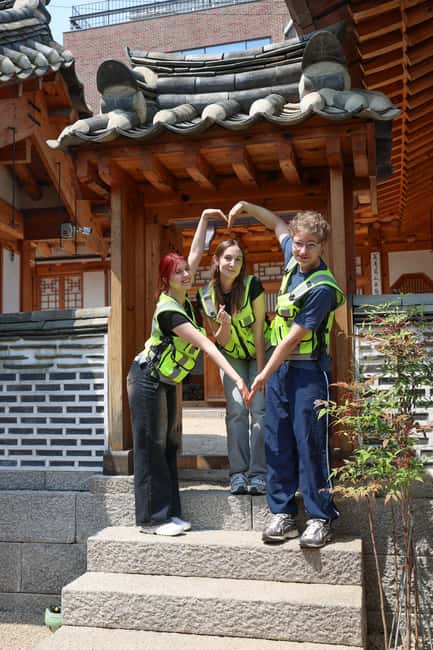
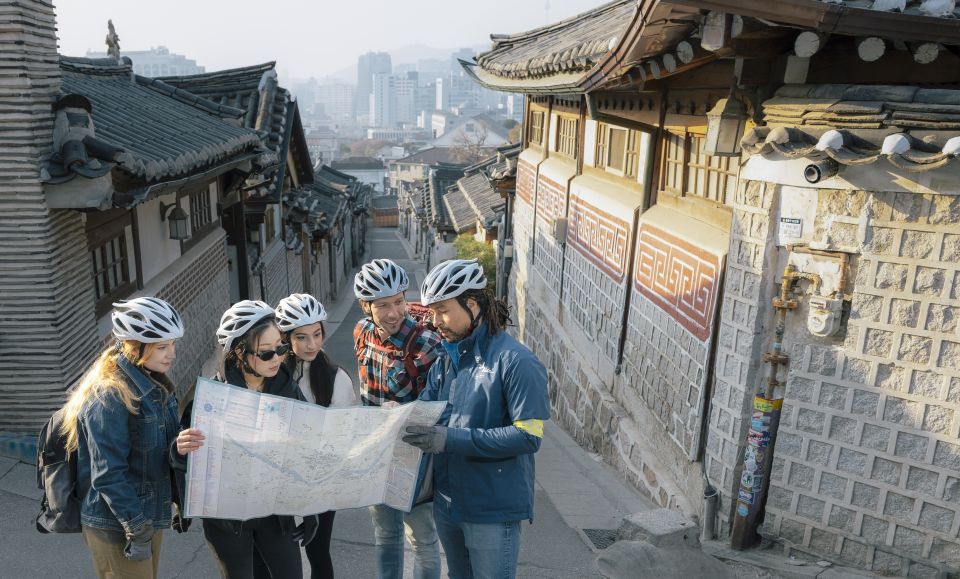
Next up is Bukchon Hanok Village, which gives you a second, different hanok experience compared to the earlier neighborhood. This is where you’ll feel Seoul’s vertical rhythm—small lanes, changing views, and the way streets fold around the older buildings.
You’ll get guided time here plus riding through surrounding areas. Some stops are short, some are longer—so if you like having just enough time to look closely before the group moves, this works well.
One rider point that’s worth taking seriously: e-bikes handle hills well, but the ride still depends on you being comfortable pedaling and stopping safely. If you’re brand new to bikes, focus on smooth starts, keep your eyes up, and let the guide handle the route decisions.
Jogyesa Temple and the Final Cheonggyecheon Bike Path Finish
You end with Jogyesa Temple, where you’ll have guided time to see the temple space and understand what you’re looking at. This stop adds a quieter, spiritual tone after the city’s palace-and-market intensity.
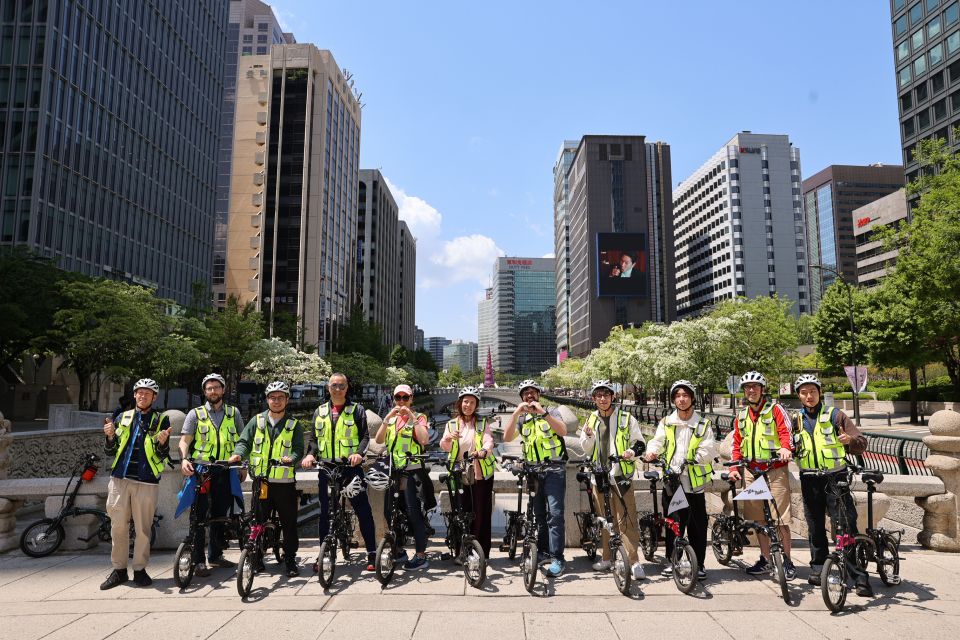
Then you wrap up with a ride back along the Cheonggyecheon bike path. This final stretch is a smart way to end: you feel like you’re returning to the city’s “artery,” and the route naturally keeps you moving without the stress of constantly navigating new streets.
If you enjoy closing your day with a calm ride rather than one last sprint to public transit, this ending hits the mark.
Price, Value, and the Pace You’re Buying
At $119 per person for about 3 hours, you’re paying for three things that are hard to replicate on your own: guided timing, an efficient route, and less walking.
A similar walking-only day can turn into a sore-feet marathon. Here, the e-bike helps you cover more ground while still stopping for real moments—palace views, hanok neighborhoods, a temple, and food tasting—at a pace that doesn’t feel like a race.
What I think you’re really getting is a VIP-style flow: short fitting and safety, then human-speed riding with frequent stops. Guides also share practical recommendations after the ride, so your time in Seoul doesn’t end when the tour ends.
One small downside tied to real life: hot days happen. Hydration is included via mineral water, and guides make sure people stay comfortable (some tours included extra hydration/comfort breaks). Still, plan for weather and dress accordingly.
Who This Tour Is Best For (And Who Should Skip It)
This tour fits best if you want:
- A fast first impression of Seoul’s top sights and older neighborhoods
- An active day that still includes food and guided context
- E-bike comfort without having to plan routes, stops, and timing yourself
It may not be the best fit if you:
- Can’t ride a bike confidently
- Are traveling with someone under 13 or who can’t pedal comfortably for short segments
- Are pregnant or need wheelchair support (the data lists it as not suitable for wheelchair users)
If you’re a solo traveler, this can also work because the guide keeps the group together and the route is structured enough that you don’t have to constantly decide what to do next.
Should You Book the Seoul City Highlights E-bike Tour?
I’d book it if you want a Seoul overview that mixes major landmarks with neighborhood texture, and you want to spend your energy on riding and tasting—not on figuring out transit transfers and walking distances. The guide-led pacing, the food stop, and the photo support make it feel like more than just “bike rental with a route.”
I’d pause if you hate city riding or you’re not comfortable pedaling and stopping safely. Also check how you feel about weather: the tour runs in most conditions, and extreme weather can mean a refund or an alternative date.
If you match the bike-and-pacing profile, this is an excellent way to see Seoul in one morning/afternoon block without turning the trip into an endurance test.
FAQ
How long is the Seoul City Highlights eBike Tour?
The tour lasts about 3 hours.
How much does the tour cost?
It costs $119 per person.
Where does the tour start?
You start at WeRide Korea, on the 2nd floor of Le Meilleur Jongno Town at Jong-ro 19 (between Jonggak Station line 1 exit 1 and Gwanghwamun Station line 5 exit 4).
What’s included in the price?
E-bike rental, a safety helmet, a professional local guide, insurance, mineral water, WiFi and a power bank during the ride, and raincoats if necessary.
What should I wear or bring?
Wear comfortable shoes and sunscreen. You also need above-the-ankle socks. In warm or cold weather, dress for the conditions since the tour runs in most weather.
Are there any footwear or item restrictions?
Yes. High-heeled shoes are not allowed, and sandals or flip-flops aren’t allowed. Alcohol and drugs are also not allowed.
Is the tour only for people who are experienced cyclists?
No, it includes a safety check and a test ride, but you do need to be able to ride a bike.
Is there free cancellation?
Yes. You can cancel up to 24 hours in advance for a full refund.
What language is the guide?
The tour guide is in English.
Is it suitable for kids or wheelchair users?
It’s not suitable for children under 13, pregnant women, people who can’t ride a bike, or wheelchair users.