REVIEW · SEOUL
Private DMZ Tour with North Korean Defector + N Korean Lunch
Book on Viator →Operated by Jun tours · Bookable on Viator
A border story with a human voice. This private DMZ day from Seoul mixes the sights near the Korean Demilitarized Zone with the personal account of Jun, a North Korean defector who moved to South Korea in 2017. I love the hotel pickup and included transport, and I love the small-group feel with a maximum of four people.
The one catch: the included lunch is North Korean food, and there is no vegetarian option. Plan for a long day (about 7–8 hours) and for the fact that the experience needs good weather to run smoothly.
In This Review
- Key reasons this DMZ tour is worth your time
- A DMZ tour with a real person behind the facts
- Price and logistics: what the $150 actually covers
- Stop 1 in Goyang: North Korean lunch with a defector-run restaurant
- Stop 2 at Odusan Unification Tower: villages 2km away through binoculars
- Stop 3 at Imjingak Pyeonghoa-Nuri Park: refugee memory and the Bridge of Freedom
- How Jun’s story changes what the DMZ looks like
- The overall itinerary rhythm (and how it helps you enjoy the day)
- End point at Hapjeong Station: convenient enough to keep your night plan
- Should you book this private DMZ tour with Jun?
- FAQ
- How long is the DMZ tour, and what time does it start?
- Is lunch included, and do you offer vegetarian options?
- Do you pick me up from my hotel?
- Where does the tour end?
- What will I see at Odusan Unification Tower?
- Are there any rules about filming or streaming?
- What’s the cancellation policy if plans change?
Key reasons this DMZ tour is worth your time
- Jun’s firsthand story that explains the real stakes behind the DMZ
- Hotel pickup plus transport built into the schedule
- Defector-run North Korean lunch in Goyang
- Odusan Unification Tower binocular views of North Korean villages about 2km away
- Imjingak Pyeonghoa-Nuri Park with refugee history and the Bridge of Freedom
- Small group size (up to 4 travelers) for better conversation and fewer distractions
A DMZ tour with a real person behind the facts
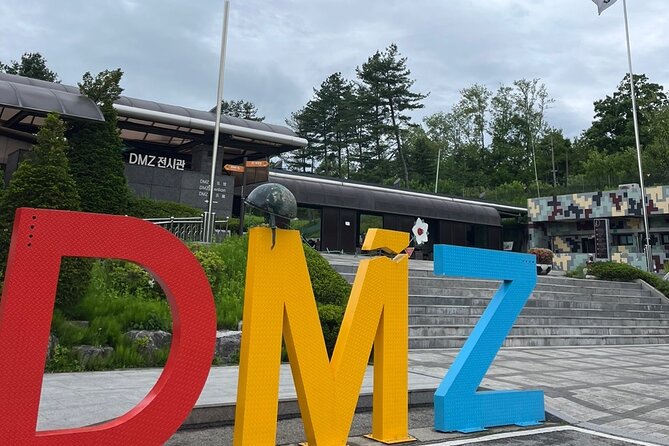
Most DMZ tours do the same loop: bus to the border sights, photos, then off you go. This one keeps the day personal by centering the experience on Jun’s life in North Korea and why he left.
Jun isn’t just a lecturer. He’s a defector who can connect what you’re seeing—towers, propaganda areas, and the viewlines—to what everyday life was like on the other side. That’s the main reason this feels different. You’re not only looking at geography; you’re hearing why that geography matters.
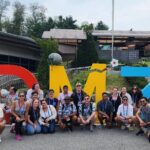
The tour is also built for focus. With a max of four travelers, the conversation can stay human-sized instead of getting chopped up by a big group. If you like asking questions (and you should), the structure supports it.
You can also read our reviews of more private tours in Seoul

Price and logistics: what the $150 actually covers
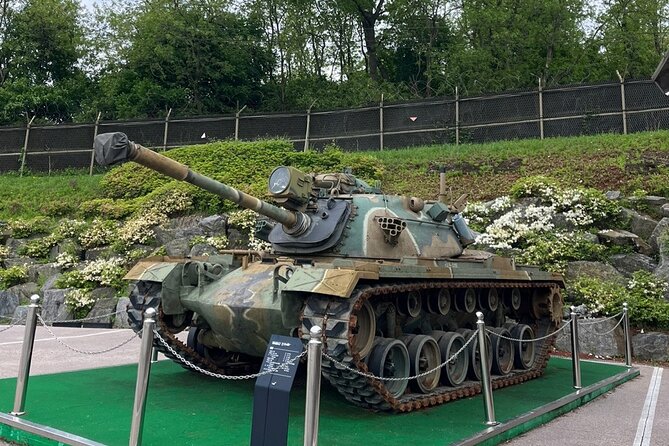
At $150 per person, this isn’t the cheapest way to see the DMZ—but it also isn’t priced like a bare-bones border drop. You get several major items included:
- Hotel pickup (so you’re not figuring out how to get out to the DMZ area)
- Lunch (North Korean food)
- All admission fees
- Transport during the route
- Mobile ticket, so you’re not juggling paper
The timing is set: it starts at 10:30am and runs about 7–8 hours. That’s a lot of time, but the itinerary is designed as a straight-through day, not a slow sightseeing marathon.
One practical note: the tour ends with a drop-off at Hapjeong Station, not a return to your hotel. That’s still convenient for getting back into Seoul—Hapjeong gives quick access toward central areas like Itaewon and Yongsan—but you’ll want to plan your evening accordingly.
Stop 1 in Goyang: North Korean lunch with a defector-run restaurant
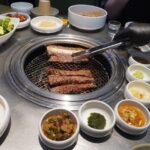
The day kicks off in Goyang with a North Korean local food restaurant operated by a North Korean defector. Lunch here isn’t an afterthought. It’s the first moment you taste culture through someone’s real perspective rather than through a generic menu.
You get about 2 hours at this stop. That time matters because it gives you room to slow down before the more intense sights. You’ll also want to come ready for the practical side of food. This lunch is part of the core value, since it’s included and tied to the theme of defection and adaptation.
The downside is simple but important: there is no vegetarian option. If you’re vegetarian (or you travel with strict dietary needs), you’ll need to reconsider or prepare for an off-menu situation that isn’t guaranteed.
Stop 2 at Odusan Unification Tower: villages 2km away through binoculars
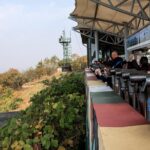
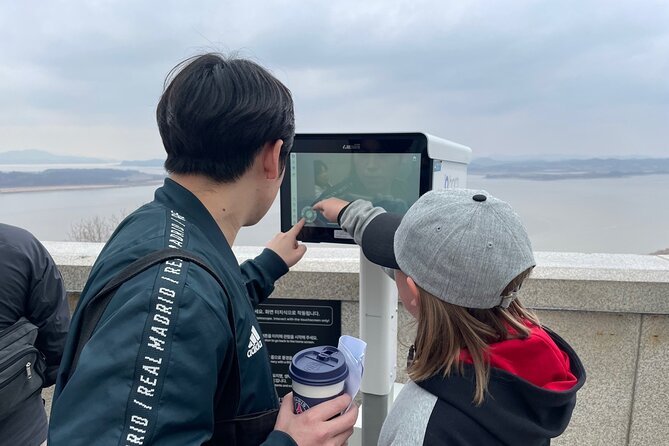
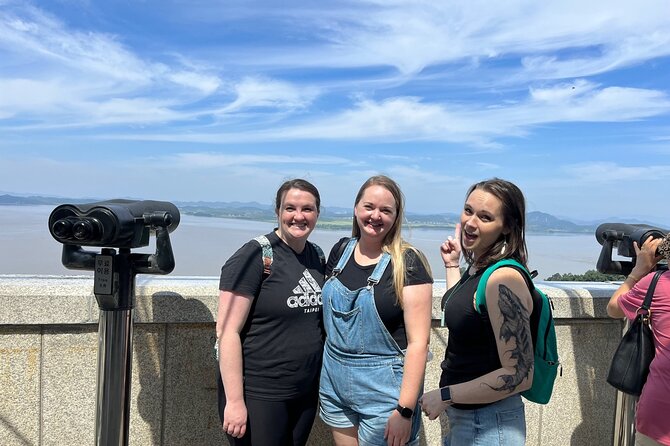
Next up is Odusan Unification Tower, where the tour turns the volume up on what you can actually see. The goal here is direct: you’ll experience real North Korean villages about 2km away, using binoculars to spot glimpses of life.
This is the part of the day that many people remember as the most visual. The tour also highlights propaganda buildings erected by the North Korean government. That doesn’t mean you’ll leave with a political slogan. It means you’ll leave understanding how the border and the built environment reinforce each other.
You have about 2 hours at this stop, which helps because it’s not just a single quick look. You can adjust your expectations, reposition for better views, and still have time for explanation from Jun.
The main consideration? Weather. You’re going to want clear visibility, and the experience requires good weather. If visibility is poor, you may get fewer usable details from the binoculars. It’s not the tour operator’s fault—this is just how a border-view day works.
Stop 3 at Imjingak Pyeonghoa-Nuri Park: refugee memory and the Bridge of Freedom
Then you head to Imjingak Pyeonghoa-Nuri Park, a stop built around remembrance. This park was created for refugees who fled North Korea during the Korean War. That refugee focus is the key: it shifts the day away from just “the DMZ line” and toward the human cost behind it.
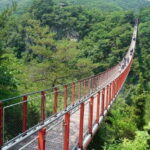
You’ll also see the Bridge of Freedom, which was temporarily constructed by the U.S. Army Corps of Engineers in 1953 to release people in the aftermath of the war. Even if you only know the broad outline of the conflict, this stop helps you connect the timeline to real turning points.
This stop is about 1 hour. It’s shorter than Odusan, but it’s not a throwaway. A park like this works best when you’re allowed to sit with it for a bit and listen to context while the site does its job.
You can also read our reviews of more tours and experiences in Seoul

How Jun’s story changes what the DMZ looks like
The DMZ is a strange place to visit because it’s both real and strangely abstract. From a distance, it can look like a set of buildings and viewpoints. Jun’s job is to make it feel grounded.
Here are the themes that matter most for how you’ll experience the day:
- Daily life behind the border: Jun’s account helps you understand why people would take enormous risks just to leave.
- Why he left in the first place: Jun moved to South Korea in 2017, and his reasons add the missing “why” behind the geography.
- The cost of defection: The story brings out how leaving isn’t the end of the story—it’s a new set of consequences.
- Conversation, not just facts: If you’re the type who likes to ask questions, you’ll likely find the pace works better than big-group DMZ tours.
You’ll also notice the emotional weight is part of the structure. Many DMZ tours feel like they’re asking you to consume history. This one asks you to witness it through one person’s life.
And yes, that can be intense. If you prefer light and breezy sightseeing 100% of the time, save this tour for a day when you can handle something meaningful.
The overall itinerary rhythm (and how it helps you enjoy the day)
This schedule is simple: lunch first, then views, then memory. That rhythm helps because you build from “human life” (food and story), to “human geography” (villages and propaganda), and then to “human aftermath” (refugees and the Bridge of Freedom).
It also keeps you from getting lost in logistics. Pickup is included, and admissions are included, so you’re not stopping to buy tickets or hunting for the right line. The tour is capped at four travelers, which cuts down the usual chaos that can turn DMZ visiting into a photo sprint.
One small rule to remember: the tour notes that you can’t film or stream personal information. Keep that in mind if you rely on video for your memories. It’s a respectful rule, and it also helps everyone feel safer while Jun shares his story.
End point at Hapjeong Station: convenient enough to keep your night plan
Instead of returning you to your hotel, the tour finishes with a drop-off at Hapjeong Station. The good news is that Hapjeong connects you easily into Seoul. The tour specifically notes quick access to central areas like Itaewon and Yongsan, which are great for dinner and decompressing.
You should still expect travel time, because you’ll likely be tired after 7–8 hours. But getting back on your own is pretty straightforward compared with ending somewhere remote.
Should you book this private DMZ tour with Jun?
Book it if you want the DMZ to feel personal, not packaged. For me, the strongest reasons are clear:
- You’re not just buying a view. You’re seeing the DMZ through the eyes of Jun, a North Korean defector.
- The group size stays small, so you’re not shouting over a bus.
- Lunch is included, and it’s at a defector-run North Korean restaurant, which ties food to the day’s theme.
- The route includes Odusan Unification Tower and Imjingak Pyeonghoa-Nuri Park, so you get both the visual border perspective and the refugee memory layer.
Skip it or adjust expectations if:
- You need a vegetarian option (the tour data says there isn’t one).
- You’re planning a day where weather is uncertain and you can’t flex. The experience requires good weather, and poor conditions can trigger a date change or refund.
- You really want a quick photo-and-leave tour. This one rewards attention and questions.
If your priority is learning what the DMZ means to real people, this is the kind of day you’ll carry with you longer than the photos.
FAQ
How long is the DMZ tour, and what time does it start?
The tour starts at 10:30am and runs about 7 to 8 hours.
Is lunch included, and do you offer vegetarian options?
Lunch is included and it’s North Korean food. There is no vegetarian option listed.
Do you pick me up from my hotel?
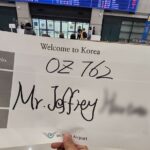
Yes. Hotel pick-up is included.
Where does the tour end?
The tour ends with drop-off at Hapjeong Station. The tour notes easy access to central Seoul areas like Itaewon and Yongsan.
What will I see at Odusan Unification Tower?
You’ll get views of North Korean villages about 2km away, and you’ll look through binoculars. The stop also includes propaganda buildings erected by North Korea.
Are there any rules about filming or streaming?
The tour notes that it does not allow filming or streaming of personal information.
What’s the cancellation policy if plans change?
You can cancel for a full refund up to 24 hours before the experience starts. If you cancel later than that, the amount paid isn’t refunded.