REVIEW · SEOUL
DMZ Highlights & Exclusive Defector Interview – True Human Story
Book on Viator →Operated by Cosmojin Agency · Bookable on Viator
Real voices beat memorized maps. This full-day DMZ tour from Seoul is interesting because it strings together the key border-era sights with a guide’s clear commentary, then adds a North Korean defector interview that turns the whole peninsula story into something you can actually picture.
I especially like that you hit the major DMZ highlights in one day, so you don’t spend your trip bouncing between half-finished options. The route is built to give you the big picture fast: where the line is, why it exists, and how people lived on the other side.
The one thing to plan around is the pace. You’ll be walking and time is tight, with no lunch included, so bring snacks and wear shoes you can move in.
In This Review
- What Makes This DMZ Tour Worth Your Time
- Entering the DMZ From Seoul: The 7:30 AM Start That Keeps It Practical
- Imjingak Pyeonghoa-Nuri Park: Reunification Symbolism You Can Walk Through
- The DMZ Main Visit: Where the Line Becomes a Real Place
- A reality check you should know
- Third Infiltration Tunnel: The Part That Feels Like a Test
- Dora Observatory: Binocular-View Reality and Propaganda Village
- Tongilchon-gil and Unification Village: Agriculture Meets the Line
- Gamaksan Chulleong Bridge Option: Scenic Views With a Big Catch
- The Walking Math: How to Prepare Without Overthinking It
- Who Will Enjoy This DMZ Tour Most (and Who Might Not)
- Value Check: Why $27 Can Still Make Sense for This Day
- Tips to Get the Most Out of the Defector Q&A
- Transportation, Group Size, and Day-of Expectations
- Quick Safety and Access Reality for the DMZ
- Should You Book This DMZ Tour?
- FAQ
- What is the tour price and what’s included?
- How long is the DMZ tour?
- Do I need a passport?
- Is lunch included?
- Where does the tour start and end?
- How physically demanding is it?
- Is the suspension bridge included for everyone?
- Can the DMZ be closed on the day of my tour?
- Is there a limit on group size?
- How far in advance should I book?
What Makes This DMZ Tour Worth Your Time
- Defector interview with Q&A that makes history feel personal instead of abstract
- One-route strategy that connects Imjingak, the DMZ viewpoints, Dora Observatory, and the Third Tunnel
- Guide-led context so you know what you’re seeing and why it matters
- Dora Observatory viewpoints focused on sites tied to North Korea’s past and propaganda imagery
- Third Tunnel visit that adds real-world effort to the learning
- Mobile ticket + air-conditioned van for a smooth start in Seoul
Entering the DMZ From Seoul: The 7:30 AM Start That Keeps It Practical
This day runs early, starting at 7:30 am from 92 Sejong-daero, Jung District. You meet your guide at the set spot, then you’re transferred by vehicle toward the DMZ area.
The early timing matters. It helps you fit several checkpoints and stops into a 7 to 9 hour day, including the time needed for security and the sites themselves. Also, the van is air-conditioned, which you’ll appreciate if you’re going in warmer months.
You can also read our reviews of more tours and experiences in Seoul.
Imjingak Pyeonghoa-Nuri Park: Reunification Symbolism You Can Walk Through
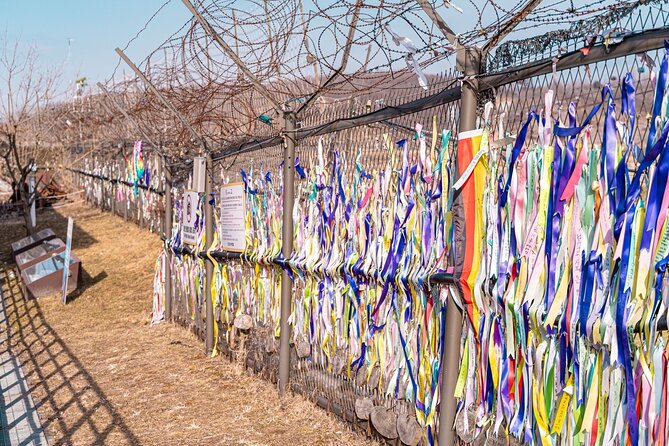
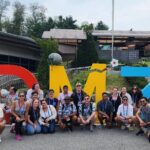
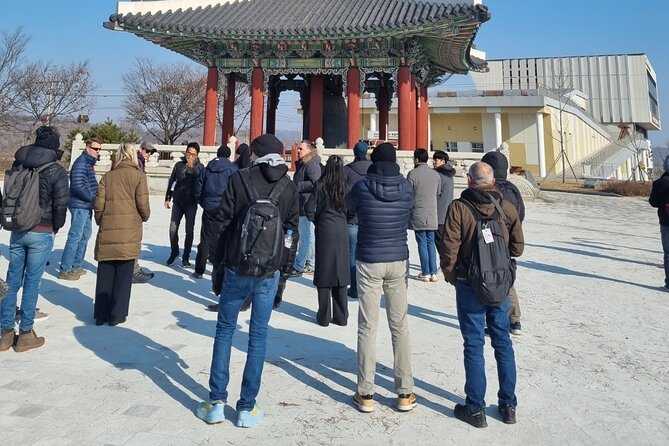
The first “meaning stop” is Imjingak Pyeonghoa-Nuri Park, a place built around the emotion of separation and the desire to reunite. You’ll see barbed-wire imagery mixed with theme-park-style features, which sounds odd until you realize the goal is to make the boundary feel tangible.
Two relics tend to shape the visit. The Freedom Bridge, tied to the escape/freedom story of 13,000 POWs, and the Mangbaedan Bridge over the Imjingang River, also associated with those POWs in 1953. Even if you’ve read about the Korean War before, seeing these locations in person gives the story weight.
The DMZ Main Visit: Where the Line Becomes a Real Place

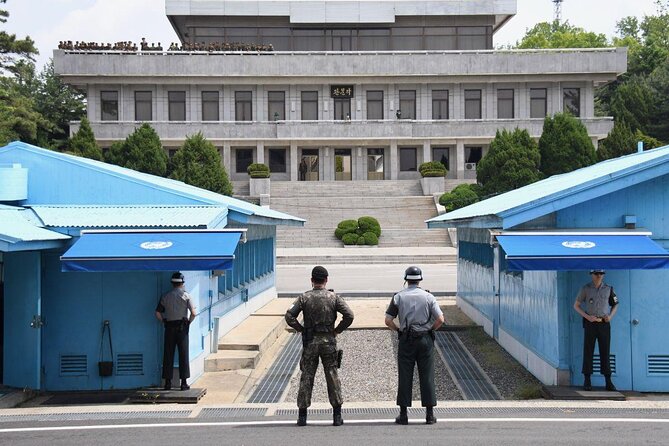
At the DMZ stop, the tour turns from “storytelling sites” into the actual boundary zone concept. The DMZ exists as a military demarcation area between North and South Korea, with restrictions on military activity, and it remains a powerful symbol of division.
In practice, you’re guided to viewpoints and areas that let you understand what the separation looks like from the southern side. You’ll also get the “why” behind what you can see, not just photos and names.
A reality check you should know
The DMZ can be closed suddenly without notice. If that happens, you’ll get an alternative tour and there are no refunds. That’s the cost of visiting a high-security area, so keep expectations flexible.
Third Infiltration Tunnel: The Part That Feels Like a Test
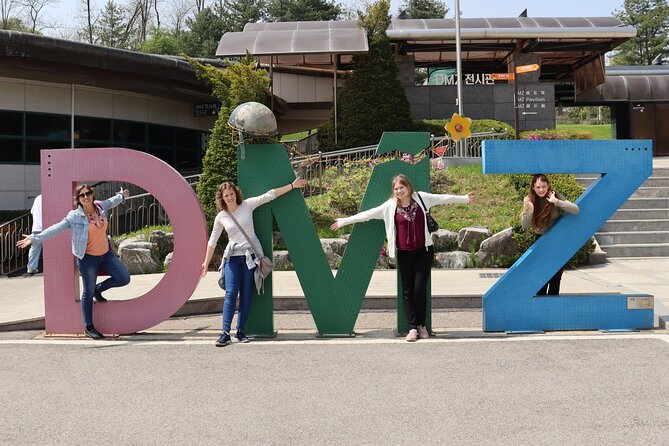
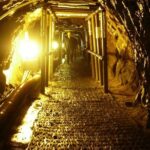
If you want one stop that genuinely changes how you understand the DMZ, it’s the Third Infiltration Tunnel. This tunnel extends 435 meters into South Korea, and the point of visiting isn’t just “wow, a tunnel.” It’s to experience how concrete and close the conflict planning can feel.
Expect a walk that’s more demanding than it sounds on paper. The tour includes time at the site and you can also watch a documentary portion during the visit, which helps explain what you’re looking at. If you’re short on patience for stairs and uneven movement, this is the part to think through carefully.

Dora Observatory: Binocular-View Reality and Propaganda Village
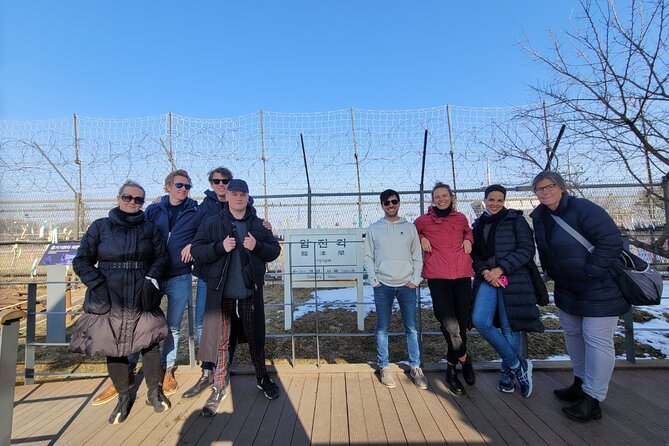
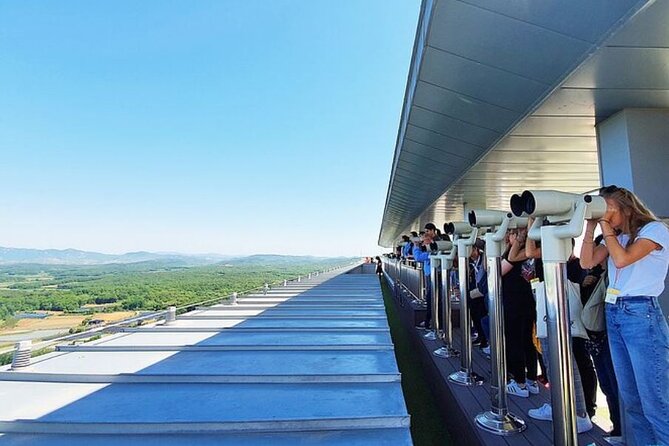
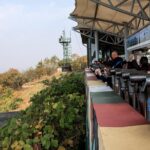
Next comes Dora Observatory, one of the most famous places on the southern side for viewing North Korea. You’ll get a close-up look conceptually tied to areas like Gaeseong City and the Gaeseong Industrial Complex, depending on visibility and how the site is set up that day.
A key feature here is the set-up designed for viewing across the border. You’ll also see the idea of a fake border village known as Propaganda Village, which helps explain how information and image are used like weapons. It’s one thing to read about propaganda; it’s another to stand where the viewing is engineered around it.
Tongilchon-gil and Unification Village: Agriculture Meets the Line
The stop at Tongilchon-gil / Unification Village gives you a different angle on the DMZ story. This area sits north of the Civilian Control Line, and it’s known for agricultural products like Jangdan ginseng and Jangdan soybeans.
What I like about this stop is the tone shift. After tunnels and border lines, it reminds you that the peninsula is still about everyday life—what people grow, what they trade, and what they hoped reunification would change.
Gamaksan Chulleong Bridge Option: Scenic Views With a Big Catch
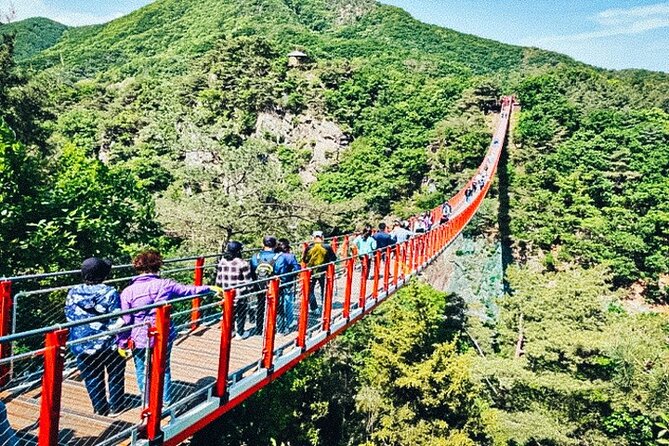
There’s an optional add-on connected to the Gamaksan Suspension Bridge (Chulleong Bridge). It’s popular for views over Silmari Valley, and it’s known as a long suspension bridge that opened in 2016.
Here’s the main thing: you need to plan for the physical effort. Visiting requires a 20 to 30 minute uphill walk, and comfortable shoes are strongly recommended. Also, the suspension bridge option needs a minimum number of participants to proceed, and if that minimum isn’t reached, the tour may shift.
If you’re counting on the bridge to be part of your day, confirm what course you booked before travel day. Don’t assume every departure includes it.
The Walking Math: How to Prepare Without Overthinking It
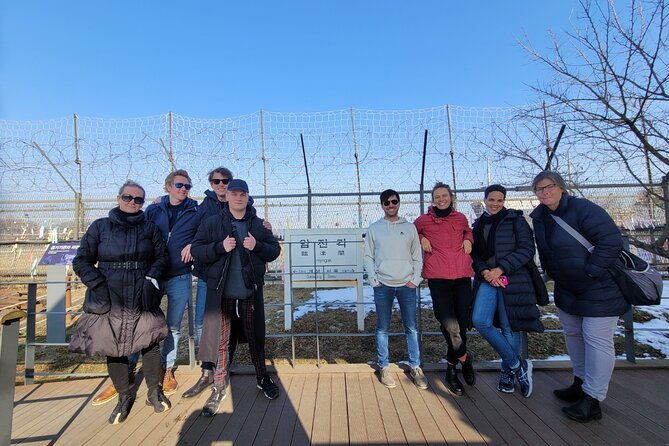
This is a “doable with the right mindset” kind of trip, not a couch-to-couch day. The tour requires moderate physical fitness, and the most intense movement is likely connected to the tunnel and, if selected, the uphill suspension bridge.
I recommend you bring sneakers or shoes with grip and support. Also bring something small for the road because lunch isn’t included, and you may not want to gamble on finding food that fits your timing. A small snack kit (bars or nuts) is simple insurance.
Who Will Enjoy This DMZ Tour Most (and Who Might Not)
You’ll probably love this tour if you want your Seoul trip to include more than viewpoints and photos. The defector interview is the differentiator, especially if you like asking questions and listening to one person’s experience.
This also suits people who like structure. The schedule is built to cover the big sites in one day, including Imjingak, DMZ access, Third Tunnel, and Dora Observatory, with a guide connecting the dots.
You might reconsider if:
- You hate tight timing and prefer long, slow museum-style visits.
- You need very easy walking options. The tunnel walk and optional uphill bridge can be tough.
- You strongly depend on one optional stop (like the suspension bridge) and don’t want your plan affected by minimum-participant rules or DMZ day-of conditions.
Value Check: Why $27 Can Still Make Sense for This Day
On the surface, $27 looks almost too small for a full-day tour. The value comes from what’s actually included: a certified English guide, interview with a North Korean defector, and all fees and taxes, plus air-conditioned transport.
Also, you’re not just paying for transportation and entry tickets. You’re paying for interpretation—help understanding what the DMZ sights mean and how the border story fits together. The tunnel and observatory visits are the sort of places where context makes a huge difference, and this tour is designed around that.
That said, remember the trade-off: lunch is not included, and the day can be physical. Value is real, but you still need to come prepared.
Tips to Get the Most Out of the Defector Q&A
This is the part many people remember longest. If your guide sets up a Q&A with the defector, treat it like an opportunity, not a performance.
Come with a few topics ready in your head, such as daily life changes, what people worried about, or what “freedom” means after leaving. If you freeze in the moment, that’s normal—just asking one clear question is enough.
If the defector is someone like Ms Cho (names like that show up in guide-partner experiences), you’ll likely get thoughtful answers and room for follow-ups. The best Q&A happens when you’re curious and respectful.
Transportation, Group Size, and Day-of Expectations
This is capped at 90 travelers, which means you should expect a group experience rather than a private conversation. Still, most of the “learning moments” are structured so you can hear and follow along with the guide’s commentary.
Times can shift based on site flow and traffic/security, and the tour notes that duration may change. That’s part of DMZ logistics, so plan for flexibility.
Quick Safety and Access Reality for the DMZ
The tour includes practical reminders that matter: bring your passport, and expect that the DMZ is a military area that can close without warning. Your best move is to arrive on time because no refunds apply if you fail to make departure time.
Also note that children must be accompanied by an adult, and the day involves walking, so it’s best suited for people who can handle a full schedule.
Should You Book This DMZ Tour?
If you want the DMZ experience with the “human story” component, this is one of the better ways to do it from Seoul. The tour’s strength is simple: major border-area sights in one day plus a defector interview and guide commentary that connects what you see to real life.
I’d book it if you’re curious, can handle walking, and you’re okay with a day that can run on variable timing (and with the DMZ closure possibility). I’d skip it if your priority is a low-activity day or if you’re counting on optional add-ons without checking whether they’re included for your specific departure.
FAQ
What is the tour price and what’s included?
The tour is $27.00 per person. It includes a certified English guide, an interview with a North Korean defector, all fees and taxes, and an air-conditioned vehicle.
How long is the DMZ tour?
Plan on 7 to 9 hours total, depending on site conditions and traffic.
Do I need a passport?
Yes. All participants must bring a passport.
Is lunch included?
No. Lunch is not included.
Where does the tour start and end?
It starts at 92 Sejong-daero, Jung District, Seoul, and it ends back at the same meeting point.
How physically demanding is it?
You should have moderate physical fitness. The tunnel visit can be physically challenging, and if you choose the suspension bridge option, it includes a 20–30 minute uphill walk.
Is the suspension bridge included for everyone?
No. The Gamaksan Chulleong Bridge visit is an option and depends on a minimum number of participants. If that minimum isn’t met, the tour may be revised.
Can the DMZ be closed on the day of my tour?
Yes. The DMZ can close suddenly without notice. If it happens, an alternative tour will be provided and there are no refunds.
Is there a limit on group size?
Yes. This activity has a maximum of 90 travelers.
How far in advance should I book?
On average, it’s booked 21 days in advance.


![Andong Hahoe Folk Village [UNESCO World Heritage] Private Tour from Seoul - The 7:30am Pickup and the Long Road That Makes the Day Work](https://m.discoveringseoul.com/wp-content/uploads/andong-hahoe-folk-village-unesco-world-heritage-private-tour-from-seoul-400x266.jpg)