REVIEW · SEOUL
Private DMZ the 3rd Tunnel Tour from Seoul (optional Red Bridge)
Book on Viator →Operated by VIP TRAVEL Co.Ltd · Bookable on Viator
DMZ day is intense in the best way. This private tour blends smooth pickup with a your-questions, your-pace guide as you visit major peace and war sites near the DMZ, including the chilling Third Tunnel and the closest look at North Korea from Dora Observatory.
I especially like how easy the logistics feel: you get free hotel pickup and drop-off in downtown Seoul (or a nearby subway meet-up), plus a driver who gets you there without extra hassle. I also like that the tour is built around meaningful stops, not just photo stops—your guide helps you make sense of what you’re seeing, from the tunnel to the viewpoints over North Korea.
One real consideration: the tour can shift due to military guidelines or weather, and refunds aren’t available if changes happen after booking. That’s normal for the DMZ, but it’s worth planning your Seoul days around.
In This Review
- Quick hits before you go
- What you’re really signing up for in the DMZ
- Price and what you get for $500 per group (up to 6)
- Meeting up in Seoul: pickup, subway meet, and the “DMZ-ready” schedule
- Imjingak Pyeonghwa Nuri Park: peace memorials near the DMZ
- Bridge of Freedom: POW return history you can walk over
- Memorial altar and war scars along the Imjin River
- Mangbaedan memorial altar
- Imjin River Dokgae Bridge
- Gyeongui Line steam locomotive at Jangdan Station
- Peace Bell and Unification Bridge: the DMZ’s hopeful side
- The calm ride along the Imjin River before the tunnel
- Entering the Third Tunnel: why this 3rd infiltration story still matters
- Dora Observatory: the closest look at North Korea you can get
- Tongilchon-gil and the quieter side of the border area
- The optional Gamaksan Chulleong Bridge (Red Bridge) for extra momentum
- What the best guides do (and why it changes your whole day)
- Things to know before you go (so nothing surprises you)
- Who should book this private DMZ tour?
- Should you book this tour or choose something simpler?
- FAQ
- How long is the Private DMZ Tour from Seoul?
- How many people are in a group for this private tour?
- Is hotel pickup included?
- What language is the guide?
- Do I need a passport for this tour?
- Is lunch included?
- What’s included at the DMZ highlights?
- Is the optional red bridge included?
- Will we ride a shuttle bus inside the DMZ?
- Can the schedule change after I book?
Quick hits before you go
- Private group of up to 6 with an English or Chinese-speaking guide
- Hotel pickup and drop-off (or meet at a nearby subway station) to keep the day low-stress
- Third Tunnel of Aggression included admission, plus time to take it in
- Dora Observatory included admission, with binoculars to view Kijong-dong and Kaesong City
- Imjingak Park peace sites with free entry at most stops (Bridge of Freedom, Peace Bell, Unification Bridge, and more)
- Optional Gamaksan Chulleong Bridge (red suspension bridge) if you want an extra thrill
What you’re really signing up for in the DMZ
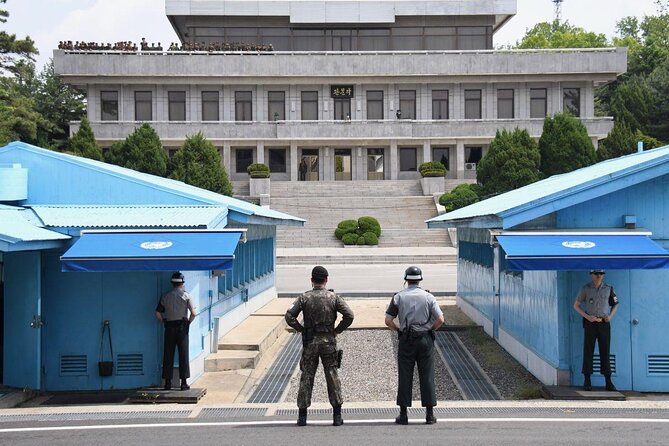
This isn’t a drive-by tour where you check boxes and move on. It’s a guided day spent at South Korea’s most sensitive “border story” places—where memorials, ruins, and carefully controlled viewpoints all point back to the Korean War armistice and the uneasy decades since.
The big win of going private is how much you control the pace. With a small group, your guide can answer questions on the spot and spend a bit more time on the details that matter to you—whether that’s POW history, the mechanics of the tunnel, or what you can realistically see from the Dora area.
And yes, you’ll still do the signature DMZ stops. But the difference is how you do them: guided, organized, and timed with the reality of the DMZ security process.
You can also read our reviews of more private tours in Seoul


Price and what you get for $500 per group (up to 6)
At $500 per group for up to 6 people, the cost works out best when you split it. If you’re traveling as a couple, it can still be a good choice when you value privacy and a dedicated driver/guide rather than sharing a larger bus with strangers.
Here’s how I’d think about value:
- You’re paying for time savings (pickup and an organized route) plus a dedicated guide for your group size.
- Several key admissions are listed as included: DMZ entry, Unification Bridge, Third Tunnel, and Dora Observatory.
- Most other stops at Imjingak Park are free, so you’re not stacking extra ticket costs all day.
If you’re on a tight schedule, the private setup usually feels worth it because you’re not constantly trying to manage meeting points, translations, or group pacing.
Meeting up in Seoul: pickup, subway meet, and the “DMZ-ready” schedule
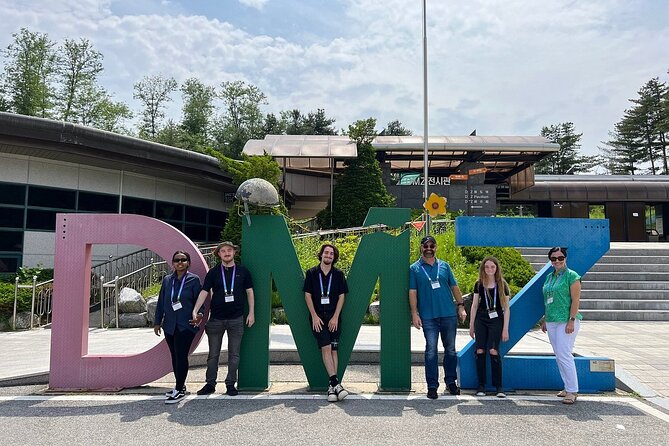
The tour starts with convenient hotel pickup in downtown Seoul. If you prefer, the guide and driver can also meet you at a nearby subway station—useful if your hotel is a bit outside the main pickup zone or you want to start with a quick train connection.
The day runs about 8 hours (approx.), and you’ll use comfortable transport. That matters because the DMZ day includes waiting time and security-related timing, and you don’t want your whole morning tied up figuring out directions.
One note to take seriously: start time may change due to military guidelines. Your operator will inform you if it shifts, and schedule changes can happen depending on military or weather issues, with no refunds for those changes. Plan this tour on a day where you can be flexible.
Imjingak Pyeonghwa Nuri Park: peace memorials near the DMZ

Imjingak Pyeonghwa Nuri Park is the calm “before the border” portion of the day. It’s a sanctuary for peace symbolism opened in 2005, designed to reflect longing for unity and the human cost of division.
You’ll spend about 30 minutes here, which is enough time to walk the grounds without feeling rushed. This is the kind of place where you’ll notice how memorials can be quiet but still powerful—names, objects, and repeated themes of hope.
Practical tip: wear something comfortable and expect some sun/heat depending on your season. You’ll be outside for multiple stops before you head into the tunnel and observatory area.
Bridge of Freedom: POW return history you can walk over
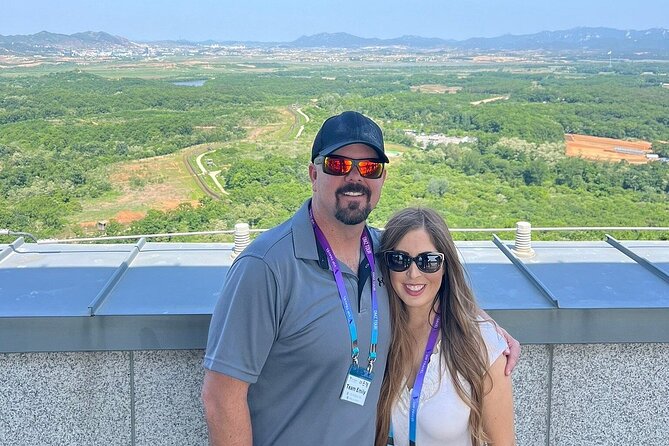
Next comes the Bridge of Freedom, a temporary wooden span built in 1953 over the Imjin River. The point of this bridge was to carry 12,773 POWs back to South Korea, with the famous shouts of “Long live freedom” echoing in the historical record.
It’s only about 30 minutes at this stop, but it has strong emotional weight because it’s tied to people and return—not just politics.
If you like to understand the “why” behind the geography, ask your guide how this bridge fits into the broader war and armistice story you’ll hear later in the day.


Memorial altar and war scars along the Imjin River
After that, you’ll visit several short, free stops that connect the personal and the physical.
Mangbaedan memorial altar
This memorial altar near the DMZ was erected in 1986. Families gather there on holidays like Chuseok to honor relatives left in North Korea. Expect about 10 minutes and some incense in the air—small details that make the site feel more human than museum-like.
Imjin River Dokgae Bridge
Then you’ll look toward the Imjin River Dokgae Bridge, a steel structure rebuilt after destruction during the Korean War. You’ll see it from a vantage point while the day keeps moving, with about 15 minutes here.
The value of this section isn’t “the best view.” It’s the chain of connection: river, bridge, division, and the way infrastructure becomes part of war memory.
Gyeongui Line steam locomotive at Jangdan Station
One of the most memorable small artifacts on the route is the steam locomotive at Jangdan Station of the Gyeongui Line. It’s described as the “Iron Horse” derailed by bombings in 1950 and preserved since 1953.
You’ll spend about 10 minutes. This stop is short, but it hits because it’s a single object with a clear, brutal timeline.
Peace Bell and Unification Bridge: the DMZ’s hopeful side
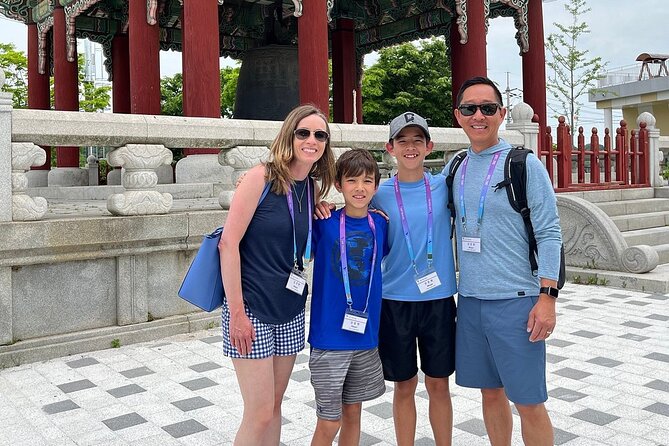
In the Imjingak area you’ll also reach Pyeonghwauijong, the Peace Bell, a 21-ton bronze bell cast in 2000 to signal reunification hope. You’ll get about 10 minutes, which is just enough time to stand close, take in the scale, and understand why the bell matters in a place built around separation.
Then you cross the Unification Bridge, opened in 1998. You’ll spend around 10 minutes here, with admission included. This bridge’s purpose is simple and heavy: it’s built to connect, while checkpoints and boundaries remind you that connection has limits.
If you want photos, your guide can help point you to good angles. In past tours, guides like Diane and Tom were noted for being attentive about photo spots, and you’ll likely benefit from that kind of guidance here too.
The calm ride along the Imjin River before the tunnel
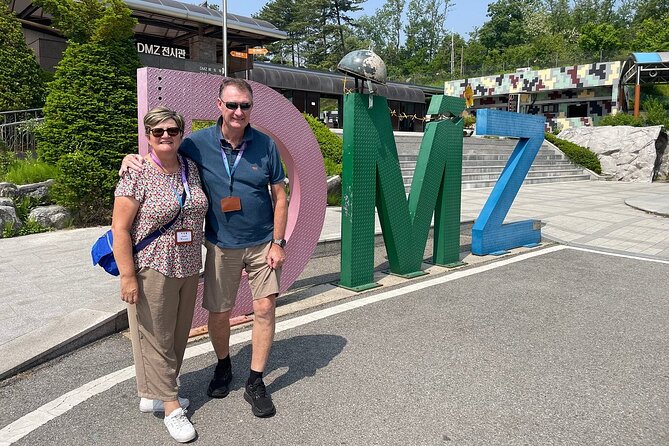
Between the memorial sites and the later DMZ checkpoint areas, you’ll also get a chance to view the Imjin River from the comfort of the tour bus. This is a good breather in an otherwise intense day.
Seeing the river from the bus helps you understand the geography without the pressure of standing in line or shifting between stops. You’re literally watching a natural boundary line carry decades of political meaning.
Entering the Third Tunnel: why this 3rd infiltration story still matters
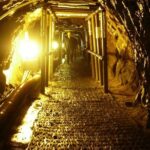
This is the headline moment for many people: the Third Tunnel of Aggression (also called the 3rd Infiltration Tunnel). You’ll get about 30 minutes here, with admission included.
The description you’ll hear is specific and unsettling: the tunnel was discovered in 1978, about 52 km from Seoul. It’s listed as 1,635 meters long and roughly 2 meters high and wide—built by North Korea with the intent to infiltrate South Korea.
The value of this stop is not just the shock of going underground. It’s the way it turns geopolitics into something physical: confined space, the scale of the effort, and the logic of an infiltration plan.
Practical consideration: you might feel slightly claustrophobic depending on your comfort level. The tour duration here is capped, so you can steady yourself and take it step by step.
Dora Observatory: the closest look at North Korea you can get
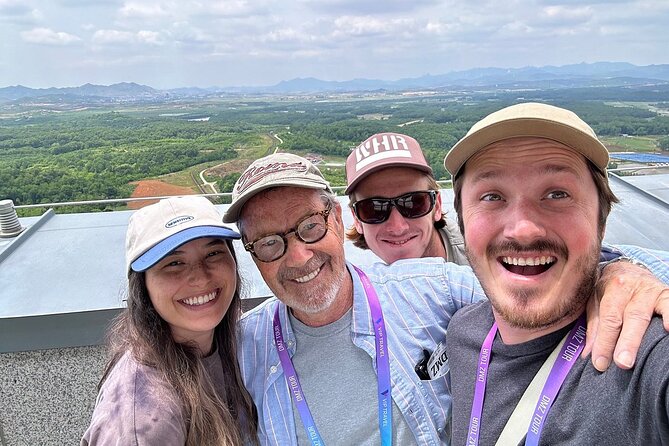
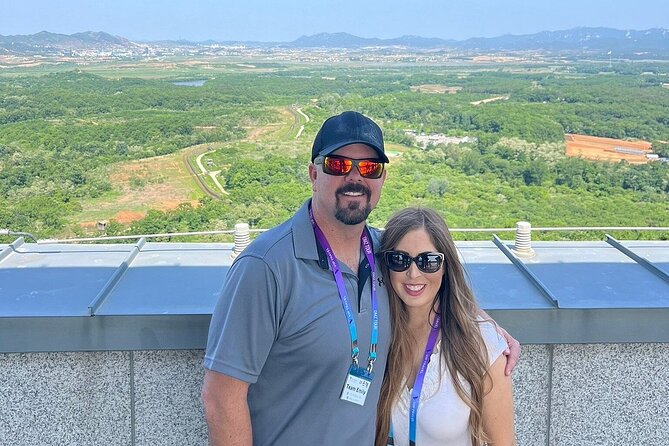
After the tunnel, you’ll head to Dora Observatory, spending about 30 minutes with admission included. Dora is described as South Korea’s closest viewpoint for seeing North Korea, and the observatory was established in 1986 and renovated in 2018.
This is where your guide’s context matters a lot. You’re likely to use binoculars to spot areas such as Kijong-dong (described as a propaganda village) and Kaesong City.
What I like about Dora is that it forces you to think differently about distance. Even when you can see only small details, you’re still looking at a real place, not a concept. The day becomes concrete.
If you have questions like Ray and Tom’s tour stories suggest people did—about what you’re seeing, why certain features matter—this is a great time to ask.
Tongilchon-gil and the quieter side of the border area
Next is Tongilchon-gil, a serene road through Tongilchon village, described as just beyond the DMZ’s Civilian Control Line. You’ll walk for about 30 minutes, and the route is linked to agriculture—specifically Jangdan soybeans.
This stop is a useful contrast to the tunnel. You’re seeing how people live near the border boundaries, and how everyday things like farming exist alongside military structures and divided politics.
If you prefer scenery that doesn’t feel like a battlefield, this is often where the day softens a bit.
The optional Gamaksan Chulleong Bridge (Red Bridge) for extra momentum
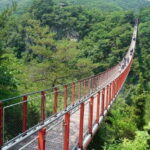
There’s an optional add-on: Gamaksan Chulleong Bridge, a 150-meter-long red suspension bridge built in 2018 to honor Korean War heroes. It’s described as swaying up to 30 meters and is listed as about 1 hour.
If you’re the kind of traveler who likes one active moment in a history-heavy day, this works. If you’re not into heights or motion, you can skip it and keep the day calmer.
Because it’s optional, it’s also a good choice for mixed groups—some people want a thrill, others want more slow walking.
What the best guides do (and why it changes your whole day)
A DMZ tour can be accurate and still feel cold. The difference here is the guide’s tone and responsiveness.
From real tour experiences, guides such as Ray, Alice, Lina, and Diane have been praised for handling questions and making the day easier to understand. In one tour story, the guide Alice added an extra activity (strawberry picking) when it fit the route, which is the kind of flexible touch that can make a long day feel more personal.
Also, several guides were described as attentive about timing and photo spots—so you’re not just waiting for your chance to shoot. With a private group, that attention tends to feel more direct.
Things to know before you go (so nothing surprises you)
- Passport is needed on the tour day. Don’t leave it in your room safe the night before.
- No special dress code is listed. Still, plan for sun, dust, and walking.
- The tour is private: only your group participates.
- If your group is less than 30 people, you’ll need to transfer to a group shuttle bus once inside the DMZ. That’s part of how access is managed.
Also remember: lunch isn’t included. If you care about eating on your schedule, plan to bring money for a nearby meal or eat before you start.
Who should book this private DMZ tour?
Book this if you want:
- A small-group, private experience rather than a crowded bus day
- A guided explanation that helps you connect artifacts (tunnel, monuments, bridges) to the bigger story
- The main DMZ highlights: Third Tunnel and Dora Observatory
- A low-stress day from Seoul with pickup and drop-off
It’s especially appealing for couples, families with older kids (the tour notes that most travelers can participate), and anyone who wants the day to feel tailored.
If you’re traveling with mobility limits, you’ll want to think about walking between stops and standing at viewpoints, since that detail isn’t specified beyond general participation.
Should you book this tour or choose something simpler?
If your priority is the classic DMZ hits with the best chance of understanding them, I’d book it. The combination of private guiding, structured stops with included admissions, and the feel of a small group makes this better than trying to “wing it” on your own.
Choose another option only if you’re the type of traveler who hates schedule uncertainty. The DMZ is subject to restrictions, and start times or the order of the day can change for military or weather reasons, with no refunds for those changes.
Still, if you can be flexible, this is one of the more organized ways to see the DMZ from Seoul while keeping the day human, not chaotic.
FAQ
How long is the Private DMZ Tour from Seoul?
The tour lasts about 8 hours (approx.).
How many people are in a group for this private tour?
The tour is priced for up to 6 people per group.
Is hotel pickup included?
Yes. Free hotel pickup and drop-off in Seoul are included (or you can meet the guide and driver at a nearby subway station).
What language is the guide?
The guide is listed as English or Chinese speaking.
Do I need a passport for this tour?
Yes. A passport is needed on the tour day, so bring it with you.
Is lunch included?
No. Lunch is not included.
What’s included at the DMZ highlights?
Admission is listed as included for DMZ entry, Unification Bridge, The Third Tunnel, and Dora Observatory.
Is the optional red bridge included?
The Gamaksan Chulleong Bridge is optional and listed as free, with about 1 hour added if you choose it.
Will we ride a shuttle bus inside the DMZ?
If your group is less than 30 people, you’ll need to transfer to a group shuttle bus once inside the DMZ.
Can the schedule change after I book?
Yes. The tour start time may change due to military guidelines, and schedules can also change depending on military issues or weather problems. Refunds aren’t available for these changes.