REVIEW · SEOUL
Premium Private DMZ Tour & (Suspension Bridge or N-Tower) include lunch
Book on Viator →Operated by Outdoors Korea · Bookable on Viator
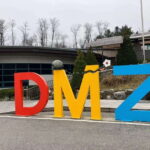
The border comes right up to you. This premium private DMZ tour pairs hotel pickup and drop-off with a fluent English-speaking driving guide, then adds one iconic stop after the DMZ—either a suspension bridge hike or N Seoul Tower.
I like how the guide turns heavy history into something you can actually grasp at each stop. And I really look forward to the included traditional lunch, often army stew, because it’s hearty and local. One consideration: even on a private day, DMZ logistics can require you to move as part of the official group for the tunnel and observatory parts—plus there’s real walking, including the Third Tunnel route.
In This Review
- Key Things You’ll Notice Right Away
- Premium Private DMZ Tour Value: Is $198 Worth It?
- Stop 1: Imjingak Pyeonghoa-Nuri Park and the Rust Train Story
- The DMZ Core: Dora Observatory and the Third Tunnel
- Dora Observatory: Seeing the boundary from a controlled viewpoint
- Third Tunnel: A walk that adds the physical reality
- Lunch Break: Traditional Korean Food After the Serious Part
- Choosing Your Add-On: Suspension Bridge vs N Seoul Tower
- Option A: N Seoul Tower for city views and easy logistics
- Option B: Suspension Bridge for mountain air and a calmer pace
- A short memorial stop that adds meaning
- How Private Feels in Practice: Your Guide, Your Van, DMZ Rules
- Practical Tips That Actually Help on This 9–10 Hour Day
- Shoes and socks matter
- Bring your passport
- Plan for a long day without rushing yourself
- Ask your guide what matters to you
- Should You Book This Premium Private DMZ Tour from Seoul?
- FAQ
- How long is the Premium Private DMZ Tour?
- Is this tour actually private?
- Does the tour include hotel pickup and drop-off?
- Is lunch included?
- What DMZ sights are included?
- Is admission included for the suspension bridge and memorial stops?
- If I choose N Seoul Tower, is admission included?
- What do I need to bring for the DMZ portion?
- How walking-heavy is the tour?
- What is the cancellation policy?
Key Things You’ll Notice Right Away
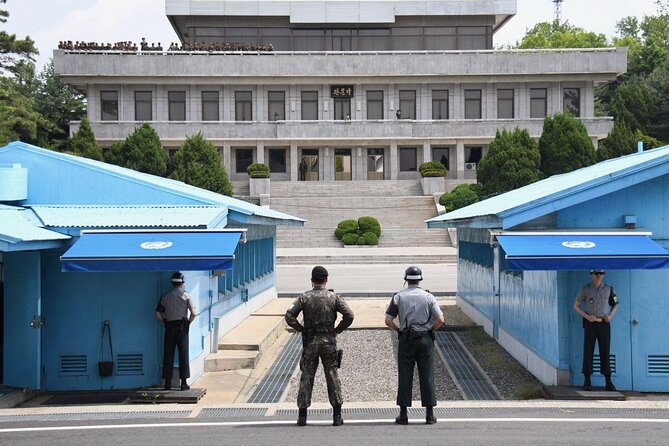
- Real private comfort from your hotel with round-trip transportation and an English driving guide
- Dora Observatory + the Third Tunnel, the two biggest DMZ stops on this route
- Lunch included at a traditional Korean restaurant, commonly with army stew
- Choose your “second act”: Gamaksan/Majang suspension bridge or N Seoul Tower
- Short, meaningful add-ons like the British Military Seolmari Battle Memorial Park
- Bring a passport and plan for a day that mixes somber history with steady walking
Premium Private DMZ Tour Value: Is $198 Worth It?
At $198 per person for a 9 to 10 hour day, you’re not paying for a quick checkbox tour. You’re paying for three things that add up fast in Seoul: private hotel transportation, an English-speaking guide who can answer your questions in real time, and a DMZ day built around two standout sights (Dora Observatory and the Third Tunnel) rather than half a tour and a lot of waiting.
Here’s what makes the value feel stronger than “just a ticket.”
You’re also getting an included lunch and admissions at multiple key stops (Imjingak Pyeonghoa-Nuri Park, the DMZ segment, and the suspension-bridge/memorial options). And because it’s private, your guide can pace the day around your questions and your comfort level with walking.
The main trade-off is time and logistics. The DMZ day is structured by rules you can’t fully control, so expect that some transfers happen in official group format. This is the part that can take the “private” feeling down a notch—while still keeping your guide with you for interpretation, timing, and the rest of the day.
You can also read our reviews of more private tours in Seoul

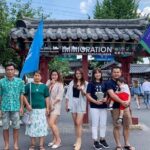
Stop 1: Imjingak Pyeonghoa-Nuri Park and the Rust Train Story
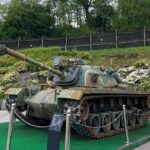
Your day starts at Imjingak Pyeonghoa-Nuri Park. This is where visitors park and where the tone begins: not with abstract facts, but with artifacts and sites tied to the Korean War era and the long aftermath.
This stop is a useful warm-up because it gives context before you go to the border area. You’ll get to see the Rust Train, reportedly damaged during the war, and there’s also a Ceremony Table meant for North Korean ancestors. Even if you’re not a history buff, this is one of those places that makes the DMZ make sense as more than a geographic boundary.
Why I think this start works:
- It gets you into the story early, instead of dropping you at the DMZ with zero grounding.
- It sets up the contrast you’ll see later: symbolic remembering here, then controlled access and hard realities at the border sites.
If you’re the type who asks lots of questions, this early moment is where your guide can connect politics, religion, and culture to what you’re about to see—some guides, like Chance Kim, are praised for turning those topics into an easy conversation rather than a lecture.
The DMZ Core: Dora Observatory and the Third Tunnel
This is the heart of the tour, and it’s where the mood changes from “tour day” to “this is real.”
Dora Observatory: Seeing the boundary from a controlled viewpoint
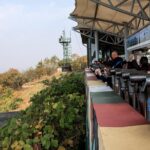
At the Dora Observatory, you’re set up to look toward North Korea with a view that feels close even when the distance is still far. Guides often use tools like binoculars to help you spot details. One guide, Sebastian, was specifically noted for using binoculars to help guests see both South and North Korea flags from the observatory café area.
A practical heads-up: photography can be restricted at certain parts of the observatory experience, so don’t build your day around getting photos.
Third Tunnel: A walk that adds the physical reality
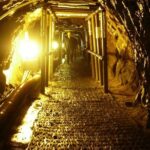
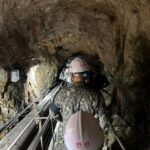
Then comes the Third Tunnel, dug under the border. This stop is not just a guided story—it’s also a physical route with walking and inclines. Reviews flag that the tunnel walk can get wet, so you’ll be happier with shoes that handle damp conditions and uneven surfaces.
I strongly recommend you treat the tunnel portion as a moderate activity segment, not a light stroll. Multiple guides were praised for guiding guests through timing and making sure everyone is ready for the walk rhythm—especially for the hike down and back up.
Why this combo hits:
- Dora Observatory gives you a fixed viewpoint and context.
- The Third Tunnel gives you a body-based understanding of the kinds of planning and fear that shaped the border.
You can also read our reviews of more tours and experiences in Seoul
Lunch Break: Traditional Korean Food After the Serious Part
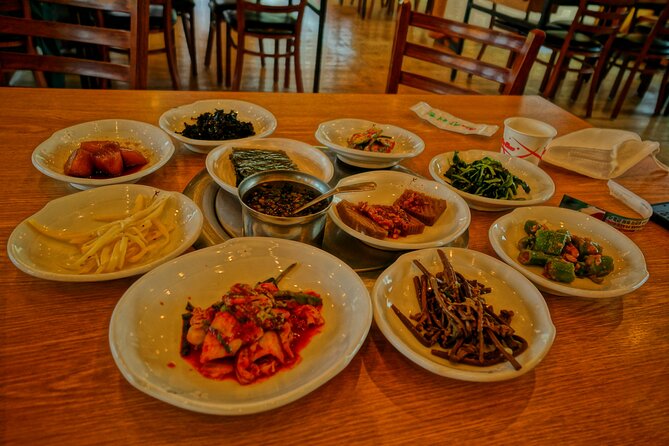
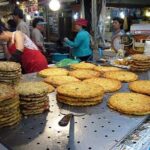
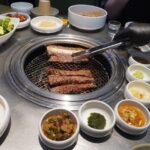
Lunch is included, and it’s one of the reasons the day doesn’t just feel heavy. You’ll sit down at a traditional Korean restaurant, and a common highlight is army stew—warm, filling, and genuinely satisfying after a tour day that mixes standing around with walking.
This is also where your guide’s local knowledge shows up in a simple way: you’re not stuck eating a random convenience meal near a major attraction. People mention guides like BJ and Mr. Kim in connection with standout lunch stops, and one review even highlights how guests finished every bite because it tasted like something you’d order if you lived there.
If you want the meal to be extra smooth, go in hungry and hydrated. It’s a long day and lunch can be your anchor point before the bridge hike or N Seoul Tower portion.
Choosing Your Add-On: Suspension Bridge vs N Seoul Tower
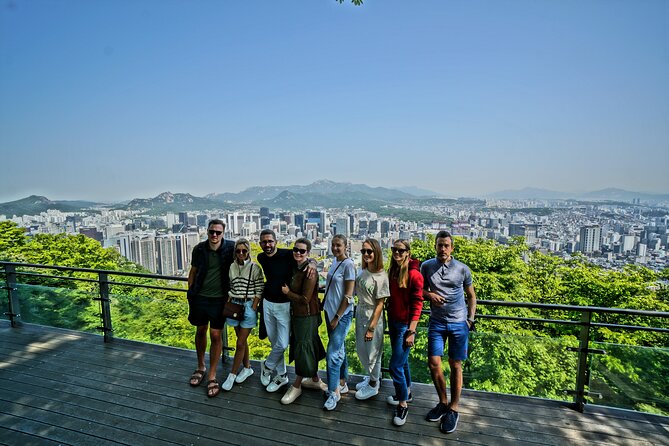
After the DMZ, the tour splits into two different vibes. Pick the one that matches your energy level and what you want to feel at the end of the day.
Option A: N Seoul Tower for city views and easy logistics
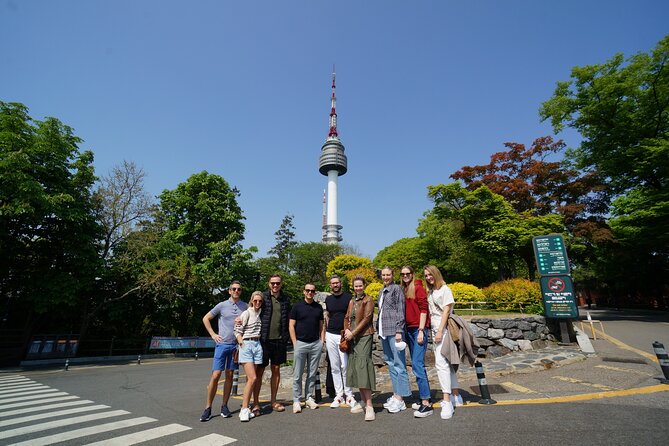
If you choose N Seoul Tower, it tends to fit well as an end-of-day stop. The big advantage here is transit ease—your guide notes that you can reach it using cable car or city bus, depending on your preference.
Just remember: N Seoul Tower admission isn’t included, and optional upgrades like cable car and elevator access are also not included. So your final total may be a bit higher if you add those.
This option makes sense if you:
- Want a classic Seoul skyline experience without adding another long hike
- Prefer city sights over outdoor walking
- Have limited mobility or lower stamina for climbing
Option B: Suspension Bridge for mountain air and a calmer pace
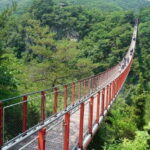
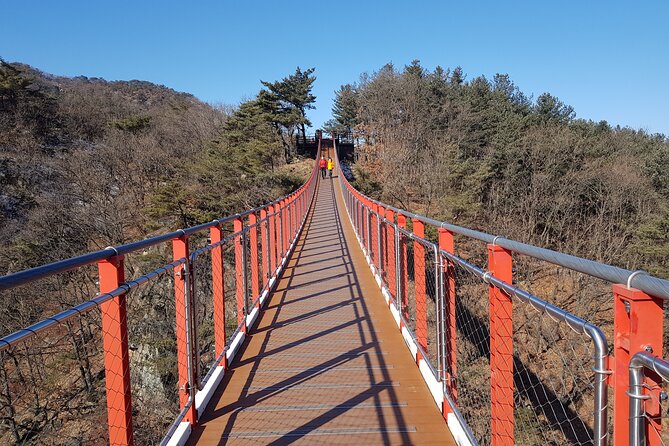
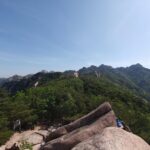
If you choose the suspension bridge route, you’re trading city views for a nature-style breather. The tour includes either Gamaksan Suspension Bridge or Majang Lake Suspension Bridge, depending on the option booked.
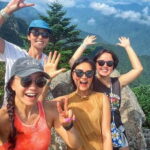
This is where the day shifts again—away from political gravity and toward walking through hills and scenery. Reviews repeatedly point out that it’s a hike (including climbing up and back down), but described as doable for most people with reasonable footwear and patience.
A useful detail: you’ll want sturdy shoes. The tunnel portion can be wet, and the suspension bridge walk involves uneven footing and climbing.
A short memorial stop that adds meaning
On the suspension bridge choice, the day can also include the British Military Seolmari Battle Memorial Park, typically a short stop (around 20 minutes). It’s a reminder that this region’s conflict history includes international involvement, not just Korean-only narratives.
How Private Feels in Practice: Your Guide, Your Van, DMZ Rules
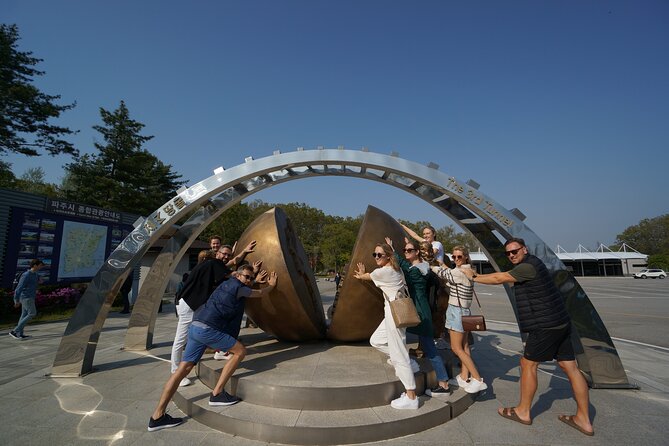
Even though this is a private tour, you should expect the DMZ to run on its own system. One detail you shouldn’t ignore: some of the DMZ segment—especially around the tunnel and observatory—can involve official group transportation. This is the most common “reality check” people mention.
That said, your day still stays private in the meaningful ways:
- You travel in a private air-conditioned vehicle with your driving guide from hotel to hotel.
- Your guide provides interpretation and timing support during the stops you control.
- You don’t have to manage the whole day alone.
Reviews also highlight guide quality and personality a lot. People name Benny, Jimmy, Andy, and Sebastian as guides who helped keep things smooth, answered questions, and handled pacing so you spend more time understanding and less time guessing where to go.
One small-but-important comfort detail from reviews: several guides offered practical help like ice water during hot weather, and some helped with photo timing and finding spots without fuss.
Practical Tips That Actually Help on This 9–10 Hour Day
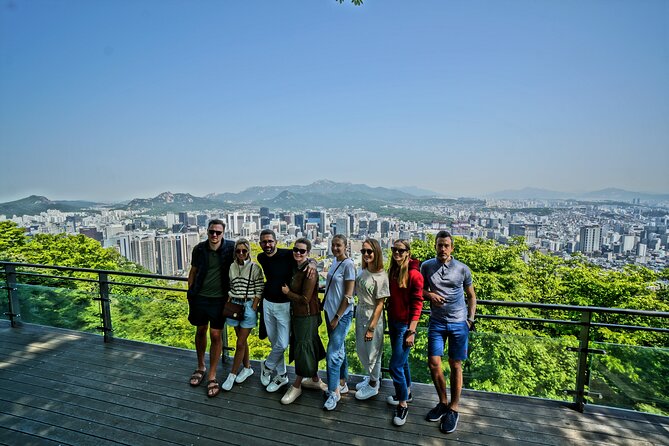
This is where you can make or break the experience.
Shoes and socks matter
You’ll walk in and around the Third Tunnel route, and it can get wet. Then you may add a suspension bridge climb afterward. Wear shoes that you trust on damp surfaces and inclines.
If you show up in sandals, you might be able to do it, but it’s risky. One review even calls out how steep climbing can be challenging for people who aren’t ready.
Bring your passport
A passport is required for the DMZ portion. Don’t pack it in “somewhere safe” in your luggage at the bottom of your bag. Keep it within easy reach.
Plan for a long day without rushing yourself
Even when the time feels quick, it’s still a 9 to 10 hour outing. There are multiple movement segments: hotel transfer, the start park visit, DMZ transport and guided exploration, lunch, then either tower or bridge.
If you’re deciding between suspension bridge and N Seoul Tower, think about your stamina more than your preferences. Tower is generally the easier finish. Bridge means more walking.
Ask your guide what matters to you
This tour tends to work best when you use the guide as a live resource. If you’re curious about Korean politics, religion, or culture, say so. Guides like Chance Kim and Chance’s peers are specifically praised for making conversation feel natural, not scripted.
Should You Book This Premium Private DMZ Tour from Seoul?
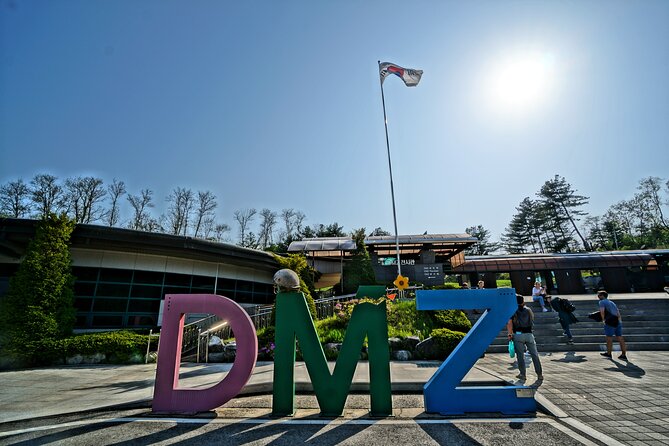
If your goal is to see the DMZ without feeling lost, then yes—this is a strong fit. The value comes from combining private transport and fluent English guidance with the two biggest DMZ stops that most people travel across the world to experience: Dora Observatory and the Third Tunnel. Add lunch, and the day feels complete rather than just exhausting.
Book it if you:
- Want a guided DMZ day built around the major sites
- Appreciate having a guide answer questions as you go
- Prefer comfort (air-conditioned vehicle and hotel pickup)
- Like the idea of a meaningful add-on after the DMZ—either outdoor walking or N Seoul Tower
Skip it or choose a lighter add-on if you:
- Have limited mobility or know you struggle with inclines and tunnel walking
- Strongly dislike any chance of being moved in official group formats during the DMZ segment
If you can handle shoes-friendly walking and you don’t mind that the DMZ has rules, this tour is one of the more satisfying ways to experience the border day—because you’re not just looking. You’re understanding.
FAQ
How long is the Premium Private DMZ Tour?
It runs about 9 to 10 hours.
Is this tour actually private?
Yes. It’s a private tour where only your group participates.
Does the tour include hotel pickup and drop-off?
Yes, pickup and drop-off at your hotel are included.
Is lunch included?
Yes, lunch is included at a traditional Korean restaurant.
What DMZ sights are included?
You’ll visit Dora Observatory and the Third Tunnel.
Is admission included for the suspension bridge and memorial stops?
For the suspension-bridge option, admissions are included for the suspension bridge and the British Military Seolmari Battle Memorial Park.
If I choose N Seoul Tower, is admission included?
Admission tickets for N Seoul Tower are not included, and optional cable car and elevator access are also not included.
What do I need to bring for the DMZ portion?
You need to bring your passport.
How walking-heavy is the tour?
There is walking involved, including a route in the Third Tunnel. If you choose the suspension bridge option, there’s also a hike to reach it.
What is the cancellation policy?
Free cancellation is available up to 24 hours before the experience starts for a full refund.