REVIEW · SEOUL
From Seoul: Cheorwon DMZ and 2nd Tunnel Tour with Lunch
Book on GetYourGuide →Operated by TRIPPER · Bookable on GetYourGuide
History with a pulse, right outside Seoul. I like the Cheorwon focus instead of the busiest DMZ routes, and I love that the core experience is the 2nd Tunnel walk with a real, licensed guide who turns what you see into a clear story. No shopping stops. Just the Korean War aftermath, the DMZ’s role today, and viewpoints that make the whole peninsula feel painfully close.
The main thing to consider is walking comfort and rules. The 2nd Tunnel involves steep descents and climbing, it can be slippery in winter, and you’ll face strict no-photography rules indoors—so pack good shoes and keep your phone tucked away until you’re told it’s allowed.
In This Review
- Key things I’d plan around before you go
- Why this Cheorwon DMZ day trip feels different from the usual tours
- From Seoul to Cheorwon: the ride, the break, and how to use the time
- Cheorwon DMZ zone: seeing the tension with the right context
- The 2nd Infiltration Tunnel walk: why it’s the star of the day
- Peace Observatory and DMZ History Museum: turning views into meaning
- Korean War lunch in Cheorwon: the included bibimbap set is actually worth pausing for
- Hantangang Y-Bridge over the cliffs: the fun finale with an optional fee
- Price and value: why $95 makes sense for what’s included
- Who should book this, and who might feel annoyed
- Should you book this Cheorwon DMZ and 2nd Tunnel tour?
- FAQ
- How long is the DMZ day trip from Seoul?
- What’s included in the $95 price?
- Do I need a passport?
- Is photography allowed?
- What happens if the DMZ zone is closed?
- Do I have to pay to cross the Y-Bridge?
- Can I cancel for a full refund?
Key things I’d plan around before you go
- Cheorwon North Korean Guard Post area: get the close-up tension, with guided context so it doesn’t feel like a photo op.
- A 3.5 km walk in the 2nd Infiltration Tunnel: you’ll be moving the whole time, not just standing and looking.
- Peace Observatory with a monorail ticket included: fewer hassles, more time spent at the key viewing points.
- Premium bibimbap set lunch in Cheorwon: fresh-veg style, and it works well even if you eat vegetarian.
- Hantangang Y-Bridge photo stop near cliffy views: observation deck access is free; you can pay on-site if you want to cross.
- Small-group energy with fewer “detour” stops: the day feels controlled rather than rushed through shops.
Why this Cheorwon DMZ day trip feels different from the usual tours
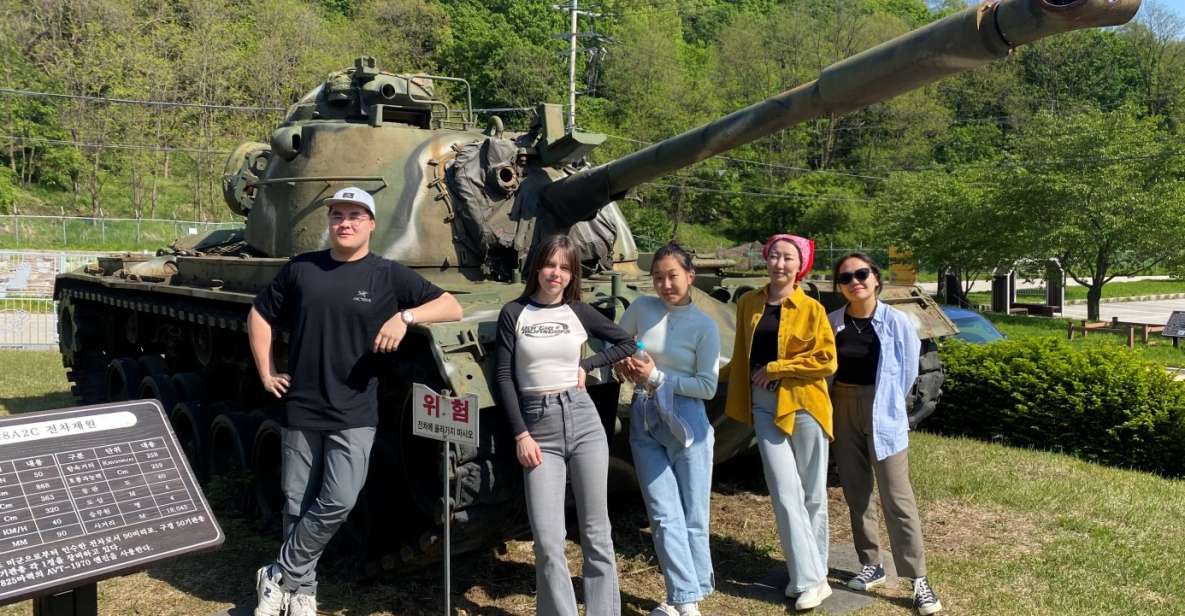
The DMZ can turn into a checklist if the tour design is wrong. This one tries to avoid that. You head for Cheorwon, where you can get a strong sense of how close the two Koreas sit—without turning the day into a crowded parade.
What makes it worth your time is the way the stops connect. You don’t just see a tunnel, then a museum, then a bridge and go home. The guide builds the logic: why Cheorwon matters, what the tunnel was for, what the Military Demarcation Line means, and how all of that still shapes daily life and politics.
Also, the day is structured around movement and viewpoints, not shopping. That matters because DMZ tours already feel intense. If half your hours are spent on retail stops, the whole experience loses weight fast.
You can also read our reviews of more tours and experiences in Seoul

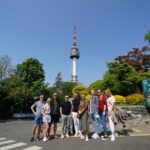
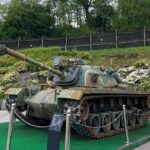
From Seoul to Cheorwon: the ride, the break, and how to use the time
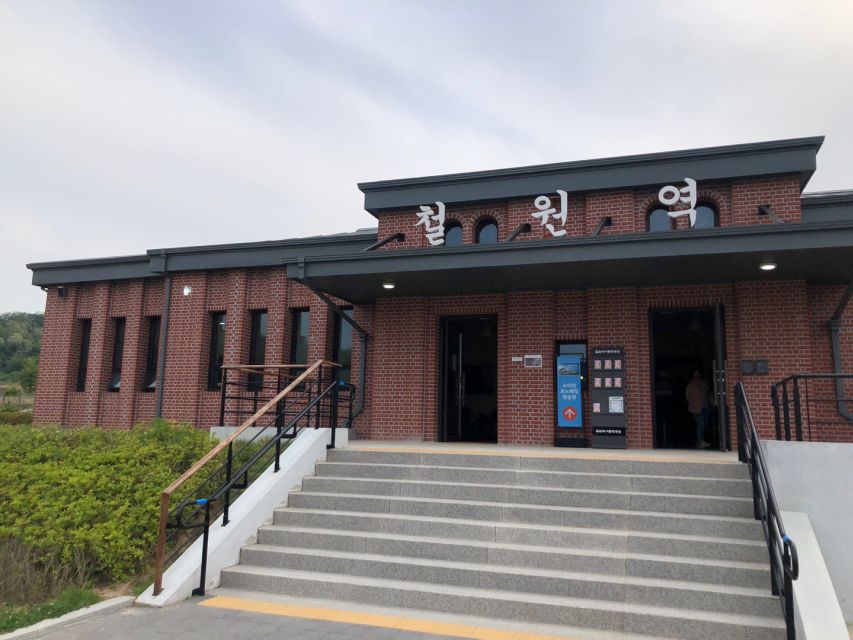
You’re looking at about 8 hours total, with round-trip transfers from Seoul. Expect a bus/coach ride and a scheduled break early on—there’s a secret stop for a breakfast pit stop and local snacks, giving you food and breathing room before the DMZ zone.
This matters because the DMZ day is regulated and timed. If you arrive hungry or tired, the tunnel walk becomes harder than it needs to be. I like that the schedule includes a real pre-DMZ pause rather than pretending everyone will just power through.
On the way back, you’ll be on the coach again for roughly 1.5 hours. Plan your day in Seoul accordingly. You’ll be mentally “switched on” for history content, then you’ll need a decompression window when you get home.
Cheorwon DMZ zone: seeing the tension with the right context
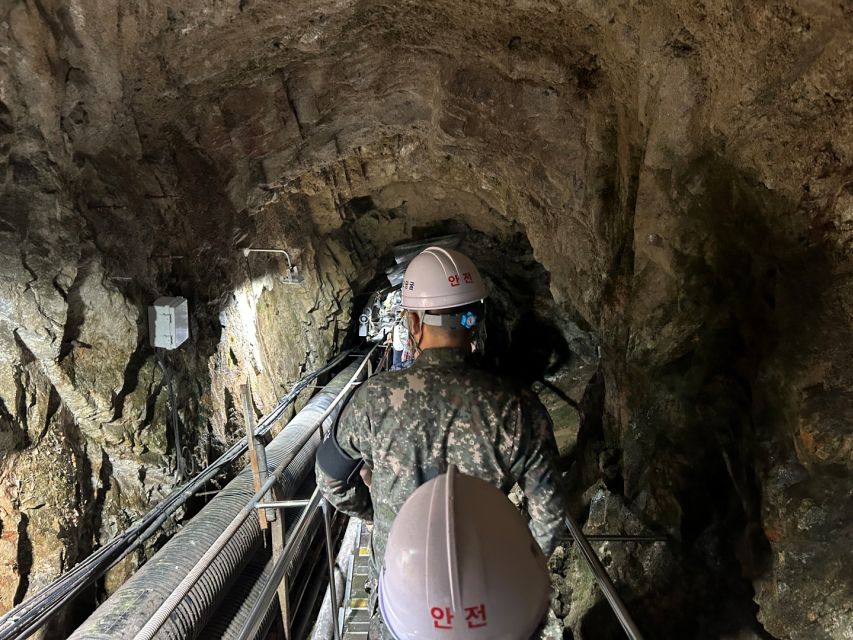
Once you reach the DMZ area near Cheorwon, the guide sets the tone. You get guided sightseeing around the North Korean Guard Post area and the Cheorwon DMZ route.
This is one of those places where your brain does two jobs at once. First, you’re taking in the physical sense of distance and security. Second, you’re trying to understand what you’re seeing on a map and in history. A strong guide matters here because it’s easy to look at the wrong details (or only see the “scary” parts) if nobody explains the why.
One practical note: strict rules apply in the DMZ. Bring your passport since it’s required, and be ready for instructions about where you can and cannot photograph. That no-photo rule inside restricted areas is real, so keep your camera pack light and your attention where it belongs—on the guide’s explanation.
The 2nd Infiltration Tunnel walk: why it’s the star of the day
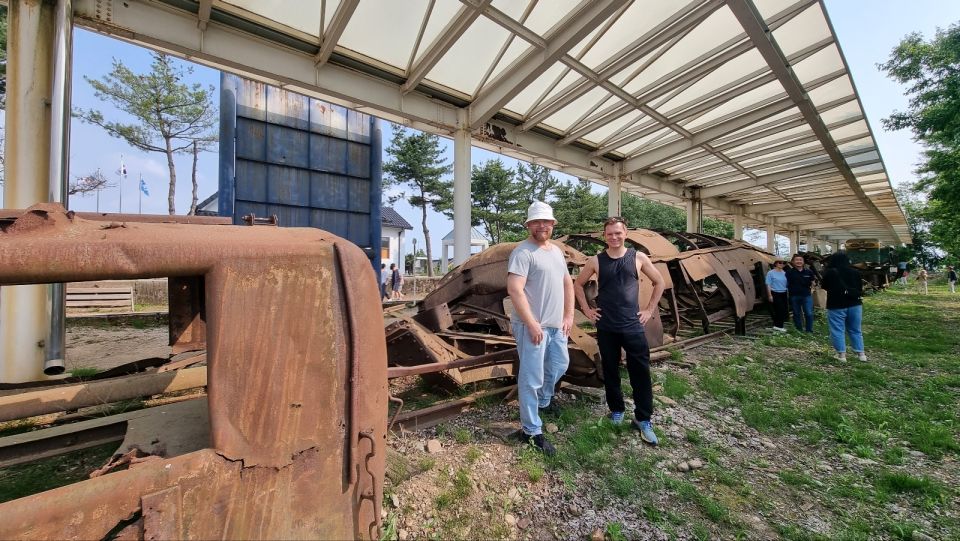
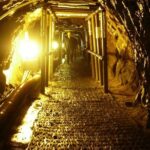
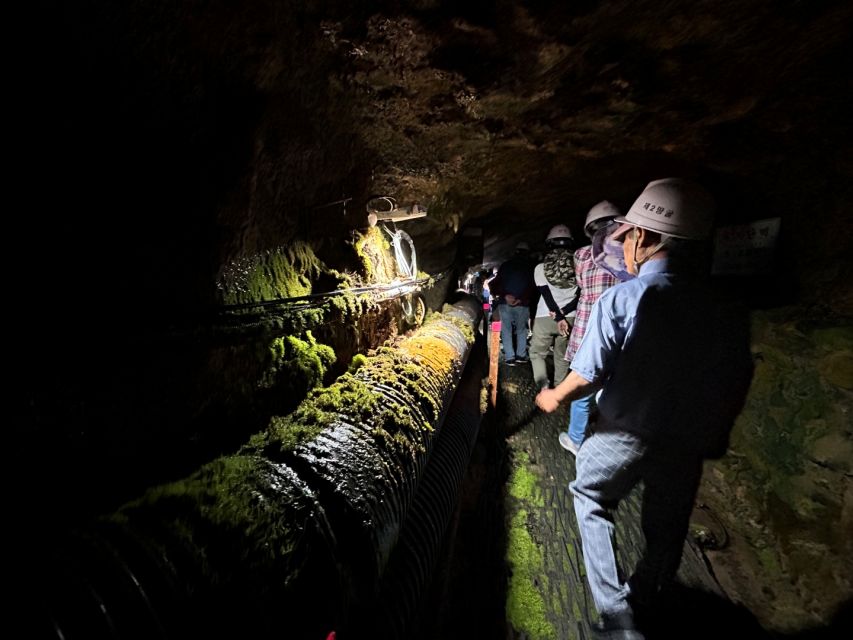
If you only came for one thing, come for the 2nd Infiltration Tunnel. This is Korea’s widest and closest tunnel in this DMZ set, discovered in 1975, and it’s also the one you walk through.
The walk is about 3.5 km. That number sounds manageable until you’re actually underground. From what people report, it includes steep descents and climbs. In winter conditions, the ground can get slippery, so your footwear is not a “nice to have” item—it’s part of your safety plan.
You should also expect how tunnels change your body and your senses. It’s cooler inside, and some areas require you to keep your head down. One of the most common tips is that you’ll be ducking. In other words, don’t plan this as a casual stroll. Plan it as a controlled hike where the payoff is seeing the invasion route story with your own legs, not just your eyes.
Why does this tunnel hit so hard? Because it turns abstract war history into a physical corridor. You understand why strategic routes were built, how secrecy mattered, and why the DMZ remains a political pressure point. The guide’s job is to connect the tunnel’s design to the larger story of infiltration attempts and ongoing tension.
Also, be prepared for the tour to adapt. The 2nd Tunnel can be closed due to factors like landmine clearance, and in that case your guide should pivot within the day so you still get the core DMZ experience.
Peace Observatory and DMZ History Museum: turning views into meaning
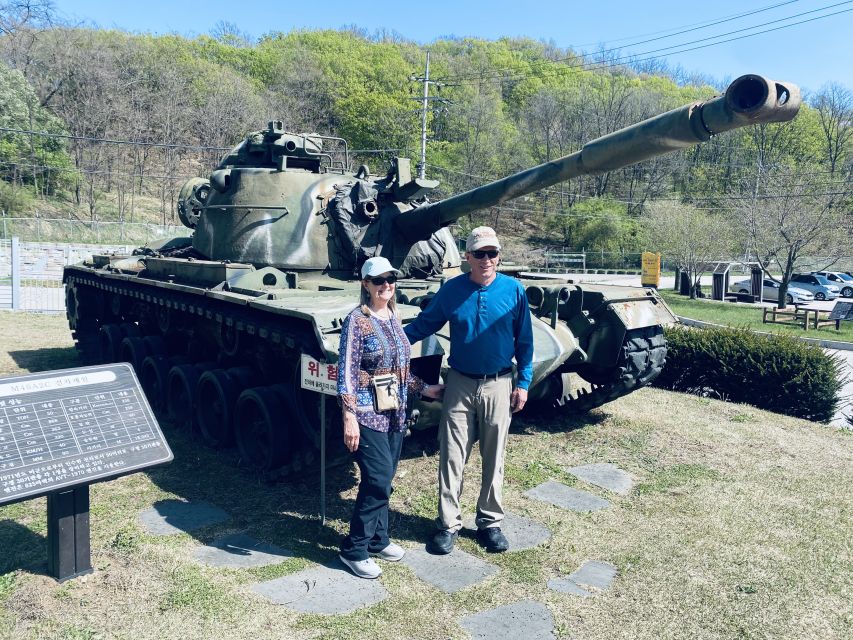
After the tunnel, you move to the Peace Observatory and the DMZ History Museum. The Peace Observatory includes a monorail ticket as part of your tour, which helps you avoid extra purchasing steps and keeps you on schedule.
Here you shift from “underground route” to “why the line exists.” You’ll learn about the Military Demarcation Line and why this border isn’t just geography. It’s a long-term pause that never fully became peace.
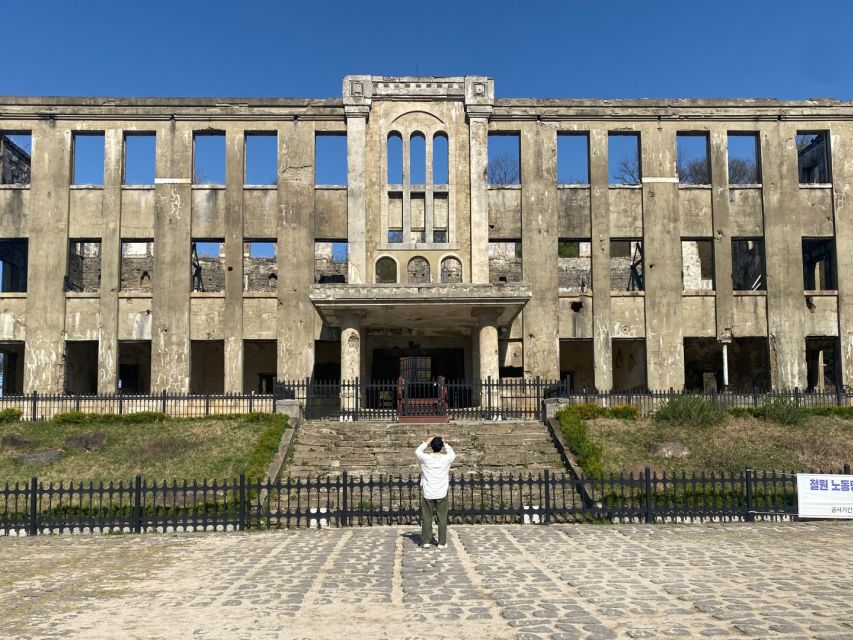
At the museum and observatory areas, you’ll also see ruins connected to the Korean Workers’ Party Headquarters. Those remains are meant to show what Cheorwon looked like in the North’s shadow. It’s not a comfortable stop. It’s a clarifying one.
And yes, there are rules. Photography inside is not allowed, so don’t rely on your phone to do the remembering. I’d treat this part like a listening session: let the guide’s explanations do the work while you focus on what the exhibits are pointing you toward.

Korean War lunch in Cheorwon: the included bibimbap set is actually worth pausing for
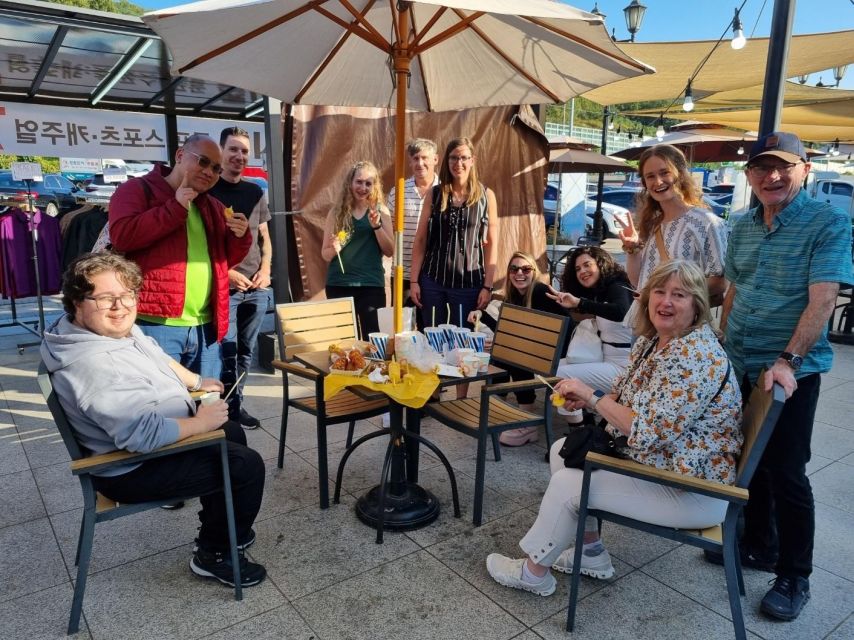
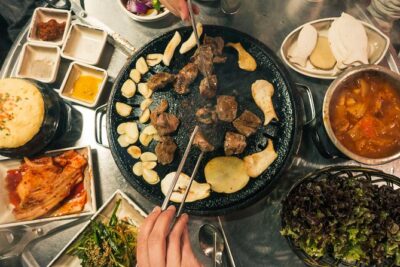
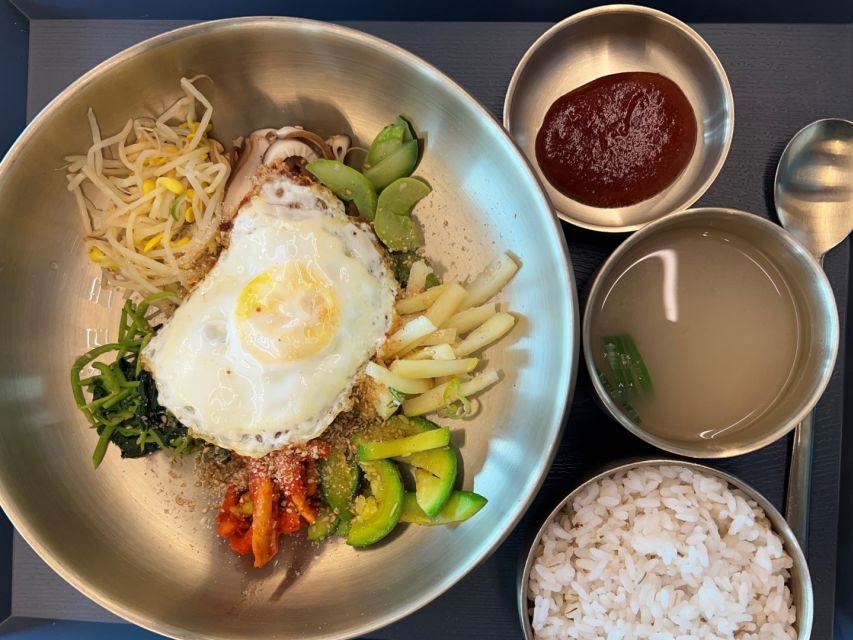
Lunch is not an afterthought here. You get a Cheorwon restaurant stop with a premium bibimbap set, and it’s designed around fresh vegetables. Many people mention it as delicious, and it’s one of the few DMZ-tour foods that feels like a real meal rather than a quick fuel stop.
Bibimbap works well for mixed diets because you can build a bowl to your comfort level. If you prefer vegetarian, this set is described as suitable for vegetarians thanks to the vegetable-forward portion and side dishes.
You’ll have about an hour at lunch. That hour is useful because the rest of the day has restrictions and mental load. A proper meal helps you enjoy the final viewpoint stop instead of zoning out.
Hantangang Y-Bridge over the cliffs: the fun finale with an optional fee
The end of the day includes a visit to the Hantangang Y-Bridge Observatory. This is your scenery break after history-heavy stops.
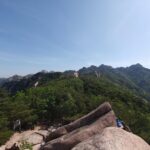
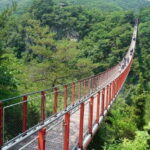
The Y-Bridge is described as Korea’s longest Y-shaped suspension bridge, with dramatic cliffside views and rock formations shaped by volcanic activity. The tour gives you a photo stop and about 20 minutes of free time to look around.
Here’s the practical detail: access to the observation deck is free, but if you want to cross the bridge itself, you buy tickets on-site. So you can decide on the spot based on time, weather, and how much you want to walk.
This stop is a good match for the day’s emotional rhythm. You go from underground tunnels and political boundaries to open air and wide angles. It doesn’t “fix” anything you just learned. It just gives your mind a place to breathe.
Price and value: why $95 makes sense for what’s included
At $95 per person, you’re not paying just for a bus ride. The package includes licensed guide time, all entry fees, the Peace Observatory monorail ticket, and lunch (premium bibimbap). You also get round-trip transfers from Seoul.
That combination matters in the DMZ because many “DIY” approaches fall apart when you add up logistics: transport, ticketing, timing, and the need for a guide who can explain what you’re seeing while rules are in effect. This tour handles that coordination so you can focus on the experience rather than the paperwork.
Is it expensive compared to a normal day trip? Yes, because this is a specialized zone and the day is structured around regulated access. But compared to paying entry fees and coordinating the transport yourself across multiple stops, this package pricing often feels fair.
Who should book this, and who might feel annoyed
This tour is a great fit if you:
- want the 2nd Tunnel rather than only doing observation-point DMZ tours
- like a guided story that connects each stop
- want lunch included so the day stays smooth
It might feel like the wrong match if:
- you hate walking or have balance issues (the tunnel includes steep parts and can be slippery in winter)
- you dislike strict photo rules indoors and prefer lots of camera time
- you’re very sensitive to regulated schedules and political-closure uncertainty
About accessibility: the info says wheelchair accessible, but it also says it’s not suitable for wheelchair users. If accessibility is a key concern for you, treat that as a red flag to confirm directly before booking—because the tunnel and movement requirements are the real question here.
Should you book this Cheorwon DMZ and 2nd Tunnel tour?
I’d book it if you want your DMZ day to feel focused on meaning, not just motion. The combination of Cheorwon, the tunnel walk, the Peace Observatory stops, and an actual included lunch makes it one of the more complete ways to do this part of the DMZ from Seoul without wasting time on shopping detours.
Skip it (or be cautious) if your top priority is comfort over walking, or if you absolutely need to photograph inside restricted spaces. And if you’re traveling in winter, bring your best traction shoes.
If you get the chance to do the 2nd Tunnel and the day runs as planned, this is the kind of experience that stays with you. Not because it’s dramatic for the sake of drama. Because it’s specific, physical, and explained in plain language.
FAQ
How long is the DMZ day trip from Seoul?
It runs for about 8 hours in total. The exact timing can shift because end times depend on traffic.
What’s included in the $95 price?
The tour includes round-trip transfers from Seoul (private option only), a licensed guide, all entry fees, a Peace Observatory monorail ticket, and lunch with a premium bibimbap set.
Do I need a passport?
Yes. A passport is required for this tour.
Is photography allowed?
Photography is not allowed inside. Follow your guide’s instructions for where you can take photos and where you cannot.
What happens if the DMZ zone is closed?
The tour notes that the DMZ could close due to sudden political events. In that case, you’ll do the tour with alternative destinations instead.
Do I have to pay to cross the Y-Bridge?
Observation deck access is free. If you want to cross the bridge, you can buy tickets on-site.
Can I cancel for a full refund?
Yes. You can cancel up to 24 hours in advance for a full refund.