REVIEW · SEOUL
Full Day- Essential Seoul City Tour & Gourmet Tour(including Lunch and Dinner)
Book on Viator →Operated by Bergen travel · Bookable on Viator
A food-led Seoul day makes the city click fast. This full-day plan strings together major sights and real-everyday eating, from Gyeongbokgung Palace to the night energy of Gwangjang Market, with hotel pickup to keep the day easy. It also mixes in quieter moments like Cheonggyecheon’s stream walk, so you do not feel like you only sprint from checkpoint to checkpoint.
I especially like how much you get without the usual hassle. Lunch and dinner are included, and they are not just generic tourist meals; you taste classic Korean flavors and then wrap the day with street food and makkŏlli at a market setting.
The one drawback to plan for is that it is a long day—about 9 hours—and you will cover a lot of neighborhoods on foot. If you have mobility limits, bring it up early so the pace can be adjusted.
In This Review
- Key takeaways before you go
- Why this Seoul essentials loop feels worth the money
- Hotel pickup and the real pace of a 9-hour day
- Gyeongbokgung Palace: the big Seoul opener
- National Folk Museum: daily life, not just monuments
- Bukchon Hanok Village and Baek In-je’s House: the neighborhood that teaches posture
- Jogyesa Temple: a calm break in central Seoul
- Insadong and the fine art of not overbuying
- Dawon Traditional Tea Garden: a short pause that actually helps
- Cheonggyecheon Stream: the urban reset walk
- Gwangjang Market dinner: street food, sharing culture, and rice wine
- Lunch at a Michelin-listed spot: samgyetang that sets the tone
- Snacks and beverages: the little fuel that keeps the pace humane
- Price and logistics: what $299 really buys you
- Who this tour fits best (and who should skip it)
- Should you book this full-day Seoul essentials and gourmet tour?
- FAQ
- What time does the tour start?
- How long is the tour?
- Is hotel pickup and drop-off included?
- What language is the guide?
- Are tickets and admissions included?
- Is lunch and dinner included, and what do you eat?
- Are snacks and drinks included?
- Is the tour private?
- Is gratuity included in the price?
- What is the cancellation policy?
Key takeaways before you go
- Hotel pickup and drop-off in Seoul reduces navigation stress on your first day
- Lunch (samgyetang) + dinner (market street food and makkŏlli) means you can budget less and snack more
- Gyeongbokgung + Bukchon + Insadong gives you the big historic triangle in one run
- Cheonggyecheon adds a breather on an otherwise packed schedule
- The market portion is set up for tasting, not just one meal
- Official English guide + air-conditioned vehicle keeps the day moving comfortably
Why this Seoul essentials loop feels worth the money
At $299 per person, you are not buying a bare-bones sightseeing package. You are paying for a full day where the guide does the hard parts: figuring out efficient routing, handling entry logistics where needed, and steering you through Seoul neighborhoods that can feel chaotic if you try to DIY on your first day.
What makes this work for most people is the balance. You get classic palace-and-temple Seoul in the morning, then traditional arts and street scenes in the afternoon, then a food-heavy finish. It is a smart way to learn what Seoul is made of—government history, everyday culture, and modern urban life—without needing to become a part-time map app.
Two details matter for value. First, the itinerary includes admission where it is relevant (like the palace and the folk museum), so you are not constantly stopping to pay extra. Second, the food plan is built into the schedule: snacks and beverages during the day, plus a proper lunch and dinner that are timed for when you are already there.
You can also read our reviews of more city tours in Seoul
Hotel pickup and the real pace of a 9-hour day
The tour starts around 9:00 am and includes hotel pickup and drop-off anywhere in Seoul (as stated for the experience). That matters because Seoul can be faster than you expect—but only if you know how to get around. From the first morning, your day is already simplified: you ride in an air-conditioned vehicle and focus on what you came for.
Still, you should know what you are signing up for. A day this packed usually means a lot of walking in short bursts. One review mentioned the walking added up, and that is consistent with how this route flows through palace grounds, villages, and market areas. If you are sensitive to distance, wear supportive shoes and plan for a few slower moments.
The good news: the guides in this program have a reputation for adjusting when needed. In one case, a guide tailored the pace for a bad knee; on another rainy day, the guide tried hard to make the plan work. The takeaway for you is simple: tell your guide your limits early, and you will likely get a smoother experience.
Gyeongbokgung Palace: the big Seoul opener
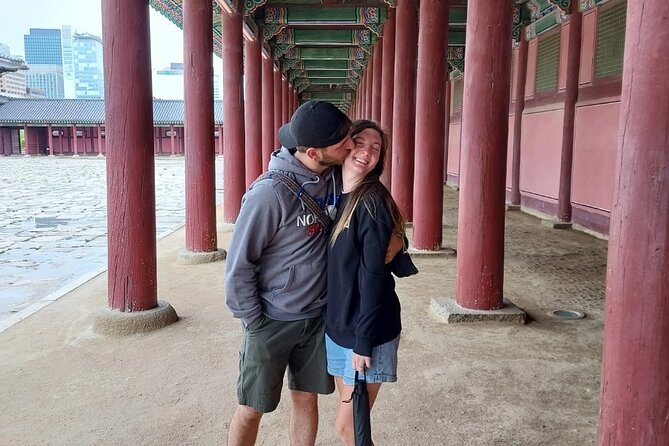
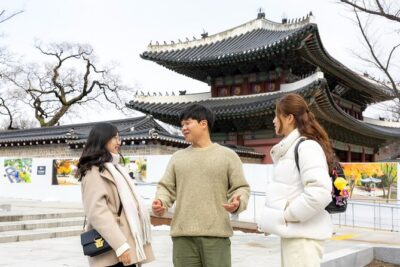
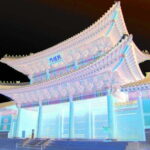
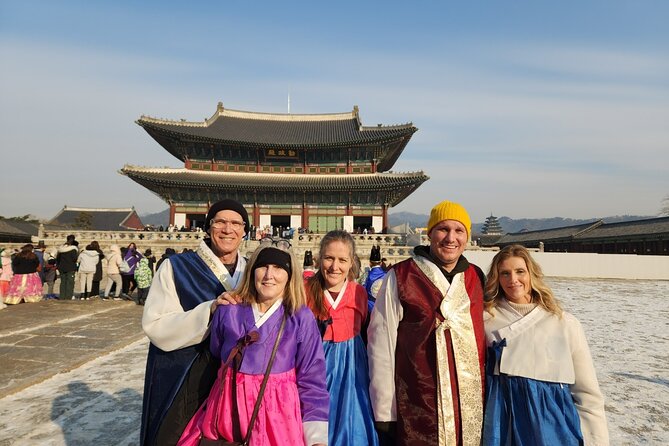
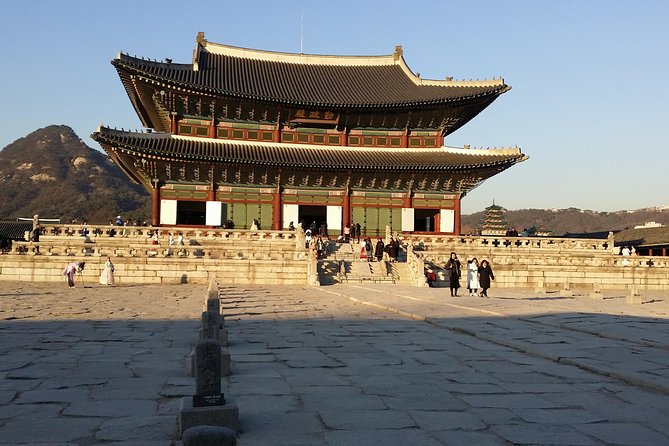
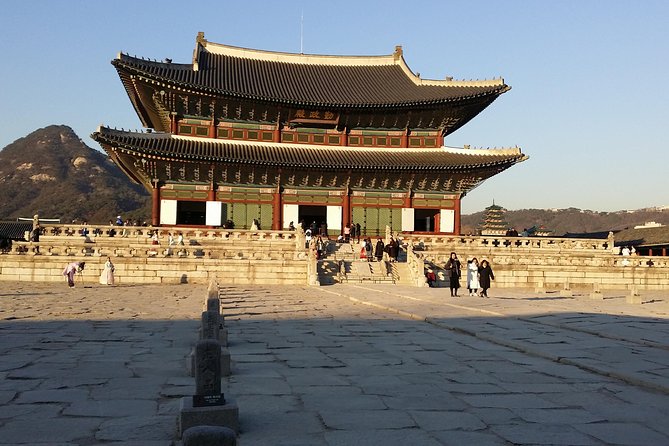
You start with Gyeongbokgung Palace, built in 1395 as the first of the Joseon dynasty palaces. The palace layout is tied to traditional feng shui ideas, so it is not just pretty architecture—it is also a snapshot of how people at the time thought about power, nature, and order.
A palace stop can go two ways. Either it turns into a quick photo sprint, or it becomes a guided lesson in what you are actually looking at. The best part of this morning setup is that you get an organized entry time and structured viewing, including the changing of the guard as a common highlight people remember. If you like history explained in plain language, this is usually where you feel the guide earn their keep.
One practical consideration: bring sun protection in warmer months and expect lines or crowd flow around key ceremony areas. The guide can help you navigate where to stand and what to watch for, but you still have to deal with being in a very famous place.
National Folk Museum: daily life, not just monuments
Right after the palace, the itinerary includes the National Folk Museum of Korea. The focus here is everyday life—how people lived from birth to the grave—rather than only royal rooms and ceremonial halls.
This museum stop is valuable because it fills a gap that many first-time Seoul itineraries skip. Palaces tell you about leadership. Museums like this tell you about the ordinary people who made Korean society function day to day. It is a helpful pivot that makes the rest of your tour feel more grounded.
Expect a shorter visit (about 30 minutes, based on the schedule) and use it like a reset. Do not try to read every label. Instead, look for patterns: traditional clothing, tools, household objects, and life-cycle customs. Those details make the later neighborhood stops—especially the hanok area—feel more meaningful.
Bukchon Hanok Village and Baek In-je’s House: the neighborhood that teaches posture
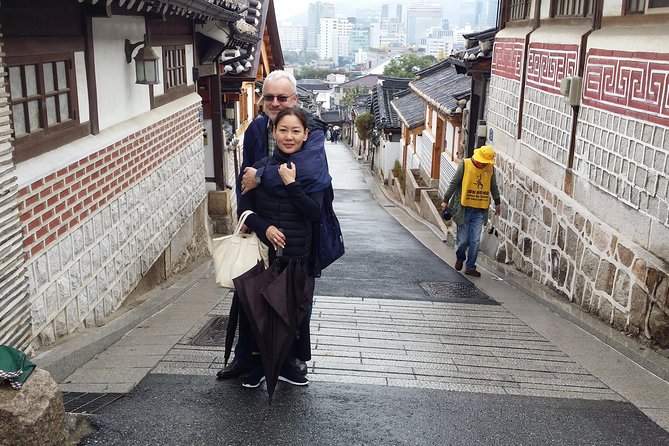
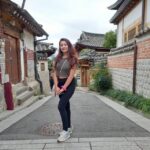
Next up is Bukchon Hanok Village, a traditional residential area made up of hanok houses with tiled roofs. The name is tied to geography—north village—and it sits in a part of Seoul that has long been associated with preserved residential character.
If you only stop for photos, you will miss why people come back. Hanok streets teach you how space is organized: courtyards, room placement, and how people used angles of light and wind. Even in just 40 minutes, the village gives you a quick sense of what traditional housing is like compared to modern apartments.
The tour also includes Baek In-je’s House within Bukchon. It is described as a well-preserved hanok, built on an elevated platform. That elevated detail matters: it hints at how houses accounted for site conditions and airflow. It also helps you understand why the village looks the way it does from certain viewpoints.
One drawback to keep in mind: Bukchon areas can involve uneven walking surfaces. Wear shoes that handle small steps and slopes.
You can also read our reviews of more tours and experiences in Seoul

Jogyesa Temple: a calm break in central Seoul
Midday brings Jogyesa Temple, one of Seoul’s major Buddhist temples and the headquarters for the Jogye Order of Korean Buddhism. It is located in central Seoul, which means you get a contrast between city noise and temple atmosphere within walking distance.
This is the kind of stop that helps you pace the day. When your itinerary includes palaces and markets back-to-back, you need a quiet zone. Temple interiors often deliver that reset—especially if your guide points out what to look for and how ceremonies and temple life work.
You should expect about 30 minutes here. Use it to slow down, look around, and take a breather before you head into more street-level traditional shopping areas.
Insadong and the fine art of not overbuying
The tour continues into Insadong, known as a traditional cultural area where you can see old Seoul atmosphere. It is also described as tied to arts administration during the Joseon dynasty, which helps explain why the streets feel like galleries and craft shops rather than only souvenir stalls.
Insadong is also a place where you may feel the temptation to shop. I like it most when I treat it like an introduction: browse, watch how shops display ceramics and paper goods, and pick up one small item you actually want to use. A guide can help you understand what different items represent so you do not end up with a random purchase that you later realize you do not like.
Important practical note: Insadong streets are busy, and you will be moving through pedestrian-heavy areas. It is a good zone for slowing down with your guide while still keeping the schedule moving.
Dawon Traditional Tea Garden: a short pause that actually helps
After Insadong, the itinerary includes a stop at the Kyung-In Museum of Fine Art, with Dawon Traditional Tea Garden inside a hanok setting. You get to enjoy traditional Korean tea here, and it is positioned as a moment to relax and find peace.
Tea stops can sometimes feel forced on tours, but this one is timed in a way that works. By then you have already seen palaces, a museum, and a temple. A tea moment is a real breathing break, and it often makes you enjoy the remaining parts of the day more.
One useful tip: if you are sensitive to caffeine, tell the guide and ask what the tea options are. The schedule states traditional tea is included, but it does not detail variety.
Cheonggyecheon Stream: the urban reset walk
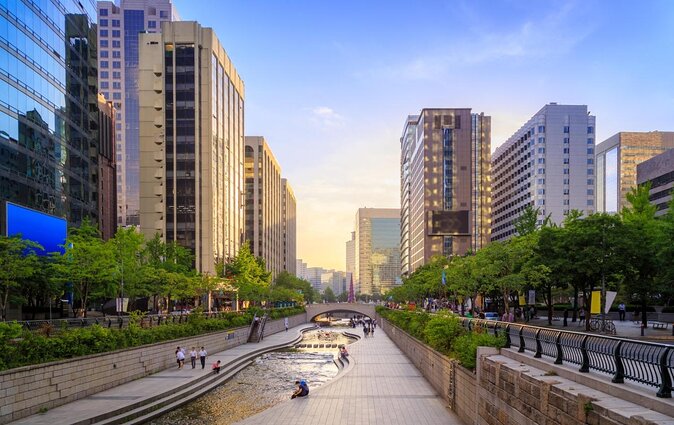
Then you get Cheonggyecheon Stream, described as an eco-waterway built on the site of a former stream. The stream is said to be 11 km long, and the stop here is about 20 minutes—enough time to understand why the area is a favorite city stroll.
This part is valuable because it gives you modern Seoul at human scale. You see a downtown space that is designed for walking and lingering, not only traffic. It also helps you transition emotionally from historic interiors and market density into the open-air energy that comes with dinner.
If you go during hot weather, bring water or use the snack breaks already included. Even short walks can feel longer than expected.
Gwangjang Market dinner: street food, sharing culture, and rice wine
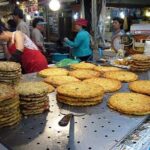
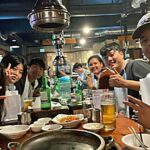
The day ends at Gwangjang Market, described as Korea’s first commercial market and opened in 1905. The atmosphere here is the opposite of palaces: loud, energetic, and food-first. Dinner is included, and it is specifically set up with various street foods plus makkŏlli (Korean rice wine).
This is where a food tour earns its name. The format matters: you are tasting items as you go, rather than being stuck with one restaurant plate. That sharing style lets you sample more than you would if you were eating solo or trying to order everything yourself.
One fun detail from real guide moments: some guides help you find specific popular stalls, including the kind of places that get attention online. In at least one memory shared, the market included the famous noodle lady from Netflix while guests were enjoying freshly prepared items like dumplings and knife-cut noodles. Even if you do not care about the internet version, you will still feel the craft in the food.
If you want to be smart about spicy or flavor preferences, this is also a good time to tell your guide what you like. And if alcohol is not your thing, ask what options are available—this tour states rice wine is served, but you can at least confirm how it is handled for non-drinkers.
Lunch at a Michelin-listed spot: samgyetang that sets the tone
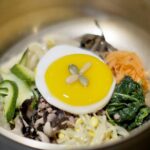
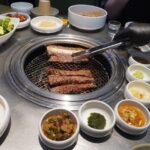
Lunch is included and centers on Jinseng Chicken Soup (samgyetang) at a Michelin restaurant. The tour also notes that a vegetarian restaurant option is available.
This lunch choice is practical. Samgyetang is a classic comfort dish and a great way to understand how Korean cuisine leans into warmth and nourishment. A Michelin-listed stop also tends to keep things orderly: you get good service and a predictable meal when your morning has already been busy.
The main thing to remember is how lunch ties into the theme of the day. A palace-and-temple tour can feel distant if you only learn from buildings. A strong food anchor makes the rest of the cultural stops feel more human.
Snacks and beverages: the little fuel that keeps the pace humane
Between the big meals, the tour includes snacks and beverages with traditional Korean snacks or teas. This is not just extra eating; it is pacing support. When you are moving through multiple neighborhoods, low energy turns sightseeing into irritation. Snack stops help you stay in the good mood zone.
If you have dietary restrictions, this is one area where you should communicate early. The only explicit dietary detail provided is that a vegetarian lunch option exists, so for other needs, plan to confirm with the guide.
Price and logistics: what $299 really buys you
Here is the clean way to think about the price. You are paying for:
- Licensed English-speaking guide
- Hotel pickup and drop-off
- Air-conditioned private vehicle
- Entrance fees where included in the schedule
- Lunch and dinner, plus snacks and beverages
Individually, each item can be pricey or time-consuming to arrange. The value shows up most for first-timers who want to see the essentials without turning the day into project management.
Is it for everyone? If you already know Seoul well and you want maximum freedom, you can DIY. But if you are short on time or you want your cultural learning to come in an organized path, this does the job.
Just be honest with yourself about one thing: the day is packed. That is not a flaw—it is part of the value proposition. A lighter, slower itinerary would require giving up some stops.
Who this tour fits best (and who should skip it)
This tour is a great match if you:
- are visiting Seoul for the first time and want a logical highlights route
- like your sightseeing mixed with tastings instead of only photo stops
- want someone to handle transportation and entry timing
- enjoy traditional culture and markets, not only modern neighborhoods
It may not be the best fit if you:
- cannot handle a long day and a lot of walking
- prefer unstructured wandering where you call every turn
- dislike food tours that include sharing and multiple small dishes
If you are celebrating something, this can also feel special because the day includes planned meals and a guide who can point out what you are looking at.
Should you book this full-day Seoul essentials and gourmet tour?
I’d book it if you want your first Seoul day to feel organized, tasty, and culturally connected. The combination of palaces and neighborhoods plus included lunch and dinner gives you less decision fatigue and more actual enjoyment.
Skip it (or at least adjust expectations) if you hate walking or you want lots of downtime. The schedule is built to move, and the walking is part of the deal.
If you do book, send your preferences early: mobility needs, food likes (and dislikes), and whether you want a slower pace at markets and villages. Done right, this is one of those days where Seoul stops feeling like a blur and starts feeling like a place you understand.
FAQ
What time does the tour start?
The start time is 9:00 am.
How long is the tour?
It runs about 9 hours (approx.).
Is hotel pickup and drop-off included?
Yes. The tour includes pickup and drop-off at your hotel in Seoul.
What language is the guide?
You’ll have an English-speaking guide with an official tour guide license.
Are tickets and admissions included?
All fees and taxes are included. Admission tickets are specifically listed as included for places like Gyeongbokgung Palace, the National Folk Museum of Korea, Jogyesa Temple, and the Kyung-In Museum of Fine Art stop.
Is lunch and dinner included, and what do you eat?
Lunch is included and features Jinseng Chicken Soup (samgyetang). Dinner is included at Gwangjang Market with various traditional street foods, and Korean rice wine (makkŏlli) is served. A vegetarian lunch restaurant option is also available.
Are snacks and drinks included?
Yes. The tour includes snacks and beverages during the day.
Is the tour private?
Yes. It’s described as a private tour/activity, meaning only your group participates.
Is gratuity included in the price?
No. Gratuities are optional and not included.
What is the cancellation policy?
You can cancel for a full refund if you cancel up to 24 hours in advance of the experience’s start time. If you cancel less than 24 hours before, the amount paid is not refunded.