REVIEW · SEOUL
Korea Cooking Class with 3 stars Michelin Chef & Content creators
Book on Viator →Operated by Nerdso · Bookable on Viator
A Michelin chef and a content creator cooking together sounds like a sitcom, but it works. I love the 3-star Michelin chef focus on real technique, and I also like the way host Koreanbong keeps things friendly and easy to follow. One thing to consider: it’s only about 2 hours, so you’ll get a strong taste of the process, not a slow, learn-every-detail marathon.
For practical value, this is set up for a tight group—up to 16 people—so you’re not standing around watching someone else cook. You’ll also get dinner and drinks, which turns the class into an actual evening plan, not just a demo. If you expect private, hands-on one-to-one instruction the whole time, you may feel the time pressure with the group format.
In This Review
- Key highlights you’ll feel right away
- A 7:00 pm Seoul cooking class with Koreanbong and a 3-star chef
- Before the stove: choosing ingredients at a local market
- The four-session flow: intro, demo, hands-on cooking, then dining games
- Session 1: Introduction and Korean cuisine history (about 15 minutes)
- Session 2: Food demo by the 3-star chef (about 30 minutes)
- Session 3: Start cooking with team menus at 4 sink stations
- Session 4: Dining time plus special games and cultural extras
- Stop 1: Lotte World Tower & Mall, and what it adds to your night
- Stop 2: Lotte World, a recognizable Seoul landmark break
- What you’ll cook: three typical Korean dishes, team by team
- Dinner, coffee, drinks, and the culture-game payoff
- Price and value: what $70.44 includes (and what doesn’t)
- Who this class is best for (and who should think twice)
- Booking tip: how to get the most out of your 2 hours
- Should you book this Korean cooking class?
- FAQ
- How long is the cooking class?
- What time does it start?
- Where is the meeting point?
- How many people are in the group?
- What happens during the class sessions?
- How many dishes will we cook?
- Is dinner included?
- Is private transportation included?
- What is the cancellation policy?
Key highlights you’ll feel right away
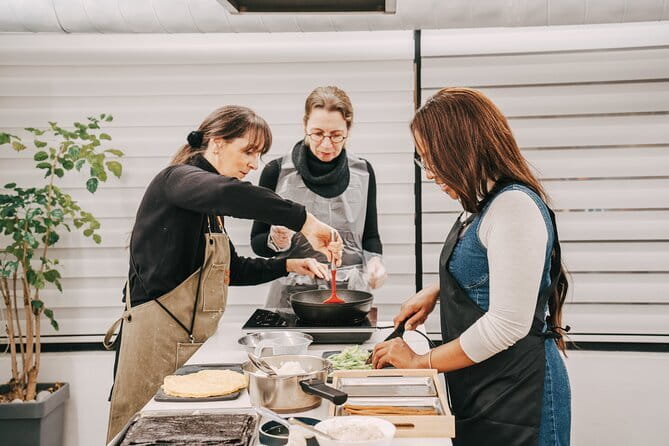
- 3-star Michelin demo first, so you understand the why before you start chopping
- Koreanbong’s family-style hosting, which makes it simpler to ask questions
- Four sink stations so groups of 2–4 cook their own menu
- Recipe papers per team, useful if you get distracted or forget a step
- Market ingredient shopping before cooking, so you’re using what you picked
- Post-cooking games and culture bits during dining time
A 7:00 pm Seoul cooking class with Koreanbong and a 3-star chef
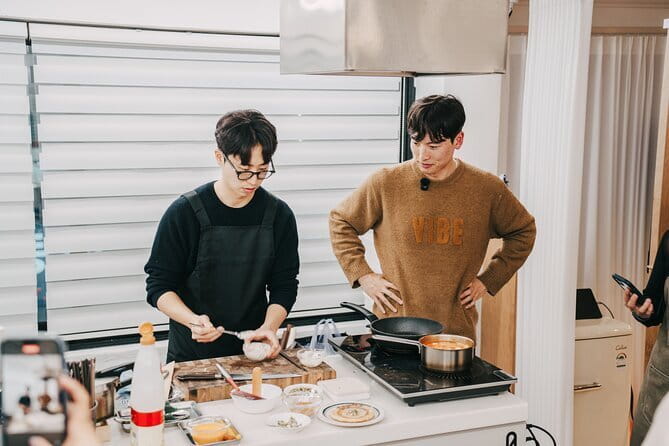
This runs in the evening, starting at 7:00 pm at 175 Ogeum-ro, Songpa District, Seoul. The setup is designed for social energy without chaos: a small class size, clear stages, and a host who’s comfortable keeping the room moving.
The biggest appeal for me is the pairing. On one side you have the 3-star Michelin chef giving instruction and demo. On the other side you have Koreanbong, a content creator who knows how to communicate with people so the class doesn’t feel cold or stiff. If you like learning but also want a relaxed vibe, this is built for that.
You’re also on a pretty efficient schedule. Even with the market visit and multiple cooking phases, the experience is kept to about 2 hours. That’s great for a night when you don’t want a huge time commitment, but it does mean you’ll have to follow along and keep pace.
You can also read our reviews of more cooking classes in Seoul
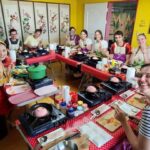
Before the stove: choosing ingredients at a local market
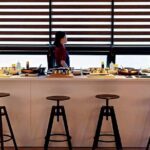
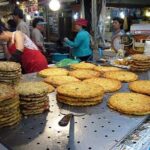
A key part of this class happens before anyone starts cooking: you visit a local market and choose ingredients. The idea is simple: learn what goes into Korean cooking by selecting the components yourself, including the more “exotic” items that might be unfamiliar at home.
For you, this is more than a quick photo stop. Market selection makes the flavors feel less random and more logical. When you later cook your three dishes, you’ll understand what each ingredient is doing—because you picked it, asked about it, and saw it used as the plan for that evening.
If you’re the type who thinks cooking classes should teach sourcing and substitutions too, this market time is where you’ll start building that mindset. Just remember: since the total duration is short, the market segment is likely focused and efficient rather than leisurely.
The four-session flow: intro, demo, hands-on cooking, then dining games
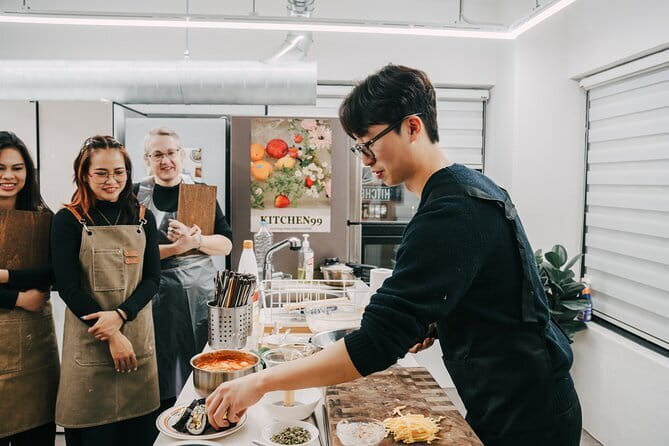
This class is structured in 4 sessions, and the pacing is one of the reasons it works.
Session 1: Introduction and Korean cuisine history (about 15 minutes)
You start with intros—because in a small group, that early friendliness really matters. Then you get a 15-minute presentation on Korean cuisine history. It’s not a lecture marathon; it’s a quick framework so the food isn’t just names and steps. You’ll know what to look for while cooking, like how certain flavors fit into broader Korean tastes.
Session 2: Food demo by the 3-star chef (about 30 minutes)
Next comes the 30-minute cooking demo by the Michelin chef. This is where you learn the workflow: how the dish starts, what order things go in, and what the chef is watching for.
Don’t worry about losing the process if you blink once. The class includes recipe papers per team, so you can check the steps while you cook. For me, that’s a smart balance: you learn by watching, then you’re not stuck if you miss one moment.
You can also read our reviews of more tours and experiences in Seoul


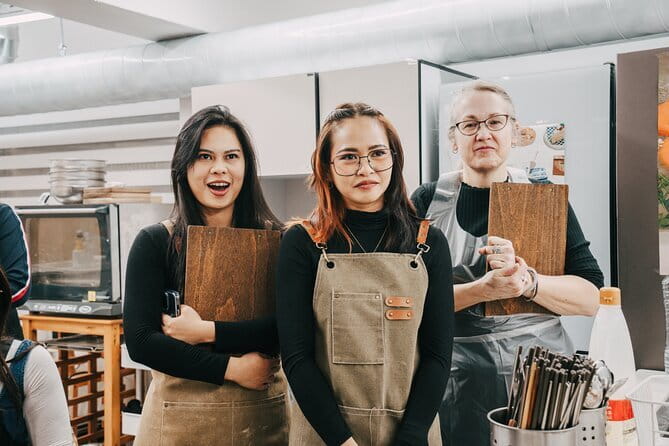
Session 3: Start cooking with team menus at 4 sink stations
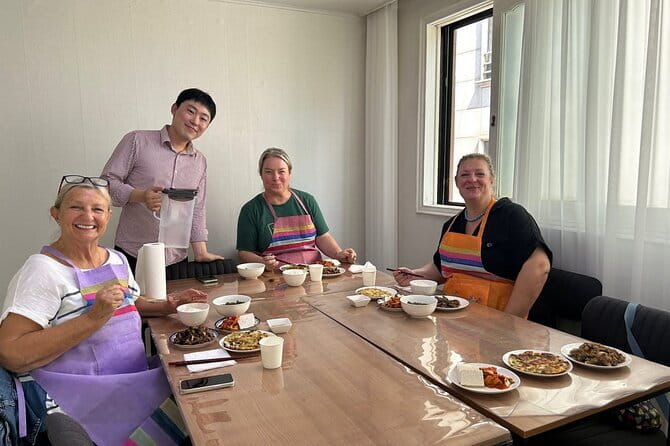
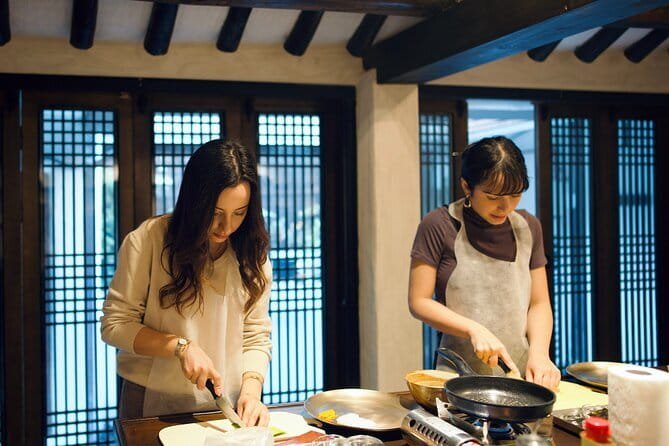
Now the class splits into groups. There are 4 large sinks, each for a team of 2–4 people. Each team cooks different menus, so the room stays active and you aren’t all doing the exact same dish.
This is a big quality-of-experience point. Smaller team cooking usually means you can actually touch the ingredients and tools, instead of waiting your turn forever. It also creates a social rhythm—you’ll compare what your team made with other teams during breaks and later at dining.
Session 4: Dining time plus special games and cultural extras
After cooking, you eat. Dining time starts as soon as you finish, and it includes some special games or events as a bonus. This is where the class shifts from kitchen skills into Korean culture in a lighter way—less formal explanation, more participation.
It also means the evening ends on a high note. You don’t just leave with a recipe folder; you leave with food, conversation, and a reason to stick around long enough to understand what others made.
Stop 1: Lotte World Tower & Mall, and what it adds to your night
The itinerary includes Stop 1: Lotte World Tower & Mall. This matters because it keeps the experience anchored in a real Seoul area rather than feeling like an isolated cooking studio day.
I like pairing a cooking class with a nearby “big Seoul” moment because it gives you contrast. You’ll go from iconic modern architecture and mall energy to traditional food-making and cultural games. If you enjoy sightseeing that doesn’t require planning a whole second activity, this kind of side stop is a practical win.
One consideration: malls and towers can be busy. If you prefer quiet streets, this may feel like a louder contrast to the calmer kitchen part of the evening.
Stop 2: Lotte World, a recognizable Seoul landmark break
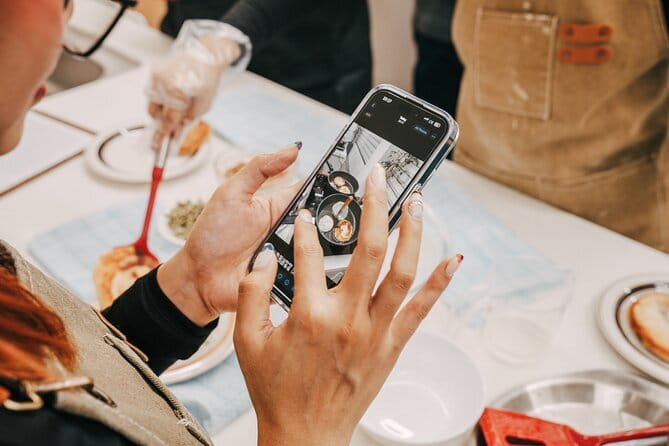
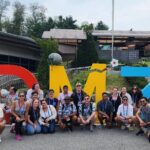
Then you’ll hit Stop 2: Lotte World. Even if your main goal is the cooking, this stop helps you keep your bearings for the rest of your trip. Lotte World is a widely recognized area in Seoul’s Songpa District, so it’s useful as a reference point if you’re navigating later.
Think of this as a guided “where you are in Seoul” moment. It turns the evening from only cooking into a small full outing. The downside is the more “sightseeing” time you get, the less time you may have for extra cooking questions. Still, with the structured sessions, you should be fine.
What you’ll cook: three typical Korean dishes, team by team
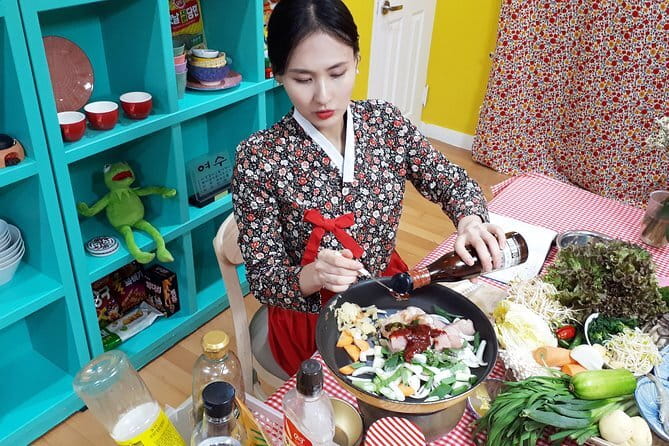
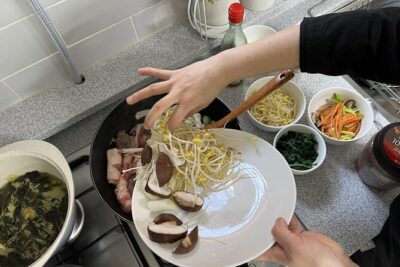
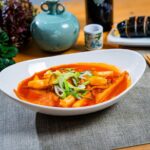
The class focuses on 3 typical Korean dishes. You choose ingredients at the market, then you cook those dishes through the demo and team cooking.
Because each group cooks different menus, you might notice variations in plating and technique depending on the team. That’s actually helpful. You’ll see how small choices in process can change the final taste and texture, even when everyone is working within the same general Korean dish structure.
A practical tip: use the recipe papers per team actively. Don’t treat them like a souvenir. Scan them before you start each phase so you know what’s coming. That cuts down on confusion when the chef moves quickly.
Also, expect a “learning by doing” style. This isn’t a sit-and-watch class. With groups cooking at the sinks, you’ll be in the action—so bring your curiosity and be ready to try.
Dinner, coffee, drinks, and the culture-game payoff
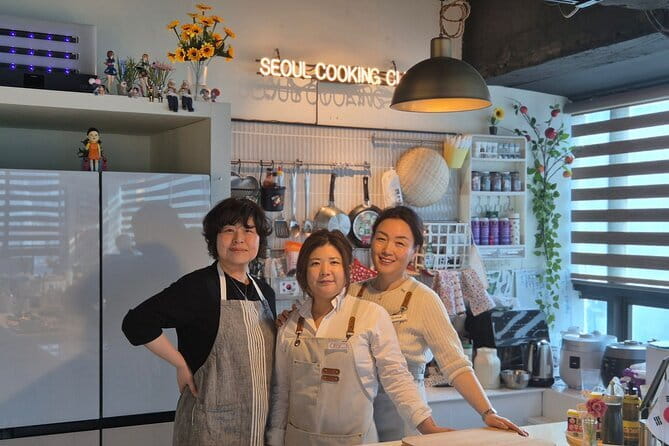
This is not just lunch or a snack. Your package includes Dinner, plus coffee and/or tea, and alcoholic beverages, along with bottled water. In value terms, that’s meaningful. Many cooking classes offer food, but they don’t always include drinks, and those add up fast when you’re in Seoul.
The dining part also has built-in entertainment: special games or events designed to teach Korean cultural things as a bonus. That keeps the atmosphere social and helps you remember what you cooked, because you’re not rushing out right after eating.
If you like a class that turns into a shared night rather than a one-time meal, this is where it delivers. You get a satisfying end—food plus interaction—without needing extra planning.
Price and value: what $70.44 includes (and what doesn’t)
At $70.44 per person, you’re paying for a small-group, guided cooking evening with premium instruction and included meals. For me, the biggest value signal is what’s included:
- Dinner
- Coffee and/or tea
- Alcoholic beverages
- Bottled water
Plus, you’re getting the structure of a 4-session class, a market ingredient selection, and access to the 3-star Michelin chef plus Koreanbong as host.
What’s not included is private transportation. That’s normal for city-based tours, but it matters if you hate public transport. The good news: it’s near public transportation, so you’re not likely to feel stuck.
Also, the class runs with a maximum of 16 people. Smaller groups often mean better attention and a more active cooking role, even when the time is short.
Finally, this tends to book ahead—on average 24 days in advance. If you’re going during peak season, plan earlier rather than hoping for walk-up availability.
Who this class is best for (and who should think twice)
This experience is a strong fit if you:
- Want cooking instruction with high-end credibility from a 3-star Michelin chef
- Prefer small groups where you can actually talk to the host and ask questions
- Like the idea of learning via a market-to-kitchen flow
- Want Korean culture at night, not just during daytime sightseeing
- Appreciate a fun, family-friendly atmosphere led by Koreanbong
You might think twice if you:
- Need a fully flexible schedule (this class is set and can’t be changed once booked)
- Are looking for long-form cooking depth (the whole thing is about 2 hours)
- Expect private transportation as part of the price
Booking tip: how to get the most out of your 2 hours
Because the time is tight, your best strategy is preparation-by-attitude.
- Use the recipe papers as your second brain. Glance at them before doing the hands-on parts.
- Ask questions early—don’t wait until the end of the demo. That’s when the chef’s explanations are freshest.
- Eat after you cook. The dining time is part of the experience, including the games and cultural extras.
If you treat it like a lively evening workshop rather than a slow cooking class, you’ll get more value out of it.
Should you book this Korean cooking class?
I’d book it if you want a high-energy Seoul night with real instruction, not just a generic cooking demo. The pairing of a 3-star Michelin chef with Koreanbong is a practical win: strong technique plus easy communication. Add in the market ingredient selection, 3 dishes, and dinner with drinks, and it becomes a complete evening plan.
If you only want a quiet, traditional food lesson with no games, or you need long, detailed practice time, then this might feel fast. But for most people looking for an authentic, fun, and well-run experience in Songpa District territory, it’s a solid choice.
FAQ
How long is the cooking class?
It runs for about 2 hours (approx.).
What time does it start?
The start time is 7:00 pm.
Where is the meeting point?
Meet at 175 Ogeum-ro, Songpa District, Seoul, South Korea. The activity ends back at the meeting point.
How many people are in the group?
There’s a maximum of 16 travelers.
What happens during the class sessions?
There are 4 sessions: an introduction (15 minutes), a chef demo (30 minutes), hands-on cooking by teams, and then dining time with special games or events.
How many dishes will we cook?
You’ll cook 3 typical dishes.
Is dinner included?
Yes. The experience includes Dinner, plus coffee and/or tea, alcoholic beverages, and bottled water.
Is private transportation included?
No. Private transportation is not included.
What is the cancellation policy?
This experience is non-refundable and cannot be changed for any reason. If the minimum number of travelers isn’t met, you’ll be offered a different date/experience or a full refund.