REVIEW · SEOUL
Seoul: Royal Seoul Cooking Class in a 100-Year-Old Hanok
Book on GetYourGuide →Operated by PPGLOBAL · Bookable on GetYourGuide
Cooking in a hanok feels like time travel. I love the 100-year-old hanok setting in central Seoul and the fact the class caps at six people, so Chef Park can give you real hands-on attention.
I also like the meal built around royal favorites like LA Galbi and the handcrafted Bangjja bronzeware dinner, with makgeolli and traditional desserts at the end. The main thing to watch is that the default menu is beef ribs, so if you want Dak Galbi or vegetarian, you have to request it when booking.
In This Review
- Key points to know before you go
- Why this Seoul cooking class feels special in a 100-year-old hanok
- The dishes you’ll make (and what each one teaches)
- LA Galbi (beef ribs) as the default star
- Fresh kimchi: the fermentation-famous side, made approachable
- Haemul Pajeon: savory, crispy, and very real-food Korean comfort
- Tangpyeongchae: learning Korean banchan style plating and flavor balance
- What Chef Park teaches you beyond recipes
- Dining like royalty: Bangjja bronzeware, makgeolli, and dessert
- Bangjja bronze plates: why the dinnerware matters
- Makgeolli: included, freshly brewed
- Traditional desserts to close the meal
- The real value in this $96 price
- Timing, allergies, and the one detail that can change your menu
- Where you meet: Insadong, and avoiding the wrong Ibis
- Who should book this class (and who might not love it)
- Should you book this Seoul Royal Cooking Class?
- FAQ
- How long is the cooking class in Seoul?
- What dishes are included in the Royal Seoul Cooking Class?
- Is the class small group size?
- Can I request Dak Galbi or a vegetarian option?
- Is the instruction offered in English?
- Where is the meeting point?
- Is this cooking class suitable for children?
Key points to know before you go
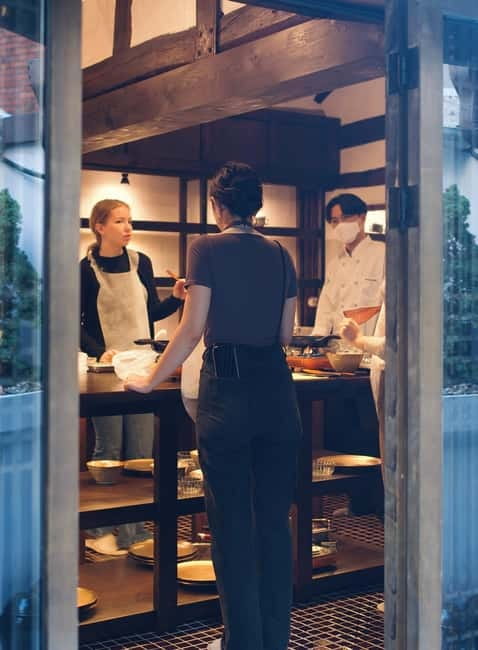
- A preserved 100-year-old hanok near the palace area: traditional space without feeling cramped
- Small-group format (max 6): more teaching time per person
- Royal-style dishes in one sitting: LA Galbi, fresh kimchi, Haemul Pajeon, Tangpyeongchae
- Handcrafted Bangjja bronze tableware: part of the dining ritual, not just decoration
- Makgeolli plus Korean desserts included: you leave fed, not just educated
- English instruction with patient, step-by-step guidance from Chef Park (also known as Ricky)
Why this Seoul cooking class feels special in a 100-year-old hanok
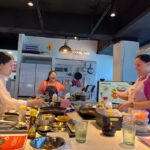
Seoul can feel loud, fast, and bright. This class gives you a quieter pocket of the city: a 100-year-old hanok (traditional Korean home) preserved for cooking and dining. You’re not just sampling food off a plate; you’re working inside the kind of home where Korean meals have long been part of daily life.
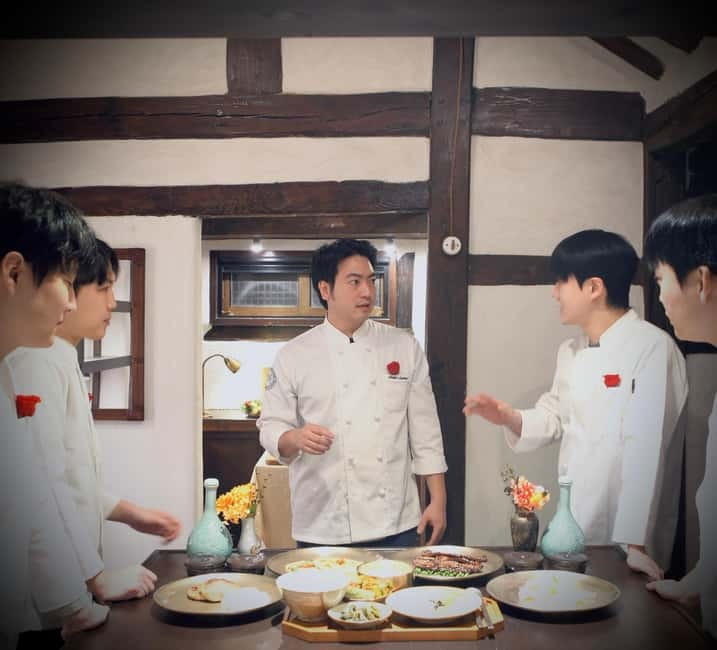
What I really like is the pacing that comes from the small size. With a max of 6 people, the chef can check your steps without rushing you or treating the class like a conveyor belt. That matters because Korean cooking often has timing and technique. In a larger group, you’d be waiting. Here, you get time.
You can also read our reviews of more cooking classes in Seoul
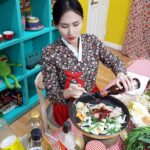
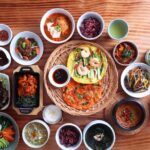
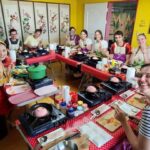
The dishes you’ll make (and what each one teaches)
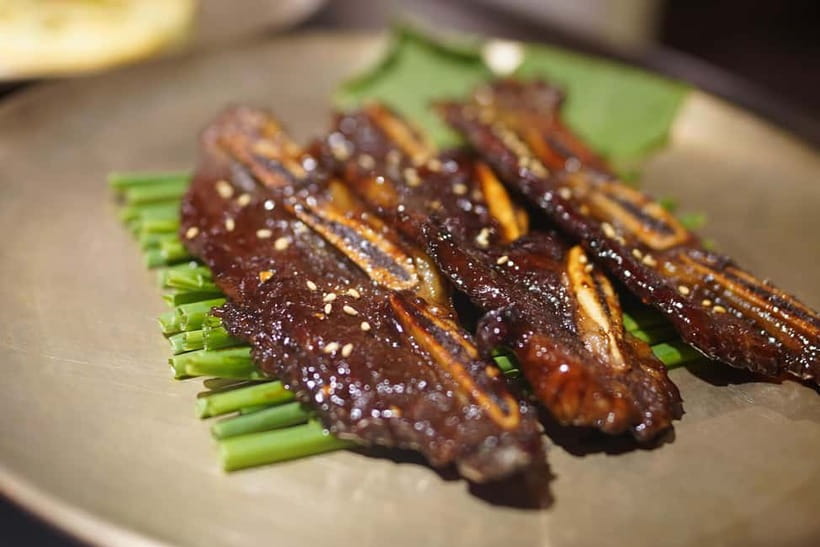
This class is built around a set menu that’s designed to cover a good spread of Korean flavor and technique—grilling, fermentation basics (kimchi), savory pan cooking, and a lighter dish finish.
LA Galbi (beef ribs) as the default star
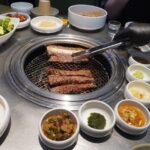
LA Galbi is the default dish, and it’s a smart choice for beginners because it’s tactile. You’re working with beef short ribs that cook quickly and reward good seasoning and grill/pan control. You also learn how Korean dishes lean into balance: sweet-salty notes, savory depth, and a sauce that’s meant to coat rather than drown.
If you want Dak Galbi (chicken) or a vegetarian menu, don’t wait until you arrive. The information you have says those options must be requested when booking.
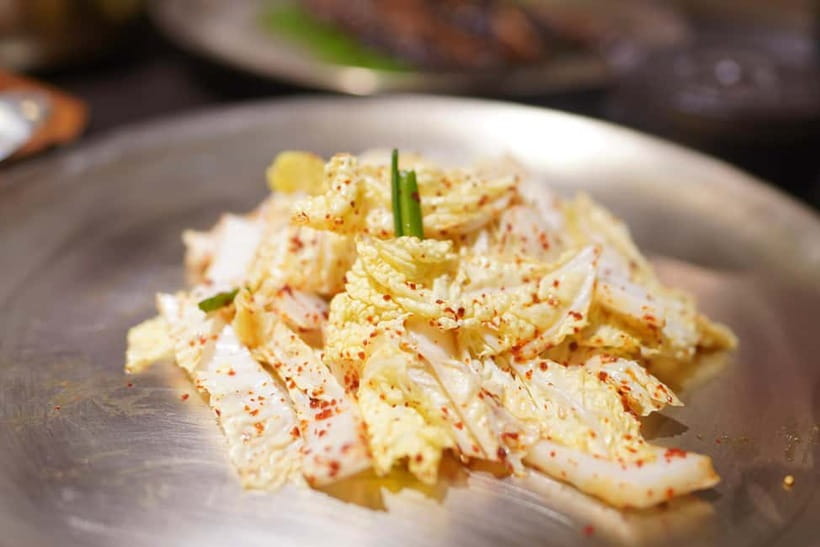
Fresh kimchi: the fermentation-famous side, made approachable
Fresh kimchi is included, and the best part of learning it in a class is you can see the logic behind the steps. Even if kimchi feels intimidating on menus, the class format turns it into manageable actions you can repeat later at home.
I like that it’s included in the hands-on portion rather than being treated like a side you simply eat and forget. Once you understand the build, you start noticing why different kimchi tastes different.
Haemul Pajeon: savory, crispy, and very real-food Korean comfort
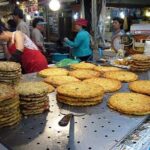
Haemul Pajeon is where you learn about texture. Pajeon is not only about flavor; it’s about how batter behaves on the pan and how seafood (or your chosen mix) distributes. You get the chance to control doneness and crispness, which is exactly what makes this dish so satisfying to cook.
You can also read our reviews of more tours and experiences in Seoul

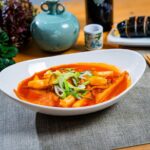
Tangpyeongchae: learning Korean banchan style plating and flavor balance
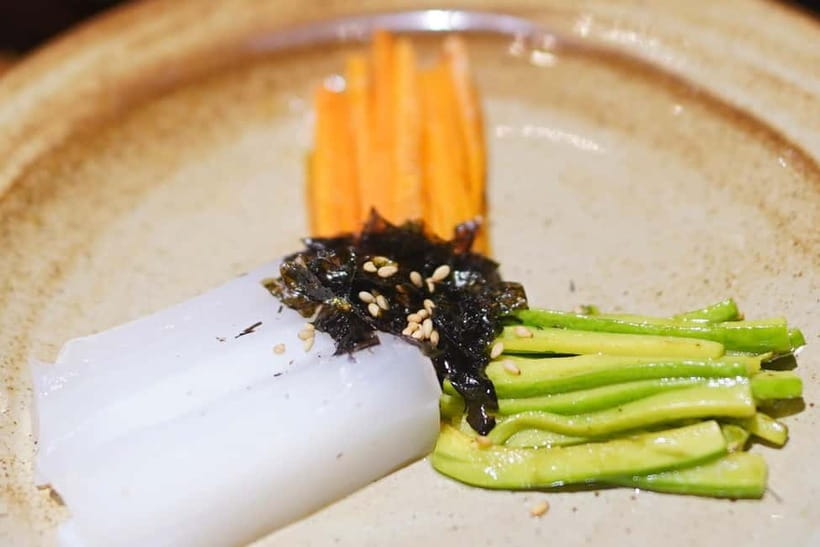
Tangpyeongchae round out the meal with a different mood from the grilled-and-crisp dishes. It’s the kind of dish that helps you understand Korean meals as sets, not single “main course” moments. You’re learning how to build a table where each dish has its own role—some comforting, some punchy, some lighter.
What Chef Park teaches you beyond recipes
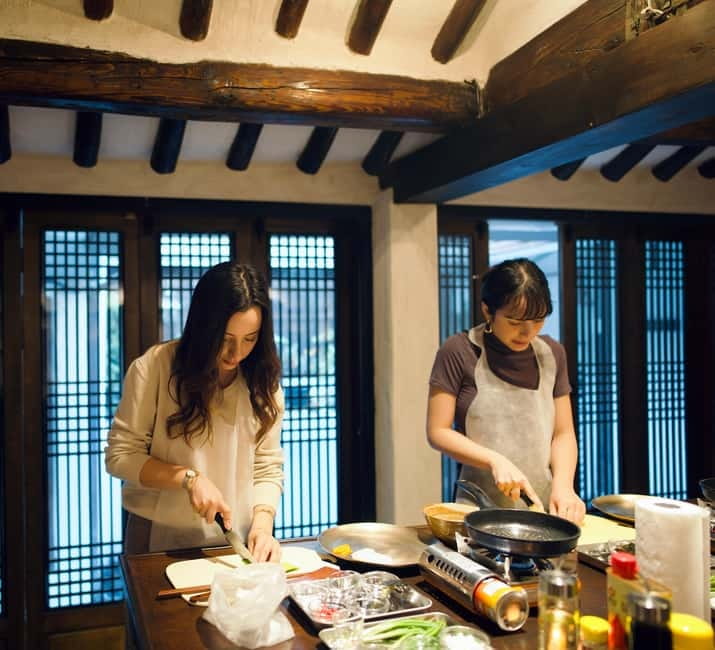
The class is led by Chef Park (often referenced as Park or Ricky in participant feedback), and the teaching style comes through in the way people describe the experience: clear directions, patience, and room for conversation. I like that this isn’t presented as a “watch me, then eat” performance. The format is designed so you’re active.
Because you’re in a small group, Chef Park can adjust on the fly. That helps if you’re brand new to cooking or you’re someone who usually prefers to read instructions twice before touching a pan. Your pace matters here.
Also, the class is described as giving cultural context alongside the food. That’s not just background noise. When you understand where royal cuisine came from and how Korean meals are structured, the flavors make more sense. You’re less likely to cook it once and then forget how it was supposed to taste.
Dining like royalty: Bangjja bronzeware, makgeolli, and dessert
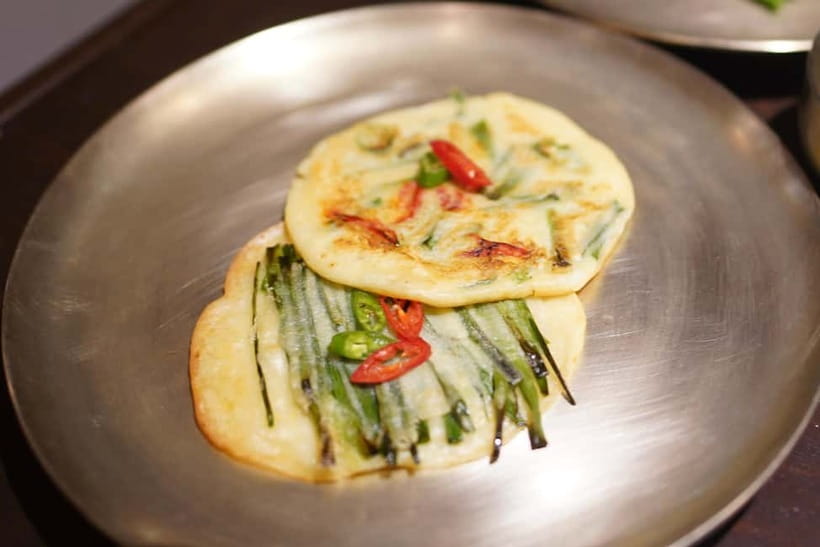
Cooking is only half the deal. The other half is how you’re treated at the table.
Bangjja bronze plates: why the dinnerware matters
You’ll dine on handcrafted Bangjja bronzeware. This isn’t just aesthetic. Traditional Korean dining is often tied to ritual—how the table is set, how dishes are shared, and the feeling of being served in a heritage space. Bronzeware also adds to that sense that this is a special meal, not a casual snack between sightseeing stops.
I like that this class pairs “hands-on” cooking with “hands-on” dining atmosphere. It makes the work you did feel worth it the moment you sit down.
Makgeolli: included, freshly brewed
A glass of freshly brewed makgeolli is included. Makgeolli is milky, lightly sweet, and it goes well with many Korean savory dishes. It’s also an easy way to experience a Korean drink that doesn’t require you to research complicated ordering.
Traditional desserts to close the meal
Assorted Korean desserts are included, which means the whole session feels complete. You aren’t left looking for dessert later or paying extra for a sweet finish. You get a neat arc: cook, eat, drink, and end with something traditional.
The real value in this $96 price
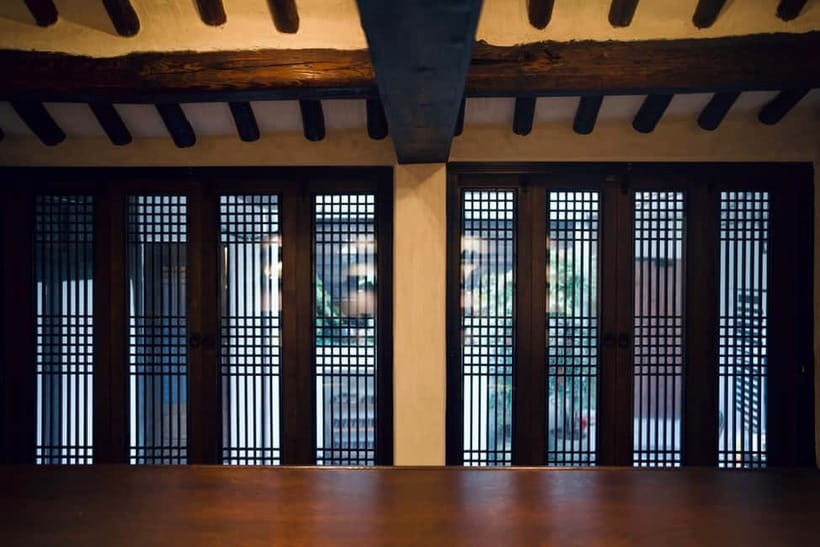
At $96 per person for a 2-hour class, you’re paying for more than ingredients. You’re paying for the combination of:
- A hands-on cooking lesson led by certified chefs
- Multiple dishes crafted in one sitting (not just a single recipe)
- Small-group instruction (max 6), which usually drives the cost of teaching time
- Traditional dining setup, including Bangjja bronzeware
- Makgeolli and desserts, both included
If you’re used to “food tour” pricing, this can feel comparable once you remember that tastings often cost similar money but don’t teach you a repeatable meal. Here, you leave with recipes you can recreate. That makes the price easier to justify.
Timing, allergies, and the one detail that can change your menu
This class runs 2 hours, and you’ll want to plan your day around it. One practical note from the experience details you have: there can be slight variation, so if you have a tight second commitment right after, keep some flexibility.
Dietary fit is the other key point. The default menu is LA Galbi (beef ribs), and Dak Galbi (chicken) or vegetarian needs to be requested when booking. If you have allergies or food restrictions, you should let the team know in advance, as instructed.
And if you’re bringing family: the class is not suitable for children under 10. If that applies to you, it may be better to schedule a different Seoul food experience.
Where you meet: Insadong, and avoiding the wrong Ibis
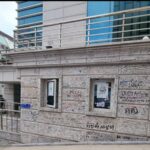
Getting lost in Seoul is easy when a hotel chain has multiple locations. This one is specific: the meeting point is just right behind Insadong IBIS Ambassador Hotel.
Important detail: there are a few IBIS hotels in Seoul, so make sure you’re at Insadong. The provided address is:
- 25, Samil-daero 32ga-gil, Jongno-gu, Seoul (서울시 종로구 삼일대로 32가길 25)
If you’re coming by taxi or rideshare, use the full address so your driver lands at the right building.
Who should book this class (and who might not love it)
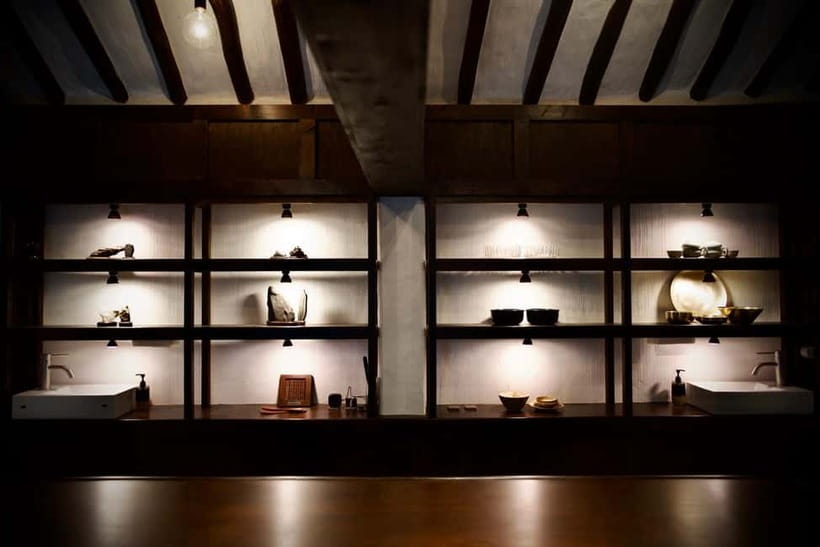
This is a great match if you want:
- A hands-on Korean meal experience, not just tasting
- A small, calm group in a heritage setting near central sights
- A chance to cook multiple iconic dishes in one go, with step-by-step support
It’s also a smart choice for couples and solo travelers who want conversation without feeling like you’re in a big tour herd.
Skip it (or at least think twice) if:
- You need a guaranteed vegetarian or Dak Galbi menu but you didn’t request it at booking
- You’re traveling with kids under 10
- You hate cooking classes where you’re expected to participate at the counter, not just watch
Should you book this Seoul Royal Cooking Class?
I’d book it if your Seoul trip includes a “teach me something I can repeat” goal. The 100-year-old hanok setting, the max-6 group, and the included meal components (Bangjja dinnerware, makgeolli, desserts) make it feel like a thoughtfully packaged evening rather than a rushed demo.
Do book it with two checks in mind: confirm your dietary needs early (since the default is LA Galbi), and double-check that the timing and age suitability work for your group. If those boxes are checked, this is one of those experiences that turns Korean food from a list of dishes into a skill you actually understand.
FAQ
How long is the cooking class in Seoul?
The class lasts 2 hours.
What dishes are included in the Royal Seoul Cooking Class?
The menu includes LA Galbi (beef ribs) as the default, fresh kimchi, Haemul Pajeon, and Tangpyeongchae. Makgeolli and assorted Korean desserts are also included.
Is the class small group size?
Yes. It’s limited to 6 participants.
Can I request Dak Galbi or a vegetarian option?
Yes. The default menu is LA Galbi, and Dak Galbi (chicken) or vegetarian options can be requested when booking.
Is the instruction offered in English?
Yes. The instructor speaks English.
Where is the meeting point?
You meet just right behind Insadong IBIS Ambassador Hotel. The address is 25, Samil-daero 32ga-gil, Jongno-gu, Seoul (서울시 종로구 삼일대로 32가길 25).
Is this cooking class suitable for children?
No. It is not suitable for children under 10.