REVIEW · SEOUL
Seoul: DMZ 2nd Tunnel and Suspension Bridge Tour
Book on GetYourGuide →Operated by I LOVE SEOUL TOUR Co., Ltd. · Bookable on GetYourGuide
A tunnel walk changes your whole mood fast. This Seoul day trip takes you into the Cheorwon DMZ area with hands-on stops like the 2nd Tunnel and the Sky Bridge, plus clear explanations from guides such as Dragon and Leo.
I especially like the way the tour turns big, scary politics into something you can actually picture on the ground, with practical context about the north-and-south situation. The best part for me is the balance: you get DMZ history and then you also get nature and geology at Hantangang Geopark and Bidulginang Falls.
One thing to plan for: this is a 10-hour outing and lunch isn’t included. You’ll get free time near the 2nd Tunnel area, but you’ll be choosing and paying for your meal yourself.
In This Review
- Key highlights worth getting excited about
- DMZ from Seoul without the stress: how the 10-hour flow works
- Getting there: meeting point at Myeong-dong Exit 10
- The DMZ 2nd Tunnel: why this is the stop people remember
- Cheorwon Peace Observatory, Woljeong-ri Station, and the bird sanctuary
- The former headquarters stop and the drama-famous Sky Bridge
- Hantangang Geopark viewpoints and Bidulginang Falls (Natural Monument No. 537)
- Lunch near the 2nd Tunnel: plan for food on your own
- Who should book this tour (and who should skip it)
- Price and value: what $87 covers in real terms
- Small rules that keep the day smooth
- Should you book this DMZ 2nd Tunnel and Sky Bridge tour?
- FAQ
- What day of the week does the tour run?
- Where do I meet the tour in Seoul?
- How long is the tour?
- What is included in the $87 price?
- Is lunch included?
- What languages are the guides?
- Is this tour wheelchair accessible?
- What should I bring for the tour?
Key highlights worth getting excited about
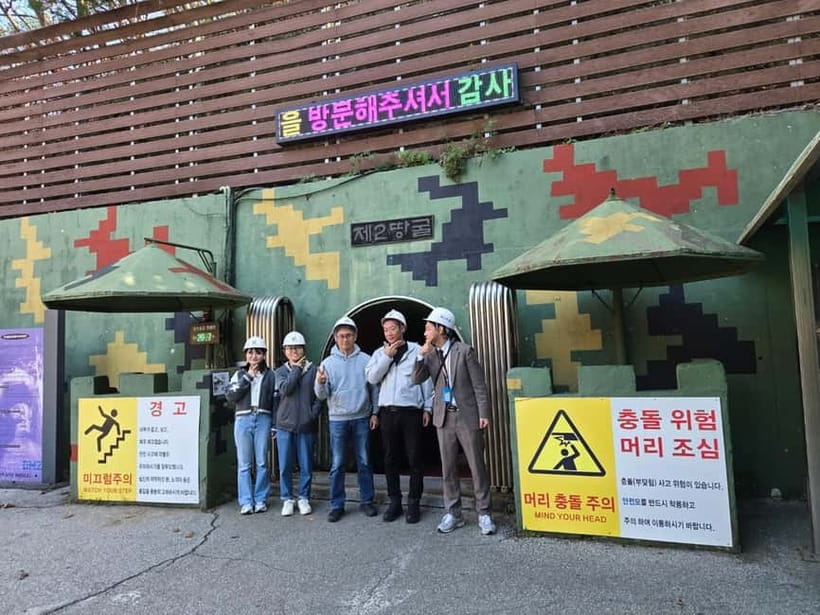
- 2nd Tunnel walking experience that feels more real than photos ever do
- Cheorwon Peace Observatory stop with telescope views when conditions allow
- UNESCO Global Geopark Hantan river plus the wider Hantangang Geopark viewpoints
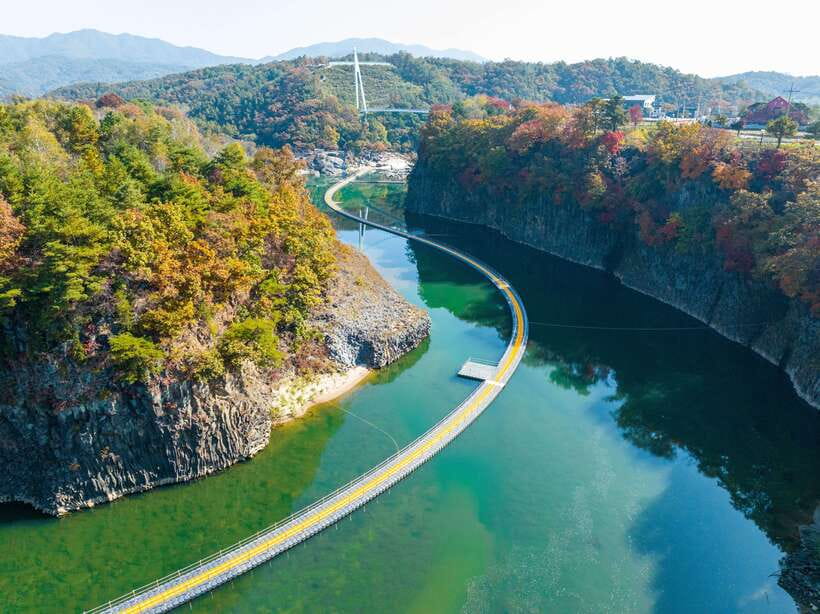
- Sky Bridge featured in popular Korean dramas like Crash Landing on You
- Migratory Bird Sanctuary and winter crane chances in the right season
- Bidulginang Falls (Natural Monument No. 537) with the doves-behind-the-water story
DMZ from Seoul without the stress: how the 10-hour flow works
This is a full-day tour built for people who want a lot of variety without having to plan every turn. You’ll start in central Seoul, then travel out toward Gangwon Province for a packed day in the Cheorwon DMZ area and nearby natural sites. The total time is listed as 10 hours, so it’s not a “quick taste.” It’s a proper day trip.
The pacing matters here. The DMZ portion is the emotional center, but the tour keeps you moving to other stops so you’re not stuck in one place too long. That’s handy if you’re traveling with kids or you’re on a couples trip and want both meaning and scenery.
You’ll also have a professional guide who explains in English or Japanese. Based on past tours, the guides like Leo, Winnie, Sophie, and Henry tend to keep the group on schedule and answer questions without making it feel like a lecture.
You can also read our reviews of more tours and experiences in Seoul.
Getting there: meeting point at Myeong-dong Exit 10
You’ll meet outside Exit #10 of Myeong-dong subway station. That’s a convenient anchor point because Myeong-dong is easy to reach from most places, and it reduces the “where do we meet” confusion.
Transportation is included, and the ride itself gets strong feedback for how smoothly it runs. If you’ve ever dealt with Seoul traffic, you’ll appreciate that your biggest job is showing up on time and being ready with your ID card (a copy is accepted).
Quick practical note: the tour isn’t ideal for everyone. It’s not wheelchair accessible, and it’s not recommended for people with heart complaints or for pregnant women. If that affects you, you’ll want to choose a different format.
The DMZ 2nd Tunnel: why this is the stop people remember
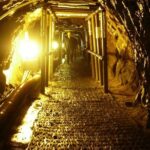
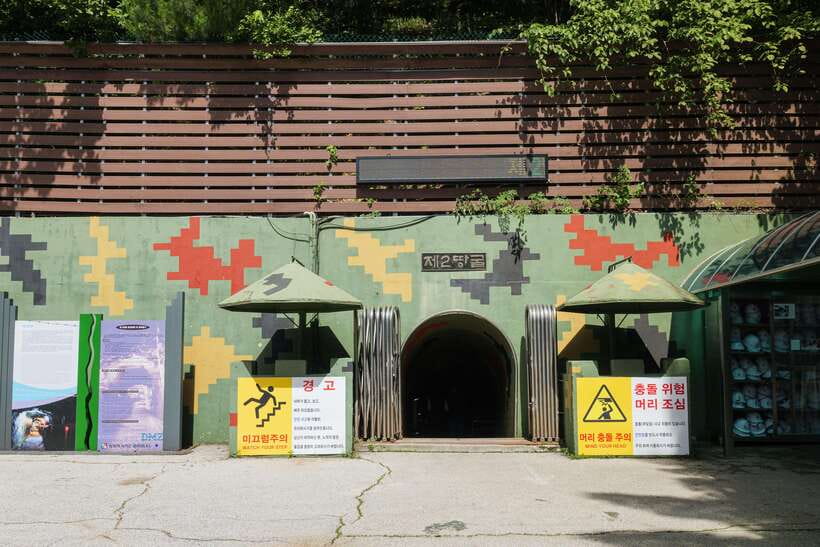
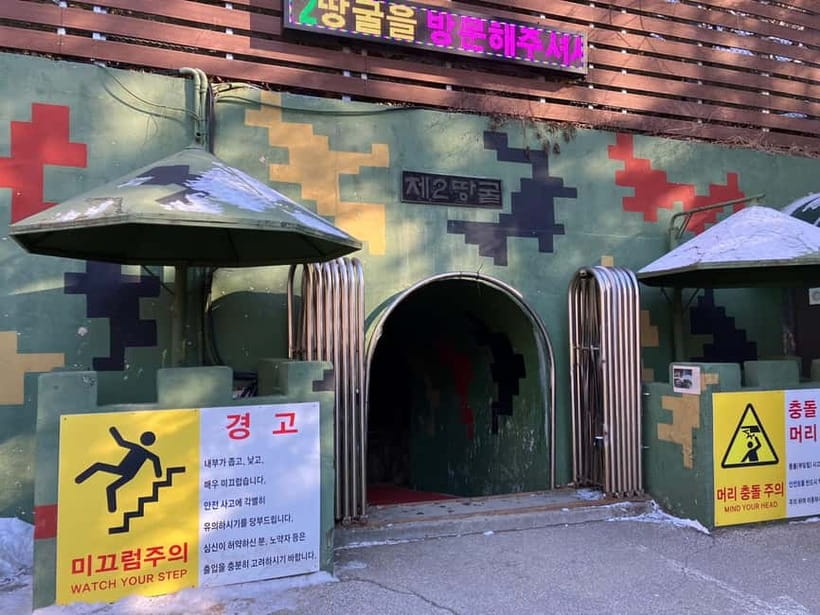
The headline stop is the DMZ 2nd Tunnel, and it’s the kind of place where your brain can’t stay on autopilot. Even without getting into graphic details, tunnels have a way of making history feel physical—cool air, tight space, and the feeling that you’re walking through a real system rather than a concept.
This tour pairs the tunnel walk with historical explanation, so you’re not just seeing a structure. You’re learning why it exists and what it means in the context of the peninsula’s complicated reality. Guides like Dragon and Leo are often praised for giving clear, satisfying answers to questions, which helps a lot when the topic is heavy.
A small practical tip: wear comfortable shoes and bring a light layer. Even if it feels mild above ground, tunnels can feel colder.
Cheorwon Peace Observatory, Woljeong-ri Station, and the bird sanctuary
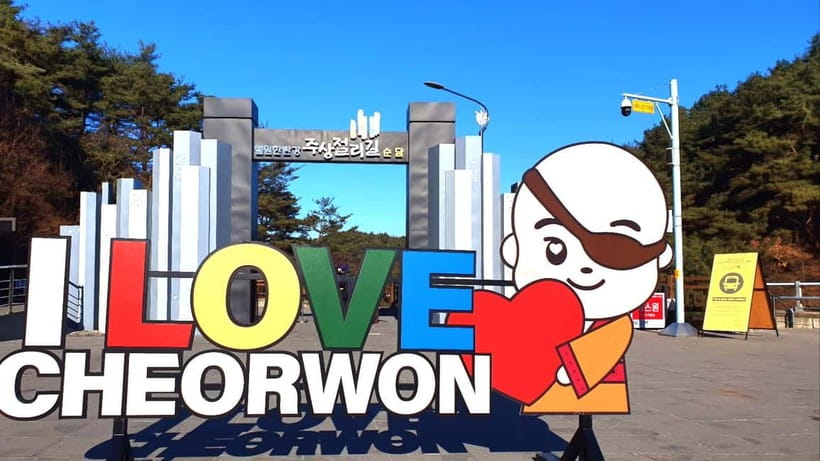
After the tunnel, the day shifts into a wider DMZ-and-borderland picture. You’ll visit the Cheorwon Peace Observatory, plus stops including Woljeong-ri Station and the Migratory Bird Sanctuary.
At the observatory, there’s time to take in views across the DMZ. The tour environment is set up for observation—one reason this stop sticks in people’s minds is the chance to use a telescope when available. You won’t control the conditions, but you can still count on the guide helping you understand what you’re looking at.
Then you get a nature angle with the Migratory Bird Sanctuary. In winter, you might spot crane flocks, and cranes are noted as a protected natural monument of Korea. It’s a nice contrast to the tunnel: you’re seeing how the same region holds both human conflict history and wildlife survival.
The former headquarters stop and the drama-famous Sky Bridge
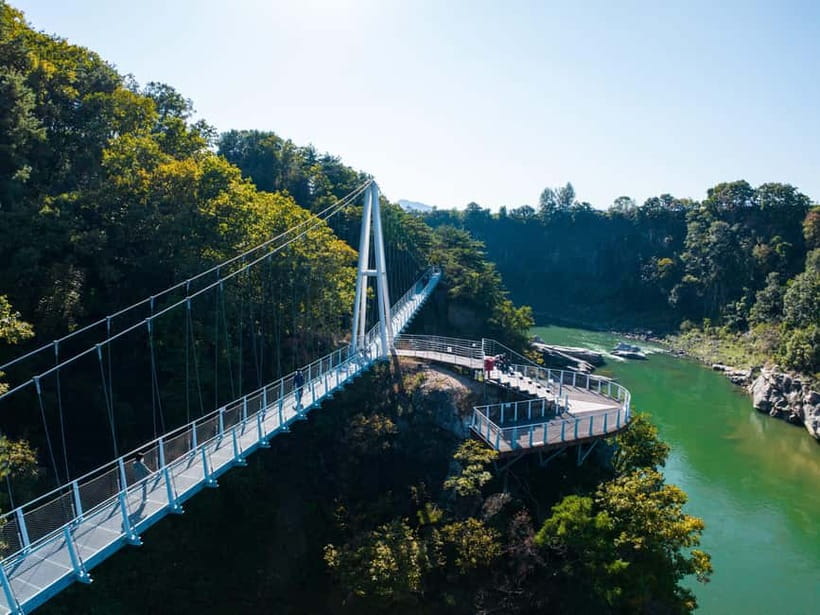
In the afternoon, the tour becomes more pop-culture friendly—without losing its seriousness. You’ll visit the Former Korean Workers’ Party Headquarters, then walk across the Sky Bridge.
The Sky Bridge is the part people tend to recognize instantly if they watch Korean dramas. It’s featured in series like Crash Landing on You and What’s Wrong with Secretary Kim. Even if you’re not a drama watcher, the walk gives you a different kind of perspective: you’re up and you’re moving, so you can take in wider views rather than only staring across the border.
What I like about pairing these two stops is the contrast. One is tied to political history. The other is a physical walkway with scenery and a bit of modern Korea media glow. You don’t have to be a drama expert to enjoy it, but it helps if you’re curious about how places get framed in entertainment.

Hantangang Geopark viewpoints and Bidulginang Falls (Natural Monument No. 537)
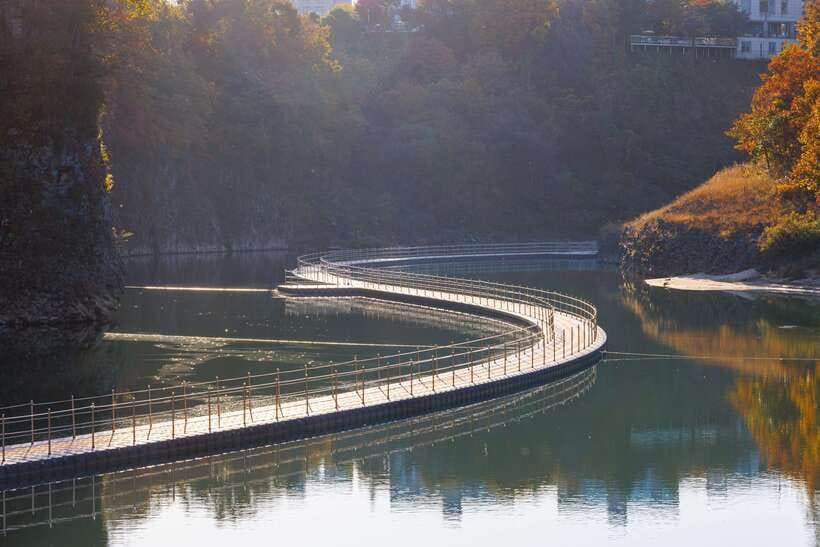
The tour keeps the scenery coming with Hantangang Geopark views. One of the named highlights is the UNESCO Global Geopark area connected to the Hantan river, and the overall day includes time to appreciate how the region’s geology and river system shape what you see.
That leads naturally to the final stop: Bidulginang Falls. This is part of the Pocheon Hantangang Basalt Gorge (Natural Monument No. 537), and it comes with a story. The falls are named after the doves that once nested behind them. That kind of local legend turns a waterfall stop into more than a photo break.
This waterfall has also shown up in historical Korean dramas such as Chuno, Queen Seondeok, and Warrior Baek Dong-soo. Again, you don’t need to have seen those series to appreciate the setting. It’s just a fun cultural extra, and it makes the final stretch feel lighter after the DMZ-heavy portion.
If you’re the type who likes a good ending point (rather than another long drive), this stop is a solid closer.
Lunch near the 2nd Tunnel: plan for food on your own
Here’s the practical reality: lunch isn’t included. The tour mentions free time for lunch near the 2nd Tunnel area, but you’ll be paying for what you eat.
This is the one spot where I’d treat your expectations carefully. Since meal options can vary depending on what’s open that day, it’s smart to bring a flexible attitude and maybe a small snack as backup. If you have dietary needs, ask your guide for help. Guides on past tours have helped people find vegetarian-friendly meals during the day.
Also, keep your timing in mind. You’re on a structured day with several set stops, so don’t assume lunch will turn into a relaxed long sit-down.
Who should book this tour (and who should skip it)
This is a good fit for a lot of travelers:
- Families who want education with real-life landmarks, not just a bus ride
- Couples who want meaning and also a few fun scenic moments like the Sky Bridge
- Solo travelers who like having a guide to handle the heavy context and keep the day flowing
- Groups that want a professional guide and clear explanations in English or Japanese
It may not be ideal if you:
- Need wheelchair accessibility (this tour is not wheelchair accessible)
- Have heart complaints or other serious medical conditions
- Are pregnant (not recommended)
If you’re unsure where you fall on that list, it’s worth asking before you commit. The day is long and involves walking through protected sites, so you want your body to be comfortable with the demands.
Price and value: what $87 covers in real terms
The price is listed as $87 per person, and what you get is more than just a seat on a bus. Admission tickets are included, plus a professional guide and transportation with pick-up and drop-off from designated meeting points.
When you’re comparing DMZ tours, the hidden value is usually the guide. This itinerary includes multiple high-impact stops in a single day, and the explanations turn those stops from sightseeing into understanding. That’s why the tour’s guide reputation matters: people strongly praise guides such as Leo, Winnie, Sophie, Grace, and others for explanation quality, humor, and keeping the group comfortable.
In other words, you’re paying for:
- A full-day route that would be hard to stitch together yourself
- Admission coverage for key sites
- Language support in English or Japanese
- The logistics of getting you back to Seoul (drop-off is at Myeongdong Station)
You’ll still pay for things like drinks and lunch, but the core “get there, get in, get explained” portion is covered.
Small rules that keep the day smooth
A few practical notes you should follow so you don’t get stuck at the wrong moment:
- Bring an ID card (a copy is accepted)
- No pets
- No smoking in the vehicle
- No alcohol and drugs
These rules are standard for tours that operate in controlled zones. The best way to handle it is simple: pack light, keep your ID accessible, and treat the experience with the seriousness it deserves.
Should you book this DMZ 2nd Tunnel and Sky Bridge tour?
If you want one day that combines DMZ history, wildlife-season nature stops, and a drama-famous bridge with big views, this is a strong choice. I’d book it if you like having context spoon-fed in a good way, and if you’re comfortable with a full 10-hour outing that includes walking and waiting in structured time blocks.
I’d think twice if lunch autonomy will stress you out, or if any health or mobility limits apply. The tour is clearly designed for a broad audience, but it’s not built for everyone.
If you do book, I’d focus on two things: bring your ID, and wear shoes you can trust. Then let the guide do the heavy lifting—especially on the DMZ sections where good explanation is the difference between seeing a site and truly understanding it.
FAQ
What day of the week does the tour run?
The tour is available on Saturdays. It is not available on Tuesdays or on National Holidays.
Where do I meet the tour in Seoul?
Meet outside Exit #10 of Myeong-dong subway station.
How long is the tour?
The tour duration is 10 hours.
What is included in the $87 price?
The included items are admission tickets, a professional guide, pick-up and drop-off from designated meeting points, and transportation.
Is lunch included?
No. Lunch is not included. You get free time for lunch near the 2nd Tunnel area, but the meal is on you.
What languages are the guides?
Live tour guidance is available in English and Japanese.
Is this tour wheelchair accessible?
No. The tour is not wheelchair accessible. It is also not recommended for pregnant women or for people with heart complaints or other serious medical conditions.
What should I bring for the tour?
You should bring an ID card. A copy is accepted.