REVIEW · SEOUL
Seoul: Perfume-Making Workshop in a Hanok
Book on GetYourGuide →Operated by PROUST · Bookable on GetYourGuide
A hanok turns perfume into a calm hands-on craft. I love that this Seoul perfume workshop in a traditional hanok slows everything down, and I also love the take-home factor: your 50ml bottle is yours, made from your choices. The only real drawback is that this is a little off the easiest map route, so you’ll want to use the right directions (more on that below).
If you like scent profiles, this is the kind of activity that makes you think in notes instead of just buying whatever smells nice. You’ll work with an expert who helps you narrow your preferences, then you’ll blend, adjust, and bottle a finished fragrance before you leave.
In This Review
- Key things to know before you go
- Entering a hanok where scent becomes the main event
- The 90-minute flow: from preferences to a finished bottle
- The 500+ ingredients: how to not get overwhelmed
- How the scent guidance actually works (and why it feels personal)
- What you take home: 50ml, plus a plan for wearing it
- Finding the place: the small-but-important Seoul navigation tip
- Location near Daehakro: easy to pair with the rest of your day
- Price and value: is $49 actually fair?
- Who should book this (and who may not love it)
- Should you book a perfume-making workshop in a Seoul hanok?
- FAQ
- How long is the perfume-making workshop?
- What do I take home at the end?
- How many fragrance materials can I choose from?
- What languages are offered by the instructor?
- Where do I meet the workshop staff?
- Is the workshop wheelchair accessible?
- Can I cancel for a full refund?
- Does the workshop save what I made?
Key things to know before you go
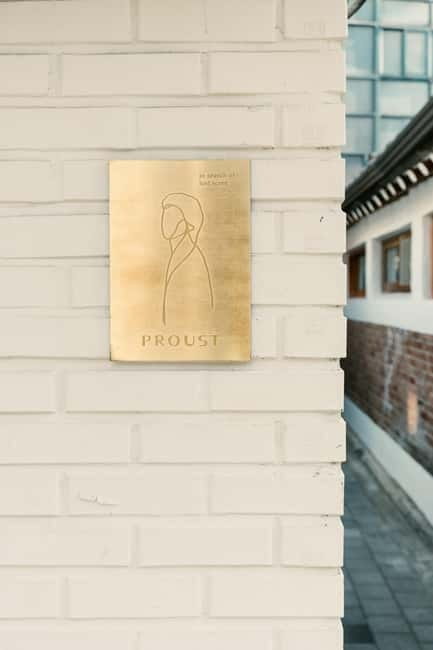
- A traditional hanok setting near Daehakro makes the workshop feel slow and peaceful
- 500+ fragrance materials including niche-style and natural options to sample and compare
- A structured process with seven scent-type options so you’re not guessing
- Blend, rebalance, and fine-tune twice before your final mix
- Take home a 50ml bottle, ready to wear or gift
- A staff that speaks English and Korean, and often works at an easy, unhurried pace
Entering a hanok where scent becomes the main event
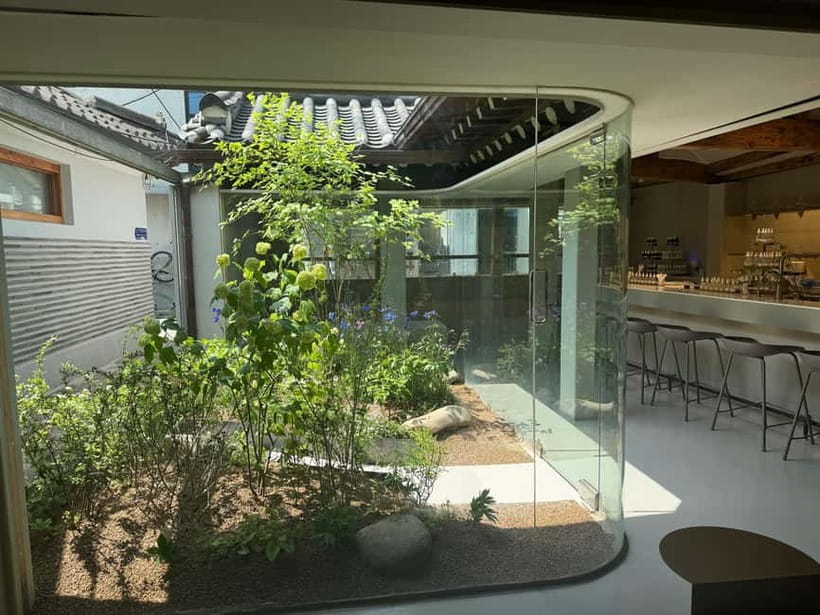
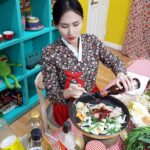
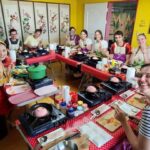
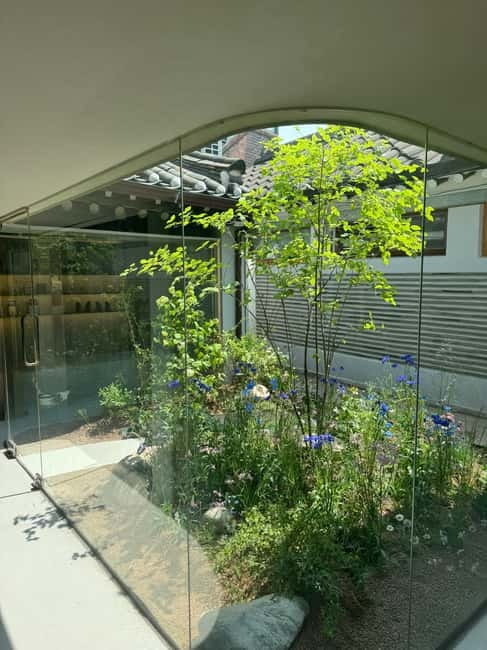
This workshop is built around a simple idea: don’t just smell perfumes, build one. The setting helps a lot. You’re doing it inside a traditional hanok, so even if the area outside is active, the room you work in feels like it has different rules. People tend to relax faster here because you’re surrounded by quiet, warm textures instead of retail chaos.
And the scent setup is serious. You’re not handed one little “pick your favorite” option. Instead, you choose from a massive library of materials—over 500 fragrance ingredients—and the instructor guides you through matching those ingredients to the kind of scent you want. That makes the experience feel creative, but also controlled.
One more practical win: your English support is real. The instructor is listed as speaking English and Korean, and multiple guests comment on how patient and clear the guidance feels when you’re standing in front of a wall of smells.
You can also read our reviews of more tours and experiences in Seoul

The 90-minute flow: from preferences to a finished bottle
The workshop runs about 90 minutes, and the structure matters. It’s not a free-for-all where you wander from one scent to another until you give up. You move through steps that build on each other, and each step reduces decision fatigue.
Here’s how it typically unfolds:
- Quick start questions about what you like
You’ll fill in a short questionnaire about scents you usually wear and what kind of fragrance you want to create. This is the part that makes the rest easier, because the instructor can steer you toward ingredients that fit your “direction,” not just random samples.
- Pick your scent type (from seven options)
You choose among seven representative fragrance types. This gives you a framework for what you’re aiming for—so you can talk about your scent in a way that actually works when you’re mixing.
- Compare your scent idea to ingredient options
The workshop uses a comparison method: your chosen scent keyword (your goal) is matched against 500 kinds of fragrance materials. The point is practical. Instead of you trying to test everything, you’re guided through comparisons that narrow the search quickly.
- Select a core material
After you define what you’re chasing, you choose a core material. That core is what keeps your blend coherent. Without this, DIY perfume can turn into “many smells, no theme.”
- Blend your ingredients and fine-tune twice
You blend your scent by combining ingredients, and then you adjust the ingredient balance twice for the final blend. This is the step that turns it from craft hobby to actual perfumery. You’re not just pouring and hoping.
- Finish and bottle your perfume in a 50ml container
When the final balance is set, you bottle it in a 50ml size and take it home.
What I like about this timeline is how it respects your attention span. Ninety minutes is long enough to get real results, but short enough that you’re not stuck in a half-day commitment.
The 500+ ingredients: how to not get overwhelmed
Over 500 fragrance materials sounds like a lot because it is. The trick is that the workshop doesn’t expect you to identify everything by yourself. The instructor helps you work like a perfumer: test, compare, adjust.
A few things to know about the ingredient experience:
- You’ll smell lots of materials, but you’re meant to move with a purpose.
- You can choose from both niche-style directions and natural scent options, depending on what you like.
- The “comparative analysis” approach means you’ll likely test a set of options that match your goal rather than tasting the entire store.
Also, the workshop is run by experts who’ve created scents for recognizable brand settings like Hanwha Life, Coffee Bean, Bodyfriend, and Chosun Hotel. That matters because it explains the method. The guidance isn’t just personality-based; it’s based on technique and scent logic.
If you’re worried about being bad at scent matching, don’t. The process is designed to handle decision moments when you get stuck between two smells that both seem right. You’ll get help choosing measurements and ingredient balance based on what you’re building.
How the scent guidance actually works (and why it feels personal)
This is where the workshop earns its near-perfect rating: people report that the instructor is calm, patient, and willing to adjust on the fly as you react to different smells.
Some guide names show up in guest notes—Helen, Dongyeon, and Yunvin—and the pattern is consistent: you get steering, not a lecture. The instructor helps you refine your selections when you’re overwhelmed by choices, and they’ll encourage you to keep adjusting until you truly like the result.
You also get options. The workshop includes a way to explore your scent preferences via the scent questionnaire, the scent-type selection, and the ingredient comparisons. That setup means you aren’t stuck with someone else’s idea of what you should like.
If you want a practical goal, go in thinking about 1–2 words you want your perfume to feel like, such as:
- clean and fresh vs. warm and cozy
- floral vs. woodsy
- sweet vs. dry
The instructor can translate your words into ingredient directions. That’s a big part of why the experience ends with something wearable rather than just experimental.
What you take home: 50ml, plus a plan for wearing it
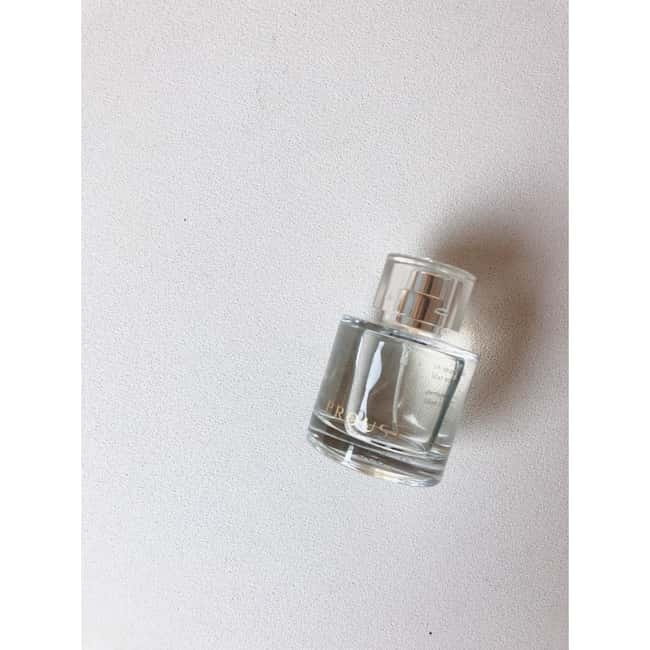
You leave with a 50ml bottle. That’s not a tiny sampler that disappears after one try. It’s enough to wear, test, and make it part of your routine.
And there’s a second take-home benefit mentioned in guest feedback: some workshops like this save your blend information so you can reorder or recreate your perfume later. If you love what you made, that’s huge because perfume is the kind of souvenir you’ll actually use, not just store.
Packaging also gets positive comments, so it feels giftable even if you make it for yourself. If you’re traveling with a friend, this is one of those activities where you each walk out with something distinct that’s connected to your own preferences.
One note: the workshop is about personal fit. If you only like very mainstream commercial scents, you might still find something you like, but you may need to speak up about what you strongly don’t want (sharp citrus, heavy florals, and so on). The structure helps, but your preferences still drive the outcome.




Finding the place: the small-but-important Seoul navigation tip
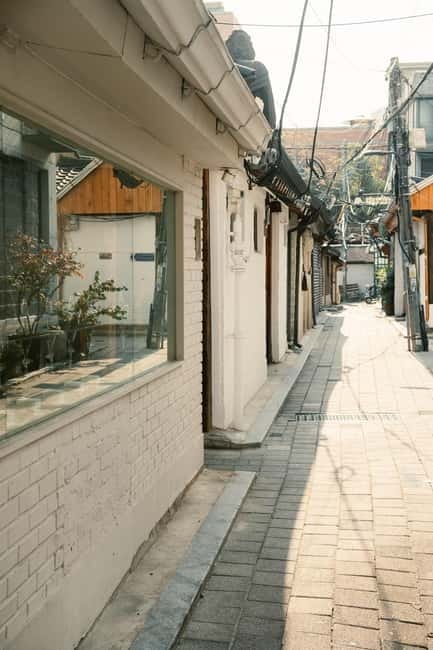
The meeting point is specific: it’s the first shop in the alley inside the tuna restaurant called Eunhaenggol.
That detail sounds easy until you’re in Seoul and your GPS is sending you through the wrong side street. Several guests mention getting help from drivers, and one practical tip stands out: use the Naver app for directions rather than relying solely on Waze.
So here’s your “do this, not that”:
- Do: plug in the tuna restaurant name Eunhaenggol and look for the alley entrance.
- Do: be ready for a short walk once you’re nearby.
- Don’t: assume the first pin you see is the right one.
Once you find it, the inside experience is calm, so the slightly fiddly arrival is worth it.
Location near Daehakro: easy to pair with the rest of your day
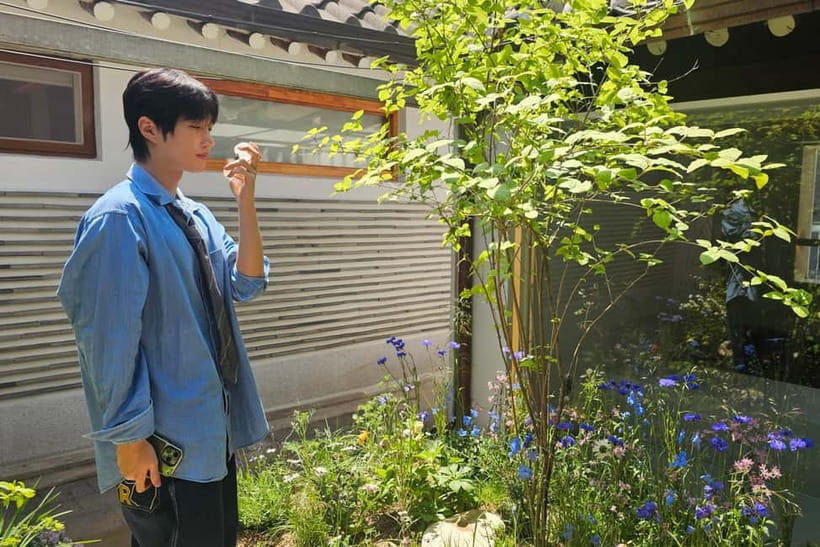
The workshop is near Daehakro, which means you’re close to lively street energy without having to make your perfume time compete with it. That’s a sweet spot for scheduling. You can do the workshop as a reset after walking around for hours, or you can make it a gentle start before heading out again.
Because the workshop is 90 minutes, it works well if you like timing your day tightly. It’s also a good choice if you want something “different” from the usual Seoul checklist—something sensory, not just visual.
If you’re planning a couple of activities in the same area, this is one of the easiest ways to add a personal experience without eating your whole afternoon.
Price and value: is $49 actually fair?
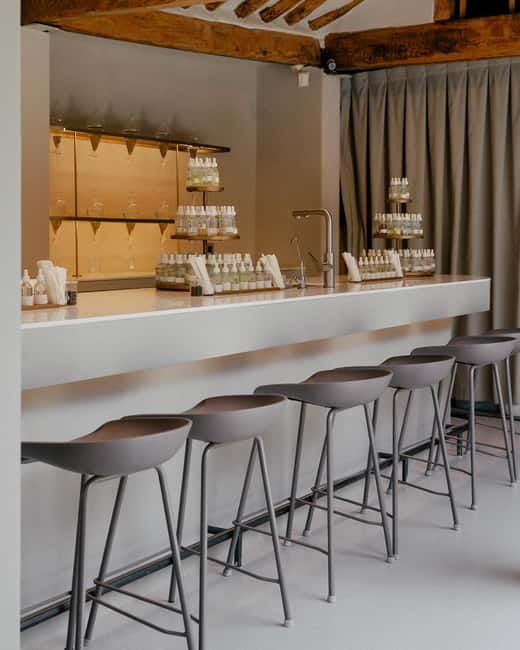
At $49 per person, this isn’t a cheap souvenir. But it’s also not overpriced for what you get.
You’re paying for:
- access to 500+ fragrance materials (meaning real selection, not a handful of sample drops)
- guided mixing with a structured method (including twice-adjusted balancing)
- a finished 50ml bottle you take home
When you compare that to buying a bottle in a shop, the value becomes clearer. You’re not just purchasing scent—you’re purchasing the expertise and the time spent making it match you. Plus, the hanok setting adds something intangible: the workshop feels like a break from Seoul’s constant motion.
If you’re the kind of traveler who likes experiences that leave you with something you’ll use back home, this price makes sense. If you only want to sample scents briefly, you might find it more satisfying to start with smaller options elsewhere. But for a DIY perfume build, it’s good value.
Who should book this (and who may not love it)
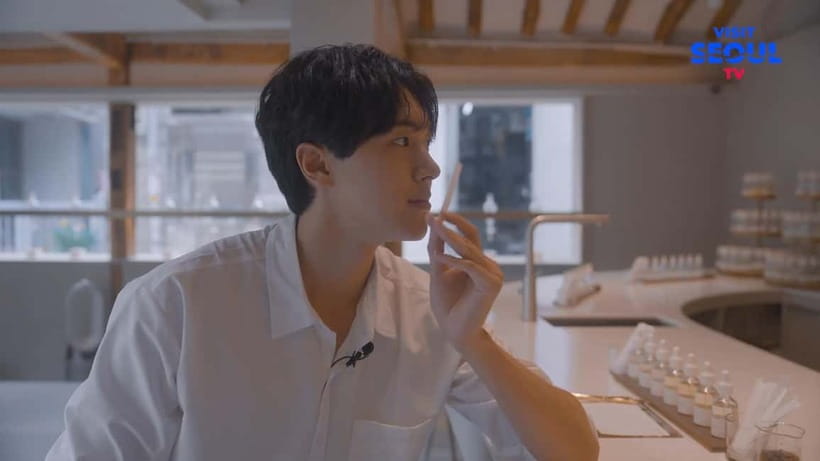
I think this workshop is perfect if you:
- enjoy fragrance, even if you’re not a hardcore perfume person
- want a hands-on creative activity with real guidance
- want a personalized Korean souvenir that doesn’t look like every other magnet
- like calm, structured experiences more than freeform chaos
It may not be ideal if you:
- dislike being around strong smells for long stretches (you will do smelling during the process)
- want something extremely fast and casual (this is detailed, even if it’s relaxed)
- only want to buy something pre-made with zero decision-making
If you go with a friend, it’s also a fun shared activity because you can compare what you build. Couples also seem to enjoy the relaxed tone, since it doesn’t feel like a rushed date game.
Should you book a perfume-making workshop in a Seoul hanok?
Book it if you want a memorable, personal souvenir that actually smells like you. The setup is well organized: questionnaires, scent-type choice, ingredient comparisons, then blending with real fine-tuning. Add in the peaceful hanok atmosphere near Daehakro, and you get an experience that feels special without being complicated.
Skip it only if you’re sure you won’t enjoy smelling and refining fragrance. Otherwise, this is the kind of Seoul activity that turns into a story you can wear.
FAQ
How long is the perfume-making workshop?
The workshop lasts 90 minutes.
What do I take home at the end?
You take home your finished perfume in a 50ml bottle.
How many fragrance materials can I choose from?
You can choose from over 500 fragrance materials.
What languages are offered by the instructor?
The instructor provides English and Korean support.
Where do I meet the workshop staff?
Meet at the first shop in the alley inside the tuna restaurant called Eunhaenggol.
Is the workshop wheelchair accessible?
Yes, the workshop is listed as wheelchair accessible.
Can I cancel for a full refund?
Yes. Free cancellation is available up to 24 hours in advance for a full refund.
Does the workshop save what I made?
Some guests report that the team keeps their blend information so they can purchase more later.