REVIEW · SEOUL
DMZ Tour + The War Memorial of Korea Museum
Book on Viator →Operated by YEHA TOUR · Bookable on Viator
That border line feels personal, even from afar. This DMZ + War Memorial day turns South Korea’s biggest 20th-century wound into something you can actually follow with your own eyes and a good plan. You start early, ride out with an organized group, and come back with a clearer timeline than most people get from just photos.
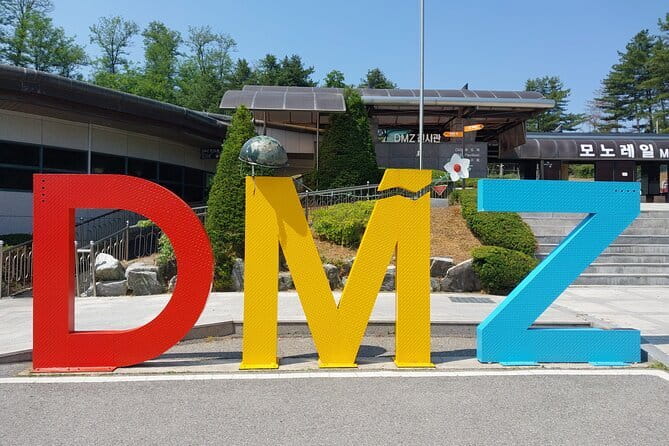
I especially love the way the tour gives you order. You begin at Imjingak Pyeonghwa Nuri Park with the Bridge of Freedom and war-era relics, then you move to the DMZ exhibition area where you can connect the story to artifacts and records. I also like that the day includes the Third Tunnel walk, not just viewing platforms—so you understand the effort and risk involved, not only the politics.
One drawback to weigh: the Third Tunnel portion is steep and narrow, and photo rules can be strict in certain areas. If you hate confined spaces, or you’re hoping for lots of pictures, this may feel more like a controlled visit than a casual sightseeing stop.
In This Review
- Key highlights worth planning for
- Why this DMZ day feels different than a quick border trip
- Myeong-dong pickup and the 7:00 a.m. reality check
- Imjingak Pyeonghwa Nuri Park: Bridge of Freedom and war-era artifacts
- DMZ exhibition time: the theater video and relics you can study
- Dora Observatory: binocular views across the Demilitarized Zone
- The Third Tunnel: steep, narrow, and worth the effort
- War Memorial of Korea: the history wrap-up that makes the DMZ click
- Price and logistics: what you get for $65 and what to budget
- Who should book this DMZ + War Memorial tour
- Should you book this DMZ + War Memorial tour?
- FAQ
- How long is the DMZ Tour + War Memorial of Korea Museum?
- What time does the tour start, and where do I meet?
- Is lunch included in the price?
- What’s included in the tour price?
- Do I need a passport for this tour?
- Is the Third Tunnel walk difficult?
- Are cameras allowed during the tunnel or viewing areas?
- How big is the group?
- Is the ticket digital?
- What happens if the DMZ closes due to weather or military issues?
Key highlights worth planning for
- A structured history day: Bridge of Freedom first, then DMZ exhibits, then Dora and the Third Tunnel.
- Real viewing tools at Dora: you’ll use binoculars to look across the Demilitarized Zone.
- The Third Tunnel walk: steep, narrow, with rest breaks mentioned by guides who pace groups well.
- War Memorial of Korea context: a strong wrap-up after the border sites so the history clicks.
- Small-group feel: max 40, and many guides are praised for keeping schedules calm.
- Practical on-the-ground guidance: clear meeting instructions and tour leadership that keeps you moving.
Why this DMZ day feels different than a quick border trip
A lot of DMZ tours are “see stuff, take photos, move on.” This one aims for understanding first, then viewing. The logic is simple: start with the war’s aftermath and symbols, then move into the DMZ learning spaces, and finish with the War Memorial museum once your brain has the right background.
The tone is also set by the sites themselves. Imjingak Pyeonghwa Nuri Park focuses on war memory and lingering effects. The DMZ areas bring you into an information-led environment with a theater video and exhibition hall displays. Then Dora Observatory lets you translate that information into an actual sightline across the Demilitarized Zone, using binoculars.
Finally, the War Memorial of Korea gives you the bigger arc—Korea’s long modern history and the Korean War—right after the border portion. If you’ve ever felt like DMZ visits leave you with questions, this order helps you leave with fewer blank spots.
You can also read our reviews of more museum experiences in Seoul

Myeong-dong pickup and the 7:00 a.m. reality check
The tour starts at 7:00 am at Myeong-dong Station (Subway Line 4), Exit 4. The meeting point is near public transportation, and pickup points are close to your hotel, followed by a ride out to the border area.
Plan for a long day. The total run time is about 8 to 9 hours, and you’re on the move most of the day. Since lunch isn’t included, you’ll want to eat before pickup or be ready to buy something later.
Also, bring your patience early. DMZ timing can shift due to conditions like weather or unexpected military issues. The tour notes that you may face delay or cancellation in those cases, so treat the first half of the day as “mission time,” not “coffee and stroll time.”
Imjingak Pyeonghwa Nuri Park: Bridge of Freedom and war-era artifacts
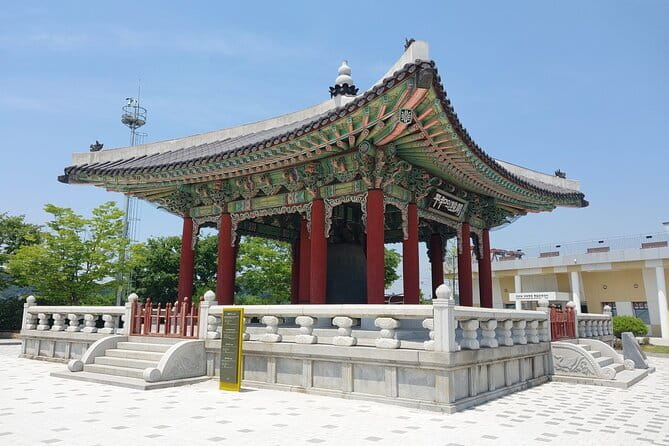
Imjingak Pyeonghwa Nuri Park is where the tour starts to feel emotionally weighty. The Bridge of Freedom is a temporary bridge with no big architectural wow factor, but it’s loaded with meaning because it represents the tragedies and divided fates created by the Korean War.
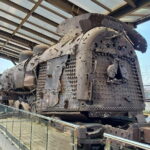
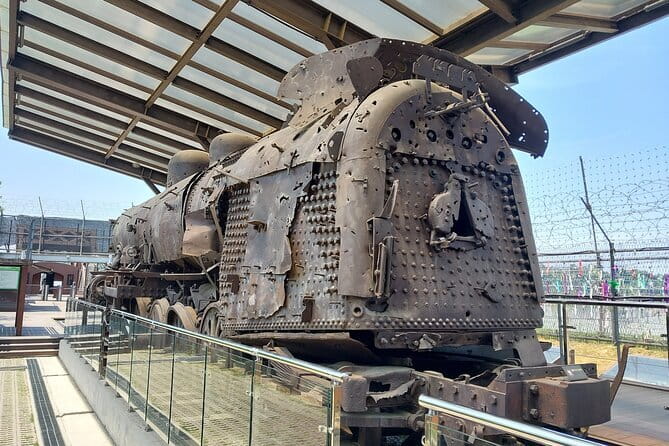
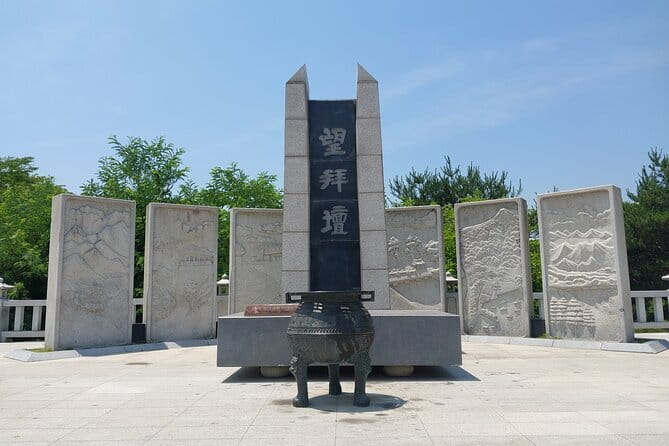
Beyond the bridge, you’ll pass through exhibits tied to the Korean conflict, including memorial elements and war-era artifacts. The tour description mentions features like Mangbaedan Memorial Altar and a Steam Locomotive at Jangdan station. Even if you’re not the type who reads every label, these physical objects help your brain anchor what you’re seeing later at the DMZ.
How this stop helps you: it prepares you to interpret the rest of the day. When you later watch DMZ presentations and stand at Dora, you’re not starting from zero—you already have symbols and relics in your head.
Small consideration: it’s early, and this stop sets a reflective tone. If you’re more of a “fast facts” traveler, you may want to keep your expectations practical and focus on the big elements that connect to the border sites.
DMZ exhibition time: the theater video and relics you can study
At the DMZ segment, you’ll first watch a video clip in the theater and then move into the DMZ exhibition hall. This is the part that turns “what is the DMZ?” into “why does it exist the way it does?”
The exhibition hall is where you’ll see relics and records tied to the Korean War and get general information about the DMZ itself. I like this stop because it helps you avoid the common problem: staring at a fence-line view and trying to guess the story behind it.
Guides play a big role here. Multiple guides from past departures are praised for organizing explanations and keeping English clear—names that show up in tour feedback include Bill Hwang, Kane Kim, Ann Jung, Jae Seo, and Kevin. Even if you don’t memorize every detail, you’ll leave with a framework you can use when you look across the border later.
Drawback to consider: this is not a hands-on workshop. You’ll be observing, listening, and reading. If you prefer experiences where you actively do something, you’ll probably feel the most “hands-on” at the Dora and Third Tunnel portions later.
Dora Observatory: binocular views across the Demilitarized Zone
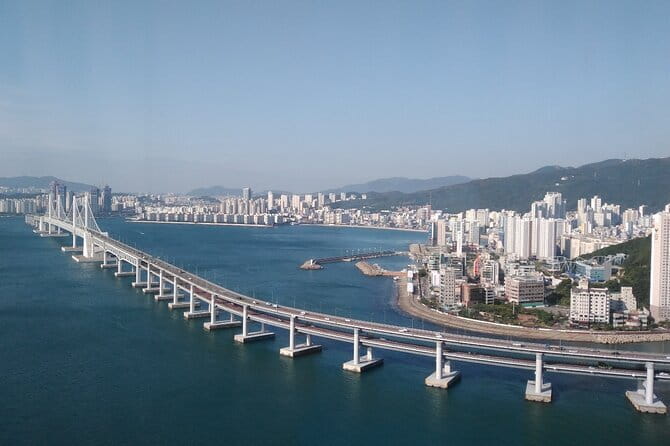
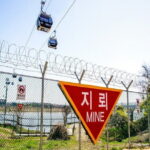
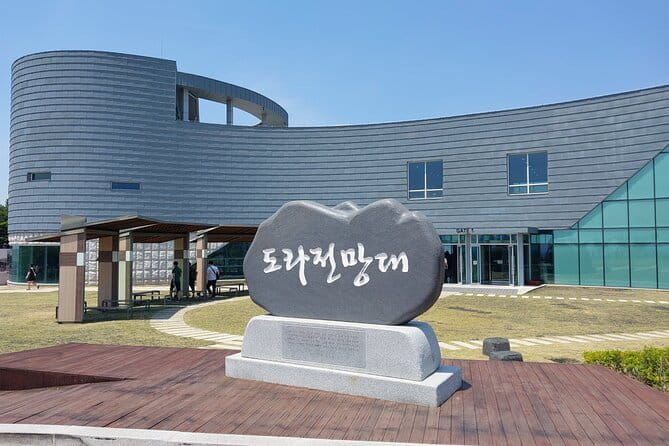
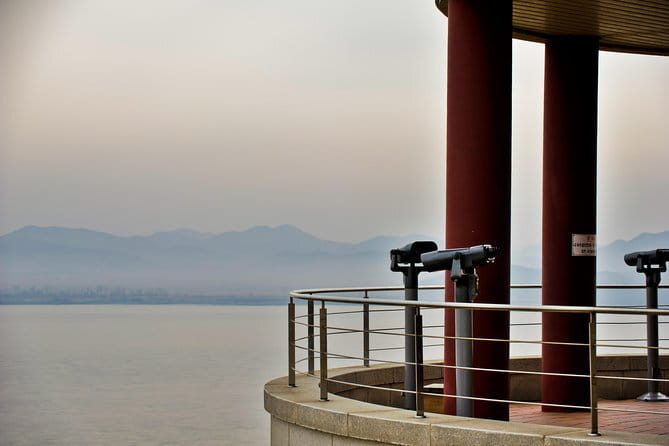
Dora Observatory is where the tour shifts from history to sight. You’ll visit the observatory and look across the Demilitarized Zone into North Korean territory through binoculars, which is a big deal if you like turning explanations into real visuals.
One practical note from tour feedback: under certain conditions, your viewing experience may be adjusted. Some groups reported seeing North Korea from an auditorium setting rather than the open viewing area, depending on the situation that day. So keep expectations flexible.
You’ll also pass by areas described in the tour details, like a propaganda village in the north and a “jamming tower” used to block broadcasts. You’re not just looking; you’re also learning how communication and information control show up in physical infrastructure.
Photo reality check: strict rules apply. One consistent warning from tour feedback is that you may be limited in what you can photograph—especially photos directed toward North Korea—and staff may monitor the area. If photos are your main goal, mentally shift from “capture everything” to “notice a few key views and then listen.”

The Third Tunnel: steep, narrow, and worth the effort
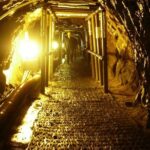
The Third Tunnel is the most physically demanding part of the day, and it’s also the one that can feel most intense—because it’s built to show invasion planning in a way that’s hard to ignore once you’re inside.
Here’s what you should know before you go:
- The tour warns that the tunnel is steep and narrow.
- Comfortable clothes and shoes are recommended.
- There are restrictions around cameras in the tunnel area, and photos may be limited.
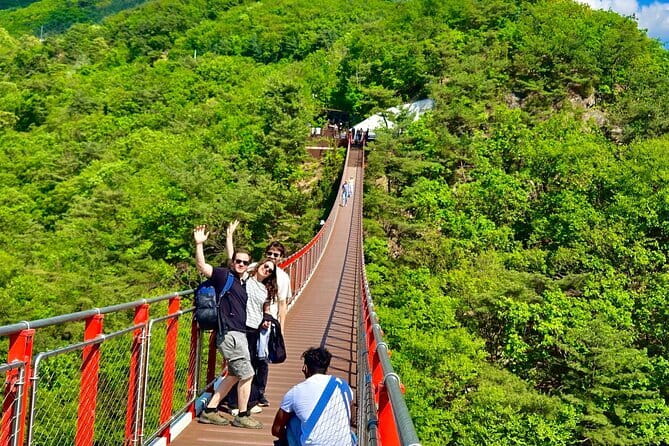
Tour feedback also points out that groups can be paced. Some guides are praised for walking the tunnel with you, checking in with the pace, and offering rest stops. One mention highlights that benches and rest points can help during the first part. Another note says the tunnel portion can be done without dealing with steps, even though the slope feels steep.
What you’ll learn there: the tunnel is described as an infiltration tunnel dug by North Korea into the South, with “evidence” presented to support the idea that it was intended for invasion. Standing in that tight corridor helps you understand how much planning goes into something like this—and how dangerous it would have been.
If you’re claustrophobic, take this seriously. This isn’t a place to pretend you’re fine. Choose conservative clothing, move slowly, and follow your guide’s instructions.
War Memorial of Korea: the history wrap-up that makes the DMZ click
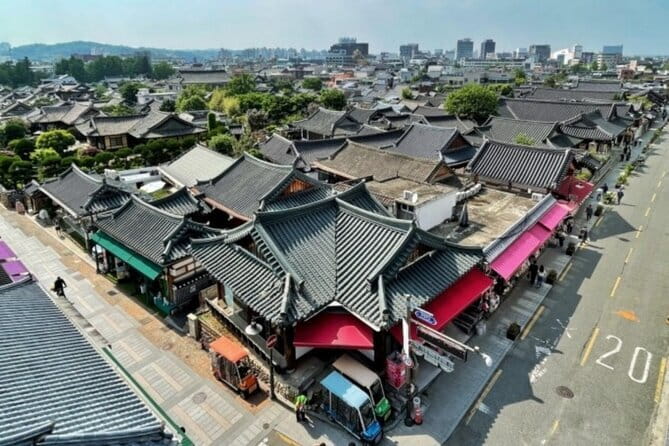
After the border sites, the War Memorial of Korea works like a decoder ring. The museum visit focuses on records and exhibits related to Korea’s long history and the Korean War.
This order matters. If you start with the museum, you might miss the emotional punch of the border day. But if you do the DMZ first, the museum can explain what you just saw and heard. In tour feedback, people highlighted that the War Memorial tells stories about the trials and tribulations after World War II and into the Korean War—and that the guide’s condensed explanations make it easier to understand.
One practical tip from experience with sites like this: it’s a museum, and it’s easy to want more time than you have. The tour includes about 1 hour here, which may be enough for the major themes but not enough to absorb everything. If you’re a museum person, plan on returning later for a longer self-paced visit.
Price and logistics: what you get for $65 and what to budget
At $65 per person, this tour is priced like a solid full-day package—not a budget snack-and-sightseeing run. Here’s why the value can work:
- Air-conditioned vehicle
- Parking fees covered
- Professional tour guide
- Admission tickets included for key border-related stops: Imjingak Pyeonghwa Nuri Park, DMZ, Dora Observatory, and the Third Tunnel
- The War Memorial of Korea is included at no additional admission cost (noted as free)
What’s not included is the one thing you’ll almost certainly care about on a long day: lunch. So budget for a meal, plus water or snacks if you prefer having them on hand.
Also, you’ll use a mobile ticket. That’s convenient, especially on a morning where you might already be juggling transit, crowds, and tight timing.
Finally, the tour runs with a minimum group size requirement and a maximum of 40 travelers. That’s relevant because group management affects how smoothly you get through time-sensitive places. Past tour experiences praised guides for time management and keeping groups together without feeling rushed.
Who should book this DMZ + War Memorial tour
This tour is best for you if:
- You want a structured history day rather than random border stops.
- You’re okay with an early start and a full day schedule.
- You’re interested in the Korean War era from multiple angles: memorials, DMZ information spaces, a real tunnel walk, and then museum context.
You might want a different plan if:
- You strongly dislike steep, narrow spaces. The Third Tunnel is the deal-breaker physically.
- You mainly want photos and don’t want to deal with camera restrictions.
- You prefer late starts and minimal walking.
Good fit for families with moderate fitness, history-focused travelers, and anyone who wants to understand more than just the view across the fence.
Should you book this DMZ + War Memorial tour?
If you want a DMZ experience that feels organized and meaningful, I’d say yes, book it—especially at this price point and with admission to the major DMZ-related sites included. The biggest reasons are the sequence (Imjingak → DMZ learning → Dora → Third Tunnel → War Memorial) and the strong pattern of guided explanations and calm time management, with guides such as Bill Hwang, Kane Kim, Ann Jung, Jae Seo, and Kevin showing up in feedback.
Just go in with realistic expectations: dress for the tunnel, plan for a long morning, and accept that this isn’t a photo safari. Do that, and you’ll come away with more than memories—you’ll have a clearer story.
FAQ
How long is the DMZ Tour + War Memorial of Korea Museum?
It runs about 8 to 9 hours.
What time does the tour start, and where do I meet?
The start time is 7:00 am, and the meeting point is Myeong-dong Station Exit 4 (Subway Line 4). Pickup is near hotels in the Myeong-dong area.
Is lunch included in the price?
No. Lunch is not included.
What’s included in the tour price?
You get an air-conditioned vehicle, parking fees, a professional tour guide, and admission tickets for Imjingak Pyeonghwa Nuri Park, the DMZ portion, Dora Observatory, and the Third Tunnel. The War Memorial of Korea admission is free as part of the tour.
Do I need a passport for this tour?
Yes. You must carry your passport on the day of the tour. If you don’t, you won’t be allowed to enter the DMZ.
Is the Third Tunnel walk difficult?
It requires moderate physical fitness. The tunnel is steep and narrow, so comfortable clothes and shoes are recommended.
Are cameras allowed during the tunnel or viewing areas?
Cameras are restricted in the tunnel area, and photo directions facing North Korea may be limited. Staff may monitor the viewing platform.
How big is the group?
The tour has a maximum of 40 travelers, with a minimum number required to operate (minimum 10).
Is the ticket digital?
Yes, it’s a mobile ticket.
What happens if the DMZ closes due to weather or military issues?
The tour may be cancelled or delayed in those cases. The details note no refund in certain unexpected military issue or bad weather situations, and you may also be offered a different date depending on the reason.